
Canary Islands Ascend to Luxury Property Olympus
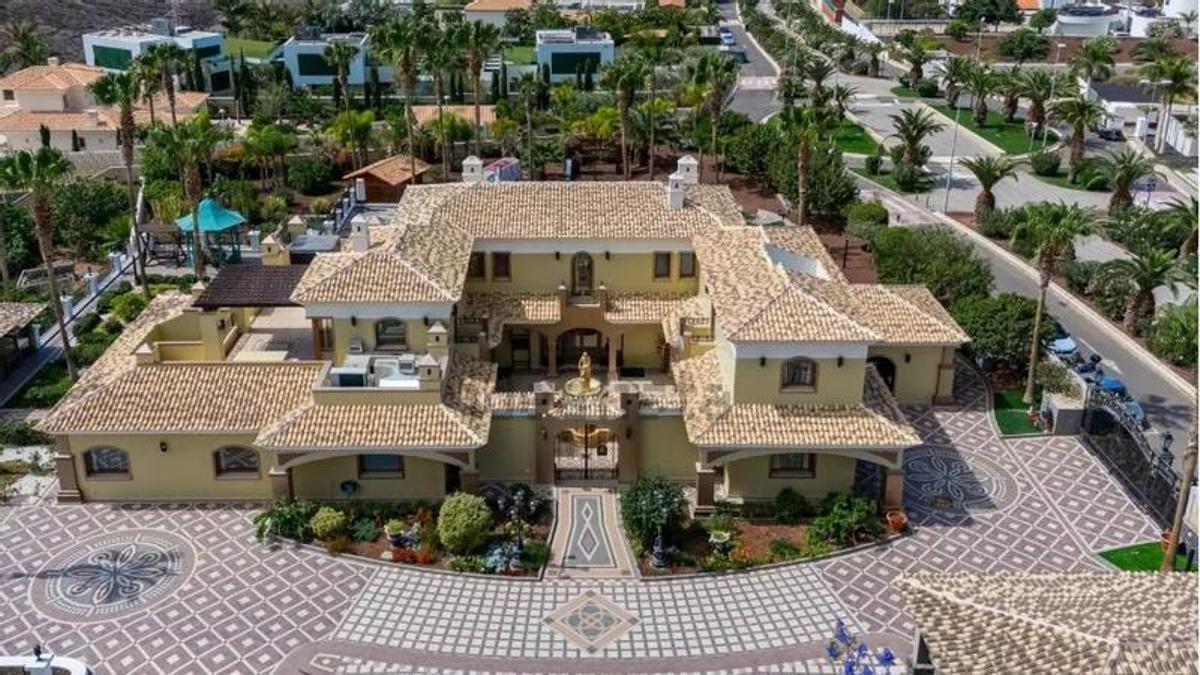
The Canary Islands have entered the premier league of the luxury real estate market. After several years of standing out in this segment, the Archipelago has become the third autonomous community in Spain with the highest percentage of high-end property purchases, trailing only behind the country’s two most important luxury destinations: the Balearic Islands and Madrid. The Canaries have overtaken other regions that previously held greater weight in this market, such as the Costa del Sol. Today, twelve out of every hundred property transactions above one million euros in Spain are signed in the Islands.
A Consolidated Premium Market
These figures were recently published by The Simple Rent—a real estate network specialising in the high-end segment—in a report dissecting the national premium market. It reveals a map of luxury real estate activity where the Archipelago has been steadily gaining ground. In The Simple Rent’s report, the Canaries now appear as a consolidated market, not an emerging destination, but one that still has considerable pull and room for growth. The price per square metre in this niche hovers around €3,200 in the Islands and, while it may surprise no one, the vast majority of buyers are foreign.
Key Drivers of the Luxury Boom
So, what factors are driving the luxury property market in the Islands? The demand from international buyers is a primary one. The Archipelago has traditionally been a region where purchases by international buyers carry more weight. The acquisition of homes by the foreign population accounted for 29.9% of the total in the second quarter of 2025, according to the latest report from the College of Registrars of Spain. Compared to the Spanish average of 14.1%, the Canary figure doubles this percentage.
These are clients with greater purchasing power who, in addition to pushing prices upwards across the entire property scale, also have more options to access this type of property, which are becoming increasingly abundant in the region due to rising demand. The rise of remote work, especially from abroad, also enables digital nomads with high-earning profiles to purchase properties in the Archipelago to spend long periods here.
Climate and Comparative Value
Another factor driving sales is the same one that attracts millions of tourists to the Canaries every year: its climate. The good weather during the winter months—despite this season being colder and rainier than usual, or at least that being the general perception—a more benevolent meteorology than in the rest of the continent attracts many potential buyers. A final factor equally boosting sales is price. The prices in the Islands’ luxury market, although high for the average local buyer’s pocket, cannot be compared to those paid in other European luxury property meccas like the Balearics.
Market Resilience and Political Debates
Companies specialising in the luxury segment agree that demand in this type of market remains high, although at the start of 2026 it does not have the same pull as in the years preceding the pandemic when the sector experienced a genuine boom. However, it has not been affected by the abolition of the Golden Visas, the mechanism that until recently allowed major fortunes from outside the European Union (EU) to obtain a residence permit in Spain by making a real estate investment of at least €500,000. A formula used by 1,784 foreign millionaires in the Canaries over its ten-year existence to reside legally in Spain.
However, Pedro Sánchez’s government announced in 2024 the end of these golden visas, which were increasingly questioned as housing prices rose higher and higher across the country and access to a home became an obstacle course for most citizens. In the Canaries, the debate on limiting home purchases by foreigners remains active. The regional government is trying to obtain a safe-conduct from the European Union to restrict the possibility of international citizens buying homes in the Archipelago. The national Executive’s objective is to try to mitigate the price escalation that occurs when the Canary Islands property market includes buyers with a purchasing power far removed from that of the vast majority of islanders. Although property experts have already pointed out that, at least in the case of the luxury segment, this limitation would not have much effect on improving residents’ access to housing, as they are two distinct markets.

Vivanta shuts all dental clinics including six in Tenerife

Civil Guard warns of digital skimming threat to online shoppers

Tenerife shifts FDCAN funds from roads to housing

PSOE warns Arrecife plan could ‘bury’ El Cable beach in concrete

Canary Islands faces loss of 20% of self-employed workers

Canary Islands to get 26 new substations by 2030

Canary Islands poverty rates stuck since pandemic

Court backs eviction over verbal room rental in Arona

Canary Islands pushes for 10-year residency rule for foreign buyers
