
The Lopesan Group is pressing ahead with its project to recover the Veneguera agricultural estate, a site in southwest Gran Canaria of great significance for its agricultural, landscape and ethnographic heritage. The plan is designed to revive traditional crops, restore the area’s rural infrastructure and improve the coastal environment, with each stage being assessed with rigorous technical oversight.
Collaboration with authorities
The company insists that all work is being carried out under the relevant professional supervision, within the administrative framework and in full compliance with current regulations. “The group maintains ongoing collaboration with the competent authorities to ensure the protection of this unique environment,” it states.
Groups demand answers
However, more than 30 groups from across the Canary Islands demanded on Thursday, via a statement, that the government’s Directorate General for Coasts clarify the nature of the earth movements being carried out by Lopesan on this natural site in Gran Canaria.
Technical plan and coastal work
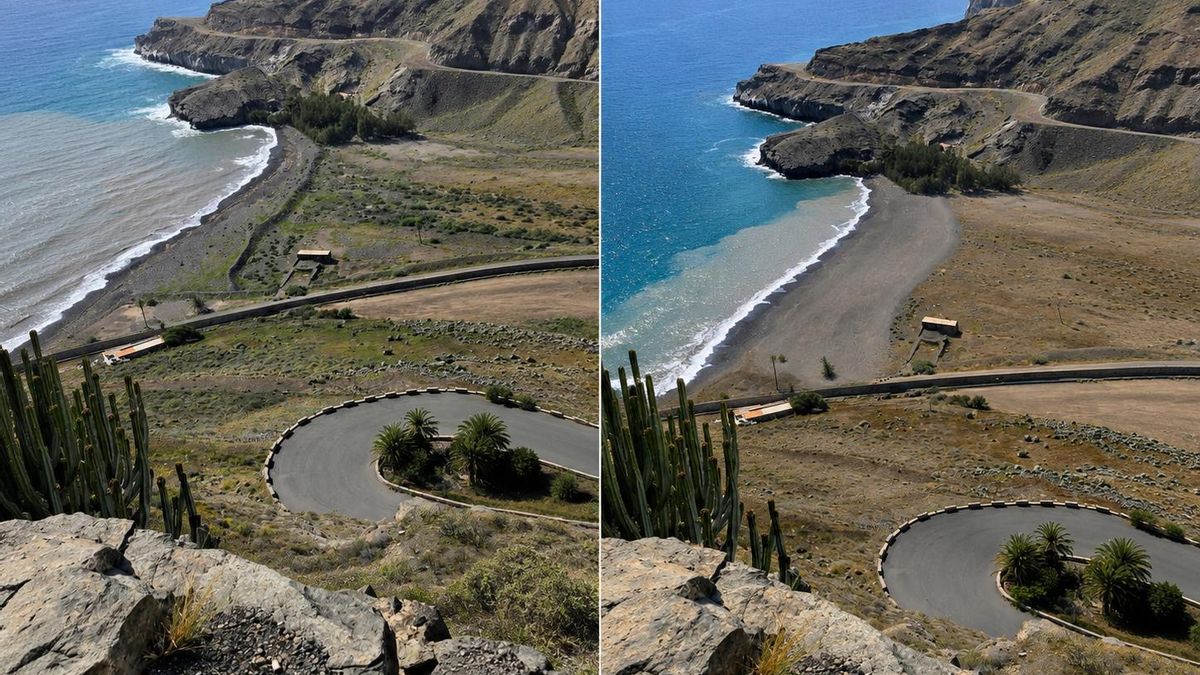
The technical roadmap includes bringing back into use old storage buildings, paths, wells, irrigation channels and other structures linked to the site’s original agricultural activity. Also included in the plan is work on the beach and backshore area of Veneguera, designed to remedy the effects of runoff and accumulated weather-related erosion, particularly following the passage of low-pressure system Therese.
The intervention along the coastline focuses on redistributing aggregates and correcting artificial landforms that do not match the original shape of the cove, thereby achieving a balanced transition between the coast, the ravine bed and the farmland.
No urban development, says company
According to Lopesan Group, the approach is based purely on criteria of landscape recovery, renaturalisation of the coastline and improving the stability and safety of the land for public enjoyment. The company therefore rules out any form of urban development or tourist use of the area.
Sustainability strategy in action
This line of work forms part of the firm’s global sustainability strategy under the Lopesan for Good banner, a model focused on the circular economy, supply chain efficiency and supporting the primary sector. The core of this system lies in making use of its own produce, an approach that delivered strong results in the last financial year.
In 2025, the Veneguera agricultural estate produced a total of 1,224 tonnes of zero-kilometre fruit and vegetables, a volume that covered nearly 21 per cent of the fresh produce consumed by guests staying at hotels in Gran Canaria. This local logistics system not only significantly reduces the carbon footprint from transport and ensures maximum freshness on the plate, but also directly revitalises the island’s primary sector. It thus restores economic dynamism to farmland that had experienced a long period of disuse and neglect.
What’s happening in the Canaries – straight to your phone
News, weather alerts and practical updates – direct from the islands, in English. We live here and know what’s going on – before the international media catch up. Everything lands on our WhatsApp channel – no middlemen, no algorithm. Curated for families, expats and travelers.

Vivanta shuts all dental clinics including six in Tenerife

Civil Guard warns of digital skimming threat to online shoppers

Tenerife shifts FDCAN funds from roads to housing

PSOE warns Arrecife plan could ‘bury’ El Cable beach in concrete

Canary Islands faces loss of 20% of self-employed workers

Canary Islands to get 26 new substations by 2030

Canary Islands poverty rates stuck since pandemic

Court backs eviction over verbal room rental in Arona

Canary Islands pushes for 10-year residency rule for foreign buyers
