
Historic Milestone for Cetacean Care
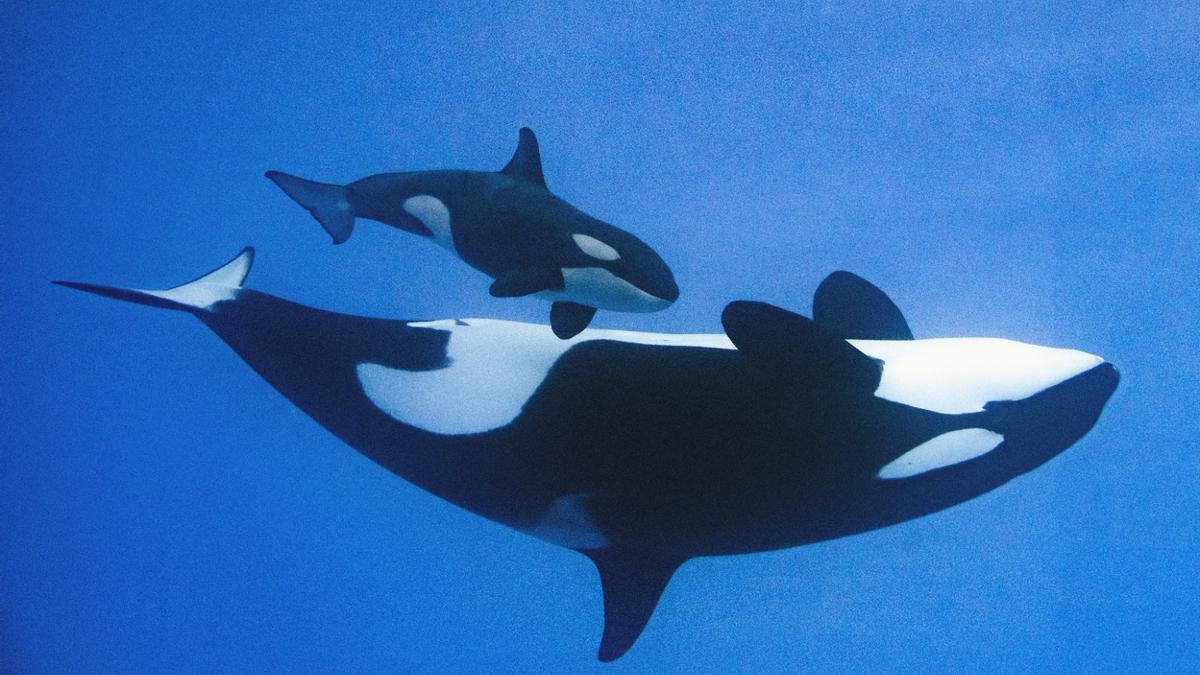
Loro Parque celebrated on Tuesday the first anniversary of Teno, the orca calf born on 31 March 2025. His survival marks a historic success and milestone in cetacean care, particularly when considering that in the wild, nearly 50% of calves do not survive their first year due to the vulnerability of their immune systems.
Optimal Development and a Special Celebration
Since his birth, Teno has been under the constant supervision of a multidisciplinary team of keepers, vets, and researchers. Over these twelve months, his development has been described as “optimal”, with sustained growth, active behaviour, and early signs of socialisation—key factors for his long-term wellbeing. To mark this first anniversary, his care team commemorated the date by presenting Teno with a large cake specially made for him, delivered into the water by his keepers in an atmosphere of enrichment and stimulation. According to Loro Parque, such actions not only strengthen the bond between animals and their human team but are part of welfare programmes that stimulate their cognitive abilities and natural behaviours.
The Exemplary Role of Mother Morgan
The role of his mother, Morgan, has been crucial. Her story is one of the most emblematic in marine conservation, as she was rescued in a critical condition off the coast of the Netherlands in 2010 and was later discovered to be deaf. Thanks to the work of Loro Parque, an innovative communication system based on light signals was developed, allowing her integration and opening new avenues of research into caring for cetaceans with special needs. Far from being a limitation, Morgan has shown an extraordinary capacity for adaptation and, over this past year, exemplary maternal behaviour. Her bond with Teno has been strong from the start, ensuring a successful nursing process and stable emotional development for the calf.
A Name from the Canary Islands and a Message of Conservation
The calf’s name, Teno, was chosen through a public vote with over 7,000 submissions, paying homage to the emblematic Teno Massif in Tenerife. This gesture aimed to strengthen the link between marine life and the natural heritage of the Canary Islands. For the president of Loro Parque, Wolfgang Kiessling, this anniversary represents much more than a celebration. “Teno is proof that knowledge, dedication, and love for animals can change destinies. It is also a reminder that modern zoos play an essential role in the conservation of species that, in many cases, would have no opportunities in the wild,” he added.
Zoos as Embassies for Biodiversity
This success, the park details, highlights the importance of institutions like Loro Parque as “embassies of biodiversity”. Thus, in a global context of increasing pressure on marine ecosystems, accredited centres not only guarantee animal welfare under the highest international standards but also drive research, environmental education, and public awareness. Recognised by organisations such as the World Association of Zoos and Aquariums and distinguished as one of the world’s most sustainable zoos, Loro Parque aims to demonstrate that ex-situ conservation is a key tool that complements protection in the wild.

Iberdrola plans Tenerife’s biggest battery storage plant

The wild canary that gave its name to the Canary Islands

Canary Islands sea hits second-hottest year on record

Legal bid to halt tree felling in Santa Cruz’s La Salud

Fiesta del Charco: A journey through La Aldea’s past

Corralejo dunes power line set for removal

ULPGC launches 14 research projects at Las Canteras

TMT will never be built, says Canary Islands astrophysics chief

Pedro Duque: Canarias is the “ultimate dream” for rockets
