New anti-smoking law to tighten rules across the Canary Islands
A new anti-smoking law will change the rules on cigarette and vaping use across the Canary Islands. The bill, approved by the Council of Ministers, expands smoke-free areas, bans smoking by minors and tightens restrictions on the advertising and sale of tobacco and related products. However, the reform is not yet in force. The text must now pass through the Spanish Parliament (Cortes Generales), where it may undergo modifications before final approval. These are the main changes set out in the new anti-smoking law and how they will affect the Canary Islands.
Smoke-free areas expanded
If the bill goes through, smoking will be banned in the following places:
- Bar, café and restaurant terraces
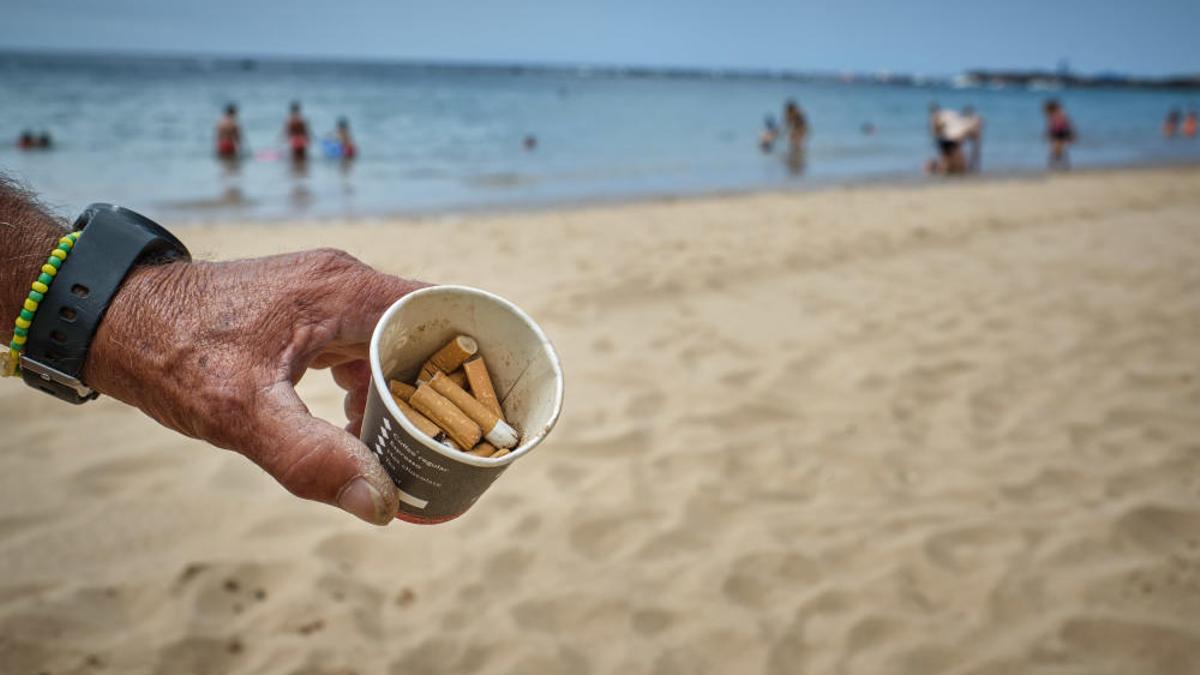
- Beaches (both coastal and river)
- Sports facilities
- National parks
- Venues hosting public performances
- Theatres, cinemas, concerts and other events, even if held outdoors
- Work vehicles, except when used exclusively for personal purposes
The ban will also apply within a minimum radius of 15 metres around entrances to health centres, schools, universities, public buildings, cultural and sports facilities, and children’s playgrounds. Affected spaces will have two months to adapt their signage once the law comes into force.
Bar and restaurant terraces included
Yes, the new anti-smoking law includes bar, restaurant and café terraces among the areas where smoking will be prohibited. Under current regulations, smoking was banned indoors but no general prohibition applied to terraces. The reform aims to reduce involuntary exposure to smoke and emissions from electronic cigarettes. The measure has the backing of health authorities, although it has generated opposition from parts of the hospitality sector.
All beaches in the archipelago affected
The bill extends the ban to all coastal and river beaches. The Canary Islands already have 79 beaches where smoking is prohibited. The Canary Islands Health Service has been running the “Smoke-Free Beaches of the Canary Islands” programme since 2023, with locations such as Las Teresitas in Tenerife and Las Canteras in Gran Canaria signing up. However, these initiatives currently cover only around 15% of the archipelago’s more than 500 beaches. Under the new law, the ban will no longer depend on health programmes or municipal ordinances and will apply to every beach in the Canary Islands.
Minors banned from smoking and vaping
One of the key changes is the explicit prohibition of smoking and vaping for under-18s. Current legislation already prevents the sale or supply of tobacco to minors, but it does not specifically state that they cannot consume it. The reform aims to close this loophole. This measure has particular significance in the Canary Islands, where more than 12,400 young people aged 14 to 18 smoke regularly, representing 10.7% of adolescents in that age group across the islands. The average age for starting smoking is around 14.
Minor offences could result in fines of between €300 and €600. When the person fined is a minor, their parents or legal guardians may be held subsidiarily responsible. However, the financial penalty may be replaced by community service.
Vapes and e-cigarettes treated like traditional tobacco
The reform equates electronic cigarettes and vapes with traditional tobacco in all areas where smoking is banned. The measure will affect both devices containing nicotine and those without. It also includes shisha pipes, herbal products and other devices that imitate smoking. Nicotine pouches are not included in this general alignment, although they will be banned for minors. The use of electronic cigarettes has become widespread among teenagers in the Canary Islands. While 15.6% of young people in the islands smoked tobacco in the last year, 35.9% had tried e-cigarettes or similar devices. Vape use therefore far exceeds that of conventional cigarettes. The new law will also restrict the sale and supply of these products to specialist outlets.
Stricter advertising and promotion rules
The reform tightens restrictions on advertising, promotion and sponsorship of tobacco and related products. The new limits will apply to the internet, vending machines and audiovisual media. It will also be prohibited to show or promote these products in programmes, videos or images, or to display advertising visible from outside points of sale.
Smoking rates in the Canary Islands
Tobacco use has fallen in the Canary Islands in recent years, although it still affects a significant portion of the population. According to the 2021 Canary Islands Health Survey, smoking prevalence dropped from 26.2% to 19.9% over six years. Despite this decline, there are still around 375,000 smokers in the archipelago.
What happens next?
The reform must still go through the parliamentary process. The bill may be amended as it passes through the Spanish Parliament and will require final approval. Once published in the Official State Gazette (BOE), the new anti-smoking law will come into force after 20 days.
What’s happening in the Canaries – straight to your phone
News, weather alerts and practical updates – direct from the islands, in English. We live here and know what’s going on – before the international media catch up. Everything lands on our WhatsApp channel – no middlemen, no algorithm. Curated for families, expats and travelers.

Tenerife’s Char Fuego y Brasas named 13th best steak restaurant in Europe

Gran Hotel Taoro: a foodie destination in Puerto de la Cruz

Canary Islands hotel prices rise 4.11% in September

Icod de los Vinos launches twelve self-guided routes
Four new openings shaking up Las Palmas dining scene

Tenerife faces huge tourism expansion despite moratorium calls

El Bejeque in Las Canteras adds sea to its fire

Siam Park Gran Canaria must build its own desalination plant

Fuerteventura’s biggest resort to open on 1 November