Compiled with the help of artificial intelligence, based on Spanish-language information. Source below the article.
Southern Tenerife braces for major tourism expansion
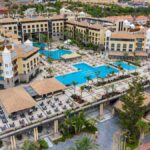
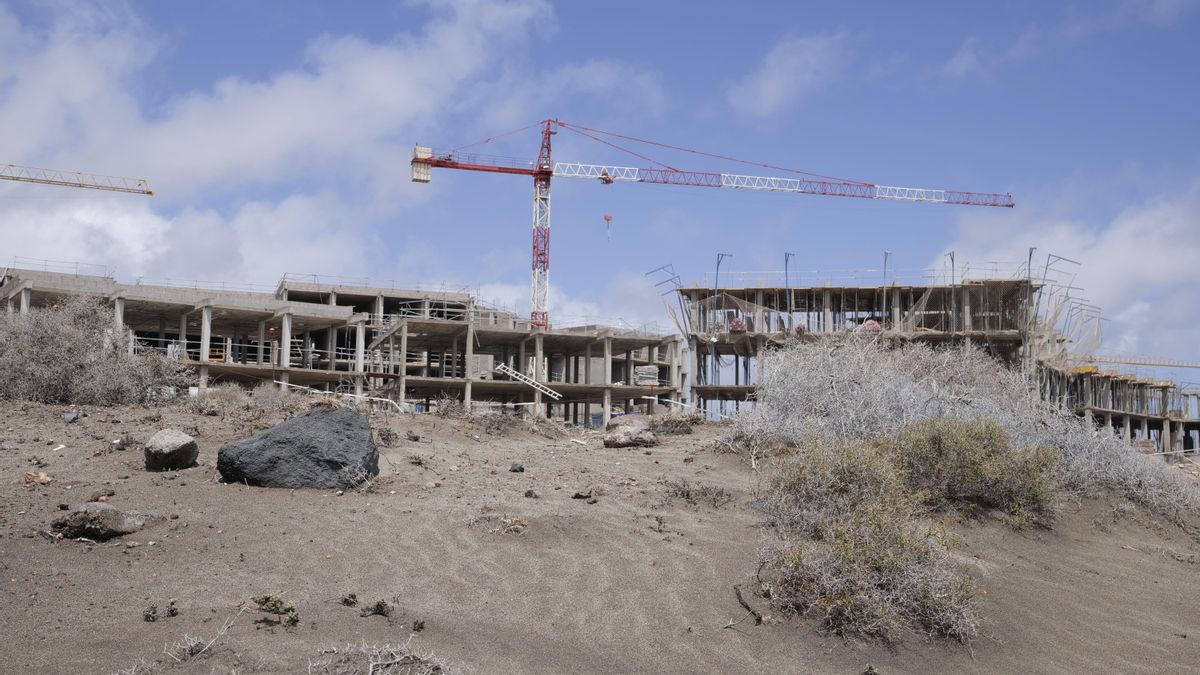
Southern Tenerife is preparing for one of the biggest tourism expansions in decades, even as social movements call for a tourism moratorium. The Canarina Foundation has raised the alarm, detailing that in Adeje, Guía de Isora, Arona and Granadilla alone there are around 20 projects under way or about to get started. Together they amount to more than 15,000 beds, thousands of homes and luxury villas, two golf courses and at least 3.8 million square metres of land, much of it on the coastfront, on agricultural land or next to protected areas.
Foundation calls for immediate moratorium
The Canarina Foundation has spent days denouncing these developments through its communication channels and stresses the urgent need for a change of model that puts “land, natural resources and local communities at the centre”. It is therefore calling for the immediate approval of a tourism moratorium to halt the expansion of new projects across the islands. The organisation goes on to list the projects that are in development or about to begin.
Large hotels and luxury developments in Adeje
In Adeje, several large hotels and luxury residential developments are planned.
Guía de Isora described as “even more worrying”
According to the Foundation, the situation in Guía de Isora “is even more worrying”. As well as the hotel at La Tejita and hundreds of luxury homes, a group of private investors is promoting an artificial wave park opposite La Tejita beach.
Growth “has not translated into wellbeing”
According to Canarina, this model, which has been in place in the south of the island for decades, has not translated its supposed economic growth into wellbeing for the population. It points out that several of these municipalities are among the poorest in the whole of Spain, while the macroeconomic figures on the ground translate into “poverty, a lack of housing and precarious jobs”.
Questions over the model
Against this backdrop, Canarina concludes: “It is worth asking whether this is really the model the Canary Islands institutions want to keep betting on, and what has to happen for the destruction of the land and of the population’s quality of life to be stopped.”
What’s happening in the Canaries – straight to your phone
News, weather alerts and practical updates – direct from the islands, in English. We live here and know what’s going on – before the international media catch up. Everything lands on our WhatsApp channel – no middlemen, no algorithm. Curated for families, expats and travelers.
El Bejeque in Las Canteras adds sea to its fire

Siam Park Gran Canaria must build its own desalination plant
Fuerteventura’s biggest resort to open on 1 November
Gran Canaria to teach tourism history in schools
Canary Islands see 0.3% rise in foreign tourists in August

Row over 368-bed hotel project in La Gomera
Spanish astronaut trains in Lanzarote for Moon mission

Tivoli La Caleta hosts first red tuna Kaitai in Canarias
La Laja natural pools reopen in Las Palmas