Landmark Law Passed for Hotel Cleaners’ Health
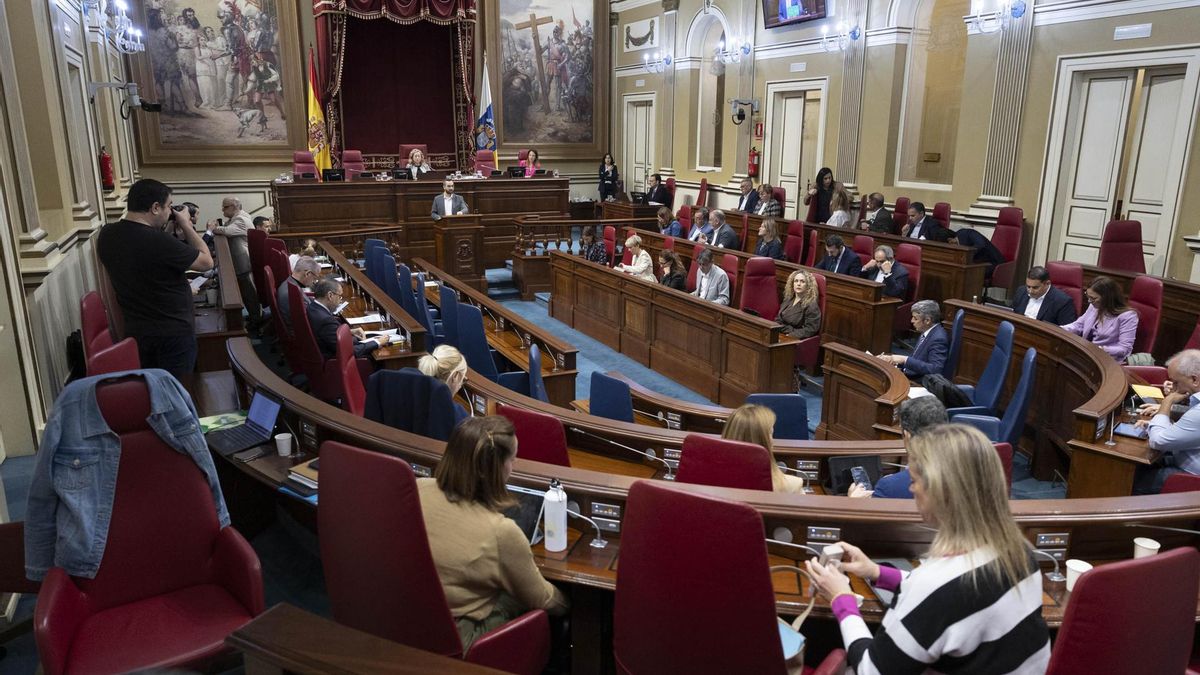
The Canary Islands Parliament approved a modification to the region’s tourism law on Wednesday, mandating that all tourist resorts on the islands must provide adjustable beds and motorised cleaning trolleys for their room attendants. The historic move, passed with Vox abstaining, fulfils a long-standing demand from the islands’ chambermaids, known locally as ‘kellys’, and brings the archipelago in line with other Spanish tourist destinations like the Balearic Islands. The primary goal is to minimise the significant impact this physically demanding work has on employees’ health, an issue the workers themselves powerfully highlighted during a regional parliamentary hearing in 2024.
Flexibility for Smaller Islands and Heritage Properties
The new regulations, promoted by the Socialist Group, include specific provisions for the less populous ‘green islands’ and small municipalities, penalties for non-compliance, and a flexible adaptation schedule extending to 2033. Heritage establishments with a maximum of 30 rooms will be exempt. Raúl Acosta, spokesperson for the Mixed Group (AHI), who had previously expressed reservations, welcomed last-minute verbal amendments that account for the specific nature of tourist accommodations on the green islands. Many are family-run businesses with very few beds. He stated it is good to legislate without falling into the absurdity of imposing fines that would force a small hotel to close, or requiring a motorised trolley in a two-storey building with no lift, and to tailor subsidies to the type of business.
Mixed Political Reception and Worker Advocacy
Jesús Ramos (ASG) noted that on the green islands, some tourist complexes do not permit motorised trolleys or even employ chambermaids, but overall, the approval is a small step to improve workers’ occupational health. He believes it will enhance the quality of the tourist destination, reduce sick leave, and ensure business viability with a phased adaptation plan. In contrast, Paula Jover, deputy spokesperson for Vox, argued that while worker health must be guaranteed, the law fails to consider the economic impact on businesses. She called it a “farce” diluted by exceptions and expressed doubt about funding for subsidies from the Canary Islands Government, leaving the adaptation timetable in limbo. She advocated for early retirement and dignified pensions as true measures to defend workers’ health.
Natalia Santana (NC-bc) celebrated that the demands of the ‘kellys’ were finally being met, reflecting on the price tourism workers pay for the sector’s success. David Morales (PP) highlighted the fundamental role of chambermaids and the civic political conduct shown. Mario Cabrera of the Nationalist Group praised the consensus reached, which allows for future work on improving labour conditions. Gustavo Santana of the Socialist Group hailed the “magnificent” law, revealing that only 12% of Canary Islands hotels currently have adjustable beds and 6% have motorised trolleys. He stressed that resorts should implement the measures as soon as possible using their own resources, without waiting for subsidies, calling it “a matter of morality and justice with society, the working class, and especially with the chambermaids.”

Tenerife’s Char Fuego y Brasas named 13th best steak restaurant in Europe

Gran Hotel Taoro: a foodie destination in Puerto de la Cruz

Canary Islands hotel prices rise 4.11% in September

Icod de los Vinos launches twelve self-guided routes
Four new openings shaking up Las Palmas dining scene

Tenerife faces huge tourism expansion despite moratorium calls
El Bejeque in Las Canteras adds sea to its fire

Siam Park Gran Canaria must build its own desalination plant

Fuerteventura’s biggest resort to open on 1 November