
Storm Therese Brings Hazardous Driving Conditions to Tenerife
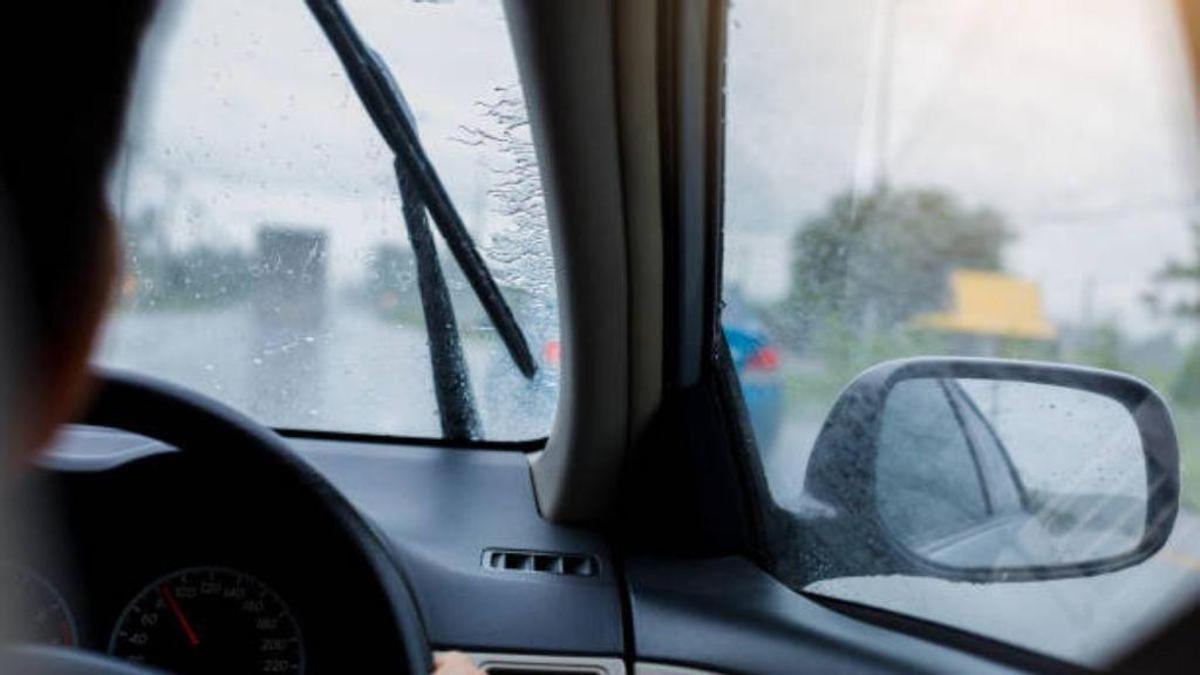
The arrival of Storm Therese in Tenerife is forcing drivers to take extreme caution during their journeys, as “rain increases braking distances and reduces visibility.” The General Directorate of Traffic (DGT) has issued a series of recommendations for motorists driving in rain or wind. Following these guidelines increases road safety and reduces the accident rate on the roads.
Mastering Wet Weather Driving
Maintaining a safe distance from the vehicle in front is crucial, as a wet road surface reduces grip and lengthens stopping distance. Aquaplaning occurs “when the tyre cannot disperse water from the road due to lack of tread, low pressure, inappropriate speed, or because of a patch of standing water,” explains the DGT. Holding the steering wheel correctly and avoiding sudden braking is key in these weather conditions.
Furthermore, windows often steam up due to condensation from temperature changes and humidity, which hinders the driver’s visibility. To prevent this, it is recommended to combine air conditioning with heating and direct the airflow towards the windscreen.
Vehicle Checks and Legal Requirements
Tyres are the foundation of the vehicle and, as such, must be checked before long journeys and in the face of adverse weather conditions. The tread must have a minimum depth of 1.6 mm; each tyre below this can result in a fine of up to 200 euros as it is considered a serious offence. You should also ensure they have no cracks or bulges, as in the event of an accident, more vehicles could be involved due to poor maintenance.
Article 46 of the General Traffic Regulations states that drivers must reduce speed “when driving on a slippery surface or when water, gravel or other materials may be splashed or projected onto other road users.” Driving with faulty windscreen wipers can lead to fines of 80 euros, but if the system does not work, officers can immobilise the vehicle. Drivers can also receive fines of 200 euros for having a dirty or illegible number plate due to the rain. Additionally, having broken lights or not using the correct lighting when visibility is poor is also considered a serious offence and punishable by up to 200 euros.
Navigating Strong Winds
Strong wind gusts are another phenomenon that can significantly affect driving. At the wheel, drivers should observe vegetation, flags, or wind socks installed on certain stretches of road to gauge the wind’s direction. The RACE (Royal Automobile Club of Spain) issues a series of tips for drivers to maintain maximum safety:
- Reduce speed.
- Hold the steering wheel firmly and avoid sudden movements.
- Drive in the centre of the lane, thus avoiding movements to the sides.
- Exercise extreme caution when overtaking. Only overtake when necessary.
- Pay attention to obstacles on the road, as the wind may limit the lane with blown debris.
Beware of the ‘wind shadow’ effect, which can occur when a vehicle is overtaking a larger one, such as a lorry or bus, during strong side winds. During the overtake, the car is protected, but upon passing it, the wind hits the car suddenly, which can cause a strong lateral shift if the driver is not concentrating. This can also happen when exiting a tunnel.
Prevention is Paramount
In the face of adverse weather conditions, authorities remind everyone that prevention is key. Avoiding unnecessary journeys and complying with Traffic recommendations is essential to guarantee both your own safety and that of other road users.
What’s happening in the Canaries – straight to your phone
News, weather alerts and practical updates – direct from the islands, in English. We live here and know what’s going on – before the international media catch up. Everything lands on our WhatsApp channel – no middlemen, no algorithm. Curated for families, expats and travelers.

Tuesday: heavy showers and storms in El Hierro

El Hierro issued yellow warning for heavy rain

Monday: autumn showers and a cooler feel

Sunday: scattered clouds and showers on the islands

Saturday: cooler air and clearing Saharan dust

Canary Islands weather: rain and storms on the way

Friday: summer heat before an autumnal weekend

Tuesday: cloud, showers and a building swell

Monday: cloud cover and scattered showers
