
Compiled with the help of artificial intelligence, based on Spanish-language information. Source below the article.
New unit to lead microplastics research
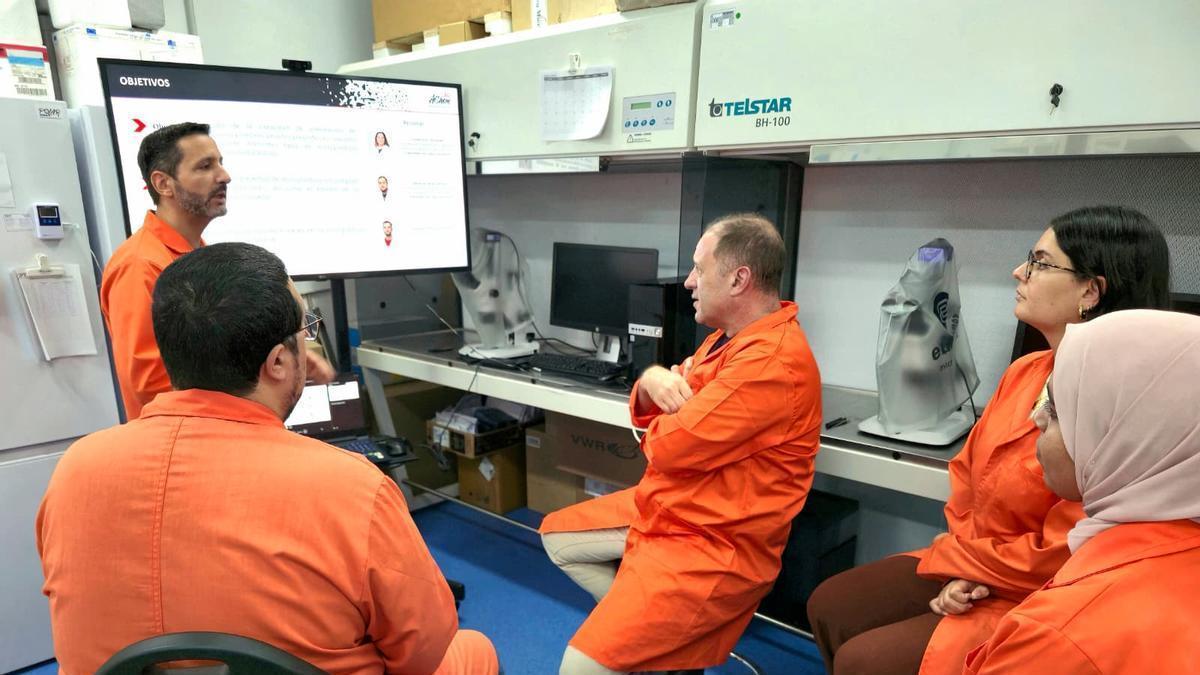
The Cabildo de Tenerife and the University of La Laguna (ULL) are strengthening their collaboration on microplastics research with the creation of PolAR, a specialist unit that will offer analysis services to public administrations, water managers and other organisations.
The project, funded by the island corporation with €1,083,000 up to 2028, investigates both the presence of these particles in the environment and their potential use for capturing organic pollutants found in various fluids.
State-of-the-art facilities
One of the main developments is the installation at ULL of a certified clean room with a highly controlled atmosphere. This space prevents airborne fibres from contaminating samples during analysis, which is particularly important when working with very low concentrations of microplastics.
The team also has a direct laser infrared microscopy system, the only one of its kind in the Canary Islands, capable of automatically detecting, counting, measuring and identifying the chemical composition and shape of plastic particles in complex samples such as compost, sediment, leachate and water.
Research team and lines of study
The research is led by Javier Hernández Borges, Professor of Analytical Chemistry, with the participation of two early-career researchers, Cristina Socas Hernández and Adrián M. Afonso Álvarez, who are developing their doctoral theses within the project.
The work is divided into four main strands. One examines the capacity of certain polymers derived from urban waste to absorb organic compounds present in leachate. Another analyses the occurrence of microplastics in compost and vermicompost, where initial results show a predominance of fibres ranging from 46% to 90% of the particles found.
The project has also completed the characterisation of microplastics on four beaches in Tenerife. Among the areas studied are Playa Grande and Puertito de Adeje, although the statement issued by the Cabildo does not specify the individual results obtained at each location.
Preparing for European requirements
The new PolAR unit, led by the AChem research group, will transfer this knowledge beyond the academic sphere. It will offer analysis and quantification of microplastics in drinking and wastewater, helping administrations and operators prepare to meet new European requirements.
What’s happening in the Canaries – straight to your phone
News, weather alerts and practical updates – direct from the islands, in English. We live here and know what’s going on – before the international media catch up. Everything lands on our WhatsApp channel – no middlemen, no algorithm. Curated for families, expats and travelers.

Canary Islands sea hits second-hottest year on record

Legal bid to halt tree felling in Santa Cruz’s La Salud

Fiesta del Charco: A journey through La Aldea’s past

Corralejo dunes power line set for removal

ULPGC launches 14 research projects at Las Canteras

TMT will never be built, says Canary Islands astrophysics chief

Pedro Duque: Canarias is the “ultimate dream” for rockets

Court blow to Tenerife motor circuit project
La Palma faces new volcanic risk planning deadline
