
Sharp Decline in Atlantic Arrivals
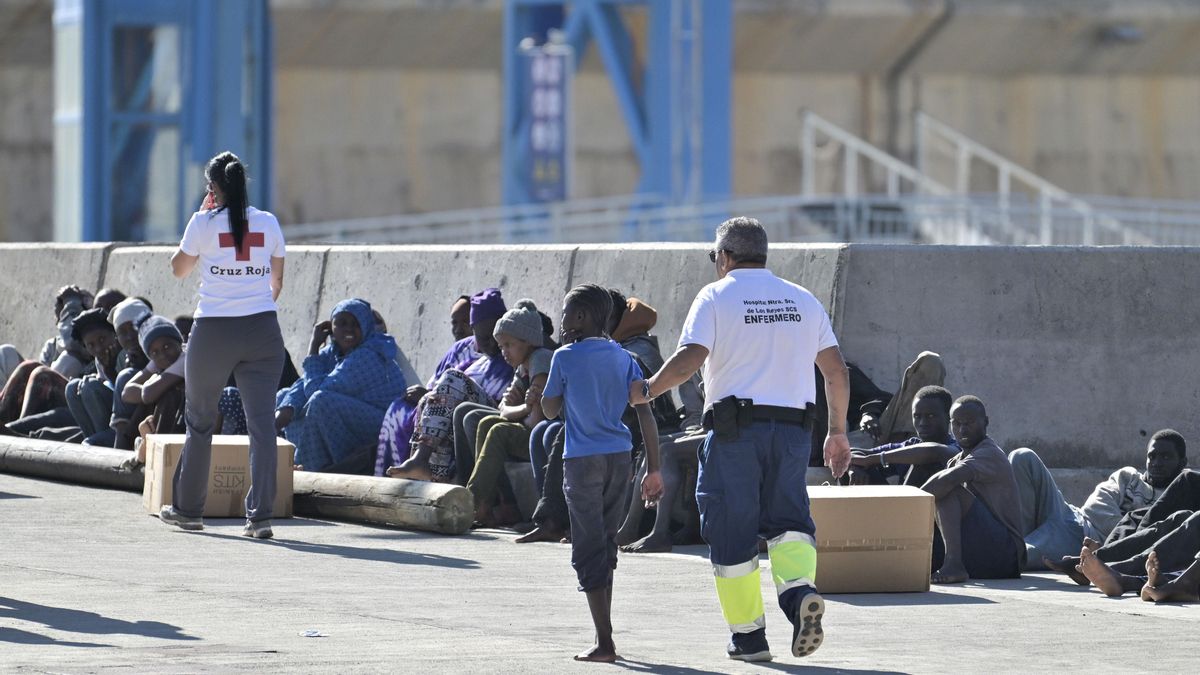
So far this year, 2,097 people have survived the perilous migration route to the Canary Islands aboard 22 precarious vessels. This figure represents a staggering 80.1% drop compared to the same period last year, when 10,515 migrants arrived on the islands via the Atlantic in 166 boats between January and April. Arrivals have also plummeted across Spain as a whole, which has received 7,030 people—a 47.5% decrease from the previous year, according to data published by the Ministry of the Interior.
Unabating Tragedies at Sea
Meanwhile, deaths on this frontier have not ceased. The International Organisation for Migration’s (IOM) Missing Migrants project records 115 people who have lost their lives so far in 2026 on the route connecting West Africa with the Canaries. The true figure could be much higher, as many tragedies go unrecorded and dozens of migrants disappear into the ocean.
Recent Incidents and a Major Disaster
The latest incident logged by the IOM dates from 5 March 2026 and took place off the coast of Saint Louis, Senegal. The boat had departed from Gambia eleven days earlier, and among the deceased was a baby. The deadliest shipwreck recorded by Missing Migrants this year occurred in early January and claimed the lives of at least 107 people. According to the IOM’s published information, the vessel sank around midnight on 31 December near the village of Jinack in Gambia. It was carrying nearly 300 people, but only 128 survivors were located. While 41 bodies were recovered, another 66 remain missing.
Fatalities Close to Canarian Shores
In waters closer to the Canary Islands, the first two weeks of the year saw at least three fatalities. The first was a 34-year-old man travelling on a small wooden boat with 165 others. The vessel was rescued near Tenerife, and four survivors required medical attention. The other two victims were on a boat located 148 miles southeast of El Hierro. One was already dead when Maritime Rescue arrived. The other was in a serious condition and died shortly after the rescue.

Vueling plane lands with landing gear fault at Los Rodeos

Ferry contract to Canary Islands declared void

Bomb threat on Vueling flight triggers Gran Canaria airport security operation

Cruise to Canaries cancelled after collision in port

Tenerife tram delays worsen amid staff shortages

Titsa adjusts night bus times for clock change on Tenerife

Night roadworks to disrupt TF-1 traffic from Sunday

Public service obligation for Canary inter-island flights announced

Iberia accused of ejecting passengers from paid seats
