Singapore’s housing model in the spotlight
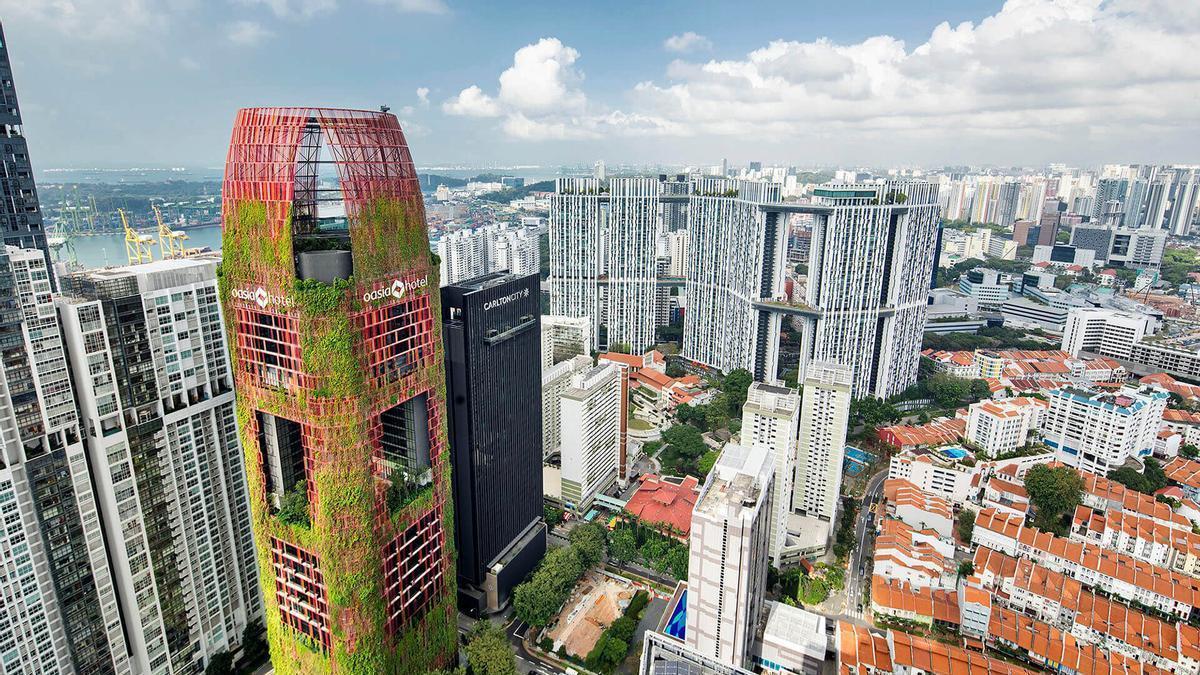
The visit of Catalan president Salvador Illa to Singapore has once again brought into focus one of the world’s most distinctive housing models. The Asian city-state has succeeded in ensuring that eight out of ten residents live in state-sponsored homes, with around 90% of the population owning their own property – figures that are hard to match in any other developed country. Unsurprisingly, this has captured the attention of various European governments amid the ongoing housing crisis.
The Canary Islands is by no means immune to this debate. With more than 34,000 people registered on the Public Register of Protected Housing Applicants, access to a home has become one of the biggest social challenges facing the archipelago. Following the failure of the Canary Islands housing plan for 2020-2025, the regional government is now preparing a renewed Housing Plan for 2026-2030. This new roadmap aims to increase residential supply and strengthen the public housing stock, although it is built on a philosophy very different from the one Singapore has applied for decades.
How Singapore makes it work
The success of the Singaporean system lies in the role played by the public administration. Through the Housing & Development Board (HDB), the state plans new urban developments, builds the vast majority of homes and retains ownership of the land on which they are constructed. Citizens acquire a 99-year leasehold right, but not ownership of the land itself, which allows the government to maintain a significant degree of control over the residential market.
Additional measures are designed to curb speculation, including taxes on the purchase of second homes, restrictions on the resale of public properties, and supply planning linked directly to the needs of the population. The result is a public residential stock that houses nearly 80% of the population and a market in which the state plays a decisive role.
The Canary Islands’ different approach
In the Canary Islands, a recent report on the public consultation held prior to the approval of the 2026-2030 housing plan acknowledges significant imbalances between residential supply and demand. The regional government itself identifies the main obstacles as a shortage of available land, rising purchase and rental prices, an insufficient public housing stock, and difficulties in bringing affordable housing onto the market.
Based on this diagnosis, the government is proposing a strategy focused on increasing the supply of affordable housing, strengthening the public residential stock, boosting the promotion of protected housing, encouraging affordable rental options, and fostering collaboration between public administrations and the private sector. It is also betting on the refurbishment of existing housing and urban regeneration as tools to expand the available supply.
The approach, however, differs markedly from the one Singapore has followed for decades. While the Canary Islands proposes a combination of public promotion, subsidies, refurbishment and public-private collaboration, the Singaporean model places the state at the very centre of all housing policy. It is the administration that plans urban development, promotes most public housing and retains ownership of the land on which homes are built.
Two philosophies, one challenge
The principal difference between the two systems lies precisely in the weight of public intervention. In Singapore, access to housing is organised through a residential stock built by the state and managed via long-term contracts. The Canary Islands, by contrast, maintains a model in which the private market continues to be the main provider of housing, while administrations seek to progressively increase the public stock and facilitate the development of new protected homes.
The comparison with Singapore thus highlights two very different ways of facing the same challenge. While the Asian country has spent decades building a model based on strong public intervention and a vast state-promoted residential stock, the Canary Islands is choosing to strengthen public housing without abandoning the participation of the private sector. The hope is that a combination of new developments, refurbishment and mobilisation of existing homes will help ease a crisis that continues to rank among the main concerns of the Canarian population.
What’s happening in the Canaries – straight to your phone
News, weather alerts and practical updates – direct from the islands, in English. We live here and know what’s going on – before the international media catch up. Everything lands on our WhatsApp channel – no middlemen, no algorithm. Curated for families, expats and travelers.

Canary Islands approves new €1.6bn development fund

Mogán mayor says her €65,000 salary is too low

Abandoned cars in Canary Islands: hundreds left to rot
Work resumes on 27 affordable rental homes in Las Palmas

Los Realejos residents fight on against propane gas plant
Canarias among Spain’s poorest regions as 36.2% live on low incomes

Canary Islands bananas lose ground to imported bananas
Canary Islands bottom of Spain’s social housing table

Three migrant boats reach Canary Islands in 24 hours