Compiled with the help of artificial intelligence, based on Spanish-language information. Source below the article.
Abandoned vehicles become a recurring problem across the Canary Islands
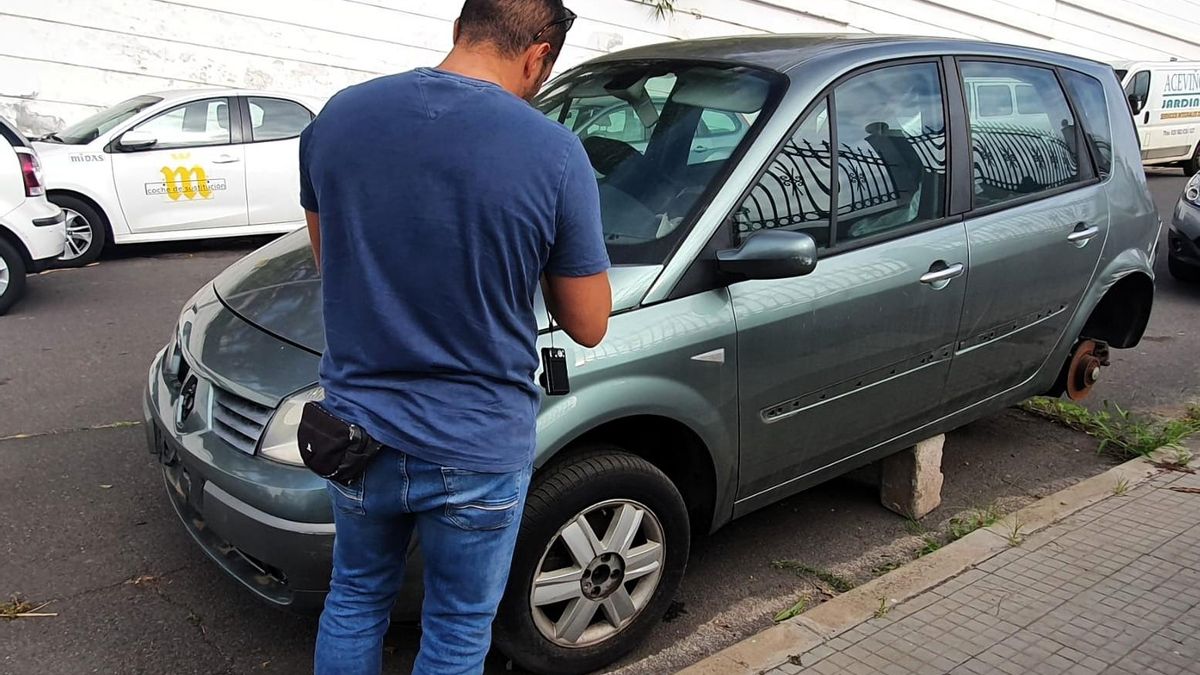
Vehicles abandoned on streets, vacant plots and natural spaces in the Canary Islands are no longer isolated cases. The Canary Association of Authorised Vehicle Treatment Centres (ACAVI) has warned that they have become a recurring problem across the whole archipelago, and that in some municipalities the case files number in the hundreds. Only a small proportion of the cars, however, end up being removed. A case in point: of the 304 files opened in the first half of 2026 in Santa Cruz de Tenerife, just 13 vehicles were removed, ACAVI has reported in a statement.
Municipalities affected by prolonged cases and neighbour complaints
Santa Cruz de Tenerife, Arona, Candelaria, Las Palmas de Gran Canaria, San Bartolomé de Tirajana, Valsequillo and Santa Brígida are some of the municipalities where prolonged case files, difficulties in removing vehicles and complaints from residents have come to light, according to ACAVI. The cases share a pattern: vehicles that remain for months occupying parking spaces and deteriorating in full view of local residents.
The association acknowledges that procedures must safeguard owners’ rights and respect legal deadlines, but it considers it necessary to identify what is prolonging the actions and to avoid unnecessary delays.
Environmental risk on fragile island territory
An abandoned car can leak oils, fuels, brake fluids, coolants, and acid and lead from its batteries. In an island territory with little available land and fragile ecosystems, preventing these situations is especially important, ACAVI warns.
Once an abandoned vehicle acquires the status of waste, regulations require it to be handed over to an authorised facility, and it falls to the competent authorities to order its removal and transfer. Authorised Treatment Centres (CATs) are responsible for decontaminating it, recovering reusable parts, managing materials destined for recycling and processing its definitive deregistration.
Calls for coordination between councils and the regional government
“Behind every abandoned car there may be an environmental problem that we must prevent. At the CATs we are ready to receive and treat vehicles at the end of their useful life; what we need are agile procedures and clear channels that allow their correct handover,” says Francisco Rodríguez, president of ACAVI.
ACAVI proposes establishing coordination mechanisms between town halls, island councils and the Government of the Canary Islands to speed up removals and set stable agreements guaranteeing the handover of vehicles to the CATs. It also calls for campaigns so that owners know the legal routes for handing over their cars when they stop using them, and offers the authorities the technical expertise of its centres.
“It is not a problem of one neighbourhood or one specific municipality. It is a problem that affects the whole archipelago and needs a common response. At ACAVI we want to collaborate with the authorities to find effective solutions, respecting legal procedures and guaranteeing the protection of our territory,” Rodríguez concludes.
What’s happening in the Canaries – straight to your phone
News, weather alerts and practical updates – direct from the islands, in English. We live here and know what’s going on – before the international media catch up. Everything lands on our WhatsApp channel – no middlemen, no algorithm. Curated for families, expats and travelers.

Work resumes on 27 affordable rental homes in Las Palmas

Los Realejos residents fight on against propane gas plant

Canarias among Spain’s poorest regions as 36.2% live on low incomes

Canary Islands bananas lose ground to imported bananas

Canary Islands bottom of Spain’s social housing table

Three migrant boats reach Canary Islands in 24 hours

Canarias proposes 10-year residency rule to buy property

Gran Canaria hotel maid arrested over stolen gold necklace

Canary Islands plan 10-year residency rule to buy a home