Compiled with the help of artificial intelligence, based on Spanish-language information. Source below the article.
Summer renovation boom exposes industry crisis
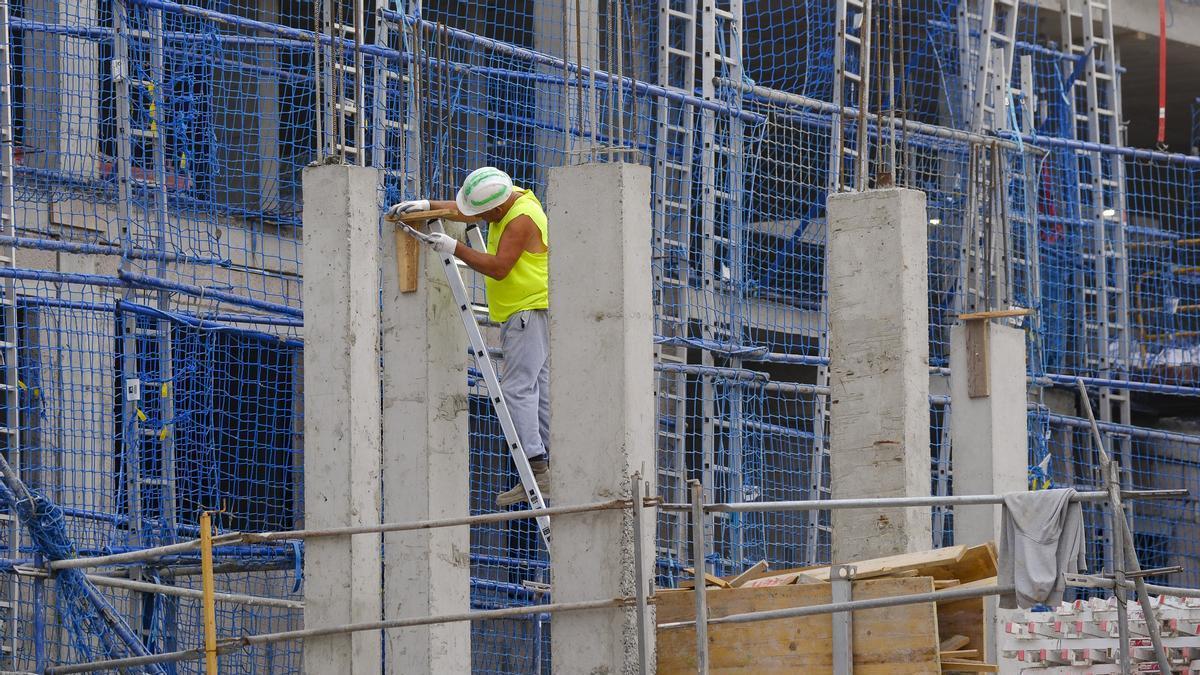
Summer has always seemed the natural time of year for home improvements. Whether it is extending the living room or replacing a bathroom in a private residence, or the public sector carrying out works in schools during the holidays, it is a season when renovation and construction companies never lack work. Despite the high demand, however, the sector is unable to keep up due to a shortage of labour, with business owners citing a lack of interest from young people in joining the industry.
In light of this outlook, the regional Education Department is betting on boosting vocational training in what are commonly known as the manual trades.
‘They’d rather live off social media’
Salomón Zambrano is the CEO of Cimbra ZG Construcciones, a renovation and installations firm based in Vecindario, Gran Canaria. In his company’s experience, young people today no longer want to work in the sector because they prefer “to make a living from other things, like social media”. Over the 27 years Zambrano has run his business, he has noticed an exponential shift in the interests of the younger generation: “At the beginning, there was a surplus of labour. Now you can’t find anyone, because young people just aren’t interested,” he says.
One of the causes Zambrano points to is the breakdown of the family legacy. In times gone by, children would follow in their father’s footsteps. If he was a plumber, for example, it was common for him to teach the trade to his son and plant the seed of vocation in him. “That has been lost. It makes me very sad: they have no interest in managing or learning. I knew the generation that did do it, and I can count on one hand the cases where their children have carried on the trade,” he says.
Among the solutions he proposes is giving businesses tax breaks to make it easier for them to hire people under 30 or to sign training contracts. “The Government should invest in SMEs with subsidies for taking on young staff without experience, or exempting them from social security payments for, say, a year. I think they often throw money away on trivial things, and unless they come up with a strategy to incentivise the sector, in five years there won’t be anyone left here,” the businessman concludes.
High employment rates, empty classrooms
The regional government is well aware of the labour shortage in this sector. One of the strategies being pursued by the Education Department is therefore to encourage vocational training cycles geared towards industry and related trades. The Deputy Minister for Vocational Training and Professional Qualifications, Francisco Rodríguez, attributes the younger generation’s lack of interest in these occupations to a preference for sectors “more related to technology than manual work”.
As a result, these are trades where the need for workers is enormous. Rodríguez notes that in professions such as electrical work, plumbing or woodworking, employment prospects are extremely high – yet that is not translating into young people choosing to pursue these courses. “There are still many unfilled places, and it would be wonderful if students opted for these cycles, because then we could supply companies with the labour they so desperately need.”
These training cycles boast an extremely high rate of job placement, with an average of around 75% of graduates finding employment as soon as they finish their studies, according to Rodríguez. “In professional families such as mechanical engineering or plumbing, we’re talking about 100%. In the electrical field, for example, it’s around 80%. These are very high rates, and the pay is good too,” the deputy minister states.
Tax incentives and a plan for the future
As for fiscal benefits, under the intensive Dual Vocational Training programme, companies that collaborate with vocational training centres can take on students for work placements in their first year at no cost, “so they can get to know them and spot the profiles that interest them”, before hiring them in the second year. These contracts come with tax exemptions which, in the deputy minister’s words, can amount to “up to five years of benefits for the company”.
Rodríguez also links the lack of interest, among other factors, to the breakdown in the family legacy. “I think all the industrial trades used to have much more pull because it was something passed down from generation to generation. With that circumstance missing, everyone focuses on the technological sphere and forgets the manual side,” he explains.
To reverse this trend, Rodríguez says the Department is working with the Directorate General for Industry to raise awareness of these sectors and, above all, their huge employment potential. To that end, the Canary Islands government is pursuing a strategy that involves bringing training cycles for these sectors to every municipality; keeping them running even when student numbers are low; and taking the educational offering to the non-capital islands so that interested students do not face obstacles such as travel or finding accommodation.
One thing is certain: the only way to combat the labour shortage in the long term is to capture the attention and interest of the younger generation.
What’s happening in the Canaries – straight to your phone
News, weather alerts and practical updates – direct from the islands, in English. We live here and know what’s going on – before the international media catch up. Everything lands on our WhatsApp channel – no middlemen, no algorithm. Curated for families, expats and travelers.

Canary Islands approves new €1.6bn development fund

Mogán mayor says her €65,000 salary is too low

Abandoned cars in Canary Islands: hundreds left to rot

Work resumes on 27 affordable rental homes in Las Palmas

Los Realejos residents fight on against propane gas plant

Canarias among Spain’s poorest regions as 36.2% live on low incomes

Canary Islands bananas lose ground to imported bananas

Canary Islands bottom of Spain’s social housing table

Three migrant boats reach Canary Islands in 24 hours