Compiled with the help of artificial intelligence, based on Spanish-language information. Source below the article.
Tiger mosquito detected in south of Gran Canaria
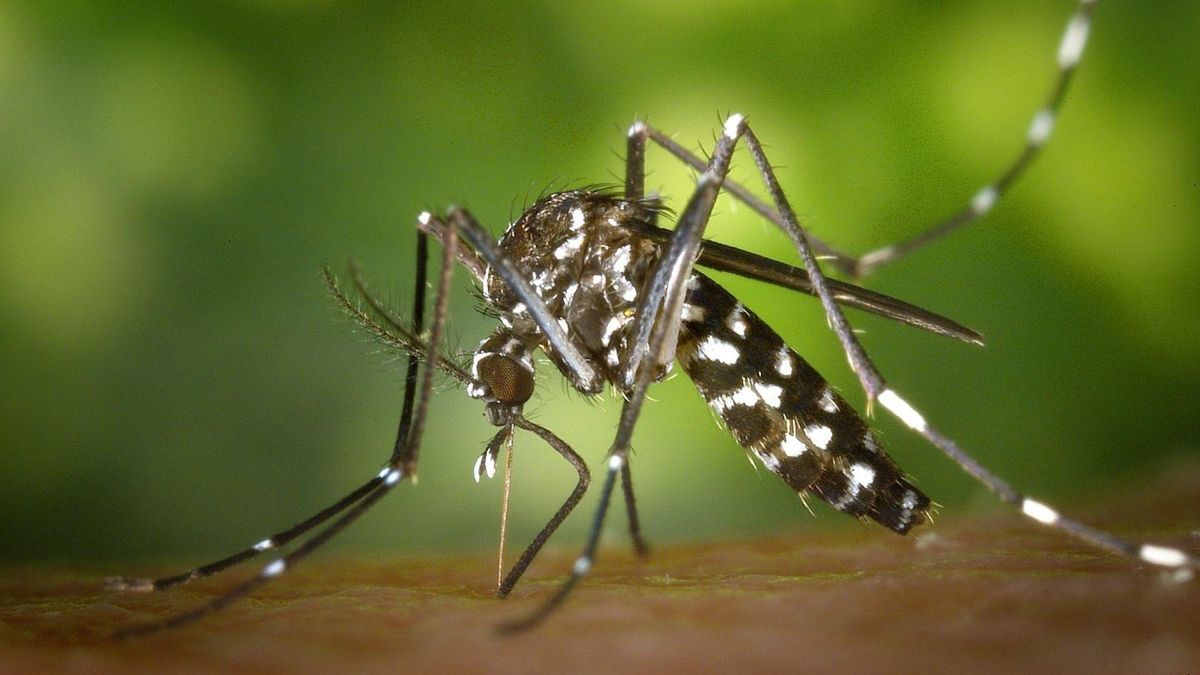
The Directorate-General for Public Health of the Government of the Canary Islands has detected the presence of adult tiger mosquitoes (Aedes albopictus) in the Motor Grande area, in the south of Gran Canaria. The news comes just days after the presence of this type of mosquito was also confirmed on the island of La Gomera.
Initial alert and inspection in Mogán
According to the Ministry of Health, a warning had been received in that area of the municipality of Mogán from a member of the public reporting an increase in mosquito bites during daylight hours, particularly in an area close to a wastewater treatment plant. During the first inspection carried out by staff from the University Institute of Tropical Diseases and Public Health of the University of La Laguna, no specimens were found. However, following established protocol, traps for this type of insect were installed.
Species confirmed through photographs
Thanks to a subsequent notification, which included photographs of the mosquito specimens, it was confirmed that they belong to the Aedes albopictus species. Following this finding, the Canary Islands Entomological Surveillance System has been activated, within which various types of traps have already been placed and inspection and public information efforts have been reinforced in this area of Mogán to alert residents to the presence of these insects.
Likely accidental introduction
As detailed by the Ministry of Health, the evidence available so far indicates that this appears to be an accidental and isolated introduction of the vector through material capable of containing tiger mosquito eggs.
What you need to know about the tiger mosquito
Aedes albopictus is a black mosquito with stripes, smaller than those usually found in the islands, which appears more in urban environments and has adapted to breed in small water pools generated by humans. It is a vector for the transmission of viral diseases in other geographical areas where those conditions are endemic, which is not the case in the Canary Islands. The tiger mosquito tends to bite during the day, especially at dawn and dusk, and its bite causes a strong inflammatory reaction accompanied by intense itching.
What’s happening in the Canaries – straight to your phone
News, weather alerts and practical updates – direct from the islands, in English. We live here and know what’s going on – before the international media catch up. Everything lands on our WhatsApp channel – no middlemen, no algorithm. Curated for families, expats and travelers.

New Canary Islands foundation takes on climate change

Playa Jardín in Puerto de la Cruz closed over faecal bacteria

Invasive mosquito species detected in Gran Canaria

New planet born from dead star discovered
European Solar Telescope in La Palma wins major EU status
Telde fish kill: science points to emisario 222
Magnitude 3.2 earthquake shakes southwest Fuerteventura
Quantum telescope network planned for La Palma

Third closure of Playa Jardín beach in Tenerife