
Compiled with the help of artificial intelligence, based on Spanish-language information. Source below the article.
First case of West Nile virus confirmed in the Canary Islands
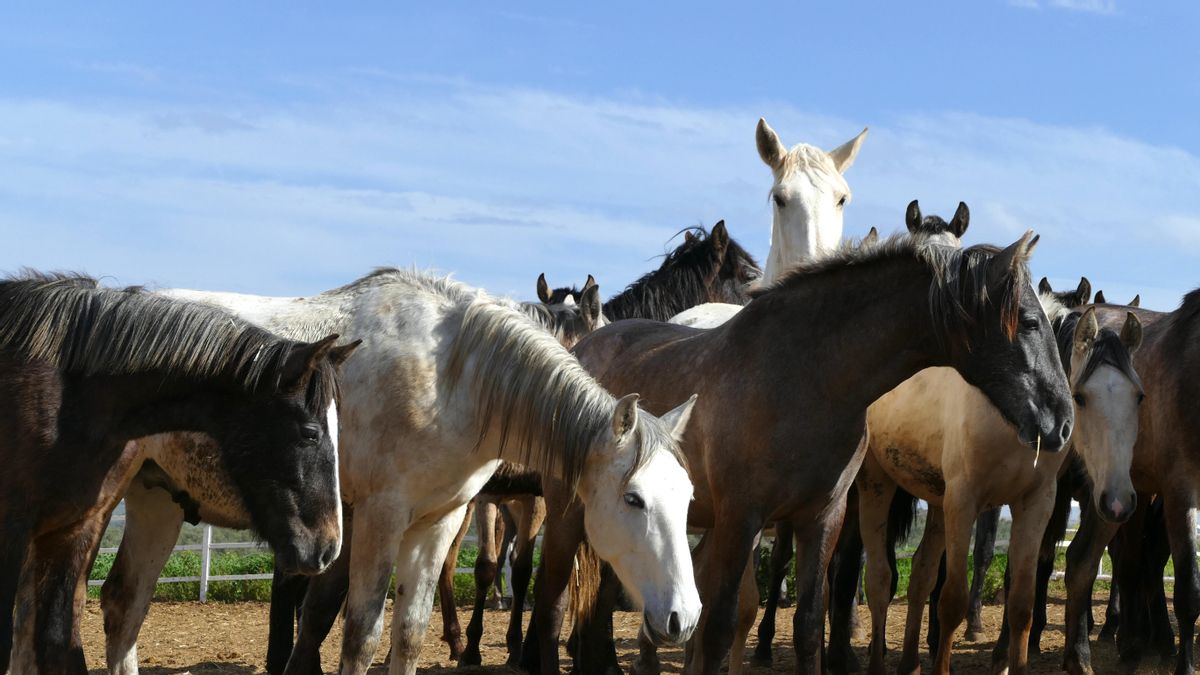
The Canary Islands Government has detected West Nile virus in the archipelago for the first time. Three horses from the same facility in the south of Gran Canaria have tested positive for the disease. The finding, confirmed by the Central Veterinary Laboratory in Algete, was made as part of the national surveillance programme for this illness. No human cases have been diagnosed so far.
How the infection was discovered
The first positive case came to light after the veterinarian responsible for the facility alerted the regional government that one of the animals was showing symptoms consistent with the infection. A subsequent investigation identified two more horses carrying the virus, although these remained asymptomatic. The discovery has triggered the surveillance protocols established for both animals and people.
Health authorities step up monitoring
The Directorate General for Livestock has passed the information on to the Ministry of Agriculture and to Public Health authorities, who have reinforced mosquito surveillance and epidemiological follow-up in the area. Specifically, clinical monitoring has been intensified in the Maspalomas Basic Health Zone, with particular attention being paid to anyone presenting symptoms compatible with West Nile fever who has recently resided in or stayed in the affected area.
Also involved in the response are the Institute of Tropical Diseases at the University of La Laguna and the regional government’s veterinary and public health services.
What is West Nile fever?
West Nile fever is a viral infection transmitted mainly through the bite of mosquitoes from the Culex genus. Birds act as the principal reservoirs of the virus, while horses and humans can become infected but do not pass the disease on through contact with one another, nor do they act as a source of infection for mosquitoes.
Most infections go unnoticed. When symptoms do appear, they may include fever, headache and general malaise. Only a small proportion of those infected develop severe neurological complications.
Wider context and next steps
The finding in Gran Canaria comes in a year in which the national surveillance programme has also detected circulation of the virus in Andalusia, Catalonia and Extremadura. The detection in the Canary Islands therefore represents the first confirmed evidence of the virus circulating in animals in the archipelago.
Authorities are maintaining active surveillance to determine whether this is a localised episode or whether the virus is circulating among mosquitoes and birds in the area. For now, the three affected horses constitute the confirmed cases, and no associated human infections have been reported.
What’s happening in the Canaries – straight to your phone
News, weather alerts and practical updates – direct from the islands, in English. We live here and know what’s going on – before the international media catch up. Everything lands on our WhatsApp channel – no middlemen, no algorithm. Curated for families, expats and travelers.

Canary Islands sea hits second-hottest year on record

Legal bid to halt tree felling in Santa Cruz’s La Salud

Fiesta del Charco: A journey through La Aldea’s past

Corralejo dunes power line set for removal

ULPGC launches 14 research projects at Las Canteras

TMT will never be built, says Canary Islands astrophysics chief

Pedro Duque: Canarias is the “ultimate dream” for rockets

Court blow to Tenerife motor circuit project
La Palma faces new volcanic risk planning deadline
