
In that same work, Morales gathers other testimonies from ethnohistorical sources. For example, broad beans were consumed green and tender, but also, wrote Father Sosa, they were consumed after “toasting them and placing them in a kind of brine.” The seeds of broad beans, lentils and peas, the archaeobotanist tells this newspaper, “are very scarce at the sites, which may be related to their consumption raw or in broths, leaving few possibilities for them to be fossilised through charring.”
Beyond food, there were also drinks in the diet of the first Canarians, besides water and milk. They made a sweet drink with healing properties called chacerquem, notes Professor Carmina del Arco in her research Recursos vegetales en la prehistoria de Canarias. Jacob Morales, citing Núñez de la Peña, recounts that once the fruits of the mocán were ripe, “they were left to dry in the sun for three or four days, then crushed and boiled in water.” After straining the fruits, the resulting liquid had a texture similar to honey. This is proof that the Amazigh people of the Canary Islands knew the technique of fermentation.

Canary Islands sea hits second-hottest year on record

Legal bid to halt tree felling in Santa Cruz’s La Salud

Fiesta del Charco: A journey through La Aldea’s past

Corralejo dunes power line set for removal

ULPGC launches 14 research projects at Las Canteras

TMT will never be built, says Canary Islands astrophysics chief

Pedro Duque: Canarias is the “ultimate dream” for rockets

Court blow to Tenerife motor circuit project
La Palma faces new volcanic risk planning deadline

Fuerteventura launches campaign to rescue young shearwaters
The production of milk was the main objective of goat and sheep farming. Did they make dairy products? In his article published in the book Identidad y Gastronomía en Canarias (edited in 2024 by the Canarian Institute of Cultural Development), Jacob Morales states that “livestock butter or clarified butter was the main dairy product.” Did they make cheese? There are no references in the chronicles on this matter, nor any archaeological evidence indicating its production before the 15th century. On Gran Canaria there are some containers with perforations at the base that have been associated with this activity, although, Dr Morales clarifies, “they have been documented in periods of contact with the European population and probably represent an innovation associated with the new people settling in the islands.”
In that same work, Morales gathers other testimonies from ethnohistorical sources. For example, broad beans were consumed green and tender, but also, wrote Father Sosa, they were consumed after “toasting them and placing them in a kind of brine.” The seeds of broad beans, lentils and peas, the archaeobotanist tells this newspaper, “are very scarce at the sites, which may be related to their consumption raw or in broths, leaving few possibilities for them to be fossilised through charring.”
Beyond food, there were also drinks in the diet of the first Canarians, besides water and milk. They made a sweet drink with healing properties called chacerquem, notes Professor Carmina del Arco in her research Recursos vegetales en la prehistoria de Canarias. Jacob Morales, citing Núñez de la Peña, recounts that once the fruits of the mocán were ripe, “they were left to dry in the sun for three or four days, then crushed and boiled in water.” After straining the fruits, the resulting liquid had a texture similar to honey. This is proof that the Amazigh people of the Canary Islands knew the technique of fermentation.
According to the chronicles, “the Guanches did not make bread and consumed whole wheat grains in broths,” notes Morales. This was probably because, adds the archaeobotanist, “they only cultivated durum wheat, which is not suitable for making bread.” In times of food crisis due to droughts or other causes, at least on La Palma, La Gomera and El Hierro, a kind of gofio was made from fern rhizomes or roots. “On Tenerife,” Morales tells this newspaper, “there are archaeological remains of fern rhizomes, but on Gran Canaria they have not been identified, although they were consumed on that island until the mid-20th century.”
“Gofio is an indigenous word, recorded in 15th-century texts, which defines the process of toasting grains and their transformation into the flour we call gofio today,” explains María del Carmen Cruz de Mercadal, curator of El Museo Canario. Professor and philologist Maximiano Trapero believes it originated on Lanzarote and Fuerteventura and later spread to other islands. The chronicler Abreu Galindo states that on Tenerife this way of processing cereals was called ahoren.
Dairy, legumes and fermented drinks
The production of milk was the main objective of goat and sheep farming. Did they make dairy products? In his article published in the book Identidad y Gastronomía en Canarias (edited in 2024 by the Canarian Institute of Cultural Development), Jacob Morales states that “livestock butter or clarified butter was the main dairy product.” Did they make cheese? There are no references in the chronicles on this matter, nor any archaeological evidence indicating its production before the 15th century. On Gran Canaria there are some containers with perforations at the base that have been associated with this activity, although, Dr Morales clarifies, “they have been documented in periods of contact with the European population and probably represent an innovation associated with the new people settling in the islands.”
In that same work, Morales gathers other testimonies from ethnohistorical sources. For example, broad beans were consumed green and tender, but also, wrote Father Sosa, they were consumed after “toasting them and placing them in a kind of brine.” The seeds of broad beans, lentils and peas, the archaeobotanist tells this newspaper, “are very scarce at the sites, which may be related to their consumption raw or in broths, leaving few possibilities for them to be fossilised through charring.”
Beyond food, there were also drinks in the diet of the first Canarians, besides water and milk. They made a sweet drink with healing properties called chacerquem, notes Professor Carmina del Arco in her research Recursos vegetales en la prehistoria de Canarias. Jacob Morales, citing Núñez de la Peña, recounts that once the fruits of the mocán were ripe, “they were left to dry in the sun for three or four days, then crushed and boiled in water.” After straining the fruits, the resulting liquid had a texture similar to honey. This is proof that the Amazigh people of the Canary Islands knew the technique of fermentation.
Archaeobotanist Jacob Morales devotes a section of his work Los orígenes de la gastronomía canaria: ingredientes y usos culinarios durante la etapa amazige to indigenous cooking techniques and dishes. Common sense, given that Canarians have never stopped consuming gofio, leads us to the technique of toasting barley and wheat grains to make gofio; both the chronicles and archaeology confirm this technique for producing that ochre-toned flour. Once the grains were toasted, describes Morales, “they were ground and then mixed with milk, livestock butter, or simply water and salt.” The presence at sites on all islands of hand mills, as well as ceramic fragments with combustion marks alongside charred seeds, “confirms a common technique for processing this food” — a flour that keeps for a long time.
According to the chronicles, “the Guanches did not make bread and consumed whole wheat grains in broths,” notes Morales. This was probably because, adds the archaeobotanist, “they only cultivated durum wheat, which is not suitable for making bread.” In times of food crisis due to droughts or other causes, at least on La Palma, La Gomera and El Hierro, a kind of gofio was made from fern rhizomes or roots. “On Tenerife,” Morales tells this newspaper, “there are archaeological remains of fern rhizomes, but on Gran Canaria they have not been identified, although they were consumed on that island until the mid-20th century.”
“Gofio is an indigenous word, recorded in 15th-century texts, which defines the process of toasting grains and their transformation into the flour we call gofio today,” explains María del Carmen Cruz de Mercadal, curator of El Museo Canario. Professor and philologist Maximiano Trapero believes it originated on Lanzarote and Fuerteventura and later spread to other islands. The chronicler Abreu Galindo states that on Tenerife this way of processing cereals was called ahoren.
Dairy, legumes and fermented drinks
The production of milk was the main objective of goat and sheep farming. Did they make dairy products? In his article published in the book Identidad y Gastronomía en Canarias (edited in 2024 by the Canarian Institute of Cultural Development), Jacob Morales states that “livestock butter or clarified butter was the main dairy product.” Did they make cheese? There are no references in the chronicles on this matter, nor any archaeological evidence indicating its production before the 15th century. On Gran Canaria there are some containers with perforations at the base that have been associated with this activity, although, Dr Morales clarifies, “they have been documented in periods of contact with the European population and probably represent an innovation associated with the new people settling in the islands.”
In that same work, Morales gathers other testimonies from ethnohistorical sources. For example, broad beans were consumed green and tender, but also, wrote Father Sosa, they were consumed after “toasting them and placing them in a kind of brine.” The seeds of broad beans, lentils and peas, the archaeobotanist tells this newspaper, “are very scarce at the sites, which may be related to their consumption raw or in broths, leaving few possibilities for them to be fossilised through charring.”
Beyond food, there were also drinks in the diet of the first Canarians, besides water and milk. They made a sweet drink with healing properties called chacerquem, notes Professor Carmina del Arco in her research Recursos vegetales en la prehistoria de Canarias. Jacob Morales, citing Núñez de la Peña, recounts that once the fruits of the mocán were ripe, “they were left to dry in the sun for three or four days, then crushed and boiled in water.” After straining the fruits, the resulting liquid had a texture similar to honey. This is proof that the Amazigh people of the Canary Islands knew the technique of fermentation.
Archaeobotanist Jacob Morales devotes a section of his work Los orígenes de la gastronomía canaria: ingredientes y usos culinarios durante la etapa amazige to indigenous cooking techniques and dishes. Common sense, given that Canarians have never stopped consuming gofio, leads us to the technique of toasting barley and wheat grains to make gofio; both the chronicles and archaeology confirm this technique for producing that ochre-toned flour. Once the grains were toasted, describes Morales, “they were ground and then mixed with milk, livestock butter, or simply water and salt.” The presence at sites on all islands of hand mills, as well as ceramic fragments with combustion marks alongside charred seeds, “confirms a common technique for processing this food” — a flour that keeps for a long time.
According to the chronicles, “the Guanches did not make bread and consumed whole wheat grains in broths,” notes Morales. This was probably because, adds the archaeobotanist, “they only cultivated durum wheat, which is not suitable for making bread.” In times of food crisis due to droughts or other causes, at least on La Palma, La Gomera and El Hierro, a kind of gofio was made from fern rhizomes or roots. “On Tenerife,” Morales tells this newspaper, “there are archaeological remains of fern rhizomes, but on Gran Canaria they have not been identified, although they were consumed on that island until the mid-20th century.”
“Gofio is an indigenous word, recorded in 15th-century texts, which defines the process of toasting grains and their transformation into the flour we call gofio today,” explains María del Carmen Cruz de Mercadal, curator of El Museo Canario. Professor and philologist Maximiano Trapero believes it originated on Lanzarote and Fuerteventura and later spread to other islands. The chronicler Abreu Galindo states that on Tenerife this way of processing cereals was called ahoren.
Dairy, legumes and fermented drinks
The production of milk was the main objective of goat and sheep farming. Did they make dairy products? In his article published in the book Identidad y Gastronomía en Canarias (edited in 2024 by the Canarian Institute of Cultural Development), Jacob Morales states that “livestock butter or clarified butter was the main dairy product.” Did they make cheese? There are no references in the chronicles on this matter, nor any archaeological evidence indicating its production before the 15th century. On Gran Canaria there are some containers with perforations at the base that have been associated with this activity, although, Dr Morales clarifies, “they have been documented in periods of contact with the European population and probably represent an innovation associated with the new people settling in the islands.”
In that same work, Morales gathers other testimonies from ethnohistorical sources. For example, broad beans were consumed green and tender, but also, wrote Father Sosa, they were consumed after “toasting them and placing them in a kind of brine.” The seeds of broad beans, lentils and peas, the archaeobotanist tells this newspaper, “are very scarce at the sites, which may be related to their consumption raw or in broths, leaving few possibilities for them to be fossilised through charring.”
Beyond food, there were also drinks in the diet of the first Canarians, besides water and milk. They made a sweet drink with healing properties called chacerquem, notes Professor Carmina del Arco in her research Recursos vegetales en la prehistoria de Canarias. Jacob Morales, citing Núñez de la Peña, recounts that once the fruits of the mocán were ripe, “they were left to dry in the sun for three or four days, then crushed and boiled in water.” After straining the fruits, the resulting liquid had a texture similar to honey. This is proof that the Amazigh people of the Canary Islands knew the technique of fermentation.
What instrument did they use to cut and butcher animals? Dr Amelia Rodríguez is an expert in lithic industry, among other aspects of archaeology. “Phonolite and obsidian were the rocks they used most,” explains the ULPGC professor on the website Arqueología del Gusto. “The flat fractures of phonolites give them a cutting edge. The problem with this mineral is that it wears down easily with use; that is why there are many phonolite flakes at the sites. The edge of obsidian, on the other hand, lasts longer despite being a fragile rock, which is why they preferred it.” However, to dismember an animal, continues Dr Rodríguez, “they did not use obsidian because it would break, being as fragile as glass; they used something more powerful and resistant: phonolite.”
Just as fish was dried, meat was also dried. Le Canarien — the French chronicles of the Conquest of the Canaries — relates this as the most common way of eating meat on Fuerteventura. They cut it into strips and hung it up to dry.
Gofio: the foundation of the Canarian diet
Archaeobotanist Jacob Morales devotes a section of his work Los orígenes de la gastronomía canaria: ingredientes y usos culinarios durante la etapa amazige to indigenous cooking techniques and dishes. Common sense, given that Canarians have never stopped consuming gofio, leads us to the technique of toasting barley and wheat grains to make gofio; both the chronicles and archaeology confirm this technique for producing that ochre-toned flour. Once the grains were toasted, describes Morales, “they were ground and then mixed with milk, livestock butter, or simply water and salt.” The presence at sites on all islands of hand mills, as well as ceramic fragments with combustion marks alongside charred seeds, “confirms a common technique for processing this food” — a flour that keeps for a long time.
According to the chronicles, “the Guanches did not make bread and consumed whole wheat grains in broths,” notes Morales. This was probably because, adds the archaeobotanist, “they only cultivated durum wheat, which is not suitable for making bread.” In times of food crisis due to droughts or other causes, at least on La Palma, La Gomera and El Hierro, a kind of gofio was made from fern rhizomes or roots. “On Tenerife,” Morales tells this newspaper, “there are archaeological remains of fern rhizomes, but on Gran Canaria they have not been identified, although they were consumed on that island until the mid-20th century.”
“Gofio is an indigenous word, recorded in 15th-century texts, which defines the process of toasting grains and their transformation into the flour we call gofio today,” explains María del Carmen Cruz de Mercadal, curator of El Museo Canario. Professor and philologist Maximiano Trapero believes it originated on Lanzarote and Fuerteventura and later spread to other islands. The chronicler Abreu Galindo states that on Tenerife this way of processing cereals was called ahoren.
Dairy, legumes and fermented drinks
The production of milk was the main objective of goat and sheep farming. Did they make dairy products? In his article published in the book Identidad y Gastronomía en Canarias (edited in 2024 by the Canarian Institute of Cultural Development), Jacob Morales states that “livestock butter or clarified butter was the main dairy product.” Did they make cheese? There are no references in the chronicles on this matter, nor any archaeological evidence indicating its production before the 15th century. On Gran Canaria there are some containers with perforations at the base that have been associated with this activity, although, Dr Morales clarifies, “they have been documented in periods of contact with the European population and probably represent an innovation associated with the new people settling in the islands.”
In that same work, Morales gathers other testimonies from ethnohistorical sources. For example, broad beans were consumed green and tender, but also, wrote Father Sosa, they were consumed after “toasting them and placing them in a kind of brine.” The seeds of broad beans, lentils and peas, the archaeobotanist tells this newspaper, “are very scarce at the sites, which may be related to their consumption raw or in broths, leaving few possibilities for them to be fossilised through charring.”
Beyond food, there were also drinks in the diet of the first Canarians, besides water and milk. They made a sweet drink with healing properties called chacerquem, notes Professor Carmina del Arco in her research Recursos vegetales en la prehistoria de Canarias. Jacob Morales, citing Núñez de la Peña, recounts that once the fruits of the mocán were ripe, “they were left to dry in the sun for three or four days, then crushed and boiled in water.” After straining the fruits, the resulting liquid had a texture similar to honey. This is proof that the Amazigh people of the Canary Islands knew the technique of fermentation.
What instrument did they use to cut and butcher animals? Dr Amelia Rodríguez is an expert in lithic industry, among other aspects of archaeology. “Phonolite and obsidian were the rocks they used most,” explains the ULPGC professor on the website Arqueología del Gusto. “The flat fractures of phonolites give them a cutting edge. The problem with this mineral is that it wears down easily with use; that is why there are many phonolite flakes at the sites. The edge of obsidian, on the other hand, lasts longer despite being a fragile rock, which is why they preferred it.” However, to dismember an animal, continues Dr Rodríguez, “they did not use obsidian because it would break, being as fragile as glass; they used something more powerful and resistant: phonolite.”
Just as fish was dried, meat was also dried. Le Canarien — the French chronicles of the Conquest of the Canaries — relates this as the most common way of eating meat on Fuerteventura. They cut it into strips and hung it up to dry.
Gofio: the foundation of the Canarian diet
Archaeobotanist Jacob Morales devotes a section of his work Los orígenes de la gastronomía canaria: ingredientes y usos culinarios durante la etapa amazige to indigenous cooking techniques and dishes. Common sense, given that Canarians have never stopped consuming gofio, leads us to the technique of toasting barley and wheat grains to make gofio; both the chronicles and archaeology confirm this technique for producing that ochre-toned flour. Once the grains were toasted, describes Morales, “they were ground and then mixed with milk, livestock butter, or simply water and salt.” The presence at sites on all islands of hand mills, as well as ceramic fragments with combustion marks alongside charred seeds, “confirms a common technique for processing this food” — a flour that keeps for a long time.
According to the chronicles, “the Guanches did not make bread and consumed whole wheat grains in broths,” notes Morales. This was probably because, adds the archaeobotanist, “they only cultivated durum wheat, which is not suitable for making bread.” In times of food crisis due to droughts or other causes, at least on La Palma, La Gomera and El Hierro, a kind of gofio was made from fern rhizomes or roots. “On Tenerife,” Morales tells this newspaper, “there are archaeological remains of fern rhizomes, but on Gran Canaria they have not been identified, although they were consumed on that island until the mid-20th century.”
“Gofio is an indigenous word, recorded in 15th-century texts, which defines the process of toasting grains and their transformation into the flour we call gofio today,” explains María del Carmen Cruz de Mercadal, curator of El Museo Canario. Professor and philologist Maximiano Trapero believes it originated on Lanzarote and Fuerteventura and later spread to other islands. The chronicler Abreu Galindo states that on Tenerife this way of processing cereals was called ahoren.
Dairy, legumes and fermented drinks
The production of milk was the main objective of goat and sheep farming. Did they make dairy products? In his article published in the book Identidad y Gastronomía en Canarias (edited in 2024 by the Canarian Institute of Cultural Development), Jacob Morales states that “livestock butter or clarified butter was the main dairy product.” Did they make cheese? There are no references in the chronicles on this matter, nor any archaeological evidence indicating its production before the 15th century. On Gran Canaria there are some containers with perforations at the base that have been associated with this activity, although, Dr Morales clarifies, “they have been documented in periods of contact with the European population and probably represent an innovation associated with the new people settling in the islands.”
In that same work, Morales gathers other testimonies from ethnohistorical sources. For example, broad beans were consumed green and tender, but also, wrote Father Sosa, they were consumed after “toasting them and placing them in a kind of brine.” The seeds of broad beans, lentils and peas, the archaeobotanist tells this newspaper, “are very scarce at the sites, which may be related to their consumption raw or in broths, leaving few possibilities for them to be fossilised through charring.”
Beyond food, there were also drinks in the diet of the first Canarians, besides water and milk. They made a sweet drink with healing properties called chacerquem, notes Professor Carmina del Arco in her research Recursos vegetales en la prehistoria de Canarias. Jacob Morales, citing Núñez de la Peña, recounts that once the fruits of the mocán were ripe, “they were left to dry in the sun for three or four days, then crushed and boiled in water.” After straining the fruits, the resulting liquid had a texture similar to honey. This is proof that the Amazigh people of the Canary Islands knew the technique of fermentation.
Staying on La Palma, the chronicler Fructuoso wrote: “All are breeders of goats and sheep; they eat gofio made from wheat and barley, kneaded with oil. The meat is so roasted that it is almost burnt; and the boiled meat is undercooked.” This technique allowed access to the marrow inside the bones, according to Dr Jorge Pais, director of the Museo Benahoarita. On these thermal alterations, Pais adds: “Boiled bones show a yellowish colouration and the presence of concretions associated with the secretion of fats.”
The Crónicas Matritense, as recalled by historian Francisco Morales Padrón (Santa Brígida, 1924 — Seville, 2010), mentions tamorano, a dish of roasted and parboiled meat in a casserole, while Marín de Cubas, in the 17th century, described a dish of minced meat, first boiled in water and then fried with suet, called mairona. Abreu states for Fuerteventura: “Barley flour, toasted and ground, which they call gofio, and with cooked and roasted goat meat, with milk and butter.” These treatments have been verified on bone remains at sites, zooarchaeologist Verónica Alberto informs Canarias Ahora-elDiario.es.
Stone tools: what they used to cut and butcher
What instrument did they use to cut and butcher animals? Dr Amelia Rodríguez is an expert in lithic industry, among other aspects of archaeology. “Phonolite and obsidian were the rocks they used most,” explains the ULPGC professor on the website Arqueología del Gusto. “The flat fractures of phonolites give them a cutting edge. The problem with this mineral is that it wears down easily with use; that is why there are many phonolite flakes at the sites. The edge of obsidian, on the other hand, lasts longer despite being a fragile rock, which is why they preferred it.” However, to dismember an animal, continues Dr Rodríguez, “they did not use obsidian because it would break, being as fragile as glass; they used something more powerful and resistant: phonolite.”
Just as fish was dried, meat was also dried. Le Canarien — the French chronicles of the Conquest of the Canaries — relates this as the most common way of eating meat on Fuerteventura. They cut it into strips and hung it up to dry.
Gofio: the foundation of the Canarian diet
Archaeobotanist Jacob Morales devotes a section of his work Los orígenes de la gastronomía canaria: ingredientes y usos culinarios durante la etapa amazige to indigenous cooking techniques and dishes. Common sense, given that Canarians have never stopped consuming gofio, leads us to the technique of toasting barley and wheat grains to make gofio; both the chronicles and archaeology confirm this technique for producing that ochre-toned flour. Once the grains were toasted, describes Morales, “they were ground and then mixed with milk, livestock butter, or simply water and salt.” The presence at sites on all islands of hand mills, as well as ceramic fragments with combustion marks alongside charred seeds, “confirms a common technique for processing this food” — a flour that keeps for a long time.
According to the chronicles, “the Guanches did not make bread and consumed whole wheat grains in broths,” notes Morales. This was probably because, adds the archaeobotanist, “they only cultivated durum wheat, which is not suitable for making bread.” In times of food crisis due to droughts or other causes, at least on La Palma, La Gomera and El Hierro, a kind of gofio was made from fern rhizomes or roots. “On Tenerife,” Morales tells this newspaper, “there are archaeological remains of fern rhizomes, but on Gran Canaria they have not been identified, although they were consumed on that island until the mid-20th century.”
“Gofio is an indigenous word, recorded in 15th-century texts, which defines the process of toasting grains and their transformation into the flour we call gofio today,” explains María del Carmen Cruz de Mercadal, curator of El Museo Canario. Professor and philologist Maximiano Trapero believes it originated on Lanzarote and Fuerteventura and later spread to other islands. The chronicler Abreu Galindo states that on Tenerife this way of processing cereals was called ahoren.
Dairy, legumes and fermented drinks
The production of milk was the main objective of goat and sheep farming. Did they make dairy products? In his article published in the book Identidad y Gastronomía en Canarias (edited in 2024 by the Canarian Institute of Cultural Development), Jacob Morales states that “livestock butter or clarified butter was the main dairy product.” Did they make cheese? There are no references in the chronicles on this matter, nor any archaeological evidence indicating its production before the 15th century. On Gran Canaria there are some containers with perforations at the base that have been associated with this activity, although, Dr Morales clarifies, “they have been documented in periods of contact with the European population and probably represent an innovation associated with the new people settling in the islands.”
In that same work, Morales gathers other testimonies from ethnohistorical sources. For example, broad beans were consumed green and tender, but also, wrote Father Sosa, they were consumed after “toasting them and placing them in a kind of brine.” The seeds of broad beans, lentils and peas, the archaeobotanist tells this newspaper, “are very scarce at the sites, which may be related to their consumption raw or in broths, leaving few possibilities for them to be fossilised through charring.”
Beyond food, there were also drinks in the diet of the first Canarians, besides water and milk. They made a sweet drink with healing properties called chacerquem, notes Professor Carmina del Arco in her research Recursos vegetales en la prehistoria de Canarias. Jacob Morales, citing Núñez de la Peña, recounts that once the fruits of the mocán were ripe, “they were left to dry in the sun for three or four days, then crushed and boiled in water.” After straining the fruits, the resulting liquid had a texture similar to honey. This is proof that the Amazigh people of the Canary Islands knew the technique of fermentation.
On La Palma, Jorge Pais and Carmen Gloria Rodríguez have found marine remains and mammal fauna in greasy conglomerates at the El Tendal site. This has led them to suggest “the possibility of preparing broths or soups with marine and terrestrial products — a kind of surf and turf to which proteins from different sources would be added.”
Staying on La Palma, the chronicler Fructuoso wrote: “All are breeders of goats and sheep; they eat gofio made from wheat and barley, kneaded with oil. The meat is so roasted that it is almost burnt; and the boiled meat is undercooked.” This technique allowed access to the marrow inside the bones, according to Dr Jorge Pais, director of the Museo Benahoarita. On these thermal alterations, Pais adds: “Boiled bones show a yellowish colouration and the presence of concretions associated with the secretion of fats.”
The Crónicas Matritense, as recalled by historian Francisco Morales Padrón (Santa Brígida, 1924 — Seville, 2010), mentions tamorano, a dish of roasted and parboiled meat in a casserole, while Marín de Cubas, in the 17th century, described a dish of minced meat, first boiled in water and then fried with suet, called mairona. Abreu states for Fuerteventura: “Barley flour, toasted and ground, which they call gofio, and with cooked and roasted goat meat, with milk and butter.” These treatments have been verified on bone remains at sites, zooarchaeologist Verónica Alberto informs Canarias Ahora-elDiario.es.
Stone tools: what they used to cut and butcher
What instrument did they use to cut and butcher animals? Dr Amelia Rodríguez is an expert in lithic industry, among other aspects of archaeology. “Phonolite and obsidian were the rocks they used most,” explains the ULPGC professor on the website Arqueología del Gusto. “The flat fractures of phonolites give them a cutting edge. The problem with this mineral is that it wears down easily with use; that is why there are many phonolite flakes at the sites. The edge of obsidian, on the other hand, lasts longer despite being a fragile rock, which is why they preferred it.” However, to dismember an animal, continues Dr Rodríguez, “they did not use obsidian because it would break, being as fragile as glass; they used something more powerful and resistant: phonolite.”
Just as fish was dried, meat was also dried. Le Canarien — the French chronicles of the Conquest of the Canaries — relates this as the most common way of eating meat on Fuerteventura. They cut it into strips and hung it up to dry.
Gofio: the foundation of the Canarian diet
Archaeobotanist Jacob Morales devotes a section of his work Los orígenes de la gastronomía canaria: ingredientes y usos culinarios durante la etapa amazige to indigenous cooking techniques and dishes. Common sense, given that Canarians have never stopped consuming gofio, leads us to the technique of toasting barley and wheat grains to make gofio; both the chronicles and archaeology confirm this technique for producing that ochre-toned flour. Once the grains were toasted, describes Morales, “they were ground and then mixed with milk, livestock butter, or simply water and salt.” The presence at sites on all islands of hand mills, as well as ceramic fragments with combustion marks alongside charred seeds, “confirms a common technique for processing this food” — a flour that keeps for a long time.
According to the chronicles, “the Guanches did not make bread and consumed whole wheat grains in broths,” notes Morales. This was probably because, adds the archaeobotanist, “they only cultivated durum wheat, which is not suitable for making bread.” In times of food crisis due to droughts or other causes, at least on La Palma, La Gomera and El Hierro, a kind of gofio was made from fern rhizomes or roots. “On Tenerife,” Morales tells this newspaper, “there are archaeological remains of fern rhizomes, but on Gran Canaria they have not been identified, although they were consumed on that island until the mid-20th century.”
“Gofio is an indigenous word, recorded in 15th-century texts, which defines the process of toasting grains and their transformation into the flour we call gofio today,” explains María del Carmen Cruz de Mercadal, curator of El Museo Canario. Professor and philologist Maximiano Trapero believes it originated on Lanzarote and Fuerteventura and later spread to other islands. The chronicler Abreu Galindo states that on Tenerife this way of processing cereals was called ahoren.
Dairy, legumes and fermented drinks
The production of milk was the main objective of goat and sheep farming. Did they make dairy products? In his article published in the book Identidad y Gastronomía en Canarias (edited in 2024 by the Canarian Institute of Cultural Development), Jacob Morales states that “livestock butter or clarified butter was the main dairy product.” Did they make cheese? There are no references in the chronicles on this matter, nor any archaeological evidence indicating its production before the 15th century. On Gran Canaria there are some containers with perforations at the base that have been associated with this activity, although, Dr Morales clarifies, “they have been documented in periods of contact with the European population and probably represent an innovation associated with the new people settling in the islands.”
In that same work, Morales gathers other testimonies from ethnohistorical sources. For example, broad beans were consumed green and tender, but also, wrote Father Sosa, they were consumed after “toasting them and placing them in a kind of brine.” The seeds of broad beans, lentils and peas, the archaeobotanist tells this newspaper, “are very scarce at the sites, which may be related to their consumption raw or in broths, leaving few possibilities for them to be fossilised through charring.”
Beyond food, there were also drinks in the diet of the first Canarians, besides water and milk. They made a sweet drink with healing properties called chacerquem, notes Professor Carmina del Arco in her research Recursos vegetales en la prehistoria de Canarias. Jacob Morales, citing Núñez de la Peña, recounts that once the fruits of the mocán were ripe, “they were left to dry in the sun for three or four days, then crushed and boiled in water.” After straining the fruits, the resulting liquid had a texture similar to honey. This is proof that the Amazigh people of the Canary Islands knew the technique of fermentation.
On La Palma, Jorge Pais and Carmen Gloria Rodríguez have found marine remains and mammal fauna in greasy conglomerates at the El Tendal site. This has led them to suggest “the possibility of preparing broths or soups with marine and terrestrial products — a kind of surf and turf to which proteins from different sources would be added.”
Staying on La Palma, the chronicler Fructuoso wrote: “All are breeders of goats and sheep; they eat gofio made from wheat and barley, kneaded with oil. The meat is so roasted that it is almost burnt; and the boiled meat is undercooked.” This technique allowed access to the marrow inside the bones, according to Dr Jorge Pais, director of the Museo Benahoarita. On these thermal alterations, Pais adds: “Boiled bones show a yellowish colouration and the presence of concretions associated with the secretion of fats.”
The Crónicas Matritense, as recalled by historian Francisco Morales Padrón (Santa Brígida, 1924 — Seville, 2010), mentions tamorano, a dish of roasted and parboiled meat in a casserole, while Marín de Cubas, in the 17th century, described a dish of minced meat, first boiled in water and then fried with suet, called mairona. Abreu states for Fuerteventura: “Barley flour, toasted and ground, which they call gofio, and with cooked and roasted goat meat, with milk and butter.” These treatments have been verified on bone remains at sites, zooarchaeologist Verónica Alberto informs Canarias Ahora-elDiario.es.
Stone tools: what they used to cut and butcher
What instrument did they use to cut and butcher animals? Dr Amelia Rodríguez is an expert in lithic industry, among other aspects of archaeology. “Phonolite and obsidian were the rocks they used most,” explains the ULPGC professor on the website Arqueología del Gusto. “The flat fractures of phonolites give them a cutting edge. The problem with this mineral is that it wears down easily with use; that is why there are many phonolite flakes at the sites. The edge of obsidian, on the other hand, lasts longer despite being a fragile rock, which is why they preferred it.” However, to dismember an animal, continues Dr Rodríguez, “they did not use obsidian because it would break, being as fragile as glass; they used something more powerful and resistant: phonolite.”
Just as fish was dried, meat was also dried. Le Canarien — the French chronicles of the Conquest of the Canaries — relates this as the most common way of eating meat on Fuerteventura. They cut it into strips and hung it up to dry.
Gofio: the foundation of the Canarian diet
Archaeobotanist Jacob Morales devotes a section of his work Los orígenes de la gastronomía canaria: ingredientes y usos culinarios durante la etapa amazige to indigenous cooking techniques and dishes. Common sense, given that Canarians have never stopped consuming gofio, leads us to the technique of toasting barley and wheat grains to make gofio; both the chronicles and archaeology confirm this technique for producing that ochre-toned flour. Once the grains were toasted, describes Morales, “they were ground and then mixed with milk, livestock butter, or simply water and salt.” The presence at sites on all islands of hand mills, as well as ceramic fragments with combustion marks alongside charred seeds, “confirms a common technique for processing this food” — a flour that keeps for a long time.
According to the chronicles, “the Guanches did not make bread and consumed whole wheat grains in broths,” notes Morales. This was probably because, adds the archaeobotanist, “they only cultivated durum wheat, which is not suitable for making bread.” In times of food crisis due to droughts or other causes, at least on La Palma, La Gomera and El Hierro, a kind of gofio was made from fern rhizomes or roots. “On Tenerife,” Morales tells this newspaper, “there are archaeological remains of fern rhizomes, but on Gran Canaria they have not been identified, although they were consumed on that island until the mid-20th century.”
“Gofio is an indigenous word, recorded in 15th-century texts, which defines the process of toasting grains and their transformation into the flour we call gofio today,” explains María del Carmen Cruz de Mercadal, curator of El Museo Canario. Professor and philologist Maximiano Trapero believes it originated on Lanzarote and Fuerteventura and later spread to other islands. The chronicler Abreu Galindo states that on Tenerife this way of processing cereals was called ahoren.
Dairy, legumes and fermented drinks
The production of milk was the main objective of goat and sheep farming. Did they make dairy products? In his article published in the book Identidad y Gastronomía en Canarias (edited in 2024 by the Canarian Institute of Cultural Development), Jacob Morales states that “livestock butter or clarified butter was the main dairy product.” Did they make cheese? There are no references in the chronicles on this matter, nor any archaeological evidence indicating its production before the 15th century. On Gran Canaria there are some containers with perforations at the base that have been associated with this activity, although, Dr Morales clarifies, “they have been documented in periods of contact with the European population and probably represent an innovation associated with the new people settling in the islands.”
In that same work, Morales gathers other testimonies from ethnohistorical sources. For example, broad beans were consumed green and tender, but also, wrote Father Sosa, they were consumed after “toasting them and placing them in a kind of brine.” The seeds of broad beans, lentils and peas, the archaeobotanist tells this newspaper, “are very scarce at the sites, which may be related to their consumption raw or in broths, leaving few possibilities for them to be fossilised through charring.”
Beyond food, there were also drinks in the diet of the first Canarians, besides water and milk. They made a sweet drink with healing properties called chacerquem, notes Professor Carmina del Arco in her research Recursos vegetales en la prehistoria de Canarias. Jacob Morales, citing Núñez de la Peña, recounts that once the fruits of the mocán were ripe, “they were left to dry in the sun for three or four days, then crushed and boiled in water.” After straining the fruits, the resulting liquid had a texture similar to honey. This is proof that the Amazigh people of the Canary Islands knew the technique of fermentation.
The practice of using preservation techniques to have protein-rich and other nutritious resources available throughout the year was common among the Amazigh population, this expert maintains. Two strategies emerge as the most plausible: salting and sun-drying. The abundance of salt in intertidal pools “makes it an easy product to obtain.” Similarly, “sun-drying specimens could have been a common practice.” These two preservation techniques, mentioned by the chroniclers, are still in use today: salted fish, which never fails during Holy Week, and jareas (salted and sun-dried fish).
To preserve vegetables, besides sun-drying figs — which allowed their consumption over many months — the aboriginals stored them in caves and silos. Gran Canaria is the only island with fortified granaries, generally built in natural cavities that were then hollowed out to create dozens of silos. “They faced south to minimise the humidity of the trade winds and to ensure the spaces were cool and dry; the coolness prevents insect eggs from hatching and the dryness prevents fungi from spreading,” explains Professor Jacob Morales. Sometimes those insects, weevils, laid eggs in the seeds. To combat them, they used a natural insecticide: laurel leaves. “They are very effective due to their antifungal nature — they prevent fungal growth — they keep seeds dormant so they do not germinate in the silo, and they kill insects.” Those laurel leaves were found at Cenobio de Valerón, an example of efficiency in how an archaeological site is studied, managed and preserved — in this case thanks to Arqueocanaria, the oldest company in the archipelago in the field of archaeology.
Broths, stews and a taste of ‘surf and turf’
On La Palma, Jorge Pais and Carmen Gloria Rodríguez have found marine remains and mammal fauna in greasy conglomerates at the El Tendal site. This has led them to suggest “the possibility of preparing broths or soups with marine and terrestrial products — a kind of surf and turf to which proteins from different sources would be added.”
Staying on La Palma, the chronicler Fructuoso wrote: “All are breeders of goats and sheep; they eat gofio made from wheat and barley, kneaded with oil. The meat is so roasted that it is almost burnt; and the boiled meat is undercooked.” This technique allowed access to the marrow inside the bones, according to Dr Jorge Pais, director of the Museo Benahoarita. On these thermal alterations, Pais adds: “Boiled bones show a yellowish colouration and the presence of concretions associated with the secretion of fats.”
The Crónicas Matritense, as recalled by historian Francisco Morales Padrón (Santa Brígida, 1924 — Seville, 2010), mentions tamorano, a dish of roasted and parboiled meat in a casserole, while Marín de Cubas, in the 17th century, described a dish of minced meat, first boiled in water and then fried with suet, called mairona. Abreu states for Fuerteventura: “Barley flour, toasted and ground, which they call gofio, and with cooked and roasted goat meat, with milk and butter.” These treatments have been verified on bone remains at sites, zooarchaeologist Verónica Alberto informs Canarias Ahora-elDiario.es.
Stone tools: what they used to cut and butcher
What instrument did they use to cut and butcher animals? Dr Amelia Rodríguez is an expert in lithic industry, among other aspects of archaeology. “Phonolite and obsidian were the rocks they used most,” explains the ULPGC professor on the website Arqueología del Gusto. “The flat fractures of phonolites give them a cutting edge. The problem with this mineral is that it wears down easily with use; that is why there are many phonolite flakes at the sites. The edge of obsidian, on the other hand, lasts longer despite being a fragile rock, which is why they preferred it.” However, to dismember an animal, continues Dr Rodríguez, “they did not use obsidian because it would break, being as fragile as glass; they used something more powerful and resistant: phonolite.”
Just as fish was dried, meat was also dried. Le Canarien — the French chronicles of the Conquest of the Canaries — relates this as the most common way of eating meat on Fuerteventura. They cut it into strips and hung it up to dry.
Gofio: the foundation of the Canarian diet
Archaeobotanist Jacob Morales devotes a section of his work Los orígenes de la gastronomía canaria: ingredientes y usos culinarios durante la etapa amazige to indigenous cooking techniques and dishes. Common sense, given that Canarians have never stopped consuming gofio, leads us to the technique of toasting barley and wheat grains to make gofio; both the chronicles and archaeology confirm this technique for producing that ochre-toned flour. Once the grains were toasted, describes Morales, “they were ground and then mixed with milk, livestock butter, or simply water and salt.” The presence at sites on all islands of hand mills, as well as ceramic fragments with combustion marks alongside charred seeds, “confirms a common technique for processing this food” — a flour that keeps for a long time.
According to the chronicles, “the Guanches did not make bread and consumed whole wheat grains in broths,” notes Morales. This was probably because, adds the archaeobotanist, “they only cultivated durum wheat, which is not suitable for making bread.” In times of food crisis due to droughts or other causes, at least on La Palma, La Gomera and El Hierro, a kind of gofio was made from fern rhizomes or roots. “On Tenerife,” Morales tells this newspaper, “there are archaeological remains of fern rhizomes, but on Gran Canaria they have not been identified, although they were consumed on that island until the mid-20th century.”
“Gofio is an indigenous word, recorded in 15th-century texts, which defines the process of toasting grains and their transformation into the flour we call gofio today,” explains María del Carmen Cruz de Mercadal, curator of El Museo Canario. Professor and philologist Maximiano Trapero believes it originated on Lanzarote and Fuerteventura and later spread to other islands. The chronicler Abreu Galindo states that on Tenerife this way of processing cereals was called ahoren.
Dairy, legumes and fermented drinks
The production of milk was the main objective of goat and sheep farming. Did they make dairy products? In his article published in the book Identidad y Gastronomía en Canarias (edited in 2024 by the Canarian Institute of Cultural Development), Jacob Morales states that “livestock butter or clarified butter was the main dairy product.” Did they make cheese? There are no references in the chronicles on this matter, nor any archaeological evidence indicating its production before the 15th century. On Gran Canaria there are some containers with perforations at the base that have been associated with this activity, although, Dr Morales clarifies, “they have been documented in periods of contact with the European population and probably represent an innovation associated with the new people settling in the islands.”
In that same work, Morales gathers other testimonies from ethnohistorical sources. For example, broad beans were consumed green and tender, but also, wrote Father Sosa, they were consumed after “toasting them and placing them in a kind of brine.” The seeds of broad beans, lentils and peas, the archaeobotanist tells this newspaper, “are very scarce at the sites, which may be related to their consumption raw or in broths, leaving few possibilities for them to be fossilised through charring.”
Beyond food, there were also drinks in the diet of the first Canarians, besides water and milk. They made a sweet drink with healing properties called chacerquem, notes Professor Carmina del Arco in her research Recursos vegetales en la prehistoria de Canarias. Jacob Morales, citing Núñez de la Peña, recounts that once the fruits of the mocán were ripe, “they were left to dry in the sun for three or four days, then crushed and boiled in water.” After straining the fruits, the resulting liquid had a texture similar to honey. This is proof that the Amazigh people of the Canary Islands knew the technique of fermentation.
Regarding butchery and forms of consumption, the author takes into account the representativeness of bone elements, the sizes of specimens, and the direct traces found on shells or bones. She confirms that heads were not removed. As for catch sizes, most specimens are of a medium size that “facilitates handling and eventual cooking, even whole.” Specimens of sardine, longorón and mackerel “could have been subject, in addition to fresh consumption, to a different type of processing related to preservation strategies.” Taphonomic alterations provide clues about how fish were consumed, “especially when they remain part of the sediment surrounding combustion structures.” Although it is difficult to distinguish which alterations are due to preparation for consumption and which derive from food waste remaining in the vicinity of these combustion spaces, when analysing the samples “it seems logical to think that part of these resources were consumed roasted or boiled, without forgetting the relevance that broths probably had, in which products from the land and sea would have been incorporated. Culinary practices were perhaps varied, but little can be deduced from the remains found at the sites.”
The practice of using preservation techniques to have protein-rich and other nutritious resources available throughout the year was common among the Amazigh population, this expert maintains. Two strategies emerge as the most plausible: salting and sun-drying. The abundance of salt in intertidal pools “makes it an easy product to obtain.” Similarly, “sun-drying specimens could have been a common practice.” These two preservation techniques, mentioned by the chroniclers, are still in use today: salted fish, which never fails during Holy Week, and jareas (salted and sun-dried fish).
To preserve vegetables, besides sun-drying figs — which allowed their consumption over many months — the aboriginals stored them in caves and silos. Gran Canaria is the only island with fortified granaries, generally built in natural cavities that were then hollowed out to create dozens of silos. “They faced south to minimise the humidity of the trade winds and to ensure the spaces were cool and dry; the coolness prevents insect eggs from hatching and the dryness prevents fungi from spreading,” explains Professor Jacob Morales. Sometimes those insects, weevils, laid eggs in the seeds. To combat them, they used a natural insecticide: laurel leaves. “They are very effective due to their antifungal nature — they prevent fungal growth — they keep seeds dormant so they do not germinate in the silo, and they kill insects.” Those laurel leaves were found at Cenobio de Valerón, an example of efficiency in how an archaeological site is studied, managed and preserved — in this case thanks to Arqueocanaria, the oldest company in the archipelago in the field of archaeology.
Broths, stews and a taste of ‘surf and turf’
On La Palma, Jorge Pais and Carmen Gloria Rodríguez have found marine remains and mammal fauna in greasy conglomerates at the El Tendal site. This has led them to suggest “the possibility of preparing broths or soups with marine and terrestrial products — a kind of surf and turf to which proteins from different sources would be added.”
Staying on La Palma, the chronicler Fructuoso wrote: “All are breeders of goats and sheep; they eat gofio made from wheat and barley, kneaded with oil. The meat is so roasted that it is almost burnt; and the boiled meat is undercooked.” This technique allowed access to the marrow inside the bones, according to Dr Jorge Pais, director of the Museo Benahoarita. On these thermal alterations, Pais adds: “Boiled bones show a yellowish colouration and the presence of concretions associated with the secretion of fats.”
The Crónicas Matritense, as recalled by historian Francisco Morales Padrón (Santa Brígida, 1924 — Seville, 2010), mentions tamorano, a dish of roasted and parboiled meat in a casserole, while Marín de Cubas, in the 17th century, described a dish of minced meat, first boiled in water and then fried with suet, called mairona. Abreu states for Fuerteventura: “Barley flour, toasted and ground, which they call gofio, and with cooked and roasted goat meat, with milk and butter.” These treatments have been verified on bone remains at sites, zooarchaeologist Verónica Alberto informs Canarias Ahora-elDiario.es.
Stone tools: what they used to cut and butcher
What instrument did they use to cut and butcher animals? Dr Amelia Rodríguez is an expert in lithic industry, among other aspects of archaeology. “Phonolite and obsidian were the rocks they used most,” explains the ULPGC professor on the website Arqueología del Gusto. “The flat fractures of phonolites give them a cutting edge. The problem with this mineral is that it wears down easily with use; that is why there are many phonolite flakes at the sites. The edge of obsidian, on the other hand, lasts longer despite being a fragile rock, which is why they preferred it.” However, to dismember an animal, continues Dr Rodríguez, “they did not use obsidian because it would break, being as fragile as glass; they used something more powerful and resistant: phonolite.”
Just as fish was dried, meat was also dried. Le Canarien — the French chronicles of the Conquest of the Canaries — relates this as the most common way of eating meat on Fuerteventura. They cut it into strips and hung it up to dry.
Gofio: the foundation of the Canarian diet
Archaeobotanist Jacob Morales devotes a section of his work Los orígenes de la gastronomía canaria: ingredientes y usos culinarios durante la etapa amazige to indigenous cooking techniques and dishes. Common sense, given that Canarians have never stopped consuming gofio, leads us to the technique of toasting barley and wheat grains to make gofio; both the chronicles and archaeology confirm this technique for producing that ochre-toned flour. Once the grains were toasted, describes Morales, “they were ground and then mixed with milk, livestock butter, or simply water and salt.” The presence at sites on all islands of hand mills, as well as ceramic fragments with combustion marks alongside charred seeds, “confirms a common technique for processing this food” — a flour that keeps for a long time.
According to the chronicles, “the Guanches did not make bread and consumed whole wheat grains in broths,” notes Morales. This was probably because, adds the archaeobotanist, “they only cultivated durum wheat, which is not suitable for making bread.” In times of food crisis due to droughts or other causes, at least on La Palma, La Gomera and El Hierro, a kind of gofio was made from fern rhizomes or roots. “On Tenerife,” Morales tells this newspaper, “there are archaeological remains of fern rhizomes, but on Gran Canaria they have not been identified, although they were consumed on that island until the mid-20th century.”
“Gofio is an indigenous word, recorded in 15th-century texts, which defines the process of toasting grains and their transformation into the flour we call gofio today,” explains María del Carmen Cruz de Mercadal, curator of El Museo Canario. Professor and philologist Maximiano Trapero believes it originated on Lanzarote and Fuerteventura and later spread to other islands. The chronicler Abreu Galindo states that on Tenerife this way of processing cereals was called ahoren.
Dairy, legumes and fermented drinks
The production of milk was the main objective of goat and sheep farming. Did they make dairy products? In his article published in the book Identidad y Gastronomía en Canarias (edited in 2024 by the Canarian Institute of Cultural Development), Jacob Morales states that “livestock butter or clarified butter was the main dairy product.” Did they make cheese? There are no references in the chronicles on this matter, nor any archaeological evidence indicating its production before the 15th century. On Gran Canaria there are some containers with perforations at the base that have been associated with this activity, although, Dr Morales clarifies, “they have been documented in periods of contact with the European population and probably represent an innovation associated with the new people settling in the islands.”
In that same work, Morales gathers other testimonies from ethnohistorical sources. For example, broad beans were consumed green and tender, but also, wrote Father Sosa, they were consumed after “toasting them and placing them in a kind of brine.” The seeds of broad beans, lentils and peas, the archaeobotanist tells this newspaper, “are very scarce at the sites, which may be related to their consumption raw or in broths, leaving few possibilities for them to be fossilised through charring.”
Beyond food, there were also drinks in the diet of the first Canarians, besides water and milk. They made a sweet drink with healing properties called chacerquem, notes Professor Carmina del Arco in her research Recursos vegetales en la prehistoria de Canarias. Jacob Morales, citing Núñez de la Peña, recounts that once the fruits of the mocán were ripe, “they were left to dry in the sun for three or four days, then crushed and boiled in water.” After straining the fruits, the resulting liquid had a texture similar to honey. This is proof that the Amazigh people of the Canary Islands knew the technique of fermentation.
Regarding butchery and forms of consumption, the author takes into account the representativeness of bone elements, the sizes of specimens, and the direct traces found on shells or bones. She confirms that heads were not removed. As for catch sizes, most specimens are of a medium size that “facilitates handling and eventual cooking, even whole.” Specimens of sardine, longorón and mackerel “could have been subject, in addition to fresh consumption, to a different type of processing related to preservation strategies.” Taphonomic alterations provide clues about how fish were consumed, “especially when they remain part of the sediment surrounding combustion structures.” Although it is difficult to distinguish which alterations are due to preparation for consumption and which derive from food waste remaining in the vicinity of these combustion spaces, when analysing the samples “it seems logical to think that part of these resources were consumed roasted or boiled, without forgetting the relevance that broths probably had, in which products from the land and sea would have been incorporated. Culinary practices were perhaps varied, but little can be deduced from the remains found at the sites.”
The practice of using preservation techniques to have protein-rich and other nutritious resources available throughout the year was common among the Amazigh population, this expert maintains. Two strategies emerge as the most plausible: salting and sun-drying. The abundance of salt in intertidal pools “makes it an easy product to obtain.” Similarly, “sun-drying specimens could have been a common practice.” These two preservation techniques, mentioned by the chroniclers, are still in use today: salted fish, which never fails during Holy Week, and jareas (salted and sun-dried fish).
To preserve vegetables, besides sun-drying figs — which allowed their consumption over many months — the aboriginals stored them in caves and silos. Gran Canaria is the only island with fortified granaries, generally built in natural cavities that were then hollowed out to create dozens of silos. “They faced south to minimise the humidity of the trade winds and to ensure the spaces were cool and dry; the coolness prevents insect eggs from hatching and the dryness prevents fungi from spreading,” explains Professor Jacob Morales. Sometimes those insects, weevils, laid eggs in the seeds. To combat them, they used a natural insecticide: laurel leaves. “They are very effective due to their antifungal nature — they prevent fungal growth — they keep seeds dormant so they do not germinate in the silo, and they kill insects.” Those laurel leaves were found at Cenobio de Valerón, an example of efficiency in how an archaeological site is studied, managed and preserved — in this case thanks to Arqueocanaria, the oldest company in the archipelago in the field of archaeology.
Broths, stews and a taste of ‘surf and turf’
On La Palma, Jorge Pais and Carmen Gloria Rodríguez have found marine remains and mammal fauna in greasy conglomerates at the El Tendal site. This has led them to suggest “the possibility of preparing broths or soups with marine and terrestrial products — a kind of surf and turf to which proteins from different sources would be added.”
Staying on La Palma, the chronicler Fructuoso wrote: “All are breeders of goats and sheep; they eat gofio made from wheat and barley, kneaded with oil. The meat is so roasted that it is almost burnt; and the boiled meat is undercooked.” This technique allowed access to the marrow inside the bones, according to Dr Jorge Pais, director of the Museo Benahoarita. On these thermal alterations, Pais adds: “Boiled bones show a yellowish colouration and the presence of concretions associated with the secretion of fats.”
The Crónicas Matritense, as recalled by historian Francisco Morales Padrón (Santa Brígida, 1924 — Seville, 2010), mentions tamorano, a dish of roasted and parboiled meat in a casserole, while Marín de Cubas, in the 17th century, described a dish of minced meat, first boiled in water and then fried with suet, called mairona. Abreu states for Fuerteventura: “Barley flour, toasted and ground, which they call gofio, and with cooked and roasted goat meat, with milk and butter.” These treatments have been verified on bone remains at sites, zooarchaeologist Verónica Alberto informs Canarias Ahora-elDiario.es.
Stone tools: what they used to cut and butcher
What instrument did they use to cut and butcher animals? Dr Amelia Rodríguez is an expert in lithic industry, among other aspects of archaeology. “Phonolite and obsidian were the rocks they used most,” explains the ULPGC professor on the website Arqueología del Gusto. “The flat fractures of phonolites give them a cutting edge. The problem with this mineral is that it wears down easily with use; that is why there are many phonolite flakes at the sites. The edge of obsidian, on the other hand, lasts longer despite being a fragile rock, which is why they preferred it.” However, to dismember an animal, continues Dr Rodríguez, “they did not use obsidian because it would break, being as fragile as glass; they used something more powerful and resistant: phonolite.”
Just as fish was dried, meat was also dried. Le Canarien — the French chronicles of the Conquest of the Canaries — relates this as the most common way of eating meat on Fuerteventura. They cut it into strips and hung it up to dry.
Gofio: the foundation of the Canarian diet
Archaeobotanist Jacob Morales devotes a section of his work Los orígenes de la gastronomía canaria: ingredientes y usos culinarios durante la etapa amazige to indigenous cooking techniques and dishes. Common sense, given that Canarians have never stopped consuming gofio, leads us to the technique of toasting barley and wheat grains to make gofio; both the chronicles and archaeology confirm this technique for producing that ochre-toned flour. Once the grains were toasted, describes Morales, “they were ground and then mixed with milk, livestock butter, or simply water and salt.” The presence at sites on all islands of hand mills, as well as ceramic fragments with combustion marks alongside charred seeds, “confirms a common technique for processing this food” — a flour that keeps for a long time.
According to the chronicles, “the Guanches did not make bread and consumed whole wheat grains in broths,” notes Morales. This was probably because, adds the archaeobotanist, “they only cultivated durum wheat, which is not suitable for making bread.” In times of food crisis due to droughts or other causes, at least on La Palma, La Gomera and El Hierro, a kind of gofio was made from fern rhizomes or roots. “On Tenerife,” Morales tells this newspaper, “there are archaeological remains of fern rhizomes, but on Gran Canaria they have not been identified, although they were consumed on that island until the mid-20th century.”
“Gofio is an indigenous word, recorded in 15th-century texts, which defines the process of toasting grains and their transformation into the flour we call gofio today,” explains María del Carmen Cruz de Mercadal, curator of El Museo Canario. Professor and philologist Maximiano Trapero believes it originated on Lanzarote and Fuerteventura and later spread to other islands. The chronicler Abreu Galindo states that on Tenerife this way of processing cereals was called ahoren.
Dairy, legumes and fermented drinks
The production of milk was the main objective of goat and sheep farming. Did they make dairy products? In his article published in the book Identidad y Gastronomía en Canarias (edited in 2024 by the Canarian Institute of Cultural Development), Jacob Morales states that “livestock butter or clarified butter was the main dairy product.” Did they make cheese? There are no references in the chronicles on this matter, nor any archaeological evidence indicating its production before the 15th century. On Gran Canaria there are some containers with perforations at the base that have been associated with this activity, although, Dr Morales clarifies, “they have been documented in periods of contact with the European population and probably represent an innovation associated with the new people settling in the islands.”
In that same work, Morales gathers other testimonies from ethnohistorical sources. For example, broad beans were consumed green and tender, but also, wrote Father Sosa, they were consumed after “toasting them and placing them in a kind of brine.” The seeds of broad beans, lentils and peas, the archaeobotanist tells this newspaper, “are very scarce at the sites, which may be related to their consumption raw or in broths, leaving few possibilities for them to be fossilised through charring.”
Beyond food, there were also drinks in the diet of the first Canarians, besides water and milk. They made a sweet drink with healing properties called chacerquem, notes Professor Carmina del Arco in her research Recursos vegetales en la prehistoria de Canarias. Jacob Morales, citing Núñez de la Peña, recounts that once the fruits of the mocán were ripe, “they were left to dry in the sun for three or four days, then crushed and boiled in water.” After straining the fruits, the resulting liquid had a texture similar to honey. This is proof that the Amazigh people of the Canary Islands knew the technique of fermentation.
Uncovering the culinary secrets of the ancient Canarians
The first two reports in this investigative series outlined the diet of the ancient Canarians, revealing marked differences between islands and unequal calorie consumption, as well as the importance of marine resources common to all islands. However, marine resources were particularly prominent on El Hierro and the two eastern islands (Lanzarote and Fuerteventura), where seafood consumption exceeded that of meat across all seven islands colonised by the Amazigh people, according to stable isotope analysis. But how did they prepare their meals? What cooking techniques did they know? Which methods did they use to preserve food? Did they understand fermentation? This third instalment presents the archaeological answers to these questions, along with references from the chronicles of the Conquest of the Canaries — sources that only sketch what indigenous society was like in the final two centuries of its existence, when contact with Europeans began. Interestingly, some of their cooking methods are still used today in Michelin-starred kitchens.
A journey through the archaeological record
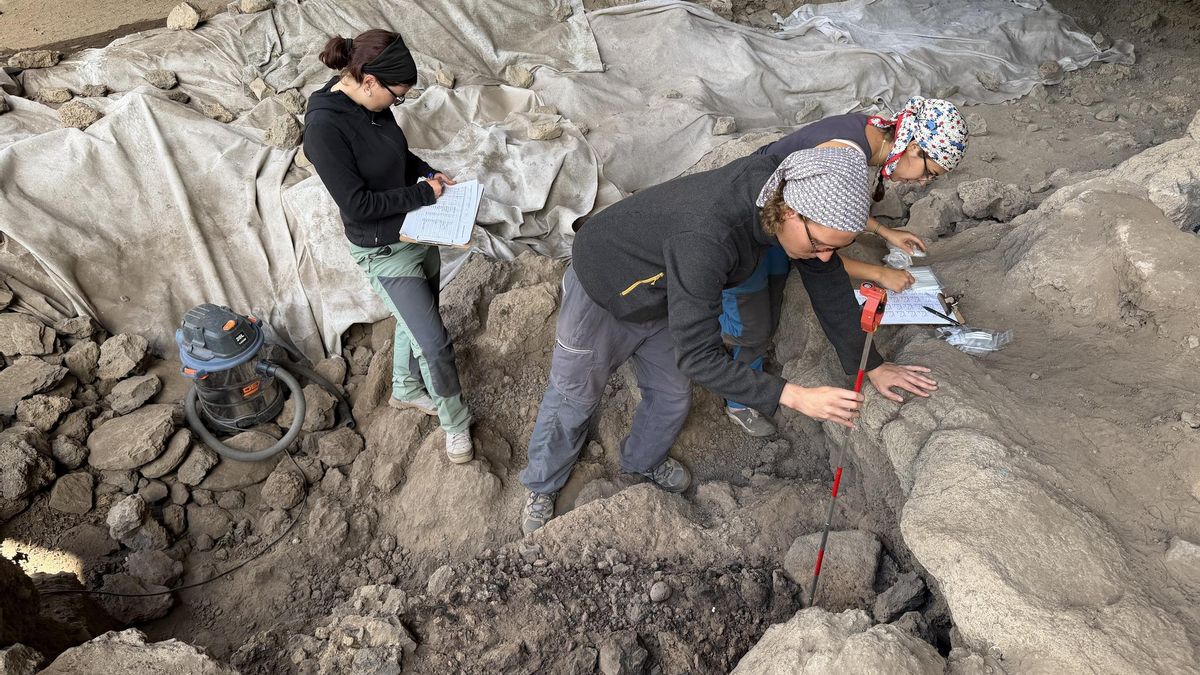
A leisurely stroll through the halls of El Museo Canario in Las Palmas, the archaeology section of the MUNA in Santa Cruz, or the archaeology museums of La Palma, Fuerteventura and La Gomera — Lanzarote is the only island without an archaeological centre due to the neglect and incompetence of its politicians, while on El Hierro the museum has been finished for several years but remains closed for the same reasons as on the Island of Volcanoes, although the new Minister of Culture wants to reverse the situation — reveals gofio toasters, vessels for parboiling, stone mills and mortars, phonolite and obsidian blades for cutting, leather pouches and skins, bones for descaling fish, and a wide range of fishhooks.
Fish and shellfish were a widespread part of the aboriginal diet from the very moment these colonists from North Africa arrived in the islands during the early centuries of the Common Era. To understand the preparation, preservation and consumption of these resources, there is a leading ichthyoarchaeologist in the Canary Islands: Carmen Gloria Rodríguez, current director of the Casa de Colón in Las Palmas. After researching sites on almost all the islands and confirming that today’s coastal fish are the same species consumed by the pre-Hispanic population, Rodríguez posed several questions: Were the specimens prepared and consumed immediately? Was some type of processing carried out before eating? Was part of the catch preserved? How were they incorporated into the diet — raw, roasted, or in stews with other foods to make hearty broths? Were there techniques that allowed preservation? Did the coastal community that fished allocate its catches for exchange with inland populations that did not fish?
Innovative tools: fish-scaling with goat horns
To begin with, the author of the first doctoral thesis in the Canary Islands on ichthyology related to the indigenous world admits that there is not much that can be said to answer the questions she raises. However, two sites on Gran Canaria — Lomo de Los Melones in La Garita and Playa Chica de Sardina del Norte — have provided novel evidence regarding scaling. At both sites, the presence of scales from several species alongside goat horns has been documented — an association that the archaeologist describes as “unusual.” In the excavation coordinated by Abel Galindo in 2004 at the coastal site in Telde, accumulations of scales were documented sharing the same archaeological level as goat horns that showed intentional working to create bevelled ends. In this “certainly unusual archaeological context,” reflects Rodríguez, it led her to hypothesise that these singular industrial objects “could have been used to scale fish.” To corroborate this, a traceological study of the bevels generated on the horns was carried out, with encouraging results that led to the conclusion that they were tools “deliberately manufactured for scaling fish.” Findings of the same association at Playa Chica in Gáldar confirm that “the initial discoveries of these specific tools were not an exception,” writes Dr Carmen Gloria Rodríguez in her book De costa a costa: Las poblaciones canario-amaziges y el mar.
Butchery and cooking methods
Regarding butchery and forms of consumption, the author takes into account the representativeness of bone elements, the sizes of specimens, and the direct traces found on shells or bones. She confirms that heads were not removed. As for catch sizes, most specimens are of a medium size that “facilitates handling and eventual cooking, even whole.” Specimens of sardine, longorón and mackerel “could have been subject, in addition to fresh consumption, to a different type of processing related to preservation strategies.” Taphonomic alterations provide clues about how fish were consumed, “especially when they remain part of the sediment surrounding combustion structures.” Although it is difficult to distinguish which alterations are due to preparation for consumption and which derive from food waste remaining in the vicinity of these combustion spaces, when analysing the samples “it seems logical to think that part of these resources were consumed roasted or boiled, without forgetting the relevance that broths probably had, in which products from the land and sea would have been incorporated. Culinary practices were perhaps varied, but little can be deduced from the remains found at the sites.”
The practice of using preservation techniques to have protein-rich and other nutritious resources available throughout the year was common among the Amazigh population, this expert maintains. Two strategies emerge as the most plausible: salting and sun-drying. The abundance of salt in intertidal pools “makes it an easy product to obtain.” Similarly, “sun-drying specimens could have been a common practice.” These two preservation techniques, mentioned by the chroniclers, are still in use today: salted fish, which never fails during Holy Week, and jareas (salted and sun-dried fish).
To preserve vegetables, besides sun-drying figs — which allowed their consumption over many months — the aboriginals stored them in caves and silos. Gran Canaria is the only island with fortified granaries, generally built in natural cavities that were then hollowed out to create dozens of silos. “They faced south to minimise the humidity of the trade winds and to ensure the spaces were cool and dry; the coolness prevents insect eggs from hatching and the dryness prevents fungi from spreading,” explains Professor Jacob Morales. Sometimes those insects, weevils, laid eggs in the seeds. To combat them, they used a natural insecticide: laurel leaves. “They are very effective due to their antifungal nature — they prevent fungal growth — they keep seeds dormant so they do not germinate in the silo, and they kill insects.” Those laurel leaves were found at Cenobio de Valerón, an example of efficiency in how an archaeological site is studied, managed and preserved — in this case thanks to Arqueocanaria, the oldest company in the archipelago in the field of archaeology.
Broths, stews and a taste of ‘surf and turf’
On La Palma, Jorge Pais and Carmen Gloria Rodríguez have found marine remains and mammal fauna in greasy conglomerates at the El Tendal site. This has led them to suggest “the possibility of preparing broths or soups with marine and terrestrial products — a kind of surf and turf to which proteins from different sources would be added.”
Staying on La Palma, the chronicler Fructuoso wrote: “All are breeders of goats and sheep; they eat gofio made from wheat and barley, kneaded with oil. The meat is so roasted that it is almost burnt; and the boiled meat is undercooked.” This technique allowed access to the marrow inside the bones, according to Dr Jorge Pais, director of the Museo Benahoarita. On these thermal alterations, Pais adds: “Boiled bones show a yellowish colouration and the presence of concretions associated with the secretion of fats.”
The Crónicas Matritense, as recalled by historian Francisco Morales Padrón (Santa Brígida, 1924 — Seville, 2010), mentions tamorano, a dish of roasted and parboiled meat in a casserole, while Marín de Cubas, in the 17th century, described a dish of minced meat, first boiled in water and then fried with suet, called mairona. Abreu states for Fuerteventura: “Barley flour, toasted and ground, which they call gofio, and with cooked and roasted goat meat, with milk and butter.” These treatments have been verified on bone remains at sites, zooarchaeologist Verónica Alberto informs Canarias Ahora-elDiario.es.
Stone tools: what they used to cut and butcher
What instrument did they use to cut and butcher animals? Dr Amelia Rodríguez is an expert in lithic industry, among other aspects of archaeology. “Phonolite and obsidian were the rocks they used most,” explains the ULPGC professor on the website Arqueología del Gusto. “The flat fractures of phonolites give them a cutting edge. The problem with this mineral is that it wears down easily with use; that is why there are many phonolite flakes at the sites. The edge of obsidian, on the other hand, lasts longer despite being a fragile rock, which is why they preferred it.” However, to dismember an animal, continues Dr Rodríguez, “they did not use obsidian because it would break, being as fragile as glass; they used something more powerful and resistant: phonolite.”
Just as fish was dried, meat was also dried. Le Canarien — the French chronicles of the Conquest of the Canaries — relates this as the most common way of eating meat on Fuerteventura. They cut it into strips and hung it up to dry.
Gofio: the foundation of the Canarian diet
Archaeobotanist Jacob Morales devotes a section of his work Los orígenes de la gastronomía canaria: ingredientes y usos culinarios durante la etapa amazige to indigenous cooking techniques and dishes. Common sense, given that Canarians have never stopped consuming gofio, leads us to the technique of toasting barley and wheat grains to make gofio; both the chronicles and archaeology confirm this technique for producing that ochre-toned flour. Once the grains were toasted, describes Morales, “they were ground and then mixed with milk, livestock butter, or simply water and salt.” The presence at sites on all islands of hand mills, as well as ceramic fragments with combustion marks alongside charred seeds, “confirms a common technique for processing this food” — a flour that keeps for a long time.
According to the chronicles, “the Guanches did not make bread and consumed whole wheat grains in broths,” notes Morales. This was probably because, adds the archaeobotanist, “they only cultivated durum wheat, which is not suitable for making bread.” In times of food crisis due to droughts or other causes, at least on La Palma, La Gomera and El Hierro, a kind of gofio was made from fern rhizomes or roots. “On Tenerife,” Morales tells this newspaper, “there are archaeological remains of fern rhizomes, but on Gran Canaria they have not been identified, although they were consumed on that island until the mid-20th century.”
“Gofio is an indigenous word, recorded in 15th-century texts, which defines the process of toasting grains and their transformation into the flour we call gofio today,” explains María del Carmen Cruz de Mercadal, curator of El Museo Canario. Professor and philologist Maximiano Trapero believes it originated on Lanzarote and Fuerteventura and later spread to other islands. The chronicler Abreu Galindo states that on Tenerife this way of processing cereals was called ahoren.
Dairy, legumes and fermented drinks
The production of milk was the main objective of goat and sheep farming. Did they make dairy products? In his article published in the book Identidad y Gastronomía en Canarias (edited in 2024 by the Canarian Institute of Cultural Development), Jacob Morales states that “livestock butter or clarified butter was the main dairy product.” Did they make cheese? There are no references in the chronicles on this matter, nor any archaeological evidence indicating its production before the 15th century. On Gran Canaria there are some containers with perforations at the base that have been associated with this activity, although, Dr Morales clarifies, “they have been documented in periods of contact with the European population and probably represent an innovation associated with the new people settling in the islands.”
In that same work, Morales gathers other testimonies from ethnohistorical sources. For example, broad beans were consumed green and tender, but also, wrote Father Sosa, they were consumed after “toasting them and placing them in a kind of brine.” The seeds of broad beans, lentils and peas, the archaeobotanist tells this newspaper, “are very scarce at the sites, which may be related to their consumption raw or in broths, leaving few possibilities for them to be fossilised through charring.”
Beyond food, there were also drinks in the diet of the first Canarians, besides water and milk. They made a sweet drink with healing properties called chacerquem, notes Professor Carmina del Arco in her research Recursos vegetales en la prehistoria de Canarias. Jacob Morales, citing Núñez de la Peña, recounts that once the fruits of the mocán were ripe, “they were left to dry in the sun for three or four days, then crushed and boiled in water.” After straining the fruits, the resulting liquid had a texture similar to honey. This is proof that the Amazigh people of the Canary Islands knew the technique of fermentation.