
Camping crisis on the holiday island
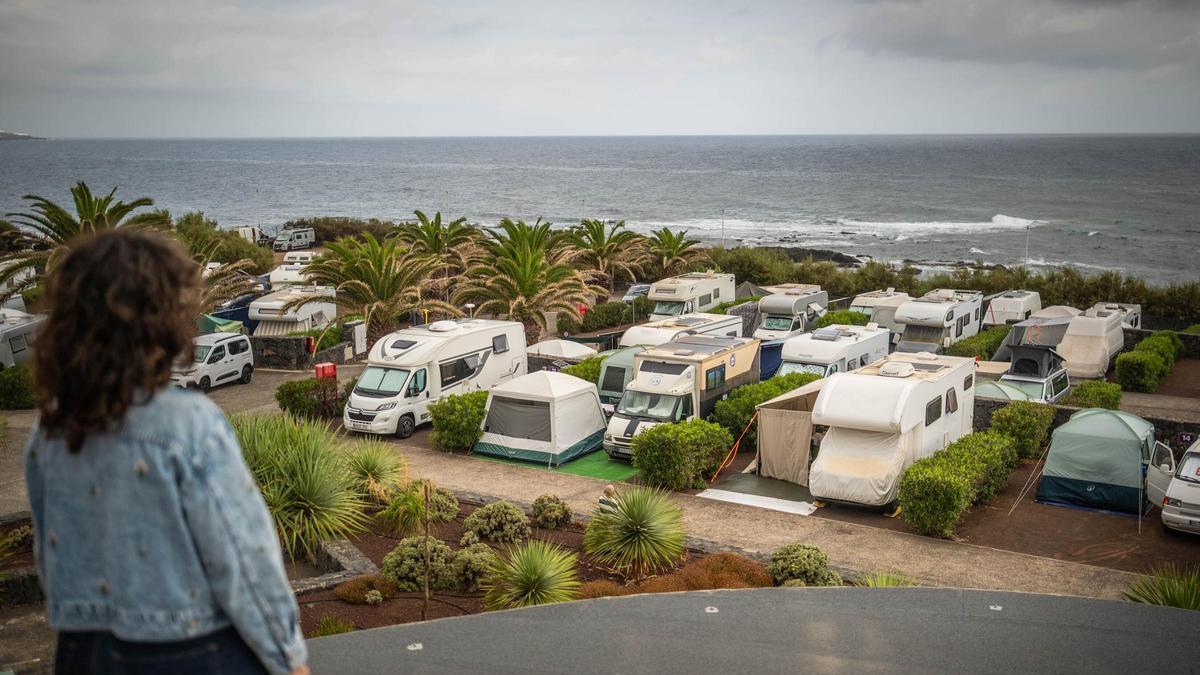
Tenerife is facing the summer season with only two campsites, despite a surge in demand for outdoor tourism. The island is set to roll out a network of caravan and camping zones once the Canary Islands government approves regulations for the sector.
The island welcomes around 7.5 million tourists each year and offers hotels, apartments, holiday rentals and accommodation complexes of almost every category. Yet for those exploring Tenerife by tent, caravan, motorhome or campervan, the options remain extremely limited.
Just two campsites for millions of visitors
The island has only two conventional campsites worth mentioning. Camping Nauta, located in Arona, is privately owned, while the Punta del Hidalgo site belongs to La Laguna Town Hall and is the main public facility of its kind.
The shortage of pitches stands in stark contrast to the growing popularity of motorhome travel and reflects years of regulatory delay. Until now, the activity has taken place without any specific regional tourism legislation.
New decree to end the regulatory vacuum
The Canary Islands government aims to fill this gap with a decree on outdoor tourist accommodation, which has been sent to the advisory council before returning to the regional cabinet for final approval.
Miguel Ángel Rodríguez, director general for tourism planning, training and promotion, believes the new regulations will mark a turning point. In his view, it was hard to understand why the Canary Islands lacked rules for campsites, motorhome parking areas and overnight stops.
What the island currently offers
Camping Nauta is Tenerife’s main private facility. Located on the TF-653 road in Arona, it is open all year round and accepts tents, caravans and other types of accommodation.
In the north, the municipal campsite at Punta del Hidalgo has undergone refurbishment, including the addition of accessible toilets, picnic areas and children’s play zones. However, its operation has been affected by repeated closures.
Not all pitches are created equal
The limited offer makes it important to distinguish between a proper campsite and other areas where parking or overnight stays are permitted. A campsite has designated pitches and services such as toilets, showers, electricity, waste collection and communal areas. It may also accommodate bungalows, cabins or mobile homes. Recreational areas, forest camping zones and authorised parking lots serve a different purpose and do not necessarily offer the same facilities.
Tenerife does have four forest zones set aside for caravans, motorhomes and campervans. Together they offer 31 pitches: 14 at Chío in Guía de Isora, 11 at Las Lajas in Adeje, four at Arenas Negras in El Tanque and two at El Lagar in Icod de los Vinos. These spaces require booking or authorisation and must comply with environmental and safety rules. Their purpose is to keep vehicles within designated natural areas and prevent them from spreading across protected zones. But they are not campsites. They may lack showers, electricity, reception, laundry facilities or permanent motorhome service points.
What the new law will change
The forthcoming decree will distinguish between campsites, caravan and motorhome parking areas, overnight stops, small facilities linked to rural buildings and unique tourist accommodation. It will also establish minimum standards for sanitary facilities, water supply, waste disposal, accessibility and fire prevention.
Rodríguez argues that the regulation will provide legal certainty for town halls, island councils, user associations and anyone interested in setting up such establishments. It will also allow authorities to plan the activity from a territorial and urban planning perspective, something that until now has largely depended on each municipality’s own interpretation.
A boost for sustainable tourism
The director general believes that camping and motorhome travel are part of tourism diversity and can help stimulate the economy. Development, he adds, must follow criteria of planning, sustainability and coexistence with local residents.
The specific location of facilities will mainly be decided by town halls, although island councils may also organise and promote public or private sites.
Plans for a wider network
The Cabildo of Tenerife has been working for years on various initiatives to expand and organise the offer. One of these is the opening of the La Tejita campsite in Granadilla de Abona, once the necessary municipal permits are obtained. The island council also plans to create a large campsite at the former Pinalito factory in Vilaflor, and to install ecological motorhome service points at recycling centres during opening hours.
Other projects include setting up specific facilities at Las Chafiras, Granadilla, Vilaflor, Arico, Guía de Isora and Los Rodeos. The island’s tourism councillor, Lope Afonso, believes the decree will bring this activity out of regulatory limbo and facilitate both public and private projects.
The Cabildo had already begun preparing an island-wide ordinance and identifying potential sites with local councils to form a network of stay and overnight points. That work was put on hold while the regional regulation progressed, but will resume once the decree is approved. The council will review possible locations with the municipalities and adapt the future network to the law’s requirements. It also plans to help finance these spaces to improve services and regulate a tourism sector that continues to grow.
The challenge ahead
The challenge for Tenerife will be turning this demand into a properly regulated and sufficient supply. On an island that receives millions of visitors every year, the existence of just two campsites highlights a shortfall that the new regulations and island projects will try to address.
What’s happening in the Canaries – straight to your phone
News, weather alerts and practical updates – direct from the islands, in English. We live here and know what’s going on – before the international media catch up. Everything lands on our WhatsApp channel – no middlemen, no algorithm. Curated for families, expats and travelers.

Iberdrola plans Tenerife’s biggest battery storage plant

The wild canary that gave its name to the Canary Islands

Canary Islands sea hits second-hottest year on record

Legal bid to halt tree felling in Santa Cruz’s La Salud

Fiesta del Charco: A journey through La Aldea’s past

Corralejo dunes power line set for removal

ULPGC launches 14 research projects at Las Canteras

TMT will never be built, says Canary Islands astrophysics chief

Pedro Duque: Canarias is the “ultimate dream” for rockets
