Compiled with the help of artificial intelligence, based on Spanish-language information. Source below the article.
Electronic and symphonic music share more than meets the eye
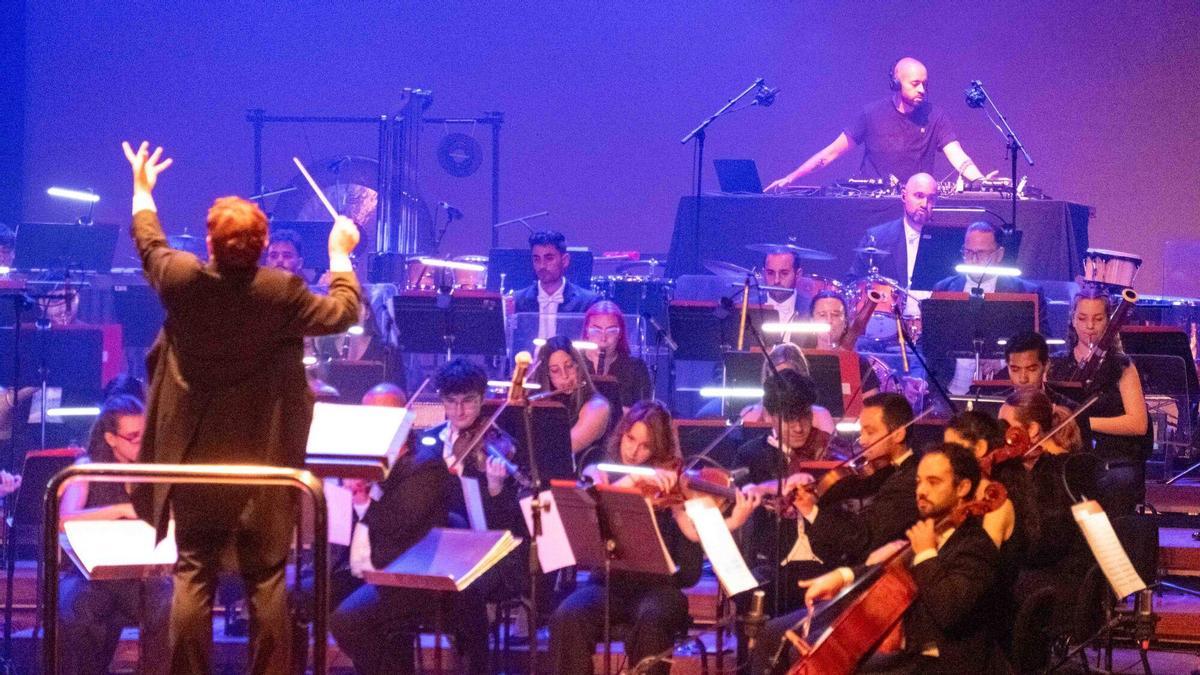
Electronic and symphonic music share more than it might seem. Rhythm, recognisable melodies and the ability to stir emotions are some of the meeting points between two worlds that, in principle, tend to occupy different stages. DJ Symphonic is built on that idea: a show created by Javier Martí, president of Excelentia, which arrives at the Auditorio de Tenerife this Sunday 25 October with two performances.
The Royal Film Concert Orchestra, under the baton of Fernando Furones, will reinterpret compositions by artists such as Avicii, David Guetta, Daft Punk, Coldplay and Queen in a proposal that seeks to broaden the orchestra’s expressive possibilities and attract audiences with different musical tastes. “We didn’t want to put an orchestra on stage with a DJ behind it; we wanted both worlds to genuinely converse,” Martí explains of the project’s origins. “Electronic music and symphonic music share something fundamental: the ability to generate emotions through rhythm, harmony, intensity and the construction of great sonic atmospheres,” he says.
A dialogue between the dancefloor and the concert hall
That affinity is the starting point for a show that transforms songs associated with dancefloors and festivals into pieces performed by a symphonic ensemble. “I wanted someone to be able to close their eyes and be moved by the sonic richness of a great orchestra and, a few seconds later, feel the energy of a big electronic music festival.” The main challenge was a musical one. A symphony orchestra and a DJ work with different dynamics, resources and ways of performing, so integrating them requires specific arrangements, orchestration, musical direction and coordinated technical production. Martí maintains that spectacle cannot replace artistic work.
Even so, the repertoire is one of the keys to DJ Symphonic. The programmes prepared for each performance do not respond solely to a song’s popularity. For Martí, each composition needs musical characteristics that allow it to be developed in the new format, since symphonic versions can highlight elements that might go unnoticed in the original recordings. “The audience immediately recognises the song, but at the same time discovers elements they may never have perceived before,” notes the president of Excelentia.
Technology and orchestra complement each other
The balance between the DJ and the orchestra is decisive throughout, since the former provides the rhythmic pulse, the electronic textures and the energy characteristic of the genre, while the symphonic ensemble adds tonal richness, harmonic depth and expressiveness. “Technology doesn’t replace the orchestra, and the orchestra doesn’t try to imitate technology. They complement and enrich each other,” Martí sums up.
The concerts at the Auditorio de Tenerife have a special meaning for Martí given the characteristics of a venue closely linked to classical music. Proposing a show that incorporates electronic music codes is, in his view, an opportunity to show that the orchestra can operate in different contexts: “We don’t want people to come only to hear the songs they know, but to rediscover them in a way they had never imagined.”
Widening access without lowering artistic standards
But this format also raises a question about how to bring symphonic music closer to those who don’t usually attend such concerts. Martí argues that “we don’t need to transform the essence of music, but to widen the ways of bringing it to the public.” “It’s not about lowering artistic standards to attract new audiences, but about demonstrating that musical excellence can express itself in many ways,” he defends. For him, the challenge consists of removing barriers to access and preventing the association of classical music with a particular audience from stopping other spectators from discovering its possibilities.
“For too long we have tended to classify music into very rigid compartments, and those labels, although useful for identifying styles, sometimes prevent us from appreciating everything they have in common,” he says. “The public hasn’t lost interest in quality music; what has changed is the way they relate to it,” affirms Martí. In his opinion, live music retains a value that digital reproduction cannot replace. But that perspective is not without resistance: “Symphonic music doesn’t lose prestige when it explores new territory; on the contrary, it demonstrates its extraordinary capacity for evolution.”
The show is not aimed exclusively at electronic music fans, but also at those who enjoy orchestral music, pop followers and anyone looking for a different experience. The ability to connect with diverse audiences is precisely one of the aspects Martí values most about the proposal because, as he concludes, “good music knows no borders.”
What’s happening in the Canaries – straight to your phone
News, weather alerts and practical updates – direct from the islands, in English. We live here and know what’s going on – before the international media catch up. Everything lands on our WhatsApp channel – no middlemen, no algorithm. Curated for families, expats and travelers.

Loquillo and Amaia headline Tenerife Peñón Fest 2026

Figueres: Canary Islands tourism model hard to square with climate limits

Fairy advert reignites Canary Islands gentrification row

Sergio Ramos to lead PP list for Congress in Las Palmas

Tenerife stages Spain’s biggest volcanic eruption drill

Sonora Festival 2026 draws 16,000 to Las Palmas

Two men injured in fall from wall in Playa de Troya

Tenerife-forged bell rings again in tiny Rioja village

Canarian journalists to discuss a world in conflict at Las Palmas theatre