
The €20 glass of wine in New York
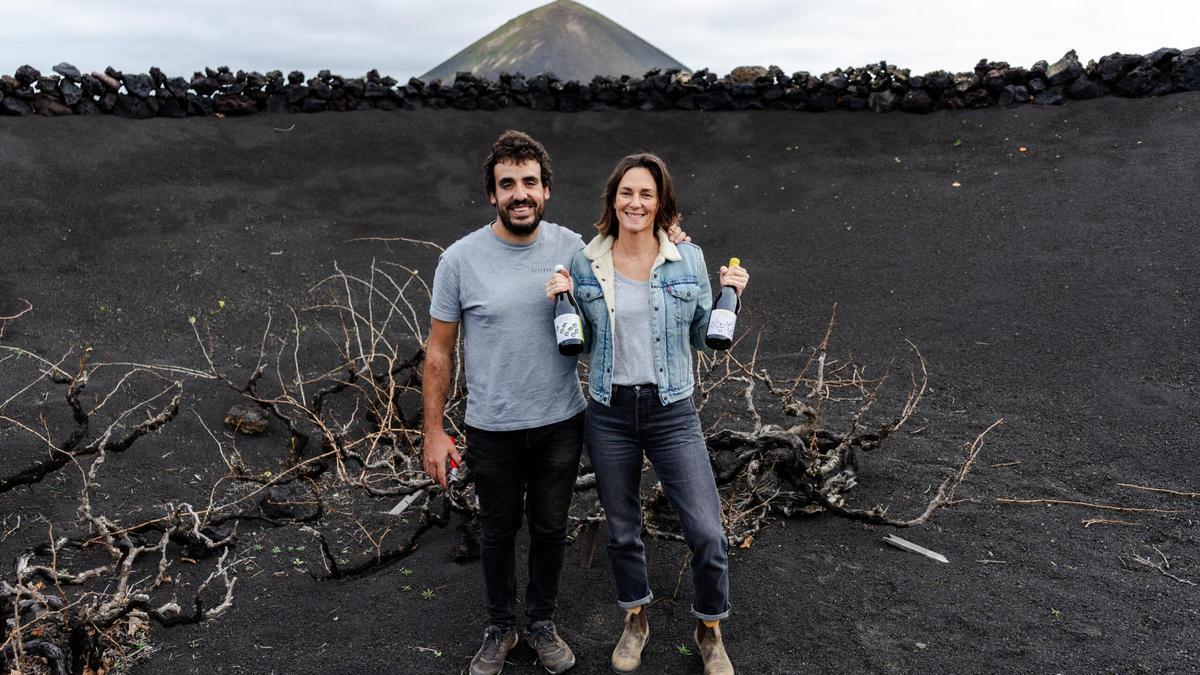
A glass of Canary Islands wine in New York – the city that never sleeps – can set you back €20. The reputation and volcanic identity of Canarian wines have turned them into an exclusive product on international markets, though they are also one particularly penalised by high transport costs. Behind one such winery are Marta Labanda and Daniel Ramírez, two professionals with a background in oenology and a close connection to the wine sector. They went from the classroom to the plots of Lanzarote, where they founded Titerok-Akaet, a brand that turns over approximately €220,000 a year and distributes its bottles in more than eight countries, as well as mainland Spain and the islands of Gran Canaria, Tenerife, Fuerteventura and, of course, Lanzarote.
A name rooted in the land
The very name of the winery sums up that commitment to the territory. The ancient inhabitants of the Canary Islands called Lanzarote Titerogakaet, a place name now foreign to the everyday speech of islanders, but which the couple rescued to christen their wine project. Under that same idea of connection to the land, they produce wines that seek to express the volcanic origin of the archipelago, based on a philosophy of natural, organic practices and “minimum technical manipulation”, Marta explains.
From an experimental plot to global distribution
With that commitment, their wines have reached markets including Germany, Switzerland, Denmark, the United Kingdom, the United States, Italy, Portugal and France. The winery’s origins date back to the purchase of a plot in northern Lanzarote, in the municipality of Haría. After finishing their training, the young couple decided to settle on the island and started making wine in 2017. Although they initially came “to try it out”, the positive reception of their first wines and favourable reviews encouraged them to continue and grow. “It went well for us, we started getting good reviews and decided to carry on,” says Labanda. Today they manage 52 hectares spread across the island, all organically farmed and working exclusively with their own grapes. They also maintain a connection to local tradition, both in their cultivation methods and in some of the materials used in the winery.
The premium price tag and the transport problem
In terms of international experience, the winery has developed a clear export focus. Its buyers and distribution channels are split between the local, national and international markets, but the positioning of the wine is clearly premium. The oenologist admits that, because of production costs, she needs to sell at high prices, which reduces turnover despite good scores and positive reviews. What is more, Marta Labanda acknowledges that this additional cost holds back deals with new foreign clients. “When potential distributors are interested in the wines and ask about transport, the relationship often grinds to a halt once they learn the logistics price,” she stresses. She also adds that there is some regional aid that takes into account the double insularity and the complexity of getting their product across the Atlantic, but this subsidy does not really compensate for the extra transport costs.
Logistics headaches from the archipelago
Indeed, exporting from the Islands to Europe is much more expensive and slower than doing so from mainland Spain, where many distributors are used to receiving orders within 24 or 48 hours and at low cost. In contrast, sending shipments from the archipelago to the continent can cost between €600 and €800 – a difference that makes closing deals much more difficult. According to the wine expert, this transport issue comes up constantly at trade fairs and business meetings. Even so, they have managed to forge close ties with the global market. This push beyond national borders is also due to support from the public company Proexca for strengthening their internationalisation, particularly through national and international fairs that have allowed them to gain visibility and “have promoted more contact with a greater number of distributors”.
Volcanic assets working in their favour
Drawing on their experience, attending this type of event has been an opportunity to exchange knowledge and enter a world full of professionals who pay special attention to the finer points of taste. In this regard, the particularities of Lanzarote’s volcanoes play in their favour.
What’s happening in the Canaries – straight to your phone
News, weather alerts and practical updates – direct from the islands, in English. We live here and know what’s going on – before the international media catch up. Everything lands on our WhatsApp channel – no middlemen, no algorithm. Curated for families, expats and travelers.

Vivanta shuts all dental clinics including six in Tenerife

Civil Guard warns of digital skimming threat to online shoppers

Tenerife shifts FDCAN funds from roads to housing

PSOE warns Arrecife plan could ‘bury’ El Cable beach in concrete

Canary Islands faces loss of 20% of self-employed workers

Canary Islands to get 26 new substations by 2030

Canary Islands poverty rates stuck since pandemic

Court backs eviction over verbal room rental in Arona

Canary Islands pushes for 10-year residency rule for foreign buyers
