
Thousands of Canary Islands tenants face uncertainty as rental extension fails
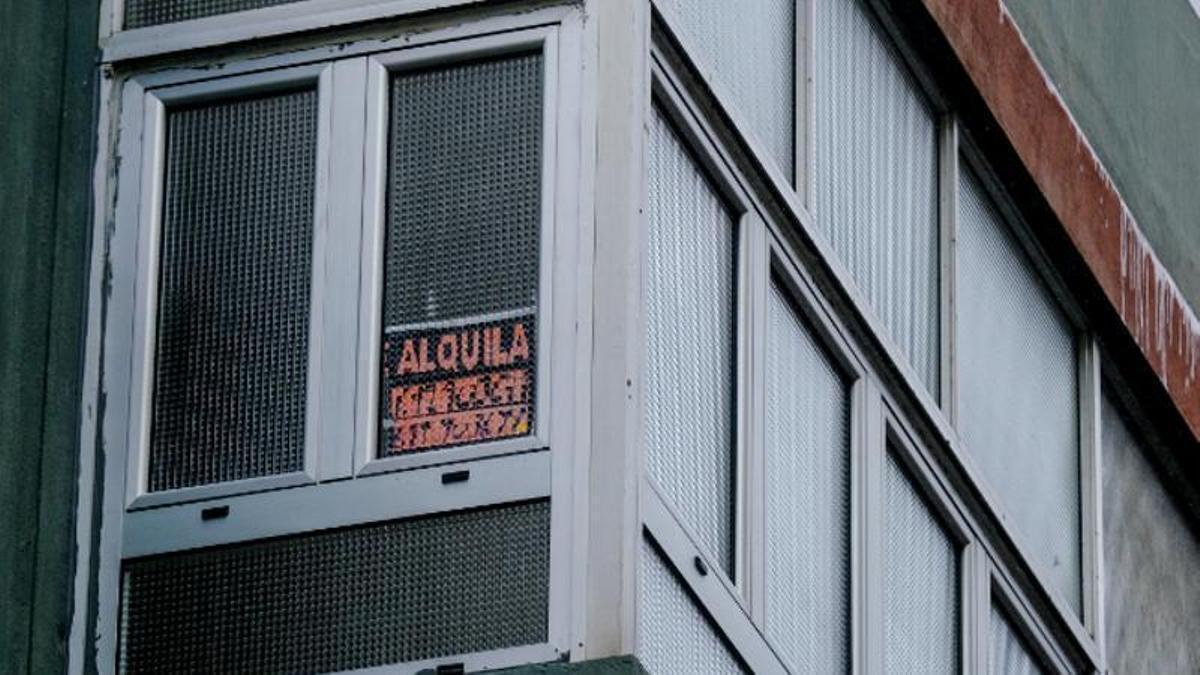
Some 97,000 Canary Islands residents are in a state of limbo after right-wing parties – including the PP, PNV, Vox and Junts – refused to support a mandatory two-year extension on rental contracts signed since the pandemic. Across Spain as a whole, an estimated 1.6 million tenants are losing sleep over the prospect of their landlords imposing market-rate rent increases, far above the 2 per cent cap set by the government decree.
The figures come from the Ministry of Social Rights, Consumer Affairs and the 2030 Agenda, using data from the Household Panel (a collaboration between the National Statistics Institute, the Tax Agency and the Institute of Fiscal Studies), which estimates the number of rental contracts signed each year. In the Canary Islands, around 40,000 tenancies are affected (600,000 across the country). However, some may have already been spared.
Rush to send legal notices before the deadline
“Thousands of tenants rushed to send a burofax to their landlord demanding those two extra years as soon as the news broke on the evening bulletin,” says lawyer Andrés Roda. He refers to those who carried out this process between 22 March, when the royal decree came into force, and this Tuesday, when Congress rejected its ratification.
But does that mean they are safe? The solicitor offers some clarifications. First, he advises tenants to be prepared “because many landlords will think the opposite and will try to show them the door.” Nevertheless, he is convinced that, pressure aside, “if they made that communication while the regulation was still in force, the right is theirs.”
Legal disputes expected as cases go to court
It is impossible to know how many of the more than 40,000 tenants took that route. What Roda is sure of is that there will be a high degree of litigation over these cases. The basis for this will be whether the landlord was correctly notified and at what stage the contract currently stands.
The Urban Leases Act, passed at the end of last year, establishes an initial term of five years for individuals and seven years for legal entities. After that period, if neither party gives notice, an automatic three-year extension applies. The mandatory two-year extension was intended for all rentals whose term falls between 21 March of last year and the last day of next year (2027).
What tenants should do now
Roda recommends that tenants who have not yet done so should keep all documentation proving their communication with the landlord. Those who sent a burofax while the decree was still valid should have the strongest legal standing. The coming weeks are expected to see a wave of disputes, as landlords may try to force tenants out or impose significant rent hikes.

Vivanta shuts all dental clinics including six in Tenerife

Civil Guard warns of digital skimming threat to online shoppers

Tenerife shifts FDCAN funds from roads to housing

PSOE warns Arrecife plan could ‘bury’ El Cable beach in concrete

Canary Islands faces loss of 20% of self-employed workers

Canary Islands to get 26 new substations by 2030

Canary Islands poverty rates stuck since pandemic

Court backs eviction over verbal room rental in Arona

Canary Islands pushes for 10-year residency rule for foreign buyers
