Compiled with the help of artificial intelligence, based on Spanish-language information. Source below the article.
Planning law with a wider reach
The new regulation designed to speed up the processing of planning licences and boost housebuilding has been published in the Official Gazette of the Canary Islands (BOC). However, its contents go far beyond its original aim, touching on everything from roadside advertising and environmental assessment to the management of Teide National Park, climate change and public procurement. Indeed, during its passage through parliament, the sheer breadth of issues led the opposition to question the scope of the legislation, with Socialist MP Patricia Hernández denouncing it as an “omnibus bill”. What began as a measure to clear obstacles to housing construction has ended up affecting very different areas of the Canary Islands administration.
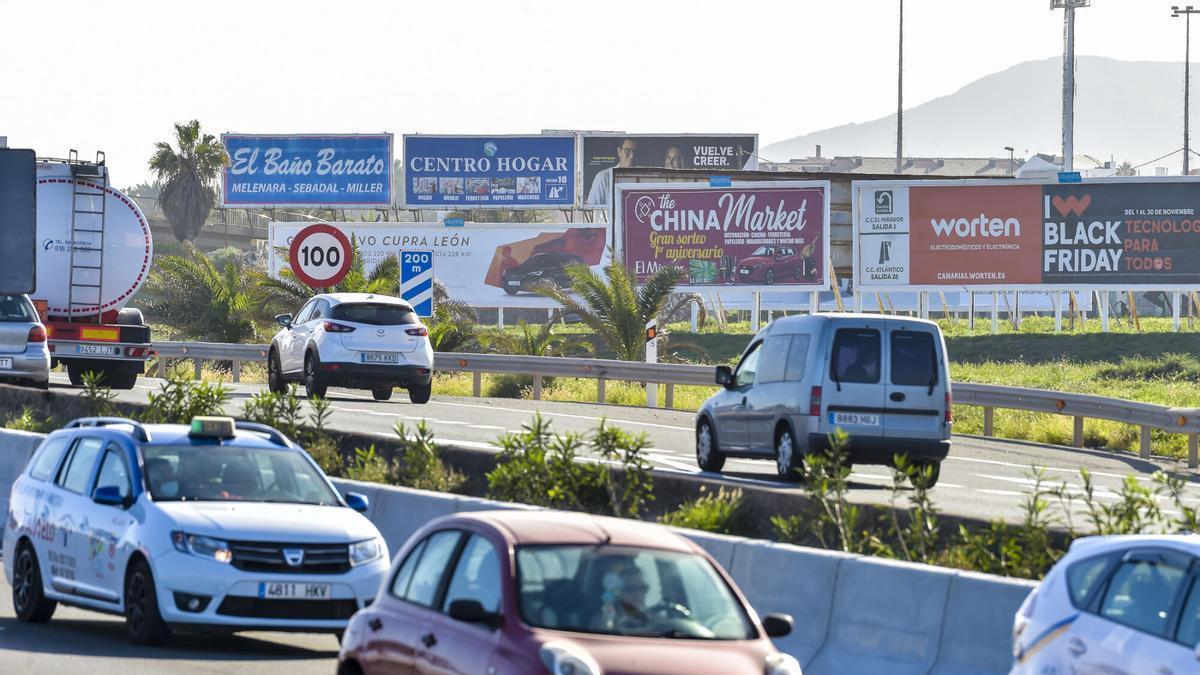
New rules for roadside advertising
One of the changes affects billboards and outdoor advertising aimed at road users. These will remain banned on land forming part of the road itself, but may now be installed in nearby areas provided that the conditions set out in the law are met and there is no risk to traffic. Individuals and companies carrying out this activity will need to fulfil their tax and social security obligations, comply with health and safety at work regulations, and hold public liability insurance. Crucially, these new rules will take precedence over other planning regulations that might otherwise restrict or prohibit the placement of such advertisements.
Teide National Park management
The authority responsible for managing this protected area will be able to issue management ordinances to ensure compliance with the provisions of the Rector Plan. It will also maintain a system for monitoring and evaluating ecological, socioeconomic and functional aspects, with the results being reported to the Park’s Governing Board – the collegiate body in which the various administrations and sectors linked to the site take part.
Environmental assessment changes
The Directorate General for Ecological Transition and the Fight against Climate Change will act as the regional government’s environmental body for project assessments, while town halls may delegate certain evaluations to the Canary Islands Government or the island councils. On the other hand, the regional executive will be able to exempt certain projects from environmental impact assessment where exceptional circumstances exist, through a justified agreement. This measure covers, among other cases, critical infrastructure damaged by a disaster or situations where national security needs to be guaranteed.
The law also introduces a change to the definition of which administration assets are considered public domain. From now on, assets intended for public use or service that have become part of an administration’s heritage through expropriation or any other legal title will hold this status.
Public procurement and sustainability
The regulation brings changes to public contracting. Beyond housing, architecture and engineering projects will be deemed to be of special complexity when they involve new construction, renovation, restoration, rehabilitation or major repair works, as well as their site management. In such cases, the rules governing project competitions will apply, except for smaller contracts and negotiated procedures without prior publication.
Furthermore, public administrations will be required to incorporate environmental sustainability and climate action criteria into their procurement. Tender documents will assess measures to reduce carbon footprints, emissions and transport, as well as the use of recycled materials. They may also require registration in official carbon footprint registers and give preference to companies holding the Canary Islands Excellence Mark for Energy Efficiency and Climate Action in the event of a tie. The law itself provides for the regional departments responsible for climate change and public procurement to draw up guides and recommendations to help administrations and entities apply these criteria.
What’s happening in the Canaries – straight to your phone
News, weather alerts and practical updates – direct from the islands, in English. We live here and know what’s going on – before the international media catch up. Everything lands on our WhatsApp channel – no middlemen, no algorithm. Curated for families, expats and travelers.

Canary Islands approves new €1.6bn development fund

Mogán mayor says her €65,000 salary is too low

Abandoned cars in Canary Islands: hundreds left to rot
Work resumes on 27 affordable rental homes in Las Palmas

Los Realejos residents fight on against propane gas plant

Canarias among Spain’s poorest regions as 36.2% live on low incomes

Canary Islands bananas lose ground to imported bananas
Canary Islands bottom of Spain’s social housing table

Three migrant boats reach Canary Islands in 24 hours