
Inflation in the Canary Islands rises to 3.2% in May
The Consumer Price Index (CPI) in the Canary Islands rose by 0.1% month-on-month in May 2026, according to data released this Friday by the National Institute of Statistics (INE). This means that over the first five months of the year, prices have accumulated a rise of 1.4%, reaching 3.2% when measured over the last 12 months, from June 2025 to May 2026.
This annual inflation rate is worse than the 3% recorded in April and now matches the national average, which also stood at 3.2% in May. With this latest figure, the Canary Islands have climbed to the sixth worst position among Spain’s 17 autonomous communities. This is still some way off the worst-performing region, Madrid, which recorded 3.8%, and far from the best figure, Extremadura, with the lowest inflation rate of 2.5%.
Transport costs drive the increase
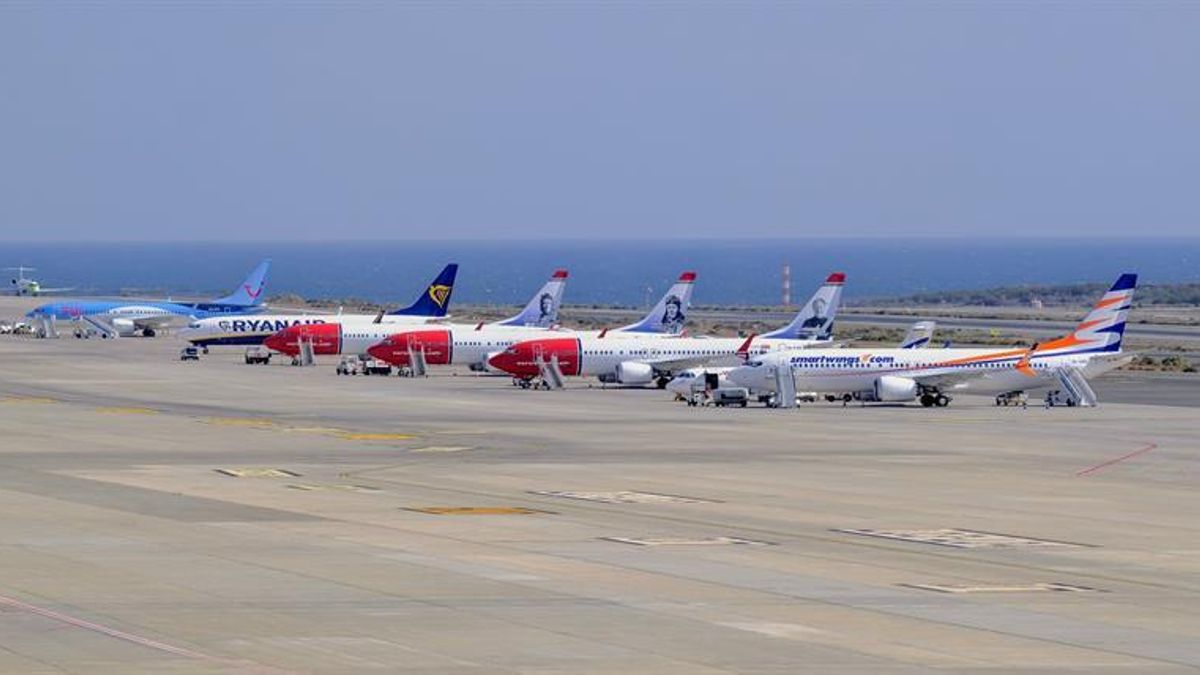
The inflationary trend in the Canary Islands, particularly regarding the annual rate, is closely linked to the behaviour of transport costs. Air travel has seen a general annual increase of 9.6%. This is followed by the restaurant and hospitality sector, with a rise of 5.4%, and the insurance and financial services group, with 4%.
The dynamics behind transport price inflation are undoubtedly tied to the ongoing conflict in the Middle East and its impact on international oil and gas prices. The global rise in the cost of these fossil fuels has a more critical effect on the Canary Islands due to the region’s extreme dependence on air and sea transport, which is also the backbone of its main economic activity, tourism.
National overview and underlying inflation
As previously reported, the annual rate of change of the CPI in Spain stood at 3.2% in May 2026, the same figure as in April. The underlying annual inflation rate (which excludes energy and fresh food products) rose by two-tenths of a percentage point to 3%. The month-on-month variation of the general index in Spain was 0.1%, the same as in the Canary Islands.
According to the INE’s analysis for the whole of Spain, the groups that contributed most to the positive influence on the annual rate were: recreational activities, sport and culture, with an annual rate of 2.6%, almost two points higher than in May, driven mainly by the prices of package holidays (which fell less than in May 2025); and transport, whose annual variation rose by almost a point to 7.4%, a rise explained mainly by the increase in air passenger transport prices compared to a fall in the same month the previous year.
The groups that contributed least to the general increase in prices in Spain were clothing and footwear, with an annual rate of -1.1%, two and a half points lower than the previous month, and food and non-alcoholic beverages, with 2.2%, four-tenths of a point lower than the previous month.
What’s happening in the Canaries – straight to your phone
News, weather alerts and practical updates – direct from the islands, in English. We live here and know what’s going on – before the international media catch up. Everything lands on our WhatsApp channel – no middlemen, no algorithm. Curated for families, expats and travelers.

Calima pre-alert declared across all Canary Islands

Tuesday: calima and cloud as temperatures dip

Monday: calima and 34C heat across the Islands

Canary Islands weather: Calima, storms and 34°C heat

Sunday: calima and 30°C as alisio winds strengthen

Calima and 30C heat to hit the Canary Islands this Sunday

Calima and 30°C heat to hit the Canary Islands this Sunday

Friday: trade winds return and skies clear

Rain alert declared for three Canary Islands from midnight
