
First record of antenna codlet in Spanish waters
Researchers from the Spanish Institute of Oceanography (IEO, CSIC), working with the universities of Vigo and La Laguna, have confirmed the presence of the mesopelagic fish Bregmaceros atlanticus in Spanish waters for the very first time. The study, published in the journal Marine Biodiversity, contributes valuable new knowledge about the geographical distribution of this little-known species.
What the research revealed
“Although Bregmaceros atlanticus had traditionally been considered to have a circumtropical distribution, found in the Atlantic, Indian and Pacific Oceans, our results support the hypothesis that its actual distribution may be restricted to the Atlantic,” said Rafael Bañón, a researcher at the IEO’s Oceanographic Centre in Vigo and lead author of the study.
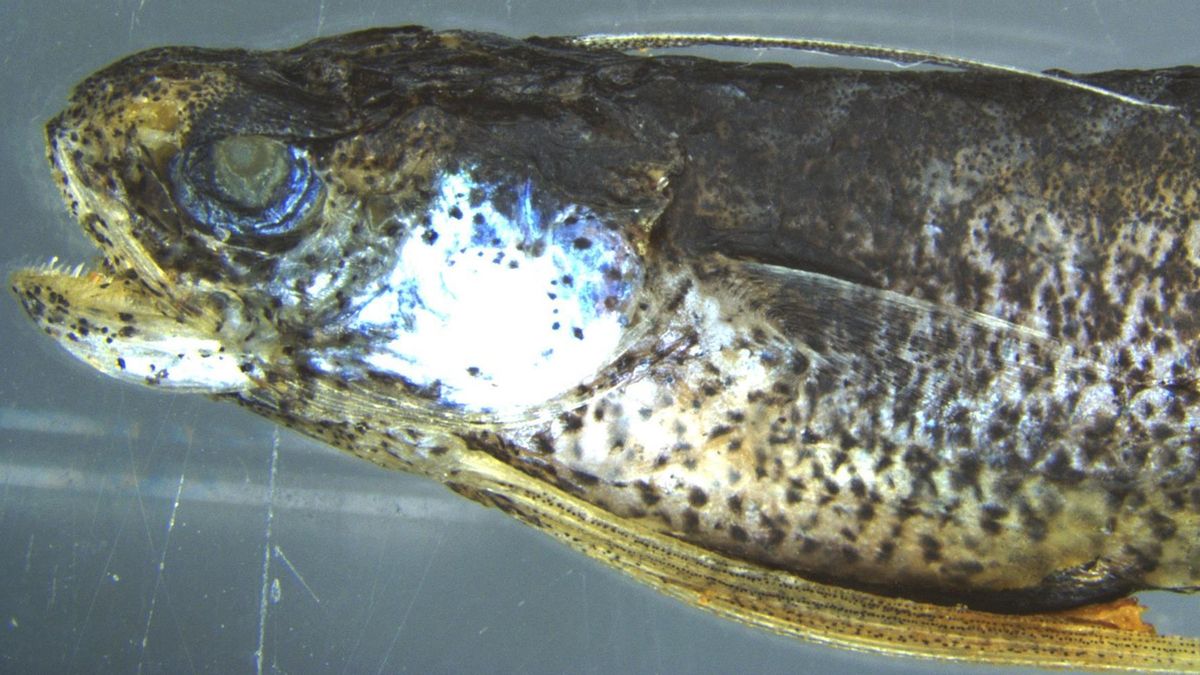
The research was based on three specimens collected in the Canary Islands. Two were caught during the CETOBAPH oceanographic survey, carried out in 2012 aboard the research vessel Cornide de Saavedra off the island of El Hierro. The third specimen washed up on a beach in southern Tenerife in 2024, marking the first documented stranding of this species.
How scientists confirmed the identification
To confirm the identification, the team conducted a detailed study of the fish’s morphological characteristics and obtained a genetic sequence of the COI gene, the standard marker used in international DNA barcoding systems. The analysis allowed the researchers to confidently assign the Canarian specimen to a specific genetic group (BIN AAV0298) associated with Bregmaceros atlanticus.
“The results combine traditional morphological study with molecular genetics tools to verify the species’ identity. Fish identification has traditionally been based on external morphological features. However, integrative taxonomy approaches, combining morphological and molecular data, are increasingly being used to resolve complex taxonomic questions in poorly understood fish groups,” Bañón explained.
The antenna codlet: a small fish with a big identity problem
Bregmaceros atlanticus, commonly known as the antenna codlet because of the characteristic elongated dorsal fin ray on its head, is a small pelagic species that inhabits oceanic and mesopelagic waters, typically between the surface and several hundred metres deep. Its small size, elusive lifestyle and similarity to other species in the same genus have historically made identification extremely difficult.
Analysis of genetic sequences available in international databases revealed the existence of several clearly differentiated genetic groups, which probably correspond to distinct species still awaiting taxonomic revision. According to the authors, this situation highlights the need for further research into the genus Bregmaceros, which shows high diversity and a complex taxonomic history.
Why the Canary Islands matter for deep-sea biodiversity
The discovery once again highlights the value of Canarian waters as a strategic area for the study of deep-sea marine biodiversity. “The stranding of the Tenerife specimen may be linked to oceanographic processes characteristic of the archipelago, such as the interaction between oceanic eddies, upwellings and local currents that occasionally push mesopelagic organisms towards coastal areas,” Bañón said.
What’s happening in the Canaries – straight to your phone
News, weather alerts and practical updates – direct from the islands, in English. We live here and know what’s going on – before the international media catch up. Everything lands on our WhatsApp channel – no middlemen, no algorithm. Curated for families, expats and travelers.

Iberdrola plans Tenerife’s biggest battery storage plant

The wild canary that gave its name to the Canary Islands

Canary Islands sea hits second-hottest year on record

Legal bid to halt tree felling in Santa Cruz’s La Salud

Fiesta del Charco: A journey through La Aldea’s past

Corralejo dunes power line set for removal

ULPGC launches 14 research projects at Las Canteras

TMT will never be built, says Canary Islands astrophysics chief

Pedro Duque: Canarias is the “ultimate dream” for rockets
