Compiled with the help of artificial intelligence, based on Spanish-language information. Source below the article.
Outdated documents updated with support from virtual office
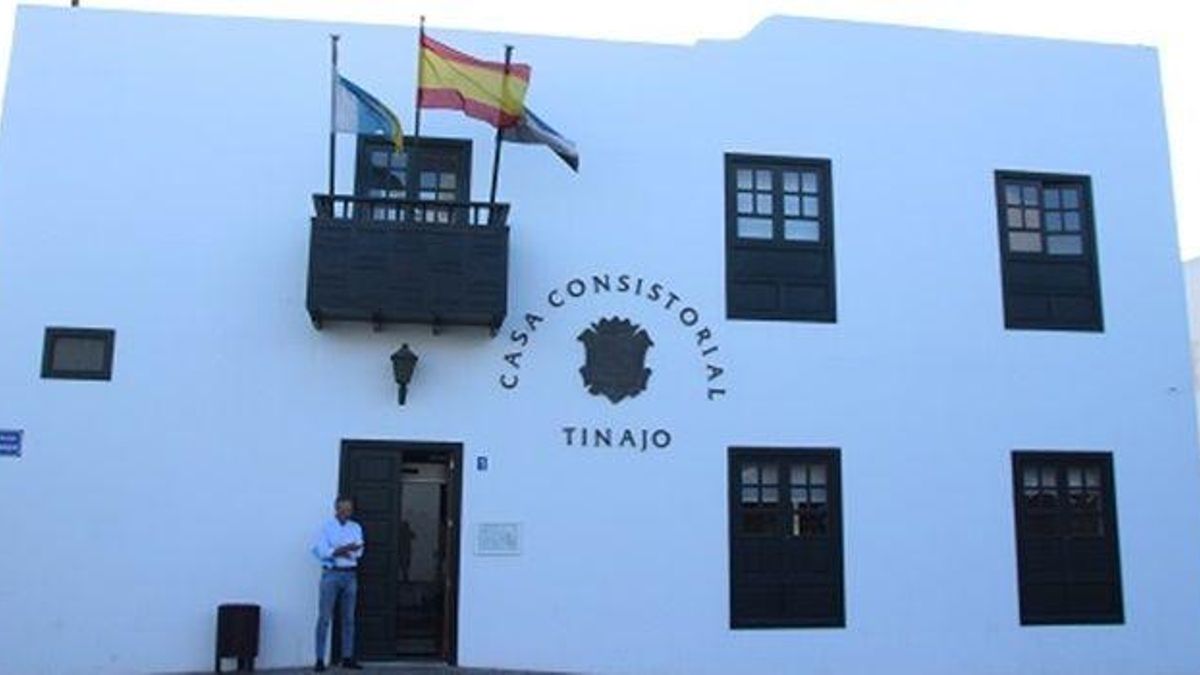
Small Canary Islands municipalities such as San Juan de la Rambla, Betancuria and Tinajo have updated documents that were still priced in pesetas — a currency withdrawn from circulation in 2002 — thanks to support from the Virtual Office for Demographic Challenge. The regional minister for Territorial Policy, Territorial Cohesion and Water, Manuel Miranda, gave this account on Tuesday during a plenary session of the regional parliament.
Examples cited during parliamentary appearance
The minister cited these examples while reporting, in an appearance requested by the Canarian Coalition (CC) group, on the office’s work updating municipal tax ordinances — one of the tasks through which it assists councils with fewer than 10,000 inhabitants.
More than a thousand files since May 2025
Miranda explained that since the so-called “challenge office” was launched in May 2025 — a commission managed by the public company Gesplan — the service has received more than a thousand files from the least populated councils, and in over 80% of cases it has already returned the documentation to the municipalities so they can continue processing it.
Used by 45 of the 47 smallest municipalities
According to the minister, 45 of the 47 Canary Islands municipalities with fewer than 10,000 inhabitants use this tool, whose purpose is to make up for the shortages of staff and resources that hamper their administrative management.
Construction licences and tax ordinances among requests
Among the requests received are 384 relating to construction licences, more than a hundred concerning municipal tax ordinances, more than 70 on contracting, a similar number on the drawing up of tender specifications and budgets, and 64 on applications for subsidies.
Support for licences aimed at expanding housing supply
The minister specified that support with licences does not amount to granting them, but consists of helping municipal technicians process them, and he linked this work to the possibility of expanding the housing supply.
Platform offers training and model documents
The platform has 236 public employees from councils and island governments registered, who can access training and more than 350 model documents to make procedures easier.
Office reinforces municipal autonomy
Miranda argued that the office strengthens municipal autonomy and highlighted trust between officials and the public company as one of the keys to its operation.
What’s happening in the Canaries – straight to your phone
News, weather alerts and practical updates – direct from the islands, in English. We live here and know what’s going on – before the international media catch up. Everything lands on our WhatsApp channel – no middlemen, no algorithm. Curated for families, expats and travelers.

Two tonnes of illegal tropical fruit seized at Tenerife port

Canary Islands approves new €1.6bn development fund

Mogán mayor says her €65,000 salary is too low
Abandoned cars in Canary Islands: hundreds left to rot
Work resumes on 27 affordable rental homes in Las Palmas
Los Realejos residents fight on against propane gas plant

Canarias among Spain’s poorest regions as 36.2% live on low incomes

Canary Islands bananas lose ground to imported bananas
Canary Islands bottom of Spain’s social housing table