Compiled with the help of artificial intelligence, based on Spanish-language information. Source below the article.
Guardia Civil investigates eleven over fake holiday rental scams
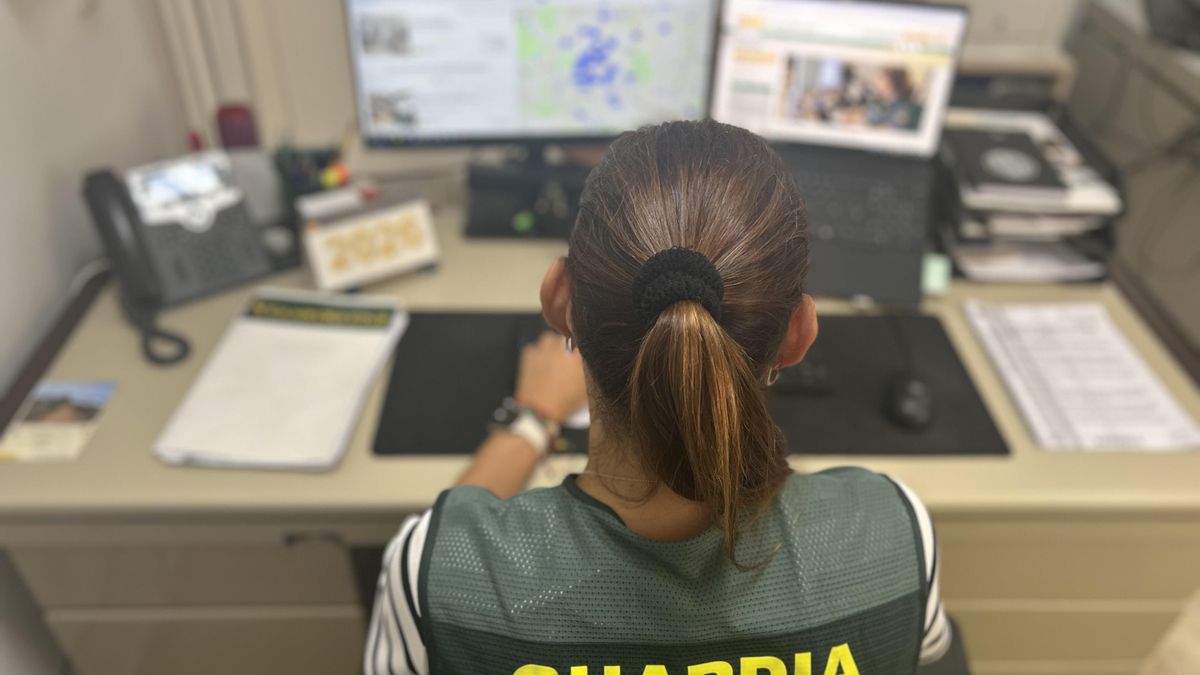
The Guardia Civil is investigating eleven people – eight residents in Tenerife and three in Salamanca, aged between 19 and 45 – on suspicion of defrauding several victims through fake holiday rentals. According to sources at the force, the suspects deceived their victims using social engineering techniques, publishing fraudulent rental adverts on a website they had created that appeared to belong to a legally constituted company dedicated to managing accommodation.
How the fraud worked
Once contact with the victims was established, the suspects asked them to pay various sums of money as a reservation fee, deposit or other expenses related to the supposed rental. Payments were made mainly by bank transfer and through money sent via Bizum. When the victims made the payment and tried to access the accommodation they had booked, they discovered that the properties on offer were not available.
Stolen identities hampered the investigation
Work carried out by the @ Team in Playa de las Américas, which specialises in tackling cybercrime, allowed investigators to identify bank accounts, phone lines and email addresses used in the operation. During analysis of all the information gathered, it was confirmed that some of these means had been contracted using personal data and documents belonging to third parties whose identities had been usurped, which made it difficult to identify those responsible.
As a result of the investigation, eleven people have been identified and are being investigated for their possible involvement in the events. The proceedings drawn up have been sent to the competent judicial authority.
Advice to avoid falling victim
The Guardia Civil urges the public to be wary of adverts in which the rental price is excessively low and of advertisers who cannot speak by phone for whatever excuse. It also recommends checking how many people have previously rented the accommodation and reading the reviews they leave, as well as searching online for the details provided by the advertiser, since other defrauded users sometimes share their experiences after being scammed. It likewise advises caution when advertisers demand rapid payment and, before making a bank transfer, making sure the advertiser offers sufficient guarantees.
What’s happening in the Canaries – straight to your phone
News, weather alerts and practical updates – direct from the islands, in English. We live here and know what’s going on – before the international media catch up. Everything lands on our WhatsApp channel – no middlemen, no algorithm. Curated for families, expats and travelers.

Housing crisis in Canary Islands: a failed legislature

Housing crisis dominates Canary Islands pre-election debate

26 new social homes fast-tracked in Gáldar, Gran Canaria

Blackstone owns 506 homes in Las Palmas de Gran Canaria
Spain’s business cartels and the fight for fair markets
PSOE warns Tenerife fire prevention cuts risk lives

Driverless truck crashes into Air Force gate in Las Palmas

Lanzarote housing assembly demands action on evictions

World’s first octopus farm scrapped in Las Palmas