
Compiled with the help of artificial intelligence, based on Spanish-language information. Source below the article.
Guardia Civil targets tyre safety in new road campaigns
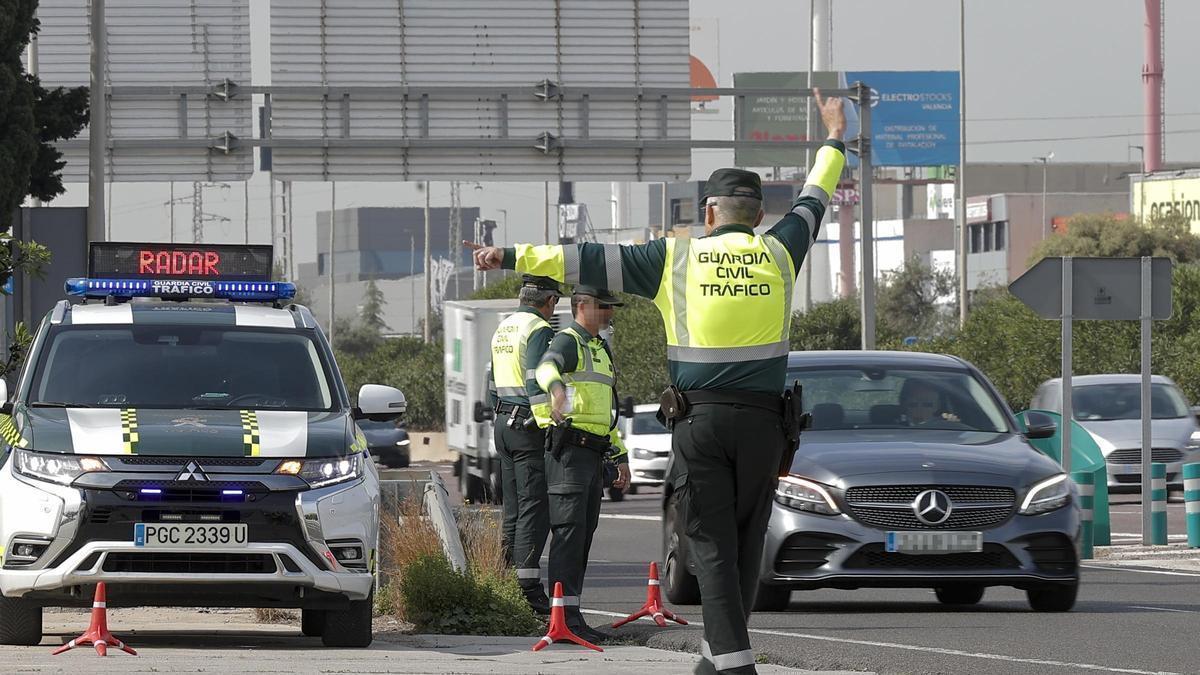
The Guardia Civil’s job is to protect the public, and it does this through road inspection campaigns that focus on checking specific parts of vehicles. The aim is to guarantee road safety and make sure drivers comply with the regulations required on Spanish roads.
Tyres are one of the most fundamental components of any vehicle; their grip on the road surface is essential for drivers to be able to travel safely. When maintaining your vehicle, it is important to know the indicators that warn you when the tyres need to be replaced. In such cases, fines range from 90 to 200 euros, and can increase depending on the number of damaged tyres.
What are the fines for defective tyres?
Non-approved tyres: driving with competition or racing tyres on a conventional road can result in a fine of between 90 and 120 euros per tyre.
Different tyres on the same axle: this is an infringement that carries a fine of 150 euros per tyre.
Excessively worn tyres: the tread must have a minimum depth of 1.6 mm. Each wheel that falls below this limit can lead to a fine of up to 200 euros, as it is considered a serious infringement.
Tyres in poor condition: watch out for cracks or bulges, as in the event of an accident, other vehicles could be involved due to poor maintenance. This infringement is also considered serious and carries penalties of 200 euros.
The importance of correct tyre pressure
Although neither the Highway Code nor the DGT (Directorate-General for Traffic) currently contemplates sanctions for not carrying the correct tyre pressure, experts still advise checking it, especially before setting off on long journeys. Low pressure can cause tyre wear, increase fuel consumption, raise the risk of a puncture and reduce braking efficiency, putting both the driver and other road users in danger.
The useful life of a tyre is usually ten years from its date of manufacture, but it is essential to have them inspected annually to prevent unnecessary risks. It is also worth remembering that vehicles typically have their tyres changed every 45,000 kilometres, following periodic checks, because in some cases they may need to be changed sooner, or they may still be good for a few more kilometres.
When do tyres suffer the most wear?
These are the moments when tyres are put under the most strain:
- When temperatures are extreme
- When driving at high speeds
- When the air pressure is incorrect
- When circulating with a heavy load on a regular basis
- When driving on roads with poor-quality asphalt
No spare wheel? The rules on repair kits
Cars no longer carry spare wheels; they now come with a puncture repair kit that takes up less space and means less weight for the vehicle. It is very important to have this new repair system because, in the event of a tyre failure, you need to be able to fix it to reach the nearest garage. Not carrying either of these two options to repair or replace a tyre if it becomes damaged while driving can result in a fine of between 200 and 800 euros, depending on the severity of the case.
The purpose of these campaigns is not to fine drivers, but to prevent incidents on Spanish roads and guarantee maximum safety when travelling.
What’s happening in the Canaries – straight to your phone
News, weather alerts and practical updates – direct from the islands, in English. We live here and know what’s going on – before the international media catch up. Everything lands on our WhatsApp channel – no middlemen, no algorithm. Curated for families, expats and travelers.

Tuesday: heavy showers and storms in El Hierro

El Hierro issued yellow warning for heavy rain

Monday: autumn showers and a cooler feel

Sunday: scattered clouds and showers on the islands

Saturday: cooler air and clearing Saharan dust

Canary Islands weather: rain and storms on the way

Friday: summer heat before an autumnal weekend

Tuesday: cloud, showers and a building swell

Monday: cloud cover and scattered showers
