Compiled with the help of artificial intelligence, based on Spanish-language information. Source below the article.
Historic milestone for La Palma airport
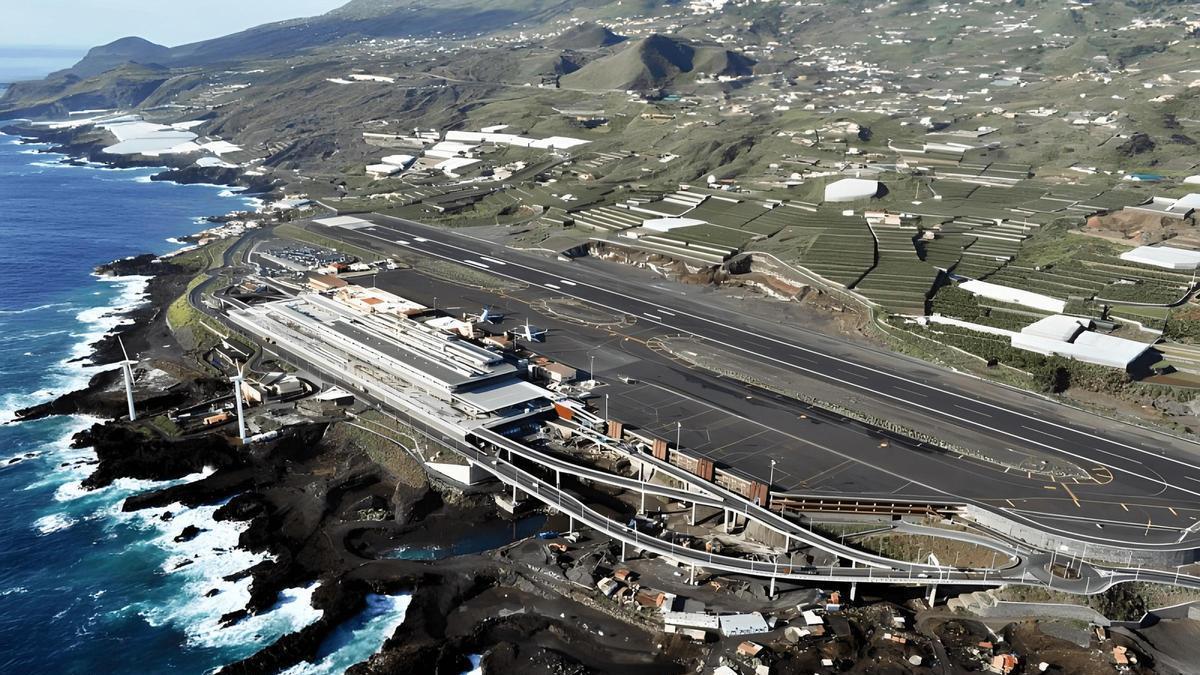
La Palma airport has shattered its historic record. A total of 146,151 passengers passed through its facilities during July, the highest figure ever recorded in the 56-year history of the aerodrome, which sits between Villa de Mazo and Breña Baja. The figure also represents a 9.1% increase compared with July 2025, the largest percentage growth recorded among the eight Canary Islands airports, according to data from Aena.
A clear sign of tourism recovery
The figure arrives at a particularly significant moment for La Palma’s tourism recovery. After several difficult years, marked among other factors by the consequences of the 2021 Tajogaite eruption, the island is beginning to show clear signs of improvement. The airport has become one of the key barometers of this progress. More travellers mean more activity in hotels, restaurants, shops, leisure companies and tourism-related businesses.
La Palma’s performance stands out particularly when compared with the Archipelago as a whole. The eight Canary Island airports recorded 4.7 million passengers in July, up 1.3% on the same month the previous year. The growth at La Palma’s airport, at 9.1%, is seven times greater than the Canary Islands average and places it firmly as the fastest-growing aerodrome during the month.
Previous records left far behind
The new maximum leaves the previous monthly record well in the dust, which was set in March 2025 with 140,285 passengers. July’s achievement also surpasses the 138,846 travellers of August 2025, the 138,804 of March 2024 and the 138,166 recorded in August of that same year. The four previous records already showed an upward trend, but now La Palma has managed to break through the 145,000-passenger barrier for the first time, thanks to 2,380 operations last month and a 61% rise in international passengers.
Beyond the airport statistics
The record tells a story that goes beyond airport statistics. The Isla Bonita is regaining its tourist appeal and connectivity data supports that evolution. The arrival of visitors is a vital component of an island economy in which tourism carries increasing weight, and where recovery after recent years demands winning back markets and strengthening the offering.
56 years of history
La Palma’s airport opened a new chapter for the island 56 years ago. On 24 February 1970, the first aircraft touched down, a DC-3 from the Spanish Air Force. Direct flights between La Palma and Gran Canaria began on 3 April with Fokker F-27 aircraft. The official inauguration took place on 15 April that year, when the State Gazette authorised the opening of the new facility and the closure of the old Buenavista airport. Since then, the aerodrome has kept pace with the island’s economic and tourism development.
Record-breaking year ahead
July’s figure now marks a fresh leap forward. A total of 146,151 passengers in a single month makes 2026 the year in which the airport has achieved the highest volume of travellers in its entire history. At this pace, it is well on course to comfortably surpass the annual records of 1.5 million passengers in 2025 and 1.49 million in 2024. The figures from before 2015, when the aerodrome did not exceed one million users, now seem a distant memory.
Hotel occupancy confirms the turnaround
The historic figures come after La Palma’s tourism sector finally left behind the long shadow of the Tajogaite volcano. The island closed July with hotel and extra-hotel occupancy of 75.89%, the largest growth registered in the Canary Islands compared with the same period the previous year. The figure represents an increase of more than ten percentage points against the 65.6% recorded in July 2025 and confirms the recovery of a destination that has spent recent years fighting to regain its momentum following the 2021 volcanic eruption.
The growth in international routes, the addition of more airline seats and the strong performance of the Spanish mainland market go a long way to explaining much of this upturn. Added to this is the phenomenon of last-minute bookings, which once again pushed occupancy above the forecasts made at the start of the summer.
What’s happening in the Canaries – straight to your phone
News, weather alerts and practical updates – direct from the islands, in English. We live here and know what’s going on – before the international media catch up. Everything lands on our WhatsApp channel – no middlemen, no algorithm. Curated for families, expats and travelers.

Canary Islands international air arrivals fall 1.3% in September

Helicopter evacuates US cruise passenger near Tenerife

El Hierro airport sees 3.6% rise in September passengers

Gran Canaria approves €509k works to shore up GC-200 slope

Canary Islands gets €47.5m for free public transport in 2026
Canary Islands airports see 0.9% fall in September passengers

El Rejo road in La Gomera to close for six hours on Tuesday

Man, 65, seriously injured in GC-1 crash in Agüimes

Las Palmas traffic changes for emergency sewer works