€5 million scheme targets rural depopulation
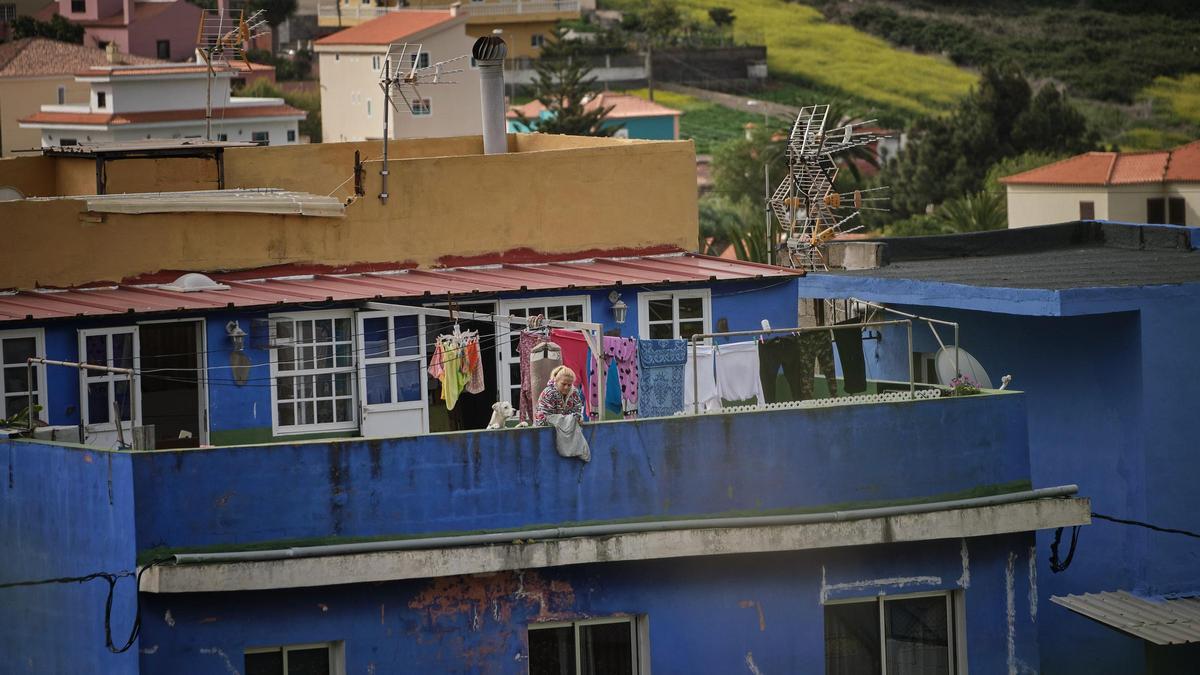
The Canary Islands Ministry of Public Works, Housing and Mobility, through the Canary Islands Housing Institute (ICAVI) led by Pino de León, has published a new call for applications this week for the 2026 aid package to combat depopulation in rural areas. The programme has a total budget of €5 million and will benefit 58 town councils across the archipelago, all with populations of fewer than 20,000 residents. The aim is to promote home refurbishment in rural settings, improve living conditions, and encourage people to stay in the islands’ least populated areas.
Application window opens
Interested councils can submit their projects from this Friday until 15 June. The distribution of funds was approved by the monitoring committee for the agreement between the Canary Islands Housing Institute and the Canary Islands Federation of Municipalities (Fecam). Allocations are based on population size (50 per cent), the number of applicants registered on the Canary Islands Protected Housing Applicant Register (30 per cent), and a fixed criterion of inter-municipal solidarity (20 per cent).
Beneficiary councils will be responsible for processing, managing and awarding the subsidies according to the programme’s established criteria.
Eligible works and improvements
Subsidised projects include the renovation of standalone homes or interior sections of buildings; alterations to improve accessibility and adapt homes for people with reduced mobility or functional diversity; installation of smart home systems to promote personal independence; and upgrades to kitchens, bathrooms and toilets to ensure basic living standards are met. The programme also covers energy efficiency improvements and work on standalone homes that fall outside planning regulations, provided such work helps move towards regularisation.
Island-by-island breakdown
Tenerife receives the largest share of the funding, with 17 beneficiary councils. It is followed by La Palma with 13, Gran Canaria with 12, La Gomera with six, Lanzarote with four, and Fuerteventura and El Hierro with three each.
Tenerife
The Tenerife councils receiving funding are Santa Úrsula (€239,409.43), El Rosario (€214,592.73), Santiago del Teide (€175,227.18), Tegueste (€120,918.21), La Matanza de Acentejo (€116,578.04), El Sauzal (€116,098.86), La Victoria de Acentejo (€107,639.10), Arico (€94,867.97), Garachico (€84,921.78), Los Silos (€76,184.58), Arafo (€69,104.73), La Guancha (€68,779.22), Buenavista del Norte (€65,628.46), San Juan de la Rambla (€64,356.86), El Tanque (€48,110.84), Fasnia (€42,864.62) and Vilaflor de Chasna (€28,838.74).
Gran Canaria
On Gran Canaria, aid will go to Santa Brígida (€152,870.99), Santa María de Guía (€152,664.48), Teror (€124,534.74), Agaete (€97,792.65), Valsequillo (€91,339.03), Firgas (€85,871.22), Moya (€84,521.50), Vega de San Mateo (€72,776.36), La Aldea de San Nicolás (€68,438.90), Valleseco (€61,445.17), Tejeda (€31,119.85) and Artenara (€24,739.58).
Lanzarote
In Lanzarote, Yaiza will receive €280,765.47, followed by San Bartolomé (€200,627.73), Tinajo (€66,671.48) and Haría (€60,108.64).
Fuerteventura
In Fuerteventura, Tuineje will get €140,252.87, Antigua €117,483.91 and Betancuria €24,072.07.
La Palma
Subsidies on La Palma will benefit Santa Cruz de La Palma (€165,322.10), El Paso (€99,335.70), Breña Alta (€92,829.24), Tazacorte (€84,253.50), Breña Baja (€79,133.09), Puntallana (€61,915.01), San Andrés y Sauces (€61,537.87), Villa de Mazo (€56,479.72), Puntagorda (€53,188.56), Tijarafe (€50,140.09), Barlovento (€32,934.57), Fuencaliente (€32,747.78) and Garafía (€32,711.98).
La Gomera and El Hierro
On La Gomera, aid will reach San Sebastián de La Gomera (€102,343.78), Valle Gran Rey (€50,299.79), Vallehermoso (€39,267.02), Alajeró (€38,032.10), Hermigua (€33,396.23) and Agulo (€25,400.31). Finally, in El Hierro, Valverde will have €55,706.09, Frontera €49,950.76 and El Pinar €30,856.74.
Long-term strategy to anchor communities
With this call for applications, the Canary Islands government continues to strengthen its strategy for retaining population in the mid-altitude zones and rural municipalities. The programme promotes decent, accessible housing adapted to residents’ current needs, while helping to create a more cohesive territory and combat depopulation across the archipelago.
What’s happening in the Canaries – straight to your phone
News, weather alerts and practical updates – direct from the islands, in English. We live here and know what’s going on – before the international media catch up. Everything lands on our WhatsApp channel – no middlemen, no algorithm. Curated for families, expats and travelers.

Two tonnes of illegal tropical fruit seized at Tenerife port

Canary Islands approves new €1.6bn development fund

Mogán mayor says her €65,000 salary is too low

Abandoned cars in Canary Islands: hundreds left to rot
Work resumes on 27 affordable rental homes in Las Palmas

Los Realejos residents fight on against propane gas plant

Canarias among Spain’s poorest regions as 36.2% live on low incomes

Canary Islands bananas lose ground to imported bananas
Canary Islands bottom of Spain’s social housing table