
From city centre to countryside
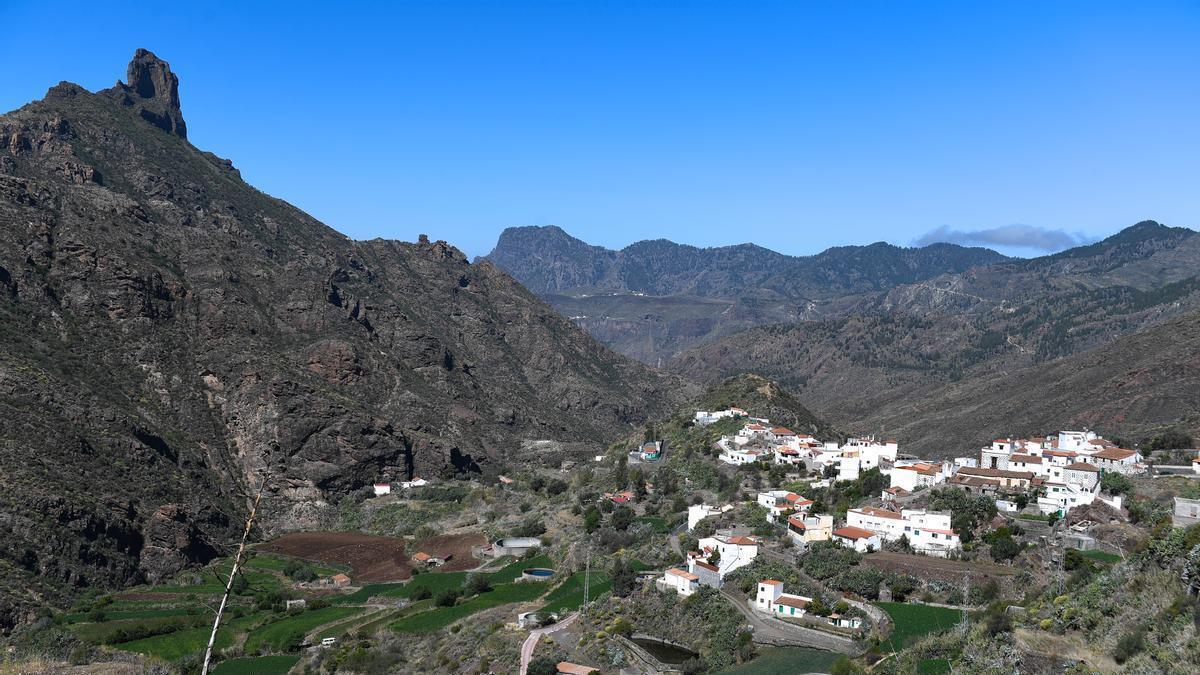
Searching for a home in the Canary Islands has become a near-impossible mission. Many begin the process hoping to limit their search to urban and central areas, but scarce supply and exorbitant prices are pushing a growing number of residents to broaden their horizons. Being close to a town centre is no longer a priority, and more people than ever—looking for options that are kinder to their wallets—are considering buying a home in rural areas. The countryside is gaining appeal.
Rural sales rise as urban deals fall
This shift is reflected in provisional data from the National Statistics Institute’s (INE) Property Rights Transfer Statistics (ETDP), which show that sales transactions on rustic land in the Canary Islands have risen by 5.7% in the first part of this year compared to the same period in 2025. This trend runs counter to that seen for urban properties across the Islands, where deals have fallen by 2.3% compared to the start of last year. That said, the difference in absolute numbers remains significant. Between January and February, 6,699 purchases were completed in urban areas, compared to just 578 on rural plots. These figures would be far higher if the supply of housing in rural zones were greater.
Demand has shifted, but supply hasn’t followed
The reality of the market, experts agree, is that demand has already moved, but the product has not kept pace. “The interest in leaving urban centres is not new; it has been growing for some time,” explains José Saavedra, spokesperson for the Canary Islands Association of Real Estate Management Companies (Acegi). However, this change in trend is barely translating into actual transactions. “There is no stock. The demand exists, but it does not materialise because there are no homes available,” he summarises. Unlike the situation on the mainland, where it is possible to find villages with a high number of empty houses, the shortage in the Canary Islands also affects rural areas. Shorter distances and population density mean that even municipalities far from the capitals lack sufficient supply. “It is not just a city problem; it is a problem affecting all the Islands,” insists Saavedra.
Legal hurdles and financing roadblocks
Compounding this lack of housing is an additional obstacle. A large portion of the housing stock on rustic land presents legal or planning difficulties that complicate buying and selling, particularly when financing is involved. Banks are extremely cautious with this type of transaction, as many buildings lack clear registration status or are not compliant with planning regulations. This further limits the real chances of access. “Three out of every four purchases require a mortgage, and that is where many deals fall through,” notes the Acegi spokesperson. The result is a stressed market where demand shifts but finds no outlet.
From holiday home to primary residence
Previously, this type of transaction was more closely linked to second homes, weekend getaways, or occasional use. However, that pattern has also changed. Market pressure has turned these searches into a housing necessity rather than a leisure option. “Today, the demand is for primary homes,” stresses Saavedra. Furthermore, this is not a phenomenon driven by foreign buyers, who continue to concentrate in tourist and coastal areas. Instead, it is mainly driven by residents of the Islands who, faced with a lack of alternatives in urban centres, are expanding their search radius. The idea of moving to the countryside is gaining ground among those seeking more affordable options, although in practice, this movement often remains just an intention.
More a move to the periphery than the wilds
The CEO of real estate agency Ziegel, Aythami Rivero, adds some nuance, pointing out that the dominant trend is not so much abandoning the urban as moving away within it. “People are not moving en masse to rustic land; rather, they are moving to more peripheral urban areas where they can still find somewhat lower prices,” he explains. Ultimately, the market is readjusting without solving the underlying problem. The lack of supply, both in the city and in the countryside, continues to set the pace. “There are many people looking for a home in the Canary Islands and very little product available. As long as that does not change, the tension will continue,” warns Rivero.
What’s happening in the Canaries – straight to your phone
News, weather alerts and practical updates – direct from the islands, in English. We live here and know what’s going on – before the international media catch up. Everything lands on our WhatsApp channel – no middlemen, no algorithm. Curated for families, expats and travelers.

Vivanta shuts all dental clinics including six in Tenerife

Civil Guard warns of digital skimming threat to online shoppers

Tenerife shifts FDCAN funds from roads to housing

PSOE warns Arrecife plan could ‘bury’ El Cable beach in concrete

Canary Islands faces loss of 20% of self-employed workers

Canary Islands to get 26 new substations by 2030

Canary Islands poverty rates stuck since pandemic

Court backs eviction over verbal room rental in Arona

Canary Islands pushes for 10-year residency rule for foreign buyers
