Compiled with the help of artificial intelligence, based on Spanish-language information. Source below the article.
Archive honours Gran Canaria’s trans trailblazers
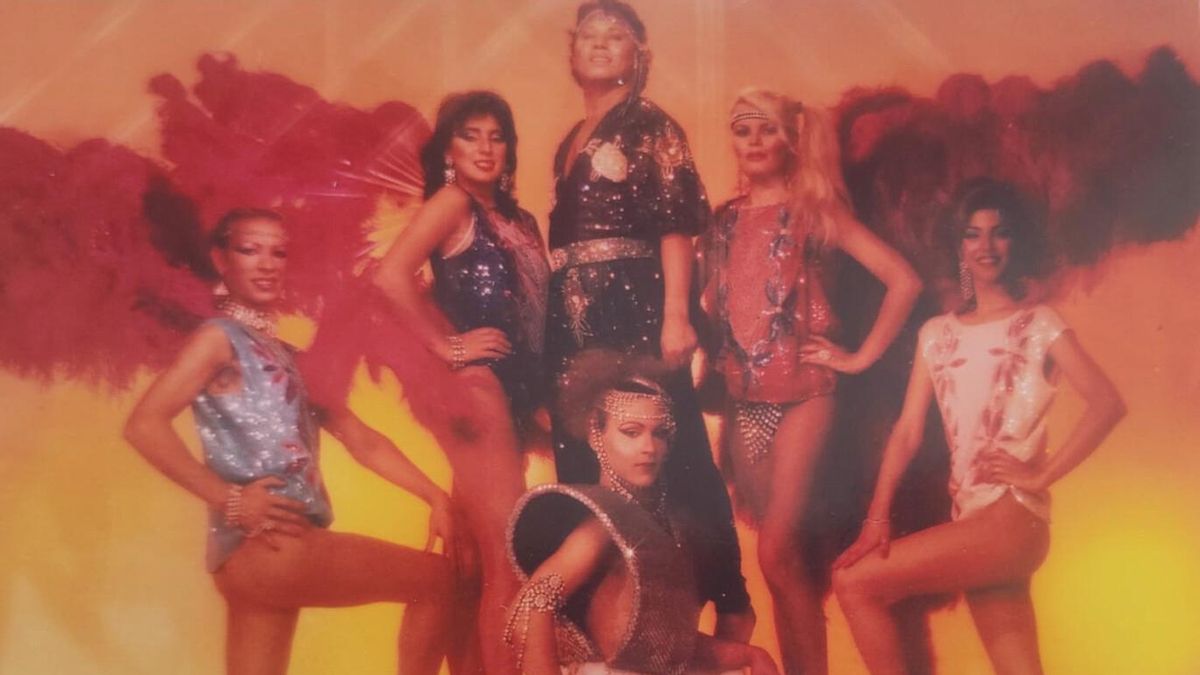
When Luis Lorite set about creating the Archivo Viejas Glorias, he did so in the firm belief that the artistic legacy of trans and travesti artists since 1976 should not only be rescued, but celebrated. It all began with a search for testimonies and witnesses to what was once a city open to the world through its port, emerging from a cruel 40-year dictatorship, and to a community of women who wanted to try every form of freedom through song, dance and humour, with the generosity to place Las Palmas de Gran Canaria on a cultural circuit of repertoire and ideas that were being staged in venues and theatres on the international scene.
A project born from one of the old glories
“This project came about because of one old glory, Margaret García,” the archive’s coordinator tells this newspaper. “I met her during a Pride campaign for the Canary Islands Government in 2024, where she represented the trans community. She told me she had been an artist at a fiesta venue in Las Palmas fifty years earlier and that she dreamed of meeting her audience again, believing that if they were her age, they would now be in care homes.”
Fate decreed that Margaret died in the same week that the Women’s Institute of the Ministry for Equality granted funding for the project, turning it entirely into a tribute to her memory. “We needed no further confirmation.”
Performers, not just survivors
For Lorite, who has worked in the performing arts all his life, it was crucial that the project restore to trans artists a dimension sometimes hijacked by the perception of them as victims or survivors. The aim is to broaden the gaze and recognise the contribution they made and the quality of their shows, which held audiences for more than ten years. “I had the hypothesis, and I have confirmed it, that they were artists, creators, performers, who went on to enjoy great success. At the Britania venue, they filled the place from Sunday to Tuesday for more than a decade, sometimes doing two shows and bringing coachloads of tourists up from the south.”
The courage to be themselves
The Greek poet Pindar said that may all human beings become who they truly are. Sometimes it takes a lifetime, and sometimes it comes too late. The old glories had the courage to stake everything on freedom and on being who they truly were, at a price that was sometimes very high, in order to walk a hundred steps ahead of those who criticised them in public and envied them in private. They embodied that transformation of the entire country like nobody else, with a curious eye that went beyond the artistic. They showed what could be done with the new freedom the country was just beginning to taste. Freedom in its raw potential after forty years of moral, mental and cultural castration. These women seized that freedom and blew it wide open.
A living archive, still growing
Although the Viejas Glorias compilation work, presented this week in Gran Canaria, has focused on the period between 1976 and 1998, it does not claim to be a closed account. Instead, it aims to keep collecting archives, photographs, programmes and posters, and to continue that dialogue between audience and artists. All the photographs in the project, which can be seen on its website, show people living in their city, moving among the public. Take Sandy, for example, who was not only a performer but also a seamstress, sewing for carnival, and in doing so dismantling prejudice.
Luis Lorite invites anyone who wishes to contribute material to do so through the archive’s web form. This newspaper ends the interview by asking him whether art must be transformative: “It is the only reason to make art,” he says.
What’s happening in the Canaries – straight to your phone
News, weather alerts and practical updates – direct from the islands, in English. We live here and know what’s going on – before the international media catch up. Everything lands on our WhatsApp channel – no middlemen, no algorithm. Curated for families, expats and travelers.
Teno Alto: Documentary Fights to Save a Village

El Trompas charged over Claudia Tacoronte murder
Gran Canaria’s World Cup 2030 plans spark fierce opposition

Arrest made in murder of Canarian student in Mexico

Atalaya Blues Festival returns to Santa Brígida
Norwegian film Butterfly showcases Gran Canaria

Fuerteventura’s Virgen de la Peña fiestas 2026
Tenerife parrot congress marks 40 years with record 800 experts
Boat’s close call with diver off Adeje coast