State workers told to work from home as Pope’s visit threatens traffic chaos
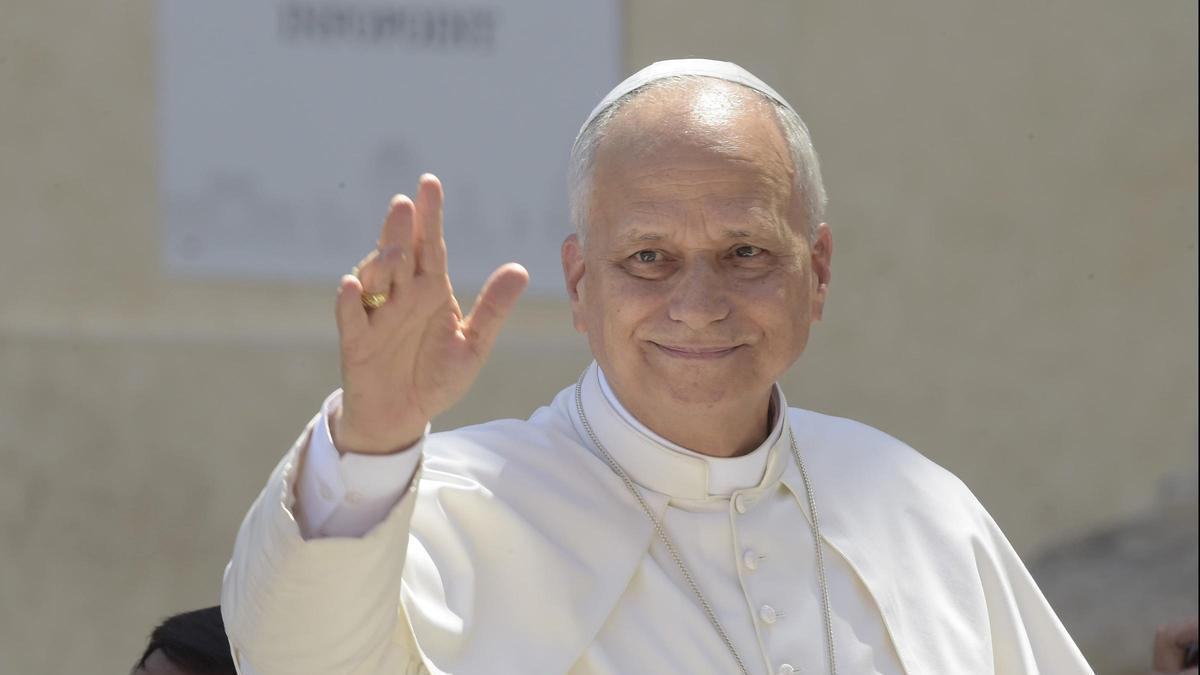
The Spanish government’s representative in the Canary Islands has instructed all state-run bodies to promote working from home and reduce travel on 12 June, amid forecasts of severe traffic disruption. The instruction was issued following a Security Committee meeting held to plan the upcoming papal visit, scheduled for that date. The meeting fleshed out a cross-agency operation covering not only strict security matters but also mobility management, healthcare provision and logistical coordination for what is expected to be a major social and organisational event on the islands.
Comprehensive security and mobility plan for historic papal visit
The meeting was chaired by senior officials from the various administrations involved, with state and regional coordination taking centre stage. Also present were police and security forces, emergency services, municipal representatives and church officials linked to the organisation of the event, which forms part of the Pontiff’s pastoral agenda in the Canary Islands. One of the key issues addressed was the mobility forecast for 12 June, when a massive influx of people is expected to attend the various events. According to estimates presented during the meeting, traffic on the main roads leading to the event sites could reach levels comparable to, or even exceeding, those of a public holiday, particularly during the peak hours of the central ceremonies.
Faced with this scenario, the government delegation in the Canary Islands has announced that instructions have been given to all bodies under the General State Administration in the archipelago to encourage remote working on that day, with the aim of reducing unnecessary journeys and easing pressure on the road network. This measure forms part of a wider preventive plan designed to minimise risks and ensure the smooth running of the mobility operation. The government’s representative in the Canary Islands, Anselmo Pestana, stressed during the meeting the need for advance planning and rigorous preparation for an event of this nature, highlighting that coordination between administrations is “essential to guarantee safety and the normal running of the day”.
Pestana insisted that the primary objective is to reconcile a large-scale celebration with the least possible disruption to people’s everyday lives, especially concerning work travel and access to services. In this regard, strong emphasis was placed on the fact that 12 June should be treated, for all practical mobility purposes, as a public holiday in terms of traffic flow. This will mean bolstered public transport services, adjustments to the opening hours of essential services, and a general recommendation to avoid private vehicle use except where strictly necessary.
‘A day of reflection, participation and organisational normality’
On the ecclesiastical side, the bishop of the Diocese of San Cristóbal de La Laguna, Eloy Santiago, who is overseeing the visit’s organisation, gave a positive assessment of the preparations and highlighted the historic nature of the event. He stressed the importance of the day unfolding “in an atmosphere of reflection, participation and organisational normality”. Eloy Santiago also emphasised the importance of institutional collaboration in enabling the orderly access of the faithful to the various scheduled events, as well as the need to guarantee adequate spaces for pastoral care and the welcoming of attendees. In his remarks, he insisted that the spiritual dimension of the event must be matched by logistical planning that allows the day to be experienced with serenity and safety.
Major security operation and emergency medical plan
The security operation drawn up includes a significant reinforcement of police presence in the areas with the highest concentrations of people, as well as staggered access controls, preventive surveillance measures, and the establishment of security perimeters around the main sites where the liturgical events will take place. Specialist units for managing large events and crowd control are also expected to be deployed. In parallel, emergency health services have defined a specific action plan that will include the installation of advanced medical points, strategically positioned ambulances and rapid response teams ready to deal with any incidents. This will all be coordinated with Civil Protection services and support volunteers, who will play a key role in directing the flow of attendees and providing information.
Traffic restrictions and public advice to come
Another aspect addressed by the Security Committee was the planning of traffic and urban mobility, with particular attention to access routes to the celebration sites and evacuation roads. The possibility of implementing temporary road closures, alternative diversions and parking restrictions in sensitive areas is being studied, and these measures will be communicated to the public well in advance. The authorities have insisted that the entire plan is based on a preventive approach, aimed at avoiding extreme congestion and ensuring that both those attending the events and the rest of the population can go about their daily activities with as little inconvenience as possible.
The Security Committee has agreed to hold further technical meetings in the coming days to finalise the details of the operation, as well as to strengthen institutional communication channels to disseminate advice to the public and coordinate the response to any eventuality. With the Pope’s visit as the centrepiece of the operation, all the administrations involved agree that the organisational challenge is immense, both because of the size of the expected turnout and the associated logistical complexity. Nevertheless, a message of confidence has been conveyed in the capacity for cross-agency coordination to ensure the success of the event, which is expected to draw thousands of people and mark a day of high intensity, both religiously and organisationally.
What’s happening in the Canaries – straight to your phone
News, weather alerts and practical updates – direct from the islands, in English. We live here and know what’s going on – before the international media catch up. Everything lands on our WhatsApp channel – no middlemen, no algorithm. Curated for families, expats and travelers.

Tenerife faces huge tourism expansion despite moratorium calls

El Bejeque in Las Canteras adds sea to its fire

Siam Park Gran Canaria must build its own desalination plant
Fuerteventura’s biggest resort to open on 1 November
Gran Canaria to teach tourism history in schools
Canary Islands see 0.3% rise in foreign tourists in August
Row over 368-bed hotel project in La Gomera
Spanish astronaut trains in Lanzarote for Moon mission

Tivoli La Caleta hosts first red tuna Kaitai in Canarias