
Giant Tanker’s Close Pass Reignites Maritime Safety Concerns
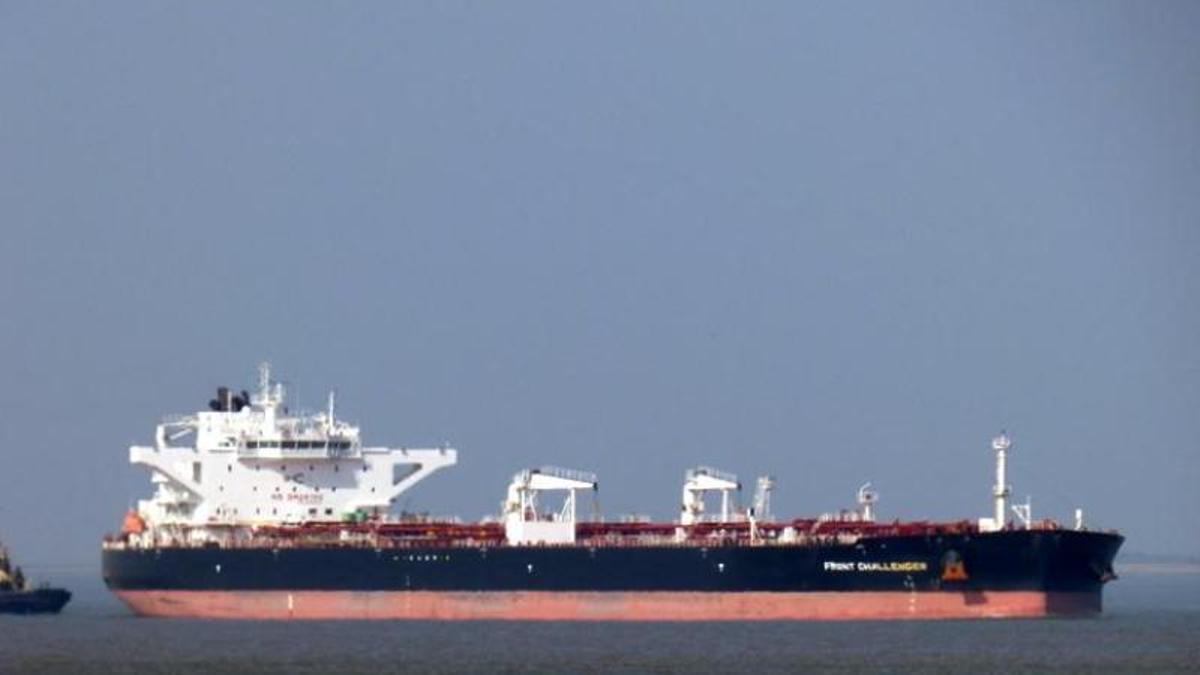
The transit of the oil tanker Front Challenger, measuring 275 metres in length, a mere nine miles from La Gomera has ignited a fierce debate over maritime safety in the Canary Islands. Although its navigation was completely legal under the concept of “innocent passage,” experts warn that such situations are “ill-advised” due to the potential risks they entail.
Legal Transit Carries Inherent Risks
The vessel was sailing in ballast, meaning without cargo, but can still carry over 500 tonnes of fuel for its own consumption. This significantly increases concern in the event of an incident in an especially sensitive area. The journey occurred within the Canary Islands’ Particularly Sensitive Sea Area (PSSA) and the Traffic Separation Scheme (TSS) implemented between Tenerife, Gran Canaria and Fuerteventura to organise the passage of large ships and minimise risks.
Limitations of Current Monitoring Systems Exposed
While this was not a “ghost tanker” or an irregular vessel, its proximity to the islands is unusual and highlights the limitations of the current system, which is focused primarily on traffic monitoring. The main problem, according to sector voices, is not the legality of the transit, but the capacity to react to an emergency.
Should the vessel lose power, a key question arises: how long would it take for a deep-sea tug to arrive to prevent a dangerous drift towards the coast? These types of scenarios, which often occur in adverse weather conditions, recall past incidents and reinforce the need to improve response protocols.
Renewed Calls for a Unified Coastguard
The situation has revived the discussion about creating a unified coastguard service in Spain, with a permanent presence and operational capacity in waters close to the archipelago. Currently, Spain maintains an effective maritime surveillance system, but it is largely passive in nature, which limits immediate intervention in critical cases.

Vueling plane lands with landing gear fault at Los Rodeos

Ferry contract to Canary Islands declared void

Bomb threat on Vueling flight triggers Gran Canaria airport security operation

Cruise to Canaries cancelled after collision in port

Tenerife tram delays worsen amid staff shortages

Titsa adjusts night bus times for clock change on Tenerife

Night roadworks to disrupt TF-1 traffic from Sunday

Public service obligation for Canary inter-island flights announced

Iberia accused of ejecting passengers from paid seats
