
Gran Canaria Space Centre Backs NASA’s Return to the Moon
The Canary Islands Space Centre in Maspalomas, in the south of Gran Canaria, will provide support to NASA for the crewed Artemis II mission to the Moon. The launch is scheduled for Wednesday, 1st April at 18:24 Eastern US time (22:24 GMT), according to Cristian Rodríguez, the technical head of these operations, who spoke to EFE.
Historic Support Role from the Atlantic
The Maspalomas Space Station will assist NASA, as it did during the Apollo XI mission, not only during the orbital entry and exit phases—as it will this time—but also in monitoring astronaut health. This will be done using data received from the sensors the crew are wearing specifically for that purpose, Rodríguez indicated.
The Critical Work of the Engineering Team
From the Canary Islands Space Station, a team of ten engineers from various disciplines will provide support during the ten-day mission. They will assist during the orbital entry and exit phases to establish the radio link between NASA and the Orion spacecraft, enabling encrypted communication between the two. The station has collaborated with NASA on such missions before, but this is only the second time involving human lives, meaning the level of control is greater. Rodríguez noted, however, that all the work to be carried out is highly procedural and standardised.
Tracking the Orion Spacecraft
In addition, the station will provide telemetry support to determine the spacecraft’s distance and speed. According to Rodríguez, the launch will occur at midnight Canary Islands time on Thursday, with the first contact from the Maspalomas Space Station expected to begin around 02:00 hours, when NASA’s own antennas lose coverage.
A Landmark Mission for Lunar Exploration
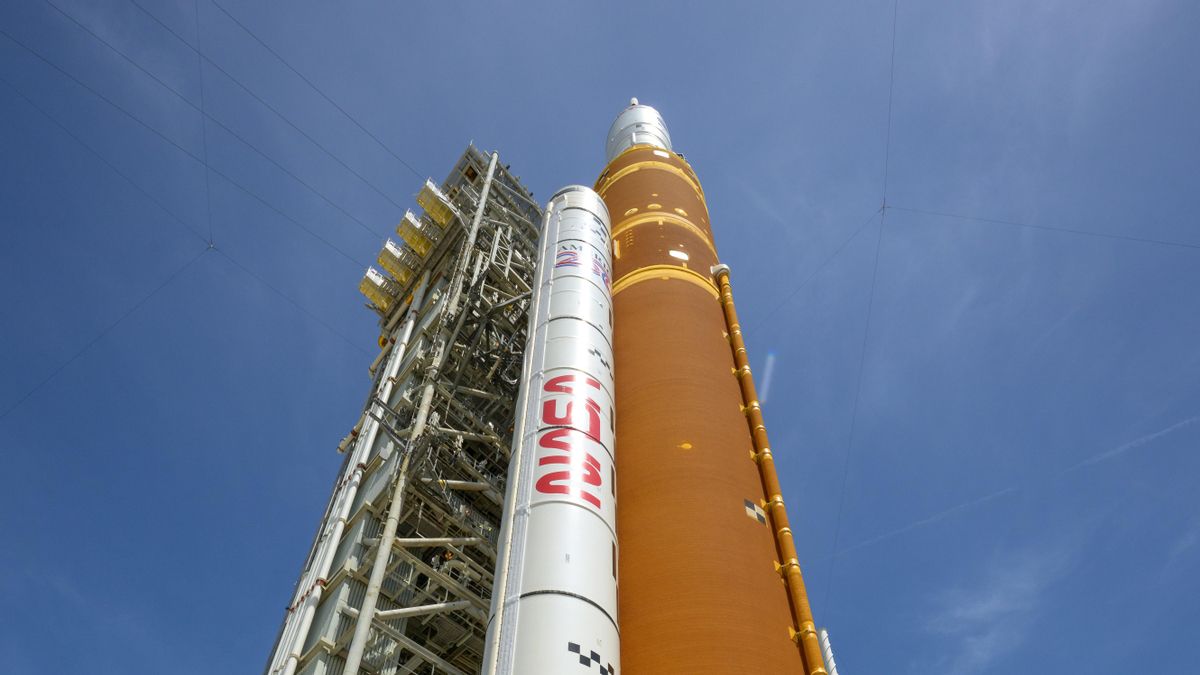
The Orion spacecraft, carried by the Artemis II rocket, will transport four astronauts, including Christina Koch, who will be the first woman to travel to the Moon. Rodríguez stated that this mission is a precursor to a subsequent one where humans will set foot on the lunar surface again. He also mentioned other international ventures by more space agencies, which are interested in organising civilian trips and are also keen to receive support from the Maspalomas Space Station.
Previous Launch Delay
The launch of Artemis II from Cape Canaveral was originally planned for almost two months ago but was delayed due to technical and weather-related issues. Consequently, the rocket was returned to the assembly building on 21st February, just hours after the final dress rehearsal ahead of lift-off.

Hotel facade fire in Las Palmas causes material damage

Tenerife comic salon returns with 40 exhibitions and 80 artists

Buenavista del Norte and Villa de Mazo compete for Christmas lights glory

Tourism overcrowding and its impact on Canary Islands healthcare

WOMEX 2026 closes in Gran Canaria as Tenerife named 2027 host

Five French sailors injured as yacht hits rocks off Lanzarote

Amaia Montero’s emotional tribute at Gran Canaria concert

Netflix begins filming new thriller in Tenerife

Loquillo and Amaia headline Tenerife Peñón Fest 2026
