
A walk through dark history
Leave the old Estanco Número 5 on Plaza de la Candelaria and start walking towards Las Teresitas. One thousand metres later, you will come across the monument that a dictatorship erected to its dictator (the No-Do newsreels, the Franco government’s official propaganda outlet, mandatory viewing in cinemas across Spain, its possessions and colonies, recorded it for posterity). Pause, catch your breath. Let us continue.
From this point, head up the Rambla, leaving the Heliodoro stadium on your left. A little further, to Avenida Reyes Católicos. Here once stood banana-packing warehouses belonging to the multinational Fyffes; during the time of the National Movement’s leadership by the caudillo glorified in the monument at our previous stop, they were converted into a concentration camp. From bananas, it came to hold overcrowded people, Tenerife residents, for more than a decade.
The young poet of the Estanco Número 5
The thing is, that Estanco Número 5 on Plaza de la Candelaria had a young man from Santa Cruz as its manager, but he did not last long: after Francisco Franco Bahamonde’s coup departure from the Canary Islands (the caudillo glorified by the monument we saw earlier and who, according to the literary vision of Umbral, would snack on chocolate with soconusco while signing death sentences), at some point after that July 1936, someone burst into the tobacco shop-bookshop and seized the twenty-year-old running the business, Domingo López Torres, a Santa Cruz native, who killed no one, a poet, an essayist, taken prisoner to the Fyffes prison-salons, so close by, in the heart of Santa Cruz, months later put in a sack and thrown into the sea. Murdered, like so many other people, then, there, here.
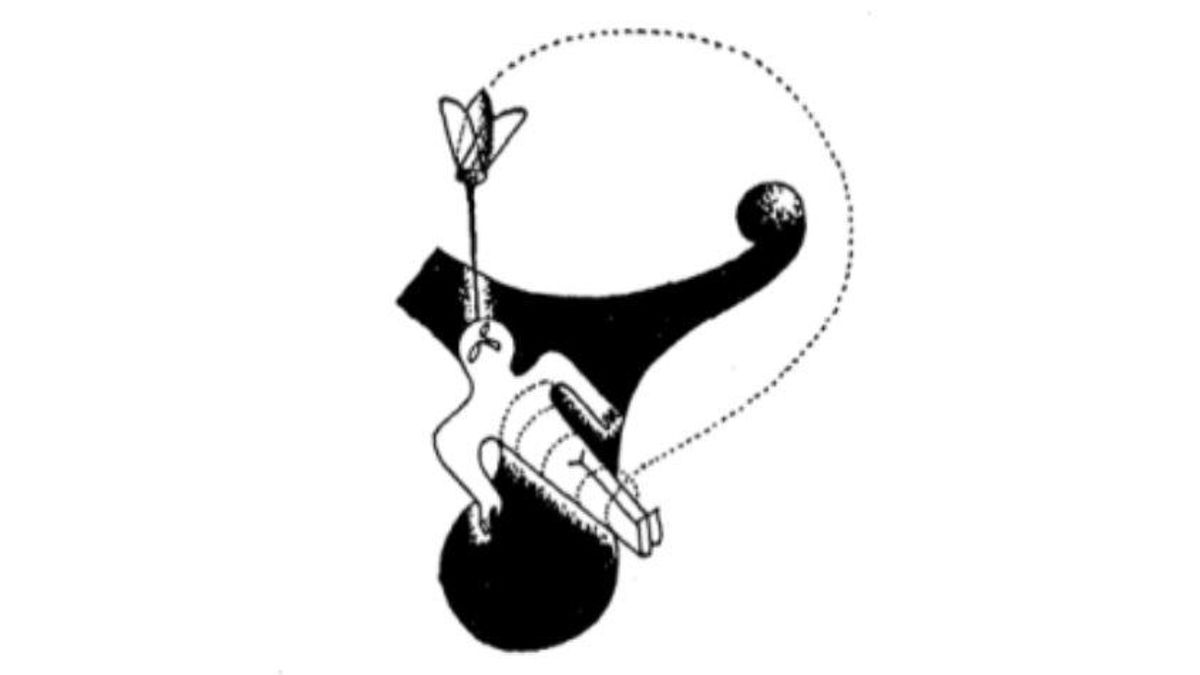
Did you know? During his captivity Domingo wrote the poetry collection Lo imprevisto, piercing, devouring. There he left written, for example: “What a deep running through seas of silence! / the steep unbridled veins / breaking clean shy seas / with the breeze, the heat, the flower, the scream. / pompous round grey clouds.” In unison, another prisoner, a nearly forgotten illustrator (Luis Ortiz Rosales) was adding to those verses his illustrations, piercing, devouring. The captive work of the two repressed men, both soon dead, was published 44 years later, in democracy, by the University of La Laguna.
Retracing the route
Let us recap: let us walk the route in reverse: from the tobacco shop on Plaza de la Candelaria of the young Domingo López Torres (1935-1936) to the Francoist concentration camp of Fyffes, where they brought Domingo to take him out and drown him in the waters that bathed his own city; it is said that sometimes they put live cats in the sack of the repressed (1936-1950); and from there to the Franco monument (1966-still there-6 decades later-to the shame of locals and strangers alike-due to the shamelessness of Santa Cruz de Tenerife Town Hall-which astonishes at every step with new crude excuses-piercing-devouring-for not removing from view the unquestioned monumental glorification of a dictator).
A question of memory
Did you know? The Government of the Canary Islands has just agreed that next year’s Canary Islands Letters Day will be dedicated to our poet, from Santa Cruz, prisoner, repressed, drowned, thrown into the sea in a sack. How can we ask Domingo for forgiveness because, 90 years later, we dedicate a remembrance to his life and work while, five minutes from his still-remembered Estanco Número 5, his own city keeps on its pedestal the sculpture erected in honour of the dictator of that dictatorship that murdered him, as proof of the islanders’ adherence to the figure of our head of state (public digital archive of RTVE and the National Film Library: No-Do episode 1212 (NOT N 1212 C). How can we ask for forgiveness.
Duration of the walk: one hour and a quarter. Difficulty: unbearable.
What’s happening in the Canaries – straight to your phone
News, weather alerts and practical updates – direct from the islands, in English. We live here and know what’s going on – before the international media catch up. Everything lands on our WhatsApp channel – no middlemen, no algorithm. Curated for families, expats and travelers.

Canary Islands sea hits second-hottest year on record

Legal bid to halt tree felling in Santa Cruz’s La Salud

Fiesta del Charco: A journey through La Aldea’s past

Corralejo dunes power line set for removal

ULPGC launches 14 research projects at Las Canteras

TMT will never be built, says Canary Islands astrophysics chief

Pedro Duque: Canarias is the “ultimate dream” for rockets

Court blow to Tenerife motor circuit project
La Palma faces new volcanic risk planning deadline
