
Infectious disease protocol activated for hantavirus cruise ship
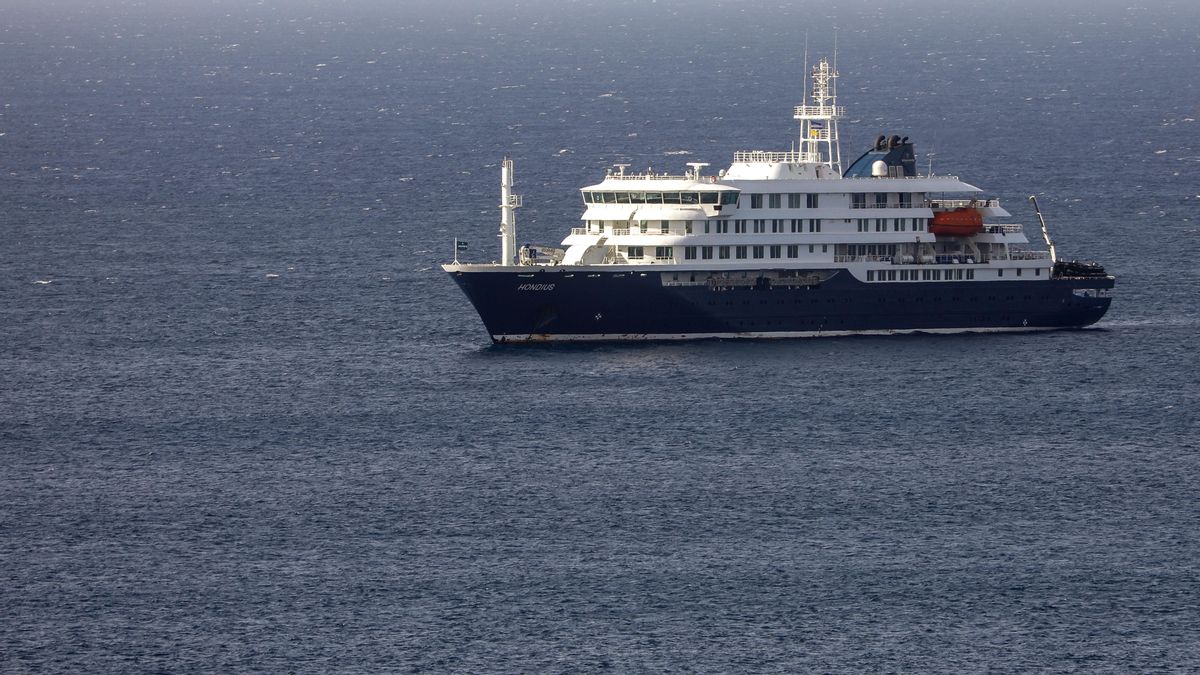
The Canary Islands government has activated its infectious disease protocol ahead of the arrival of the cruise ship HV Hondius, which is affected by a hantavirus outbreak, in Canarian waters this coming Sunday. Government spokesman Alfonso Cabello confirmed the news in comments to the media in Tenerife following a coordination meeting between the regional and national governments to discuss the health crisis.
Passengers to be evacuated directly to the airport
Canarian President Fernando Clavijo stated earlier in the day that the hantavirus ship will not dock at the Port of Granadilla. Instead, it will anchor in the bay, and the evacuation of passengers will be carried out with full safety guarantees. “Passengers will be transferred immediately to the airport once they set foot on land. They will not leave the ship until the plane has landed,” Clavijo said.
The regional government expects to have the final protocol ready by this Friday, covering procedures from the vessel’s planned anchorage to the arrival of evacuation flights. The document is to be submitted by Sanidad Exterior (the Spanish Foreign Health Service). Sanidad Exterior has informed the Canary Islands government that the current health status of both passengers and crew is good, given the circumstances: “None of them have shown any symptoms since 28 April.”
Maritime health declarations and port safety plan
Every 72 hours, the government receives the Maritime Health Declaration (DMS), a document from Sanidad Exterior detailing the health status of those affected by the crisis. The first report has already been received, with the next two due tomorrow and the day after. Thereafter, information will be submitted every 12 hours. The receipt of this Maritime Health Declaration will trigger the activation of the Santa Cruz de Tenerife Port Authority’s Self-Protection Plan in the coming hours. This document will outline all necessary measures to determine the capabilities and level of action required at each stage.
This Friday, the Canarian government will hold another coordination meeting with the national government at 8:00am, followed by a more detailed session at 9:30am with the Harbour Master’s Office, Sanidad Exterior, and the Port Authority to discuss emergency management. The coordination meeting with the national government will resume at 6:00pm.
Hospital unit on standby
The regional government’s decision to activate the infectious disease protocol will require maximum coordination between the High-Requirements Unit at Hospital de La Candelaria, the Canary Islands Health Service, and all other entities involved in managing the health crisis. The archipelago has urged preparedness in case the specialist unit at Hospital de La Candelaria needs to be activated, a procedure that would involve a specific protocol at the hospital itself. “In principle, we are told that the protocol we are awaiting establishes that, even if someone tests positive, they could be transferred directly to their home countries,” Cabello clarified.
Why the ship will anchor rather than dock
On Thursday, Fernando Clavijo successfully persuaded the ministers involved in managing the hantavirus crisis that the ship should not dock at the port of Granadilla, where it is due to arrive in a few days, but should instead anchor in the bay. In conversation with this newspaper, Canarian epidemiologist Amós García Rojas was clear: “Anchoring or docking makes no difference to the level of risk. Among other things, because the risk linked to hantavirus is very low. For the local population, it is extremely low.”
For the 88 passengers and 65 crew members (including one Spaniard), the anchorage will have notable consequences, particularly due to the prevailing wind in the area. The average wind speed is around 20 kilometres per hour, with gusts exceeding 30km/h at certain times of year. The trade winds are so strong in this area that world windsurfing championships are held here, such as at El Cabezo beach in El Médano, just over three kilometres from the dock. The wind will cause the ship to move far more than if it were docked, making disembarkation by launch more complicated, especially for elderly passengers.
Rodent risk considered extremely low
The only advantage port experts consulted by this newspaper see in anchoring over docking is the near-zero possibility of any rodents that may be on board the Hondius jumping ashore during mooring, or vice versa. This is considered a highly unlikely eventuality, particularly given that it is a ship with very strict hygiene measures, according to several passengers, and that gangways would only be placed at the moment of passenger disembarkation. All mooring lines are fitted with safety discs to prevent the passage of any animal in either direction. Furthermore, the infection on the cruise ship occurred off the vessel, allegedly through contact between two excursionists and mouse droppings, rather than on board.
Evacuation and international coordination
Regarding the evacuation protocol, the Canarian government reports that contact has already been made with all countries whose citizens are involved in the health crisis. So far, three aircraft are confirmed to be arriving on the island, from the United States, Great Britain and Spain. “Tomorrow at 10am, we expect responses from the remaining countries we have contacted,” the government spokesman said. As for the ship’s crew, any needs will be handled according to the Law of the Sea, placing responsibility with the ship’s flag state, the Netherlands. Other countries have also been asked to provide support if necessary.
“We are waiting for the detailed protocol to be presented to us tomorrow once the ship arrives, and we are coordinating all other actions to ensure everything happens in an environment of maximum safety for Canary Islands Health Service staff, the technical personnel involved, and for the people of the Canary Islands, which is the government’s primary concern,” Cabello concluded.
What’s happening in the Canaries – straight to your phone
News, weather alerts and practical updates – direct from the islands, in English. We live here and know what’s going on – before the international media catch up. Everything lands on our WhatsApp channel – no middlemen, no algorithm. Curated for families, expats and travelers.

Vueling plane lands with landing gear fault at Los Rodeos

Ferry contract to Canary Islands declared void

Bomb threat on Vueling flight triggers Gran Canaria airport security operation

Cruise to Canaries cancelled after collision in port

Tenerife tram delays worsen amid staff shortages

Titsa adjusts night bus times for clock change on Tenerife

Night roadworks to disrupt TF-1 traffic from Sunday

Public service obligation for Canary inter-island flights announced

Iberia accused of ejecting passengers from paid seats
