
Controversial Urban Plan Aims to Reshape Mogán
A complex and controversial urban development operation is taking shape in Mogán, a tourist municipality in the south of Gran Canaria with 20,000 registered residents and a floating population of around 21,000. The initiative comes from a private company, Carrera Ground Floor, which has presented a plan to rebalance the use of urban space, improve the environmental and infrastructural quality of the area, and comprehensively address the needs of an ageing, diverse population under sustained tourist pressure.
The Proposed Public-Private Swap
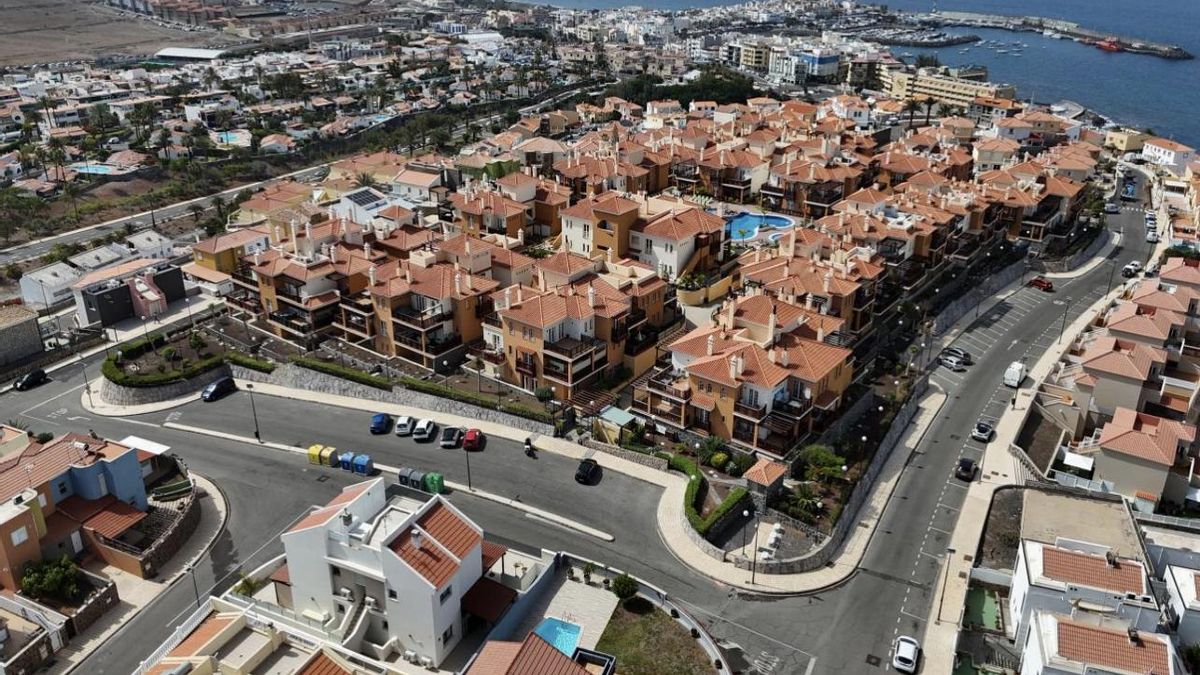
On the surface, the operation seems straightforward. The company proposes to cede land to the Town Council to increase public amenities and green zones. In exchange, it seeks an increase in the authorised building density at Monte Carrera, an already-built development in the locality of Arguineguín where luxury apartments are marketed. The developer sells the initiative as an opportunity for the municipality to gain public open space in a high-density residential area. The Mogán Town Council, through its municipal architect, sees potential positive impacts for the urban environment and residents’ quality of life, and has already begun processing the application.
A Judicial Backstory and Illegal Construction
However, a judicial backdrop complicates the operation. The developer’s ultimate goal is to legalise 37 homes and three commercial units it began constructing on the ground floor of the complex during the Covid-19 pandemic without proper planning permission. After detecting the unlicensed works, the council’s Urban Discipline department opened a case which concluded with a demolition order to restore planning legality. That order has been finalised in administrative channels since January 2022, but the company filed a legal appeal against the decision, which is still pending in the Las Palmas de Gran Canaria Administrative Court No. 2.
With that lawsuit still unresolved, the developer first tried to legalise the works in 2024, justifying its request under an urgent housing decree from the Canary Islands Government. Municipal technicians issued an unfavourable report, considering the decree inapplicable for this purpose. After that attempt lapsed, Carrera Ground Floor presented this new initiative at the end of 2025, proposing a fresh avenue for legalisation.
The Original Development and Clandestine Works
The original licence for the Monte Carrera development in Arguineguín was granted in March 2005, authorising 131 homes, a pool, and garage on a 16,000-square-metre plot with a maximum height of two storeys. However, it was originally built with three floors, requiring the ground floor to be walled off. It is this sealed ground floor that now contains the 37 homes and three units Carrera Ground Floor aims to regularise. The company, representing around fifteen owners (many of Norwegian nationality), has owned the space outright since January 2017.
In April 2020, the council received a neighbour’s complaint about workers converting the ground floor into homes. The Local Police confirmed the works in May and December of that year. The company had demolished perimeter walls and refurbished 37 new homes in spaces without residential licences, leading to the municipal case and the now-contested demolition order.
The New Plan: Addressing Density and Demographics
Aside from the court battle, the company is now attempting legalisation via a privately initiated Urban Environment Action Programme (PAMU). The project’s report highlights the area’s residential density, which quadruples the municipal average, demonstrating notable pressure on available urban space and a shortage of collective open areas. It notes that one in four inhabitants here is over 64, demanding an adapted, inclusive, and accessible urban design. The area also has high socio-cultural diversity, marked by foreign residents and a consolidated tourist-residential character, with 53 registered holiday homes generating over 49,000 overnight stays annually.
Two Alternatives on the Table
The private initiative presents two alternatives. The first offers the council 625 square metres of land at the parcel’s four circular corner protrusions to create small shaded public areas, in exchange for increasing the building density by 3,120 square metres for commercial or administrative use.
The second alternative, the developers’ preferred option, seeks the legalisation of the 37 unfinished homes under demolition order. Beyond ceding the corner land, it proposes reclassifying 6,677 square metres of current road space at the north and south ends of the plot (Faya and Tahona streets) – currently used for parking – into free public space. The urban planning team proposes a model inspired by Dutch *woonerfs* (living streets), which prioritise pedestrians and greenery while allowing low-speed vehicle traffic and parking. Under this option, the increased building density would be allocated to “permanent residential housing,” effectively regularising the 37 ground-floor units.
Council Reception and Legal Warnings
The initiative has so far been well received by the Mogán Town Council, led by Onalia Bueno. The municipal architect’s initial report stated that, prior to approval and public consultation, a simplified strategic environmental assessment was a necessary prerequisite. This was approved in the February plenary session. The architect is clear that the project essentially proposes changing the use of the floor originally considered a “basement” to a profitable one.
However, her second report, while favourable to starting the environmental assessment, contained a warning. It approved continuing the procedure “without prejudice to the legal assessment to be carried out concerning what is determined in section 2.2.” That section references the ongoing judicial proceeding stemming from the appeal against the demolition order. “This matter should be legally assessed to determine its possible impact on the processing of this instrument,” the architect warns. The project now rests with the council’s Strategic Environmental Assessment Commission for Urban Plans.
Questions Over Land Ownership and Community Opposition
The urban operation has another controversial edge concerning the ownership of the land to be ceded. The municipal file contains no document to date proving the developer’s ownership of the 625 square metres it offers the council, nor has the administration requested it. This was highlighted in the plenary session on 27 February.
Opposition councillor Javier Romero (New Canaries-Canarian Bloc) censured the attempt “to use urban planning to legalise what is manifestly illegal,” and stressed that the promoters “have not proven they are the owners of these lands.” Supporting this, the Monte Carrera Green Garden Club Owners’ Association sent a letter to the council on 6 March demanding the immediate suspension of the proceedings. They claim that common elements of the community “have been stripped away without due consultation or vote by the owners.” The association’s president states they remain apart from the dispute over the original works but express concern over “the cession of square metres of common areas without consent.”

Tenerife Funds €350k for Cancer Support Home for Children

Holiday Rentals in Canaries Fall to Two-Year Low

Canary Islands Drafts New Coastal Law to Seize Control from State

Euribor Rise Alerts Canary Island Homeowners

Canary Islands See Surge in Incoming Workers as Labour Trend Shifts

Canarian Charity Opens Hotel School in Senegal to Fight Illiteracy

Canary Islands’ First Home-Grown Assistance Dog Trainers

Canaries Launches Ambitious ’15-Minute Island’ Plan

Canary Islands Showcase Video Game Industry at Major San Francisco Expo
