
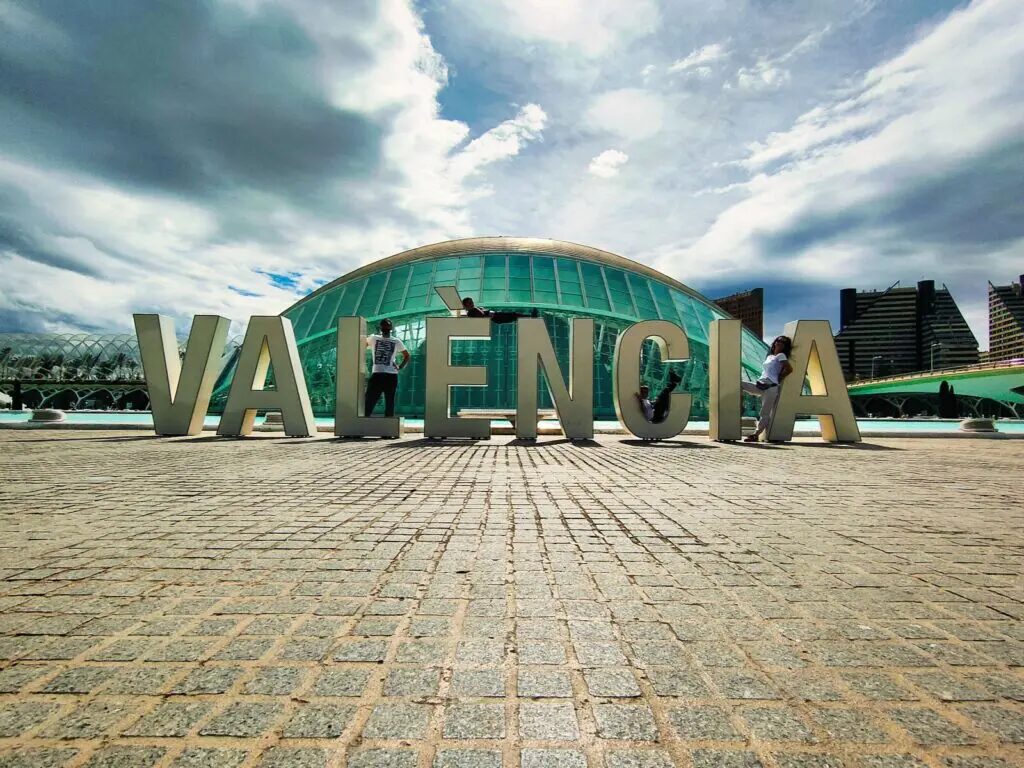
Valencia caught us off guard. We’d planned a week of things to do in Valencia with kids, half-expecting a watered-down beach holiday — what we got instead was a city that genuinely earns its place on every family’s shortlist. Roman layers buried under Gothic towers, a former riverbed turned into nine kilometres of playgrounds and bike paths, Europe’s largest aquarium, and paella eaten at a plastic table by the lake while a cat watched hopefully from under our chairs. Valencia with kids works because the city doesn’t try to entertain your children — it just absorbs them. Below are 25+ family-tested things to do in Valencia with kids, organised by type so you can mix culture, nature, and beach days without anyone mutinying.
Cultural Attractions in Valencia for Families
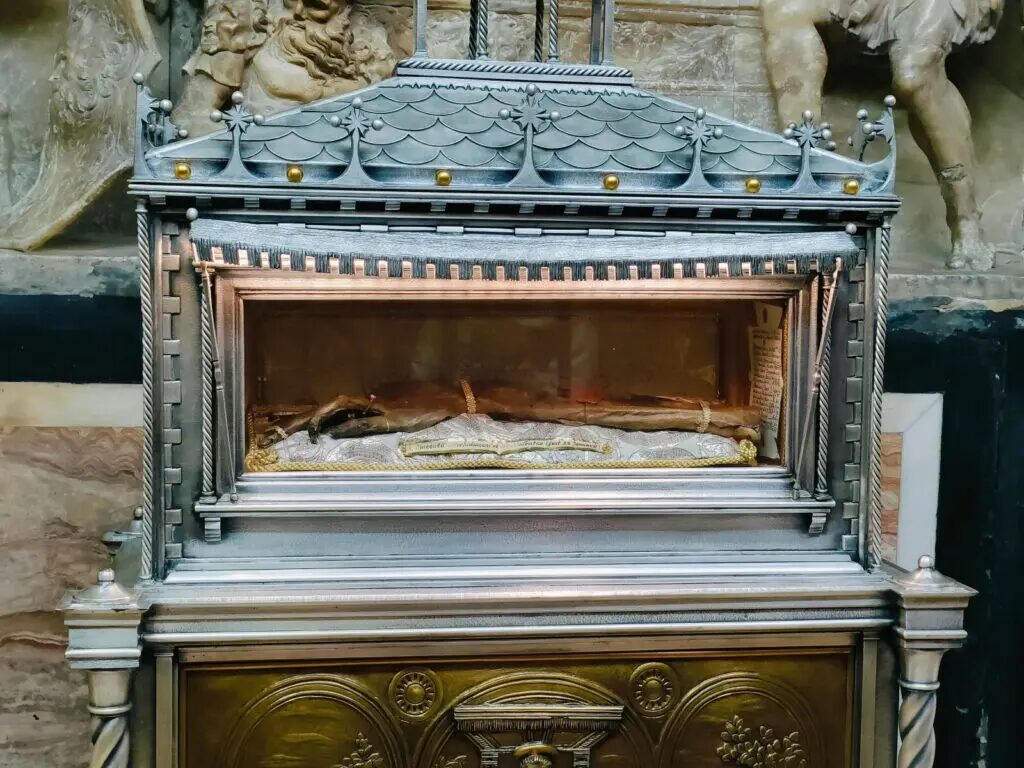
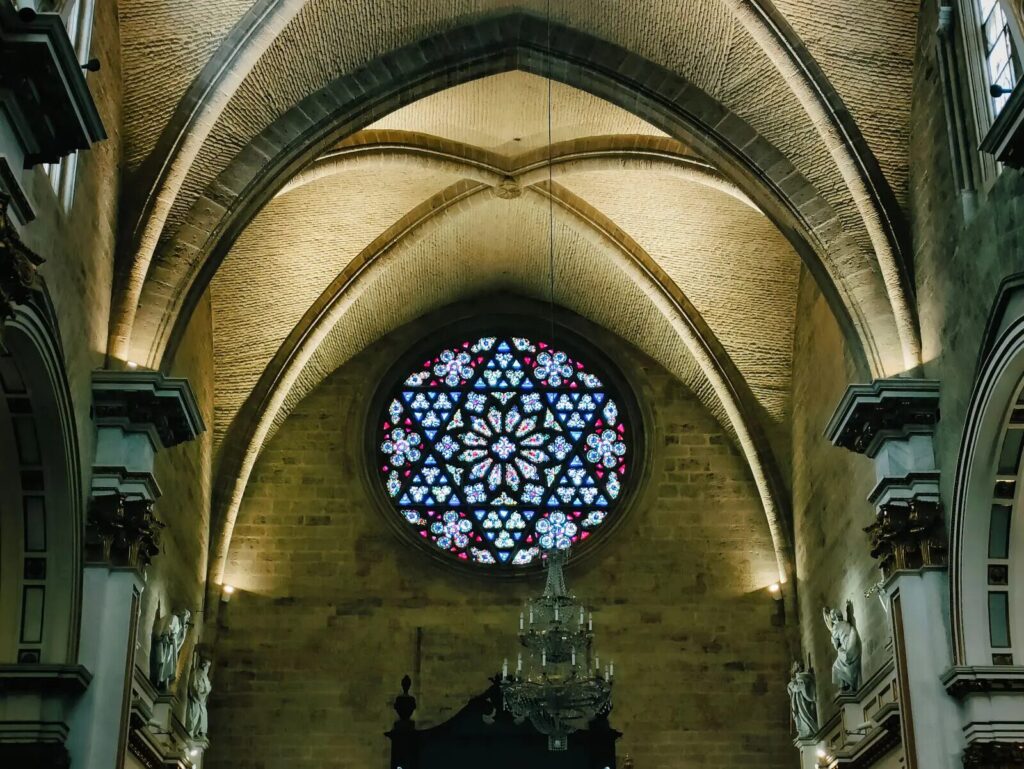
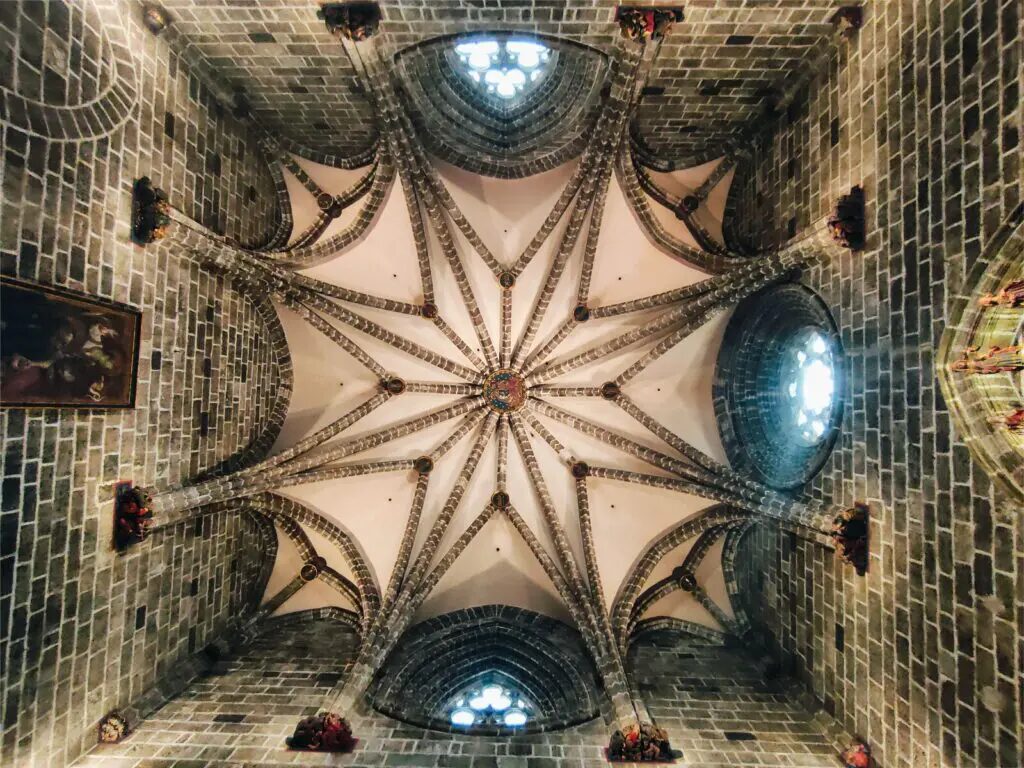
La Seu de Valencia – Valencia Cathedral and Miguelete Tower
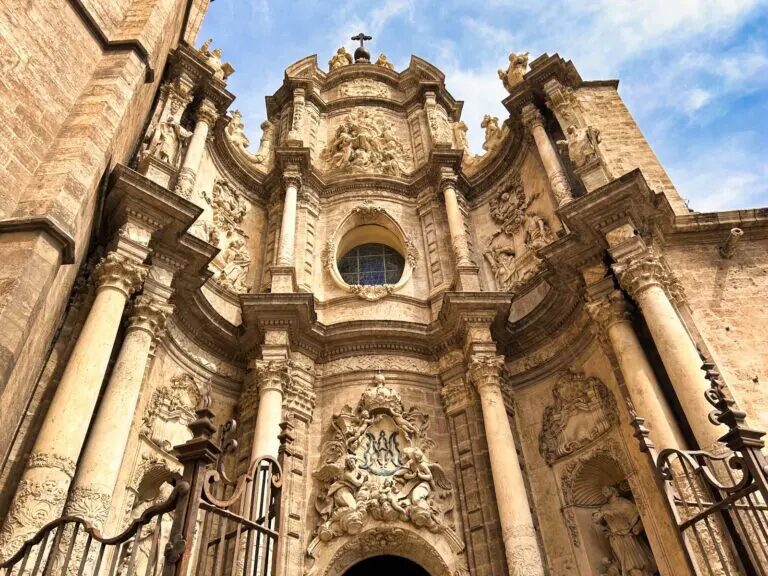
La Seu de Valencia stopped our older son mid-step — not because we told him it was important, but because the scale of it is genuinely hard to ignore when you walk around the corner and it’s just there.
What to see and explain to children:
Architectural mashup: Point out how Gothic blends with Baroque and other styles throughout the building. This is a perfect opportunity to teach children how to recognize different architectural periods and styles – like a real-life treasure hunt for design details.
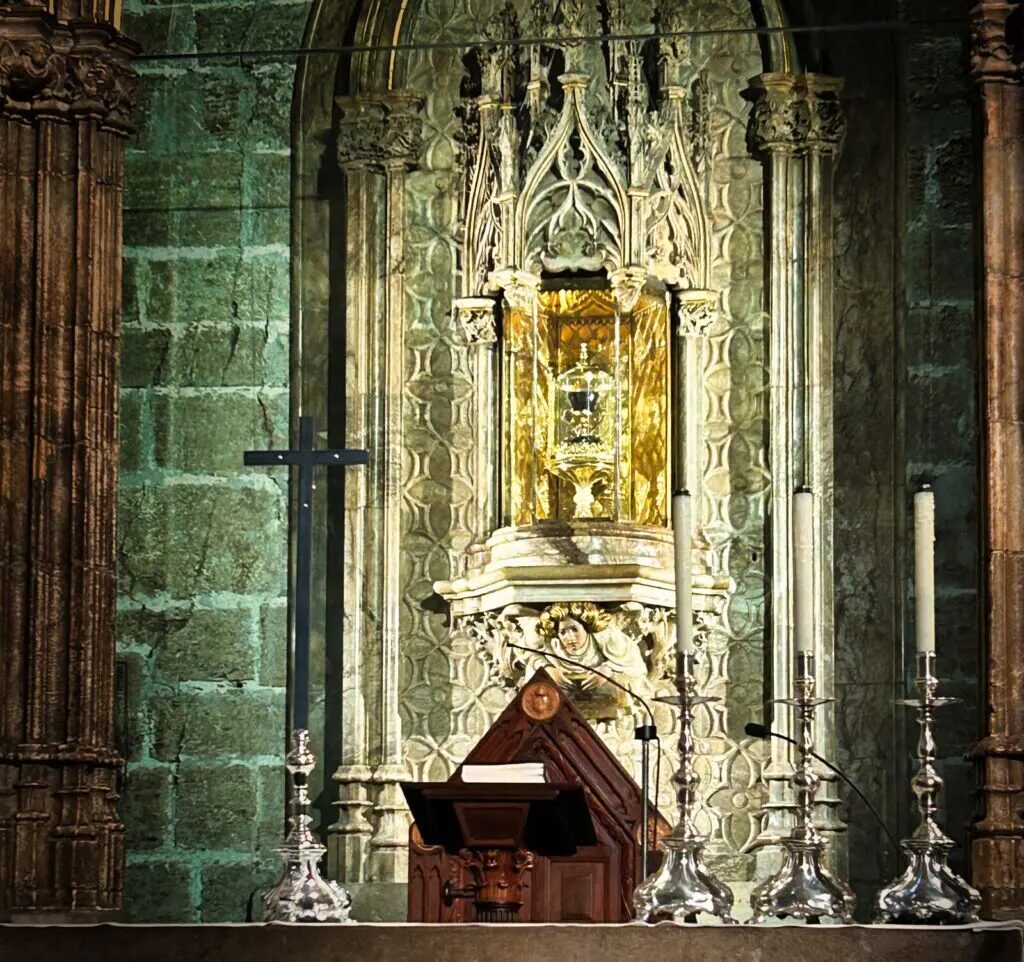
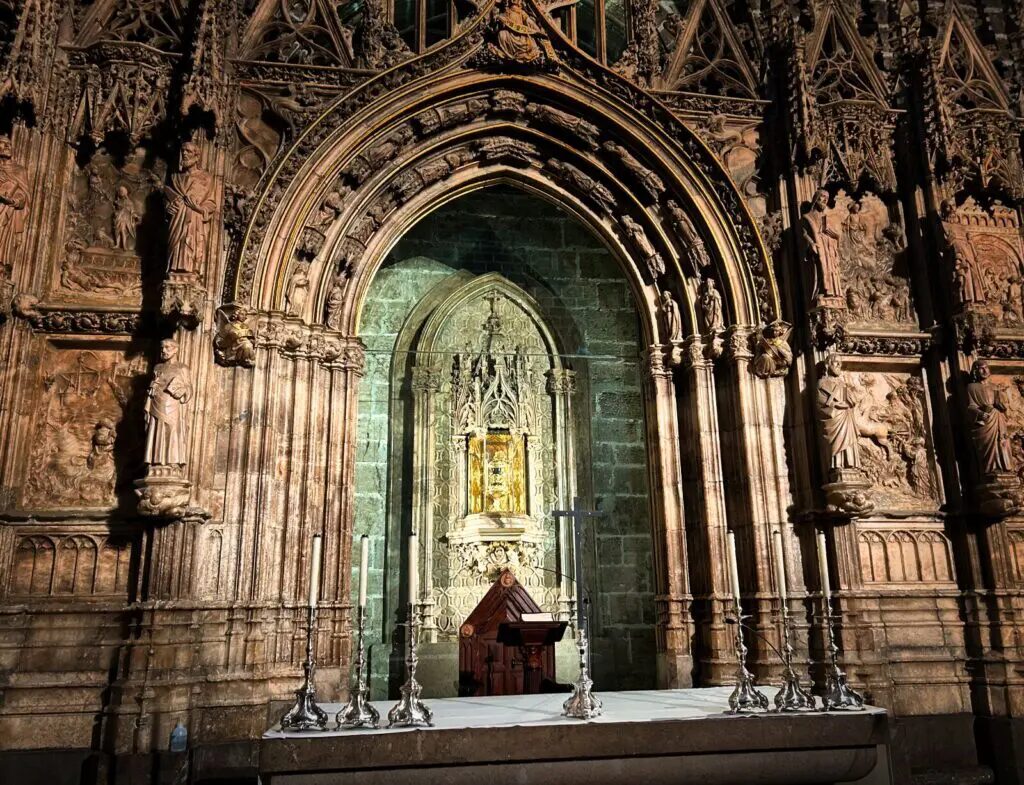
The Holy Grail legend: Share the story of the Holy Grail – the cup believed to have been used by Jesus at the Last Supper. Beyond its religious significance, this makes for a captivating adventure story that ignites young imaginations and connects them to centuries of legends and quests.
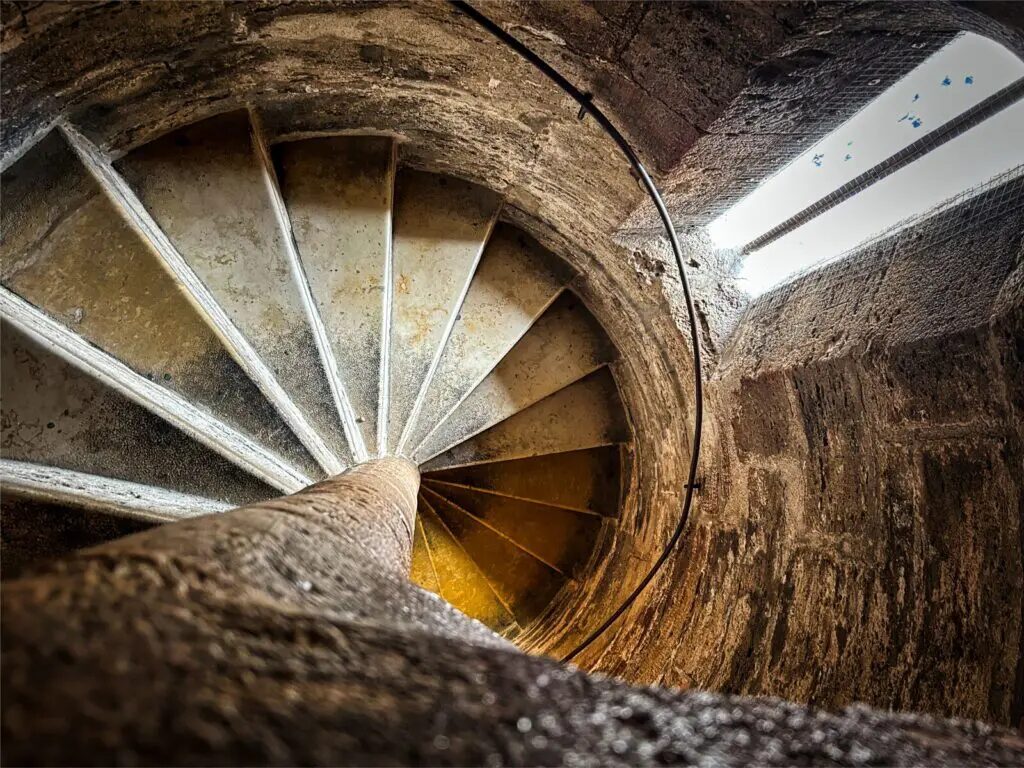
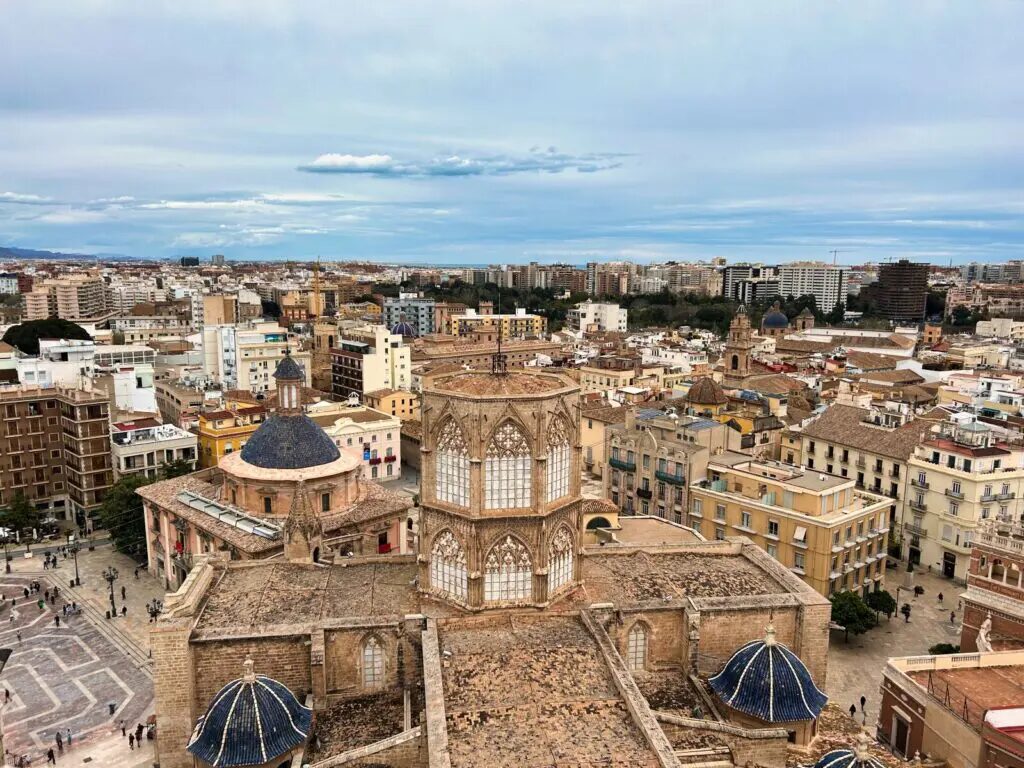
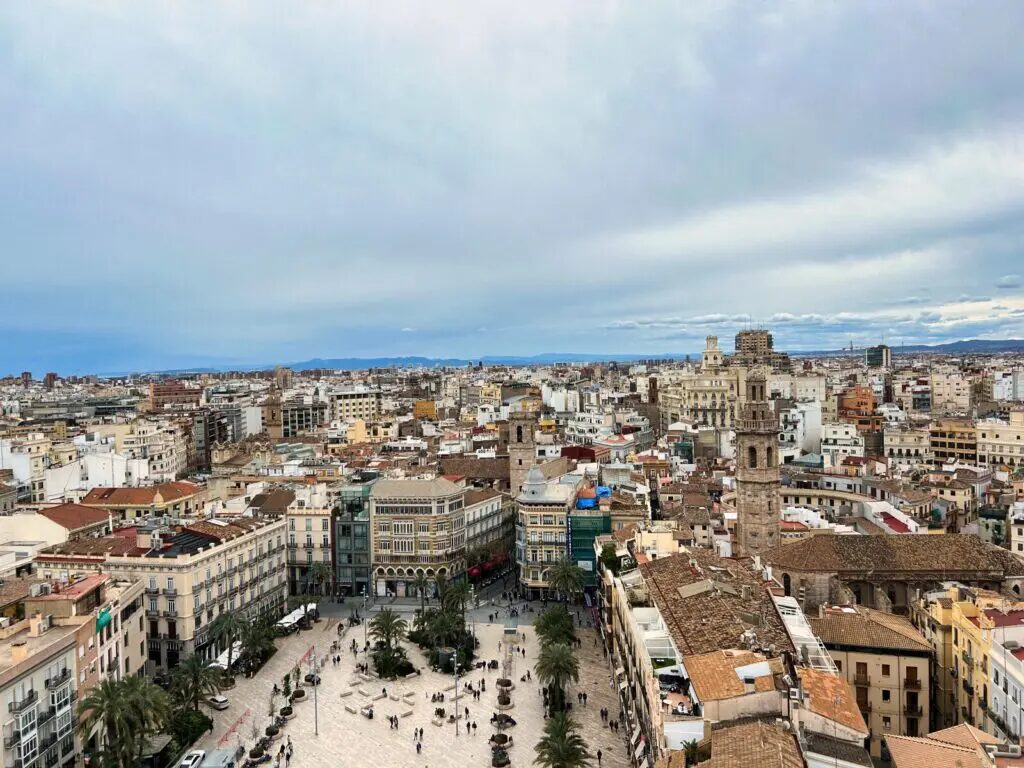
Panoramic views from Miguelete Tower: Climbing the tower can be quite an adventure for the whole family, and the spectacular views from the top offer a completely different perspective of Valencia. It’s an excellent moment to teach children spatial orientation and help them identify landmarks you’ve already visited together.
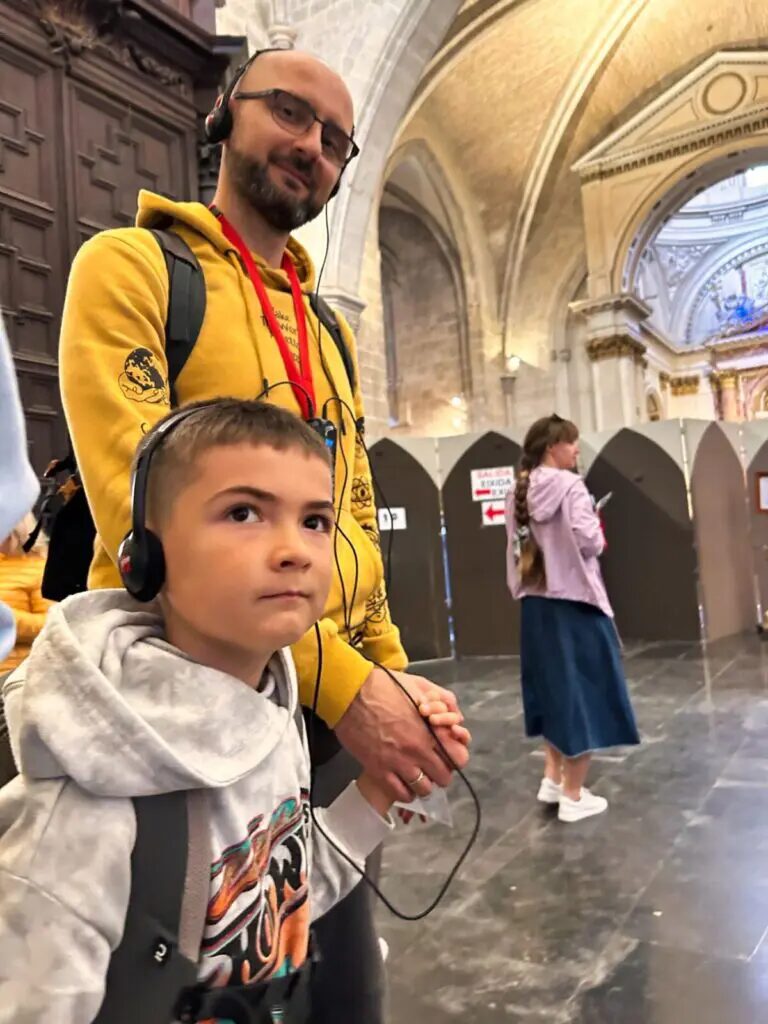
To make your visit as comfortable and educational as possible, we recommend purchasing a family ticket, which is tailored for families with children and offers better value. What’s more, the ticket includes an audio guide available in English and other languages.
Practical information:
- Opening hours: Check official website for current times
- Family-friendly features: Audio guides available, stroller accessible (though tower climb has stairs)
- Best time to visit: Early morning to avoid crowds
- Tip: The tower climb involves 207 steps – assess if your children are ready for this
- https://catedraldevalencia.es
Lonja de la Seda – The Silk Exchange in Valencia
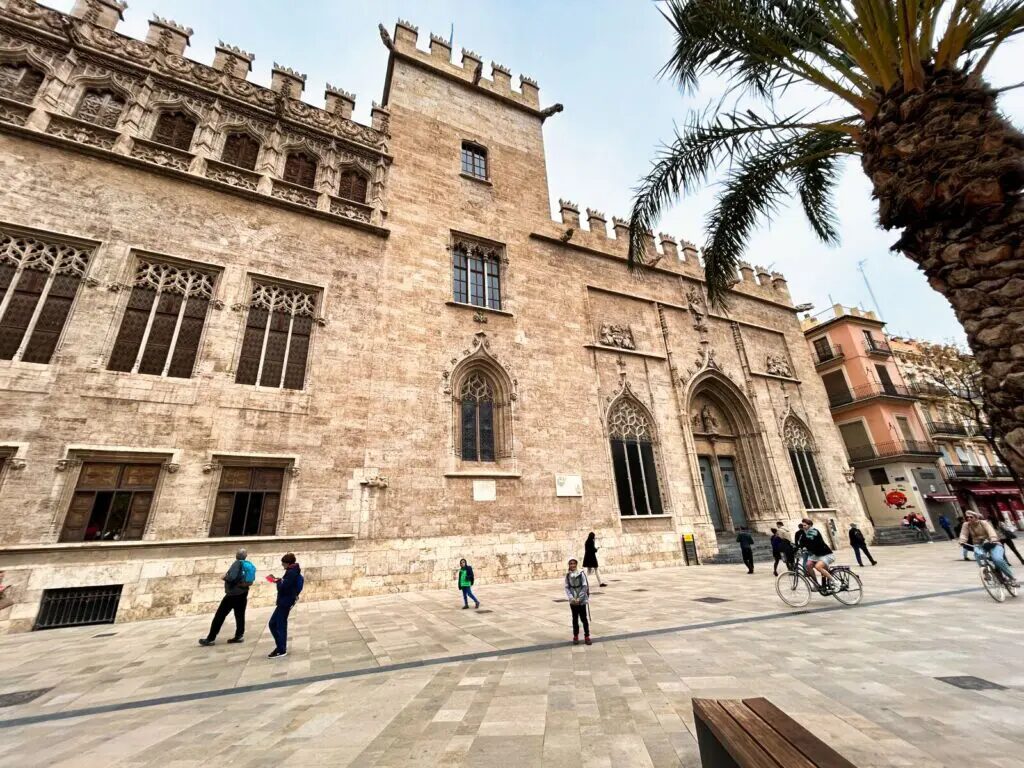
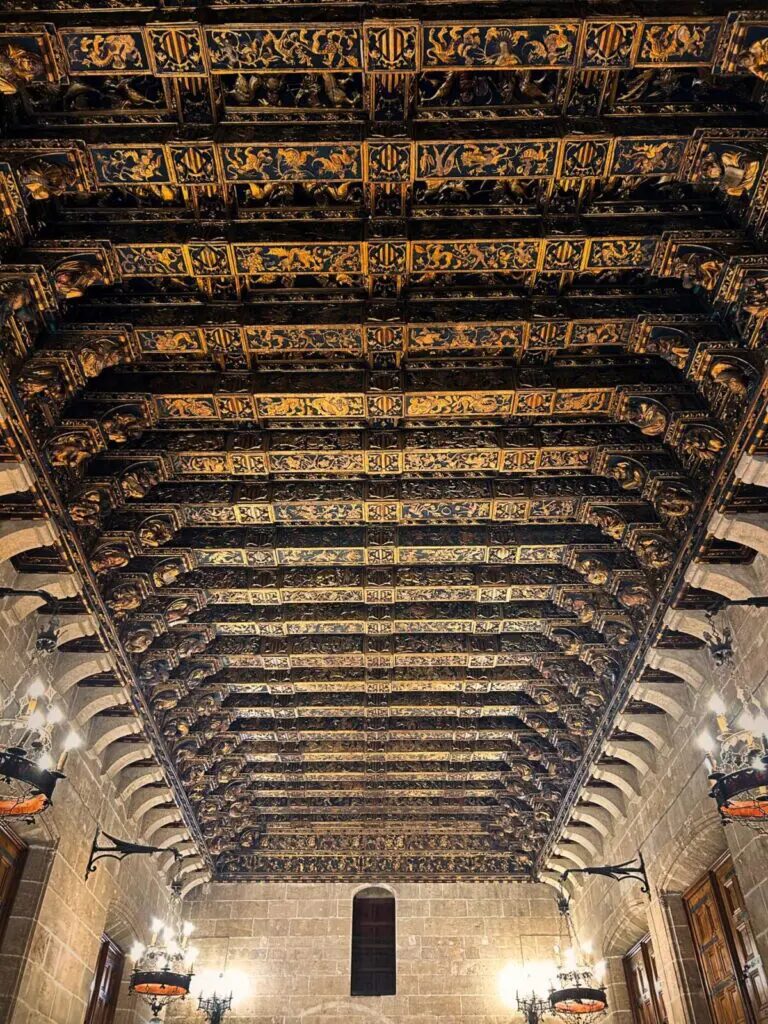
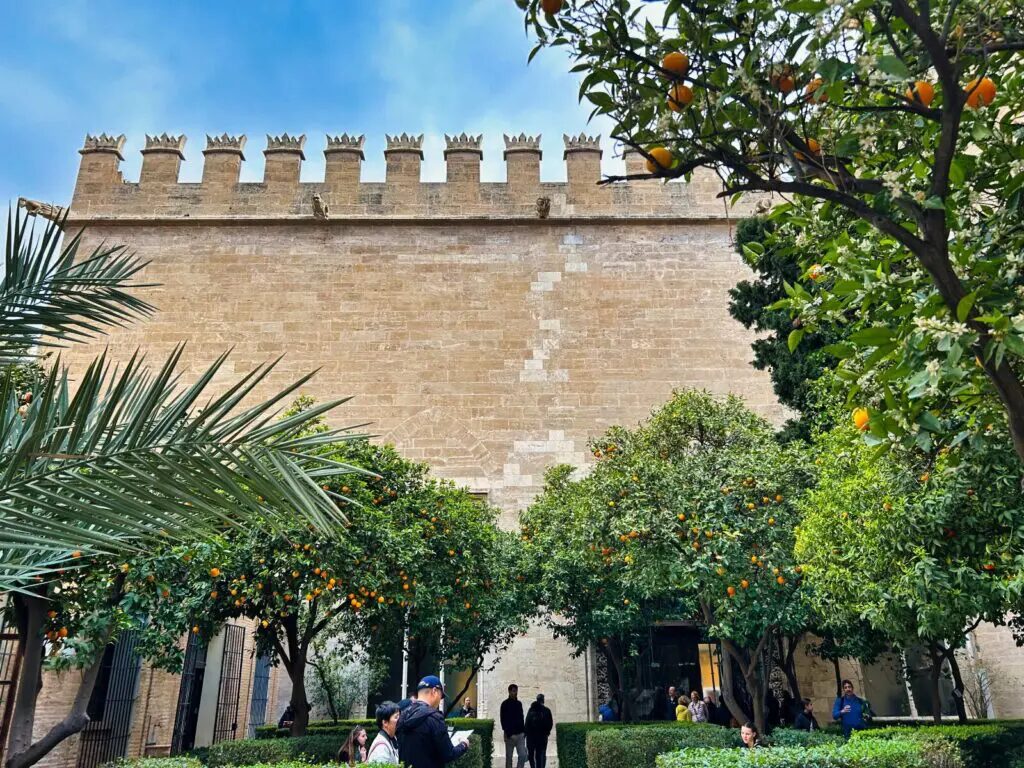
Visiting Lonja de la Seda (the Silk Exchange) with kids offers elements that will spark wonder and curiosity in the youngest visitors. This Gothic masterpiece, inscribed on UNESCO’s World Heritage list, is both an architectural gem and a fascinating history lesson brought to life.
What to see and explain to children:
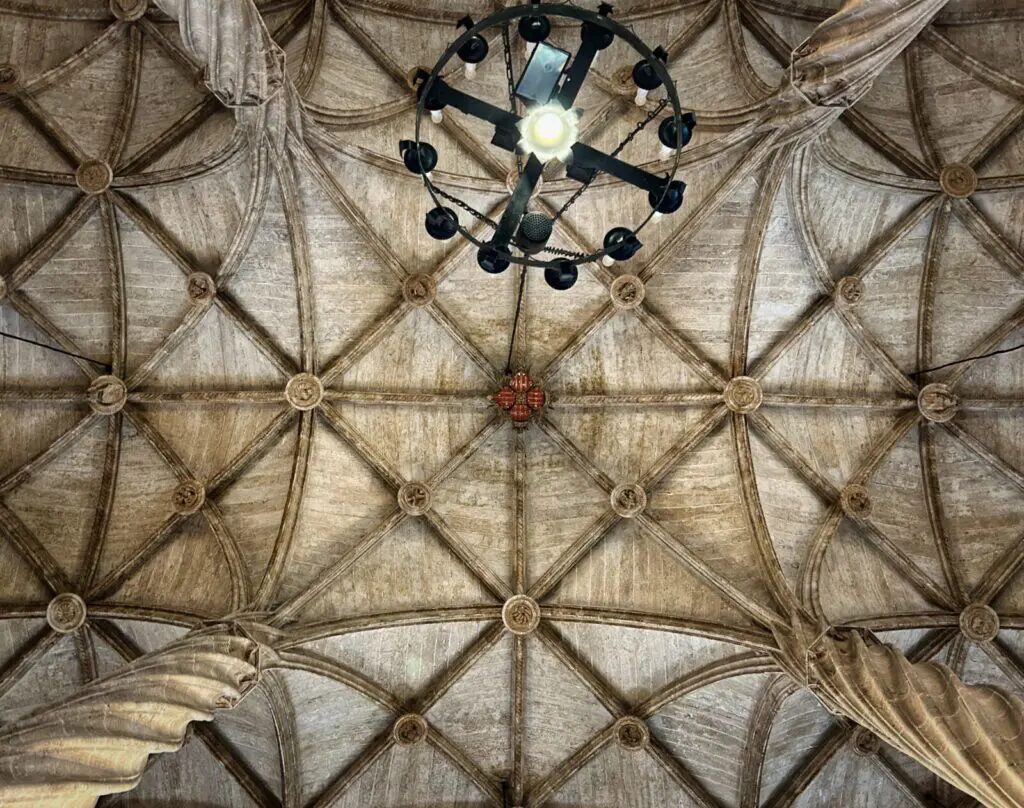
Extraordinary architecture: Draw attention to the architectural details of the Silk Exchange, such as the vaulted ceilings that resemble palm fronds in the main trading hall, the Salón de Contratación. This is a wonderful way to show children how human creativity and nature inspire beautiful design – like turning a building into an indoor forest.
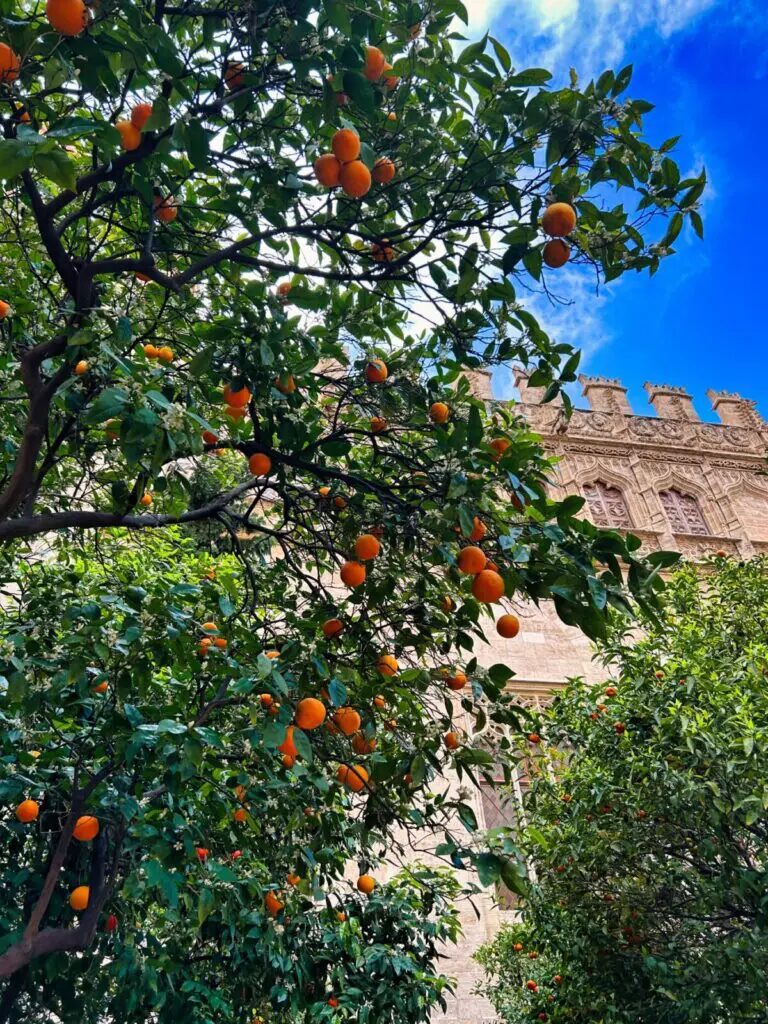
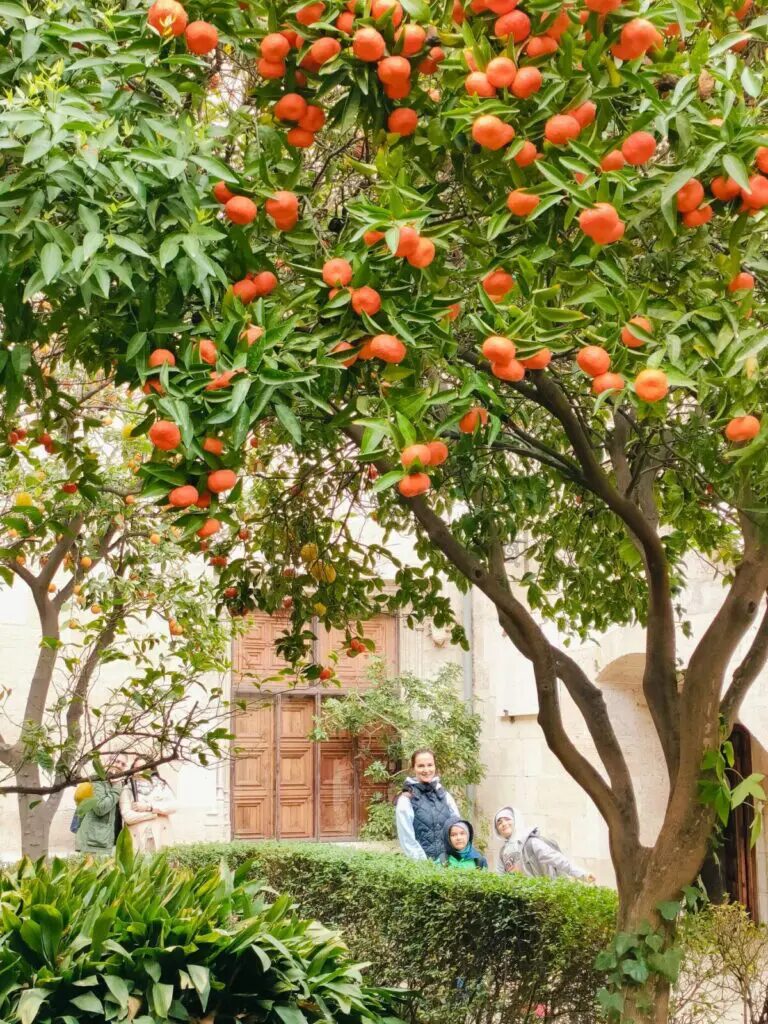
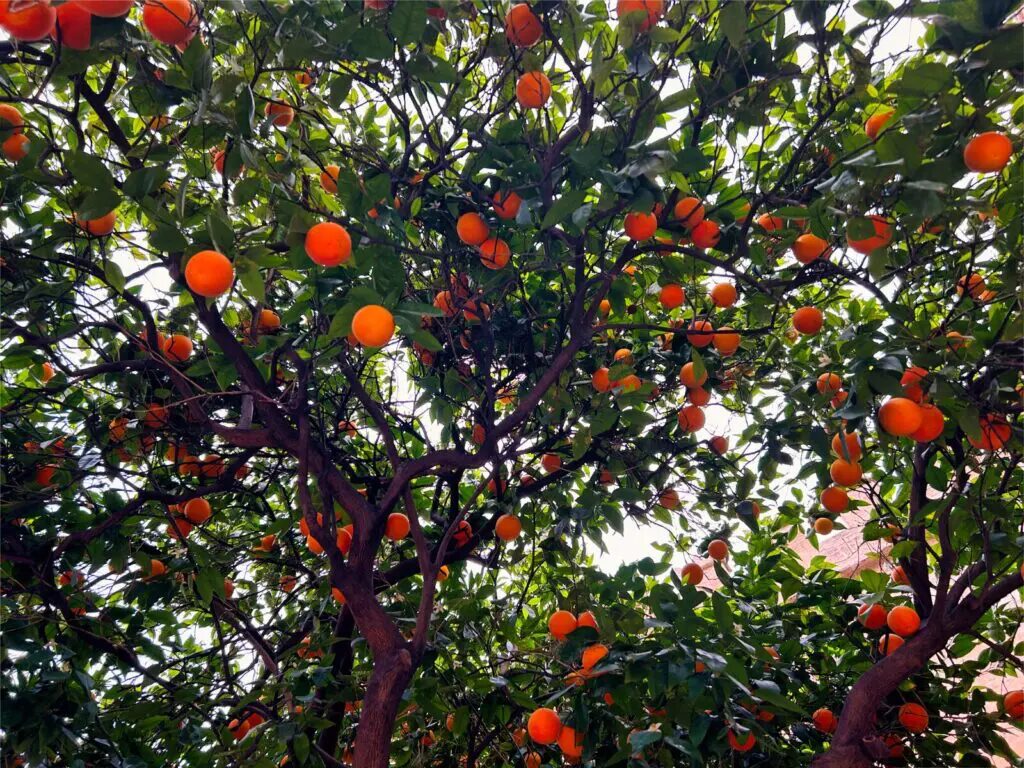
Orange Tree Courtyard: Located at the heart of the complex, this courtyard will certainly interest children. You can rest in the shade of orange trees while soaking up the atmosphere of medieval Valencia. It’s also a great opportunity to tell kids about the importance of trade in city development and the role orange trees played in the region’s history – perhaps they’ll be surprised to learn the trees are decorative and the oranges aren’t typically eaten!
Column Hall: The hall where silk was once traded features monumental, spiraling columns that seem to twist toward the sky. You can introduce children to the medieval trading world, explaining how vital silk trade was for Valencia’s prosperity and how merchants from across Europe came here to conduct business.

Practical information:
- Entry: Free on Sundays and public holidays
- Duration: 30-45 minutes for families
- Kid-friendly fact: The columns are designed to look like palm trees!
- https://www.comunitatvalenciana.com/es/valencia/valencia/monumentos/lonja-de-la-seda-1
Mercado Central in Valencia
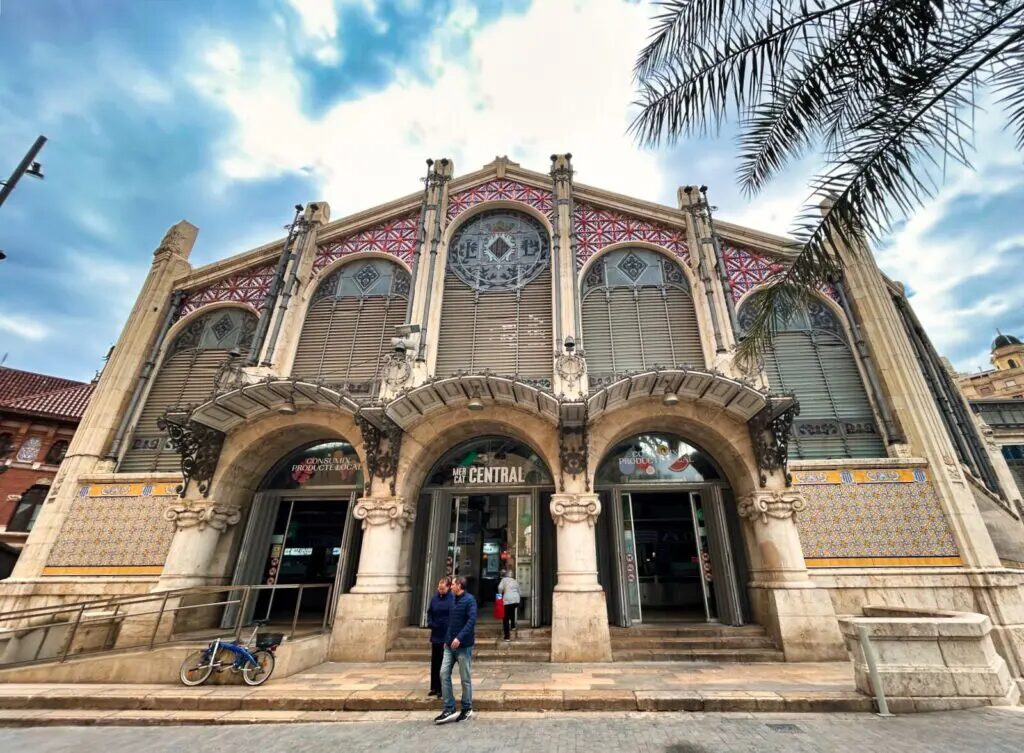
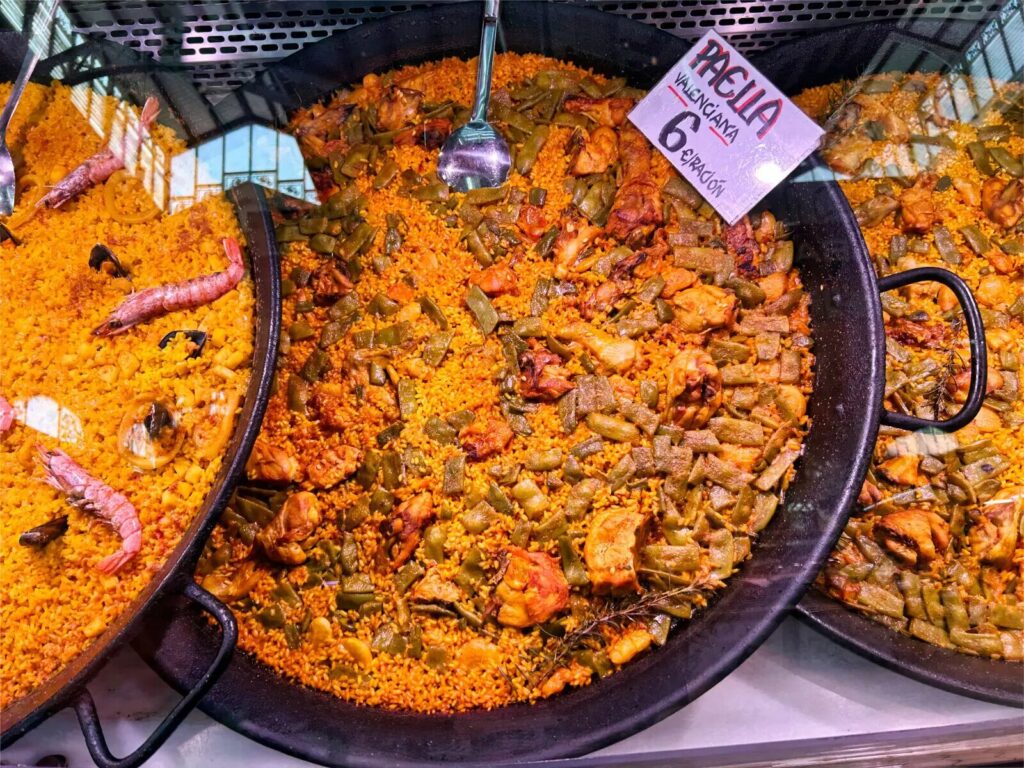
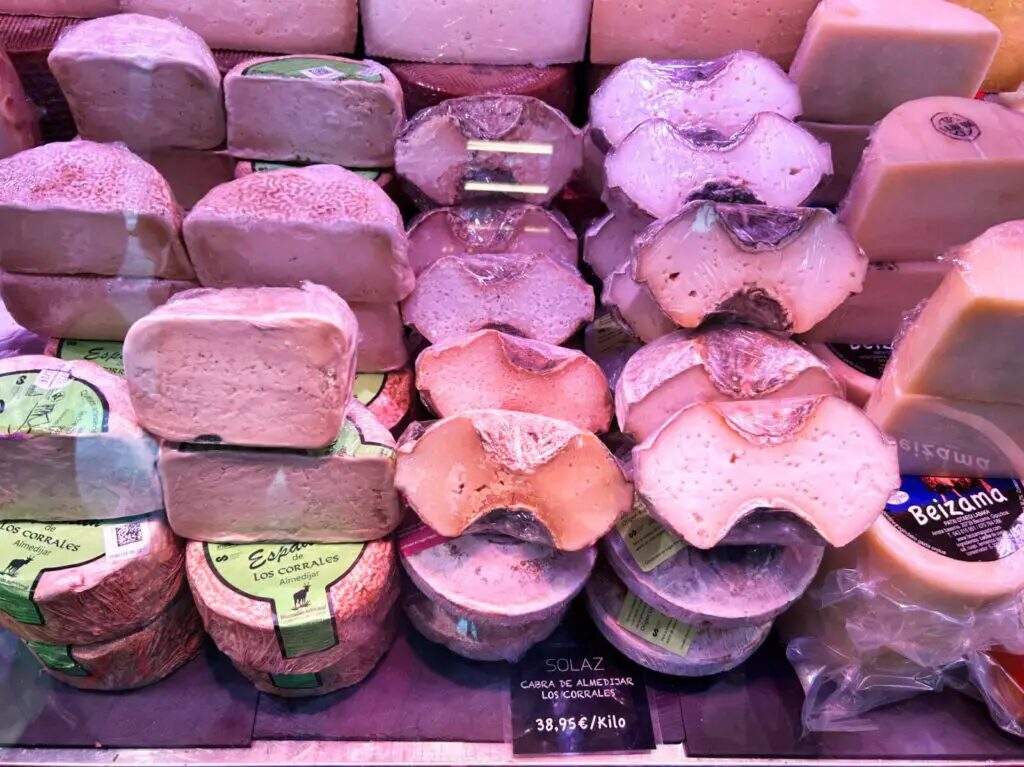
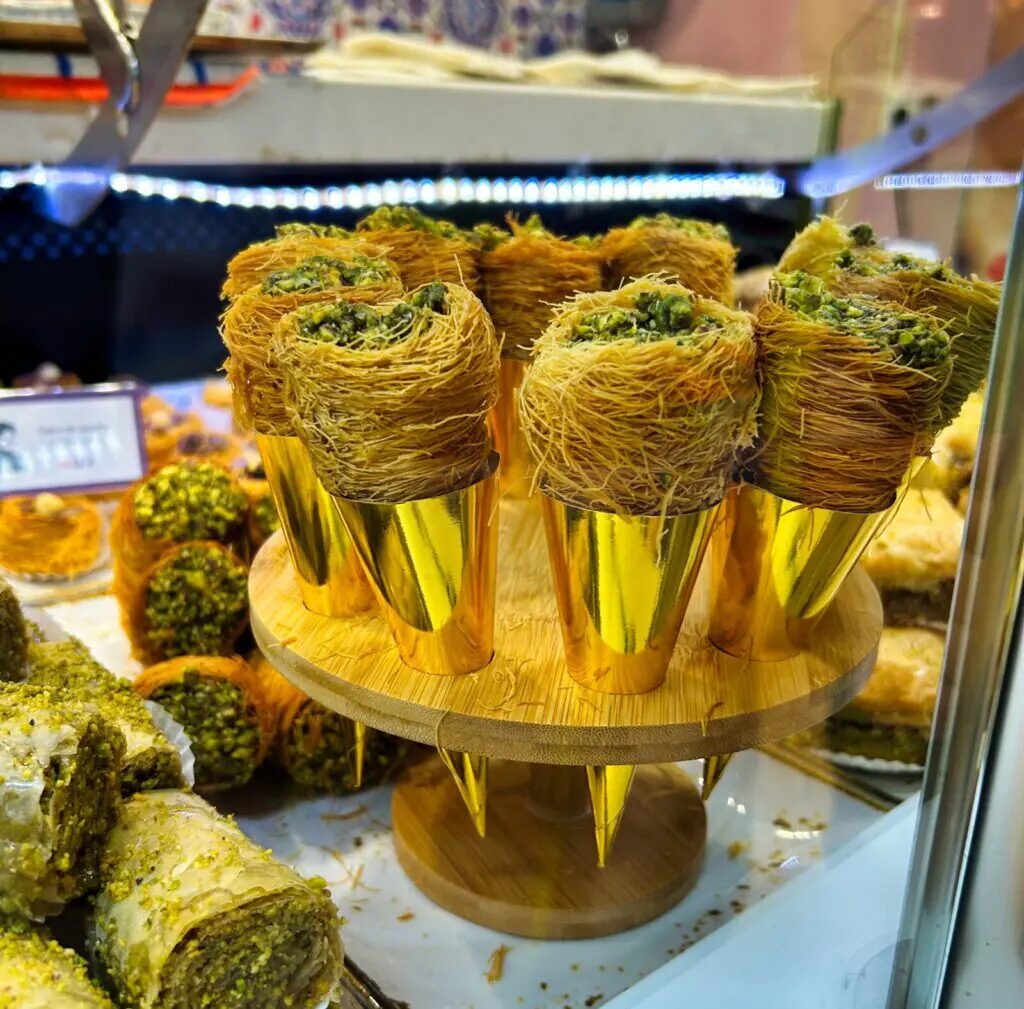
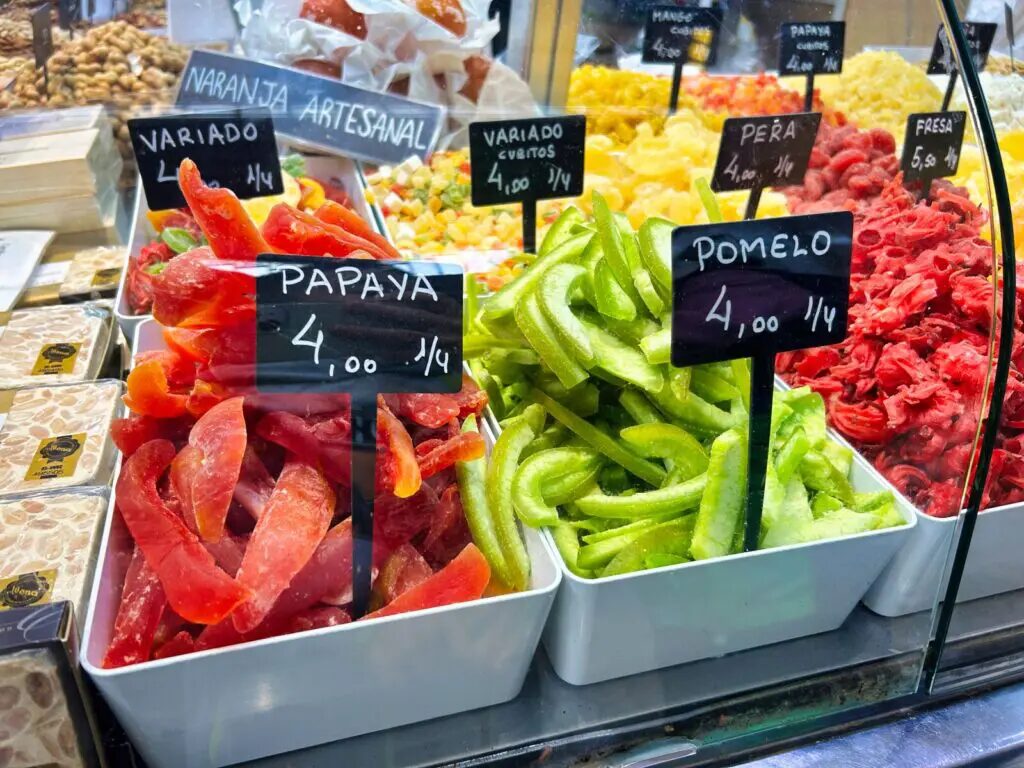
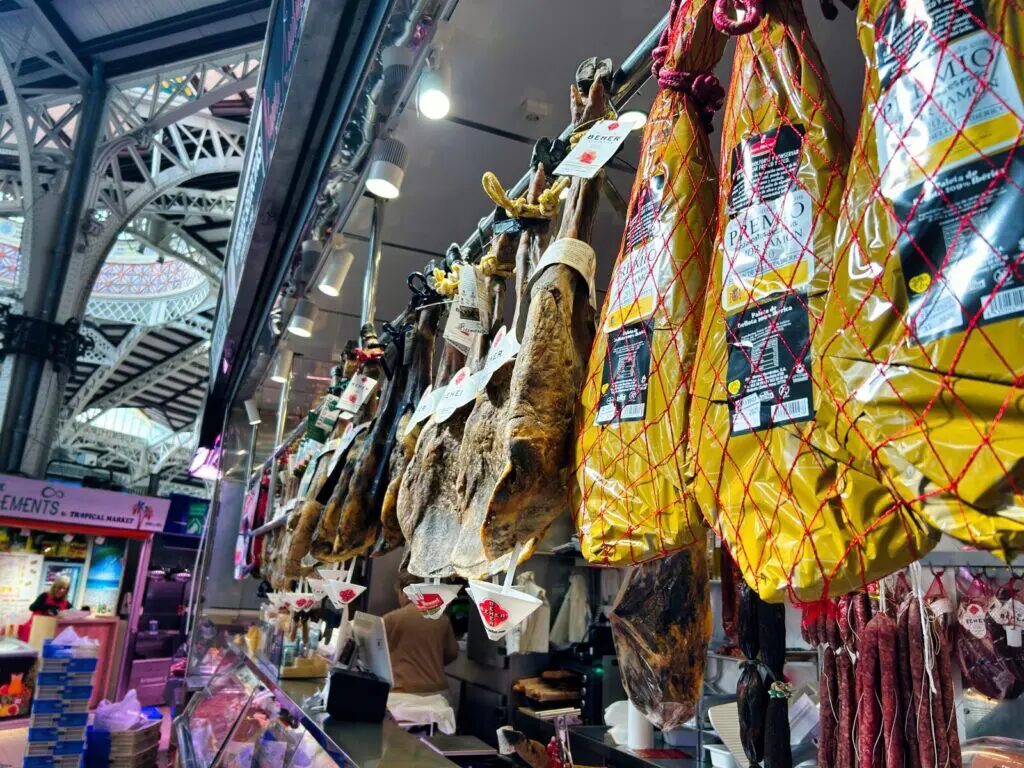
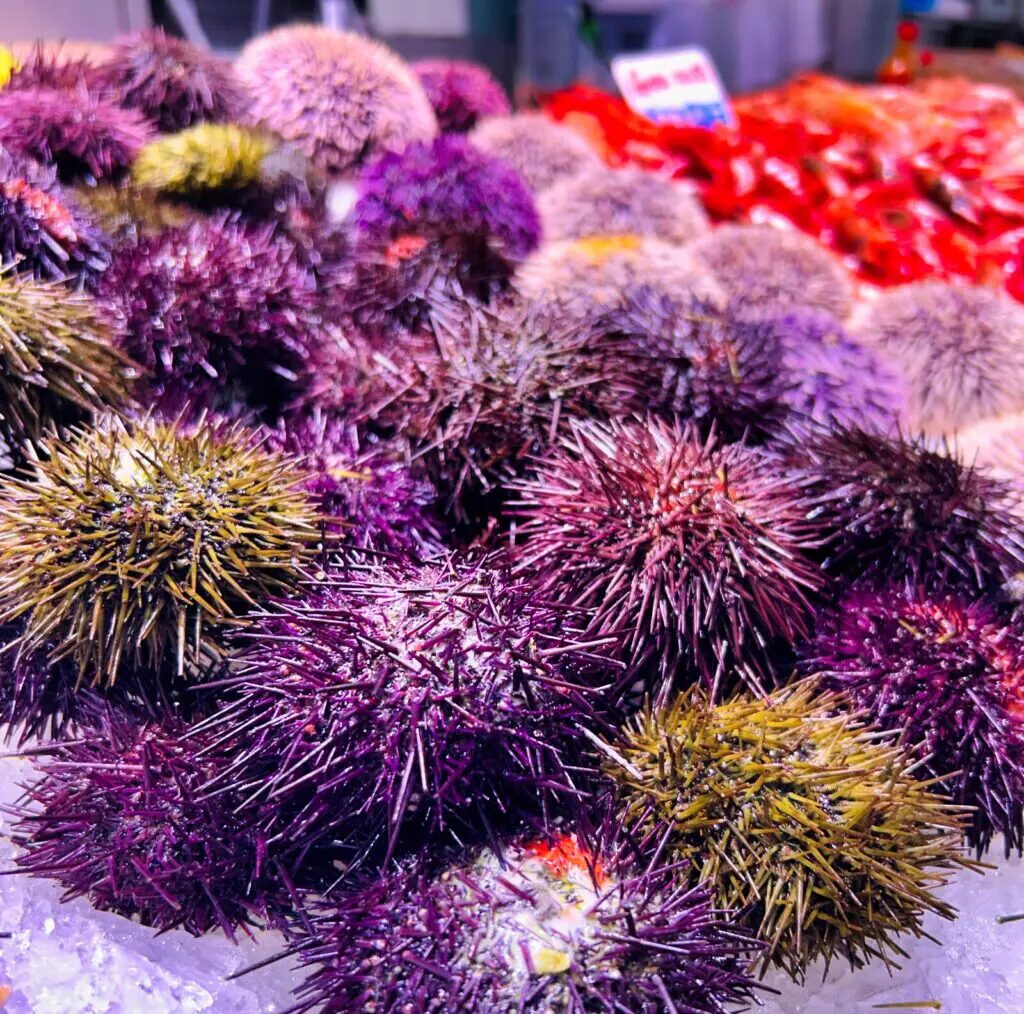
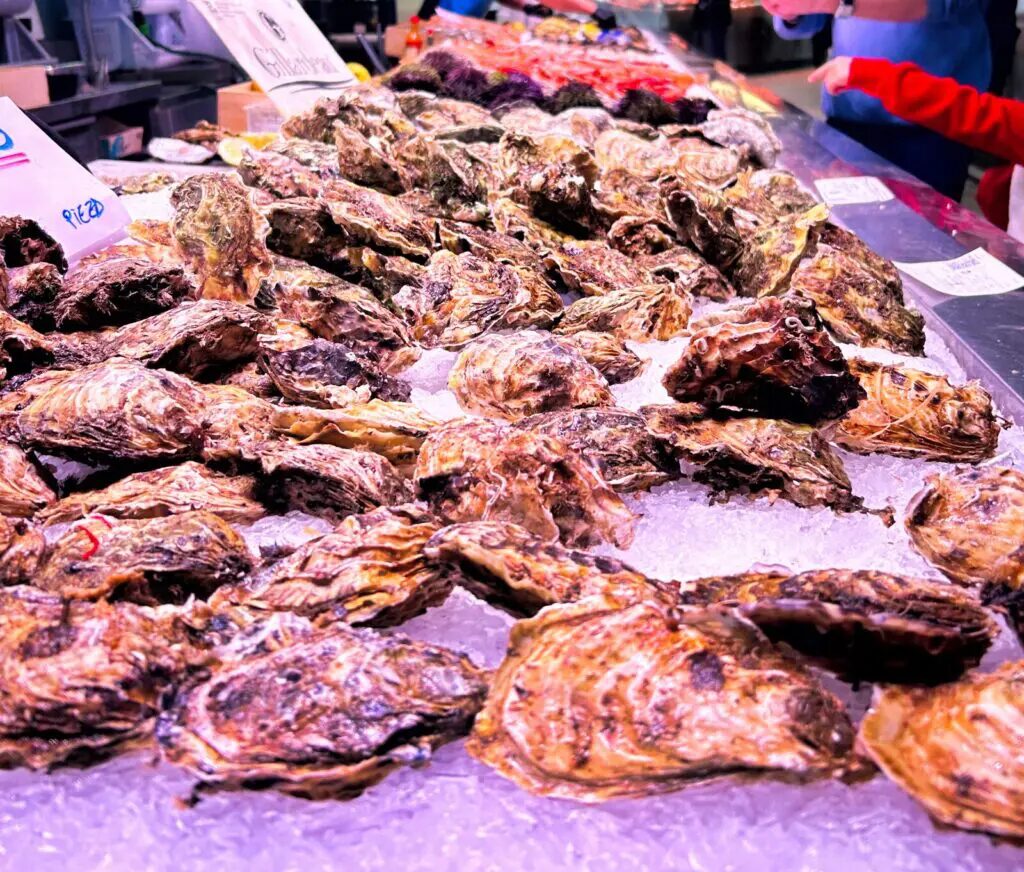
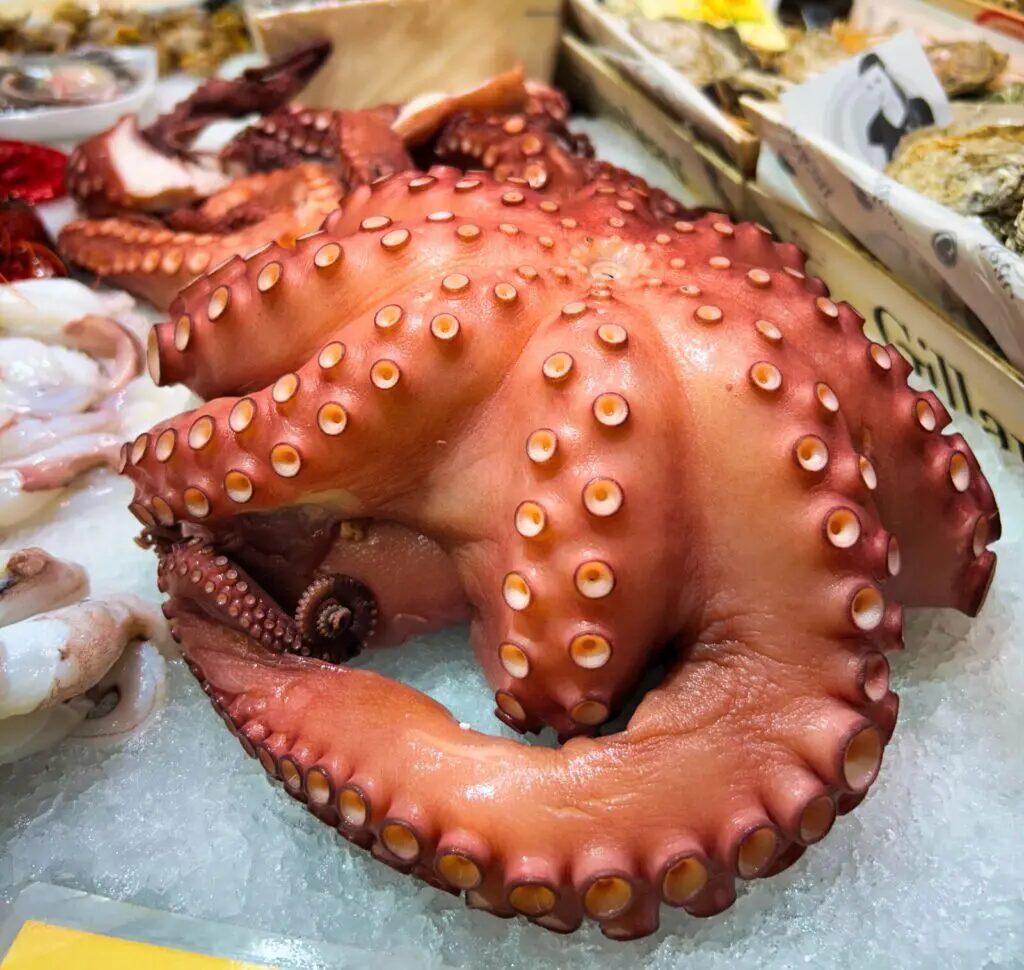
Visiting Mercado Central, one of Europe’s largest covered markets, offers families much more than shopping – it’s an unforgettable cultural and sensory adventure. This is a place where every corner reveals something that can enchant a young explorer – from colorful stalls of fruits and vegetables to aromatic spice corners.
What to notice:
Colorful mosaic of products: Draw attention to the diversity of colors and shapes of fruits and vegetables – some may be completely new to your child. This is a great opportunity to discuss healthy eating and where food comes from, turning it into an engaging geography lesson.
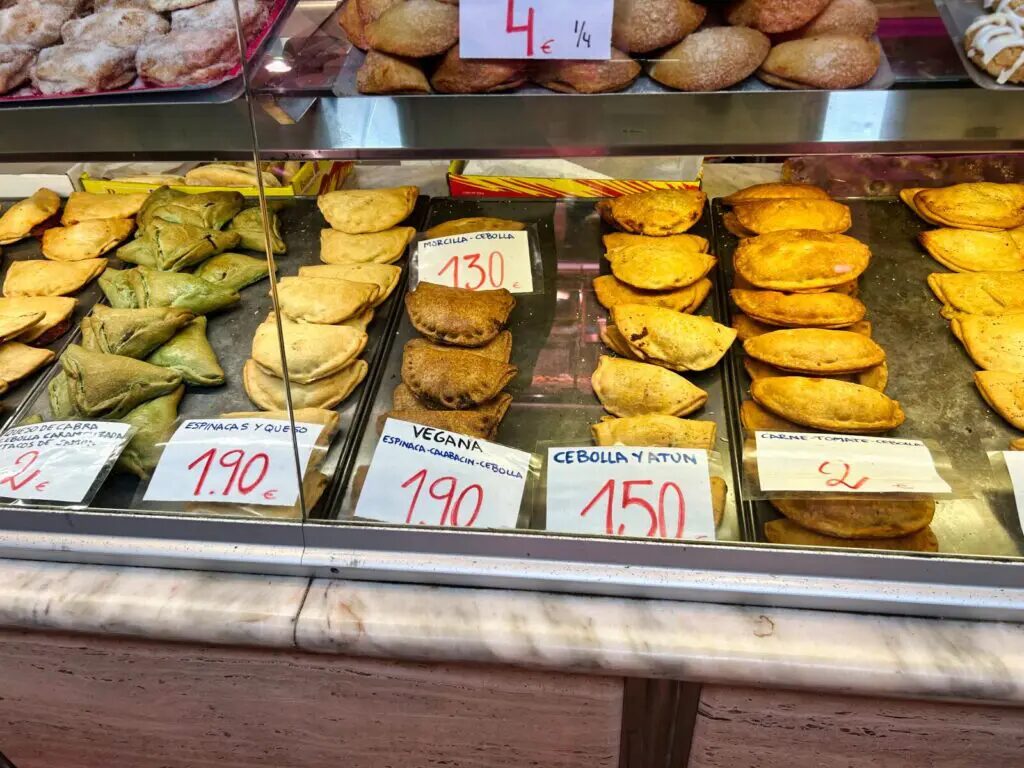
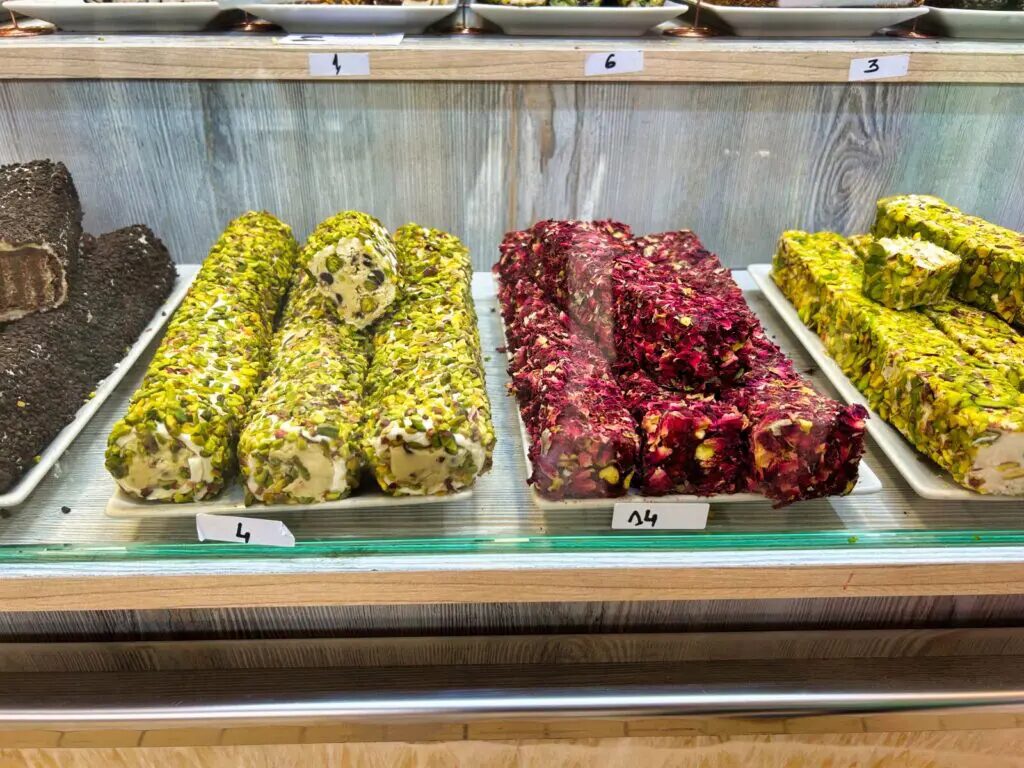
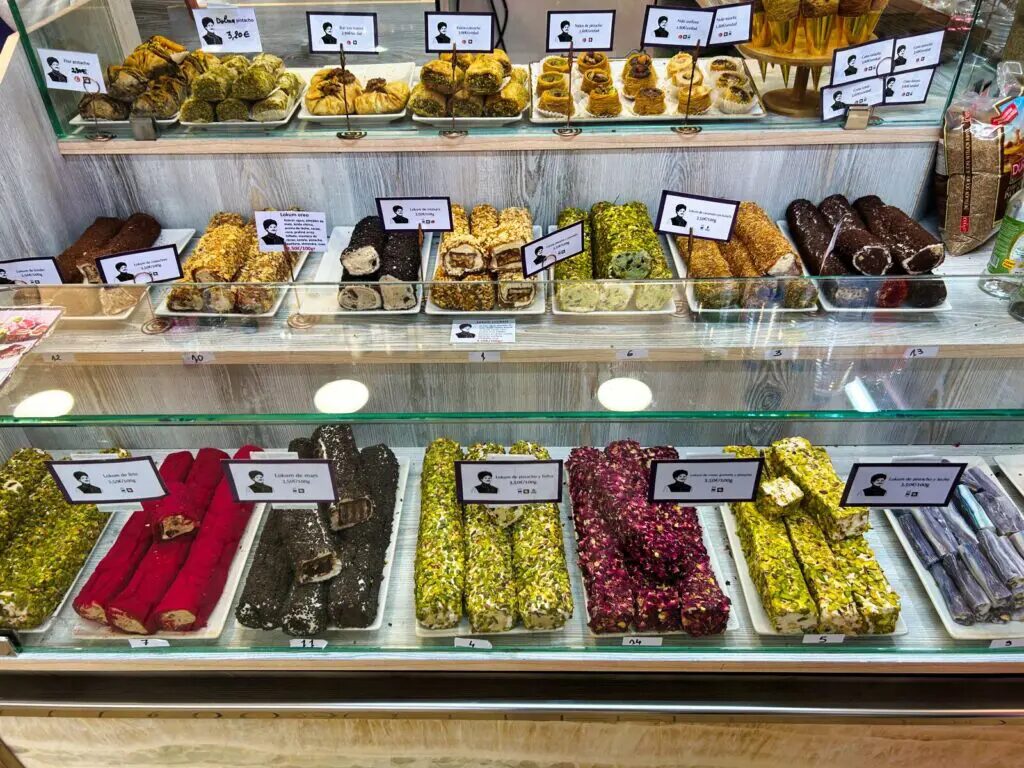
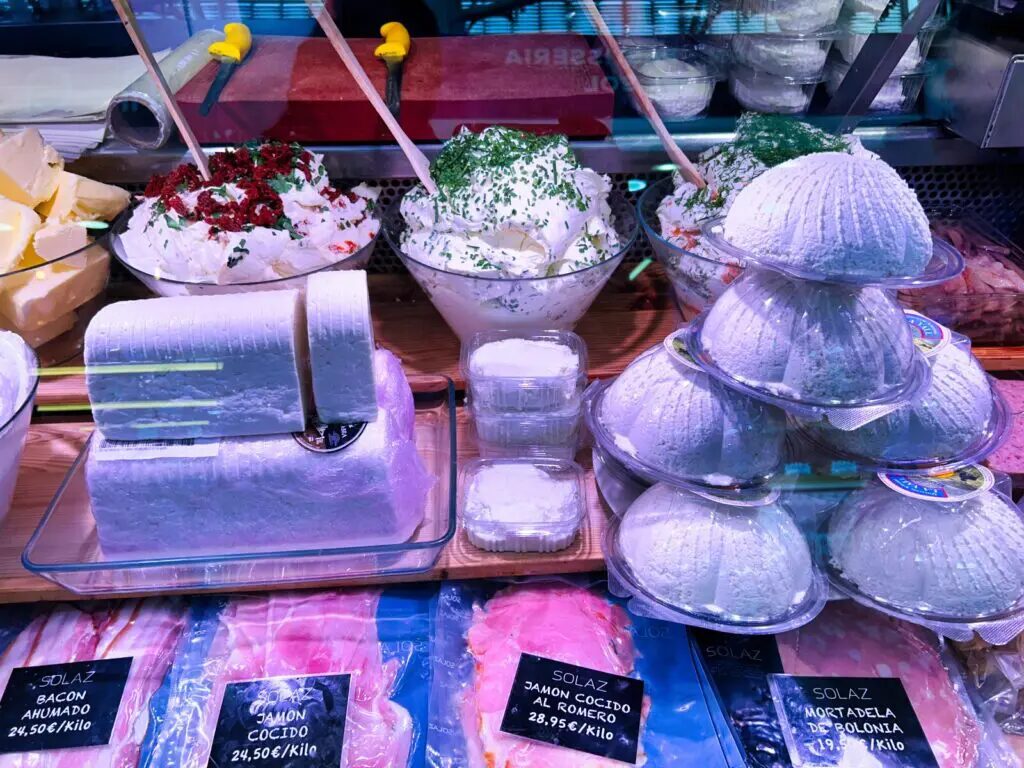
Local specialties: Don’t miss stalls with local cured meats, cheeses, and sweets. This is the perfect moment to introduce children to the world of Spain’s regional flavors. Many vendors offer tastings, which can be a small culinary adventure and help picky eaters try new things.
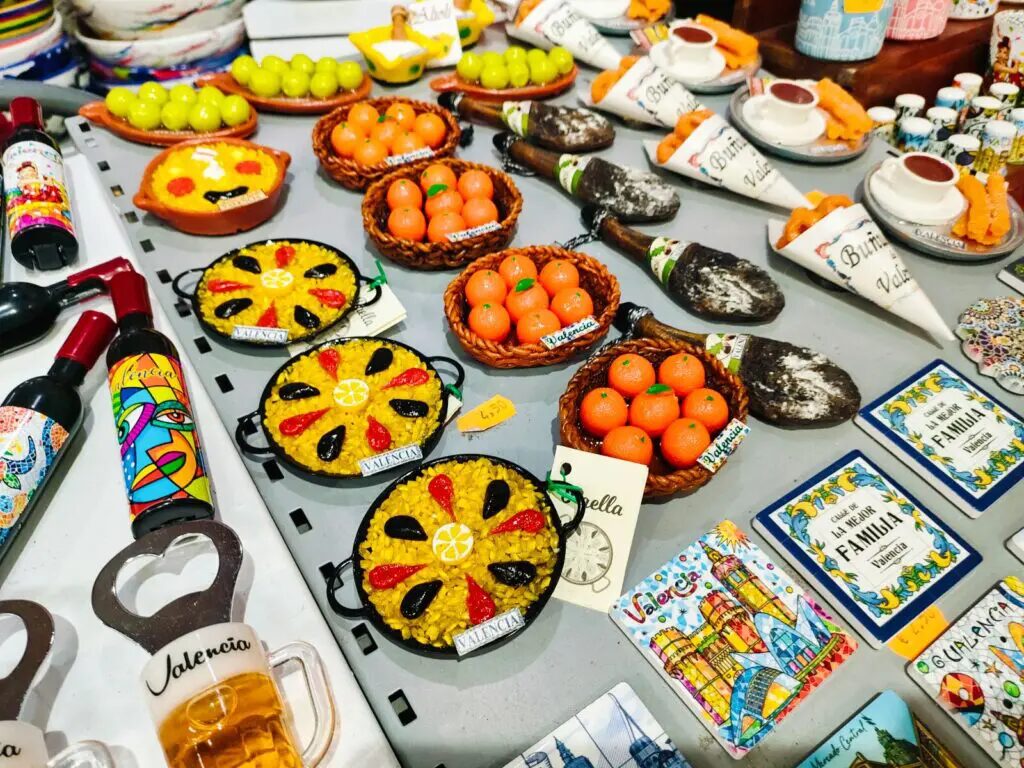
Crafts and souvenirs: Mercado Central isn’t just about food. Look for stalls with handicrafts and traditional Spanish souvenirs. This can be an opportunity to discuss culture and artisan crafts, and perhaps find a special keepsake to remember your trip.
How to approach the visit with children at Mercado Central:
As a geography and biology lesson: Use the product diversity to learn about different countries and regions where items originate, and about plant growth processes. “Where do pineapples grow?” becomes much more interesting when you’re holding one!
As a language learning opportunity: Asking your child to request a product in Spanish can be a fun and practical language lesson. Even simple phrases like “¿Cuánto cuesta?” (How much?) become memorable experiences.
As time for meal planning together: Let your child choose ingredients for a shared meal. This can be an excellent opportunity to discuss combining flavors and planning healthy, colorful dishes. You might be surprised by their creative choices!
Practical information:
- Opening hours: Monday to Saturday, 7:30 AM to 3 PM
- Best for kids: Morning visits when it’s less crowded
- Try: Fresh fruit smoothies, local pastries
- Tip: Bring small change for purchases
- https://www.mercadocentralvalencia.es
Quart Towers and Serranos Towers in Valencia
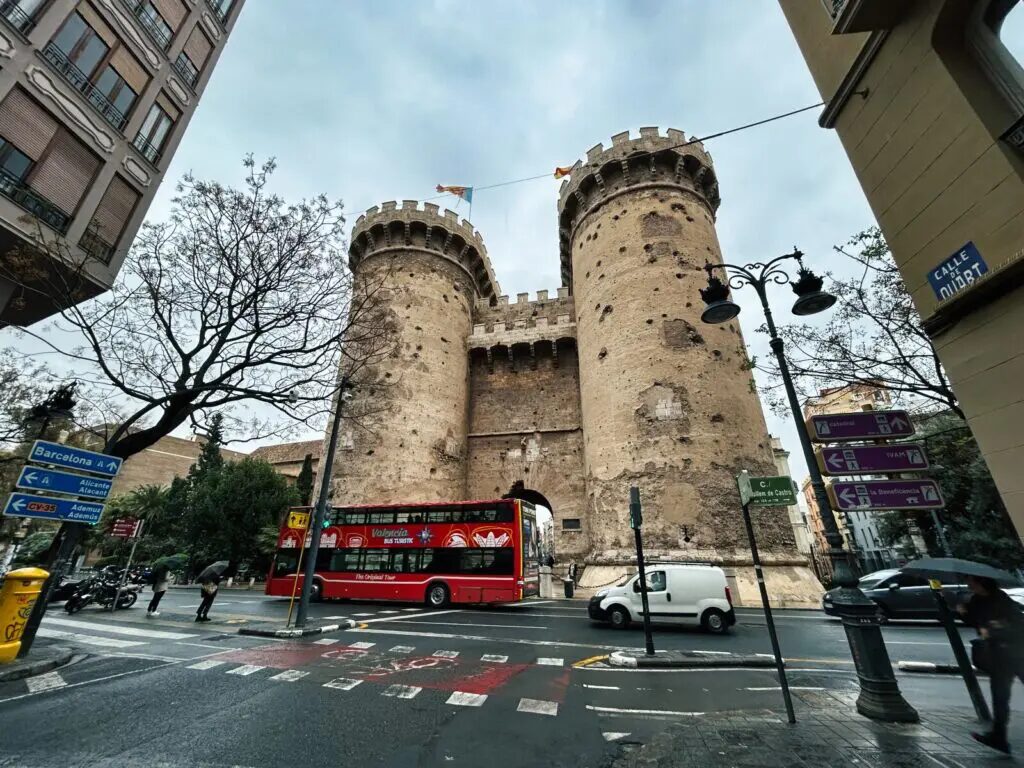
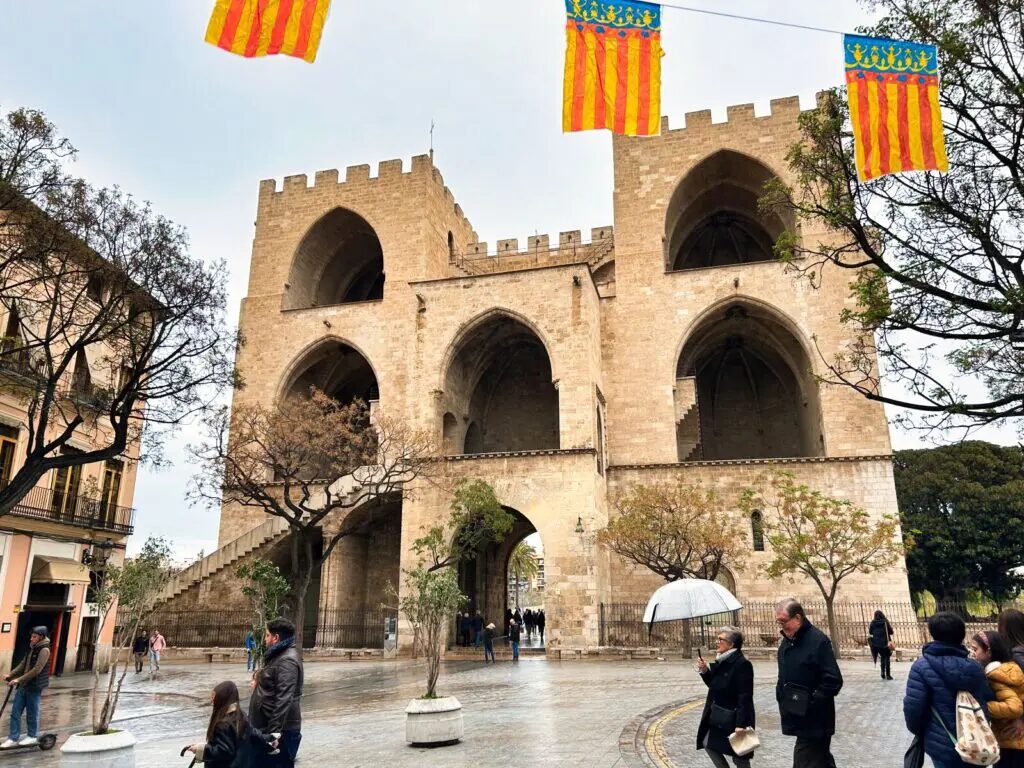
Quart Towers and Serranos Towers are two impressive gates that once formed part of Valencia’s defensive walls. Today they’re not only valuable monuments but also fantastic observation points offering views over the historic city. Visiting these towers with children, it’s worth focusing on several aspects that can make the experience more fascinating and educational.
Quart Towers:
History and architecture: Built in the 15th century, Quart Towers are an excellent example of Gothic defensive architecture. Explain to children how these towers served as an entrance gate to the city and their crucial role in its defense. You can discuss medieval city construction and defense methods – it’s like stepping into a real castle from their favorite stories!
Traces of the past: Visible on the towers are marks from cannonballs from various historical periods. This is a great opportunity to tell children about Valencia’s turbulent history and its strategic significance. These battle scars tell stories more vividly than any history book.
Serranos Towers:
Magnificent views: After climbing to the top of Serranos Towers, dating from the late 14th century, families can admire panoramic city views and the Turia riverbed park. Encourage children to search for familiar landmarks or monuments they’ve already seen during sightseeing. Can they spot the cathedral? The City of Arts and Sciences?
Ceremonial significance: Serranos Towers played an important role during the Las Fallas festival, when processions passed through the gates. This is the perfect moment to tell children about local traditions and their significance to the community – explaining how cities celebrate their heritage.
Tips for visiting with kids:
Bring binoculars: With these, children can examine the towers’ architectural details more closely and better observe the city panorama from above.
Games and activities: Prepare simple games like searching for known places in the city from the tower or guessing what various buildings were used for. This makes the visit more interactive and fun – perhaps create a scavenger hunt checklist!
Education through storytelling: Tell stories about knights defending city walls from attacks or about Valencia residents celebrating under the towers. Stories and legends always capture children’s attention and make history come alive for them.
Practical information:
- Opening hours: Check official website for current times
- Climbing: Both towers have stairs (consider children’s stamina)
- Tickets: Combined tickets available for both towers
- Best views: Serranos Towers offer better panoramas
- https://veryvalencia.com/things-to-do/attractions/valencia-old-town/82-quart-and-serranos-towers
Museo Fallero in Valencia

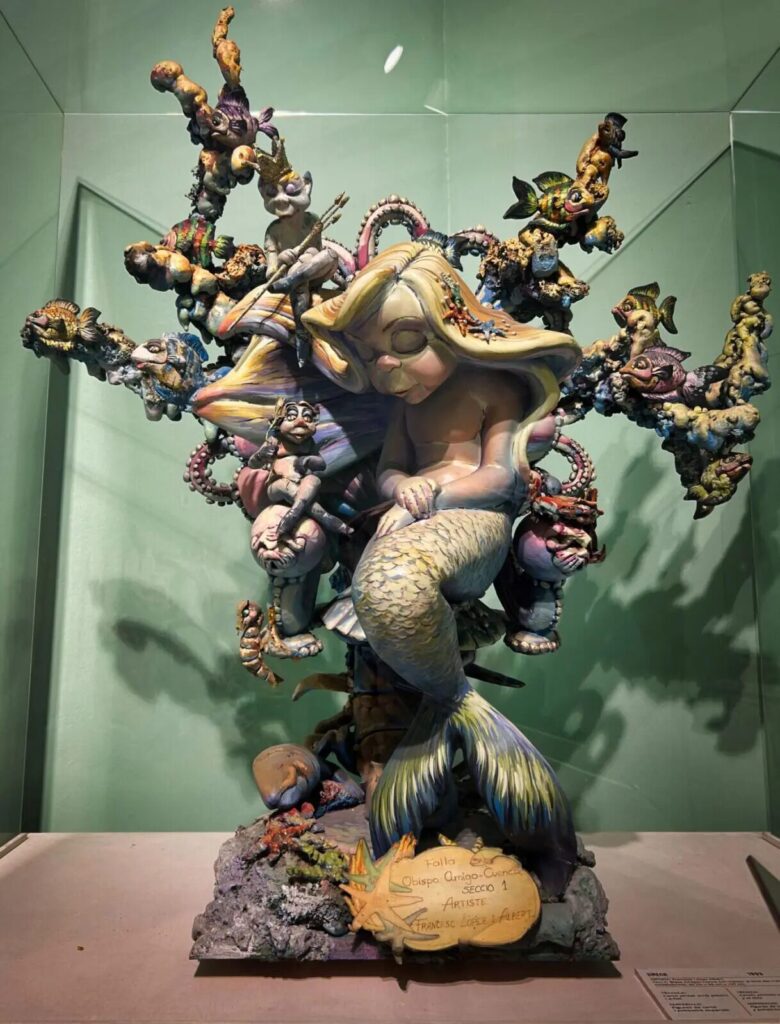
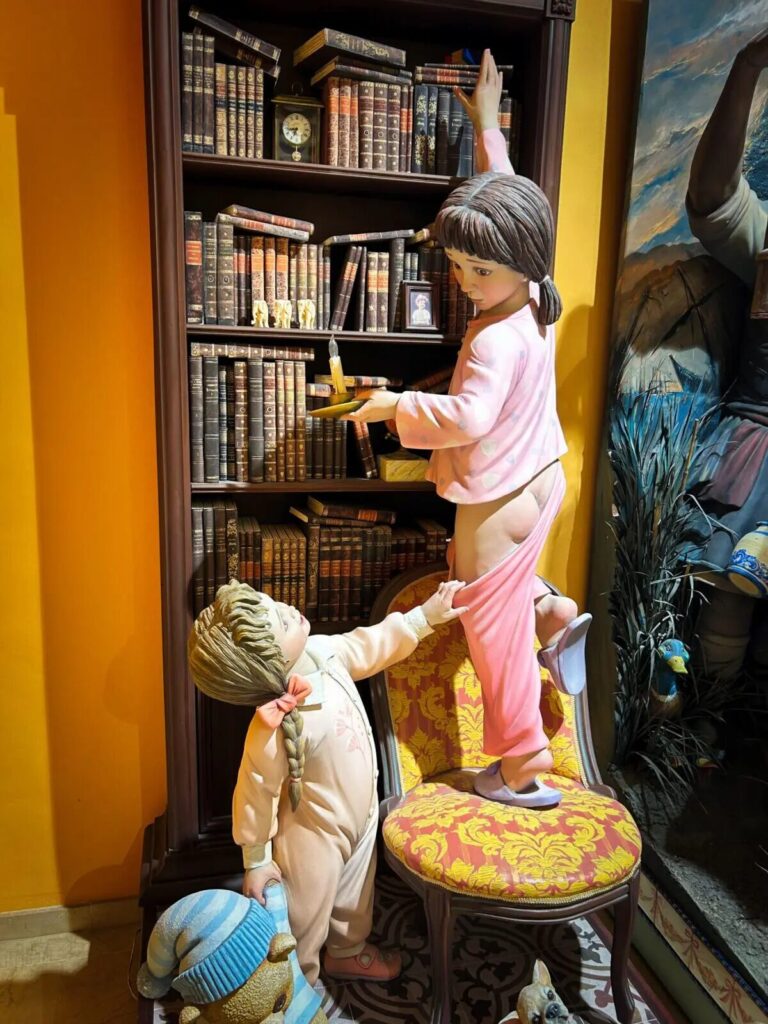
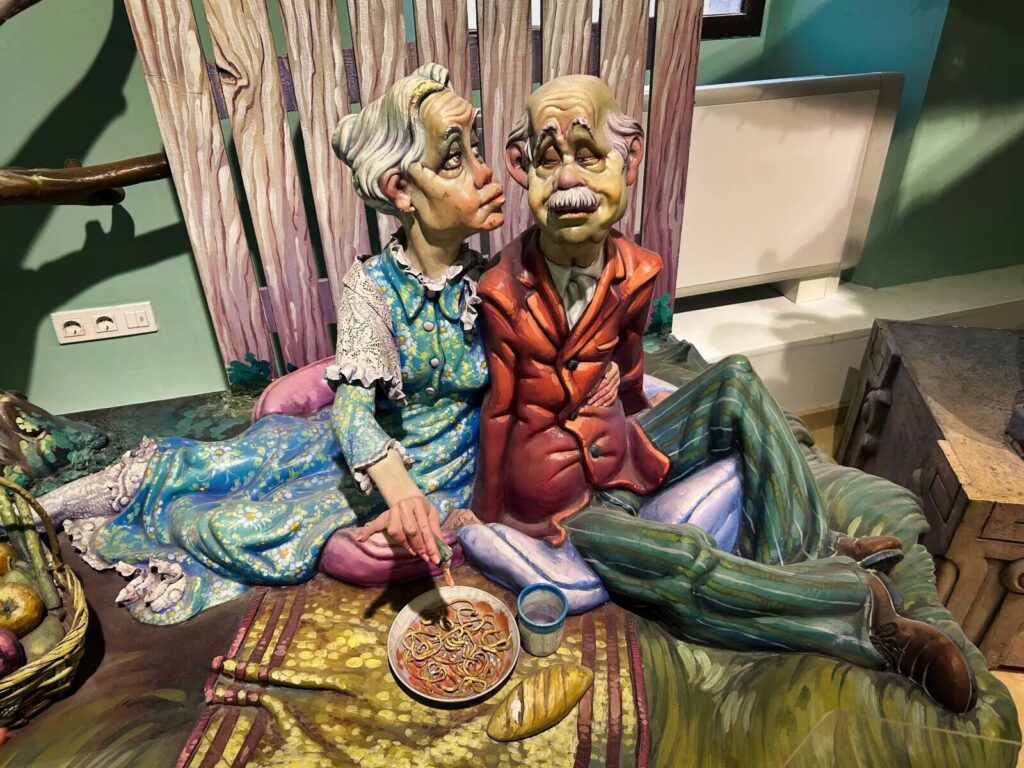
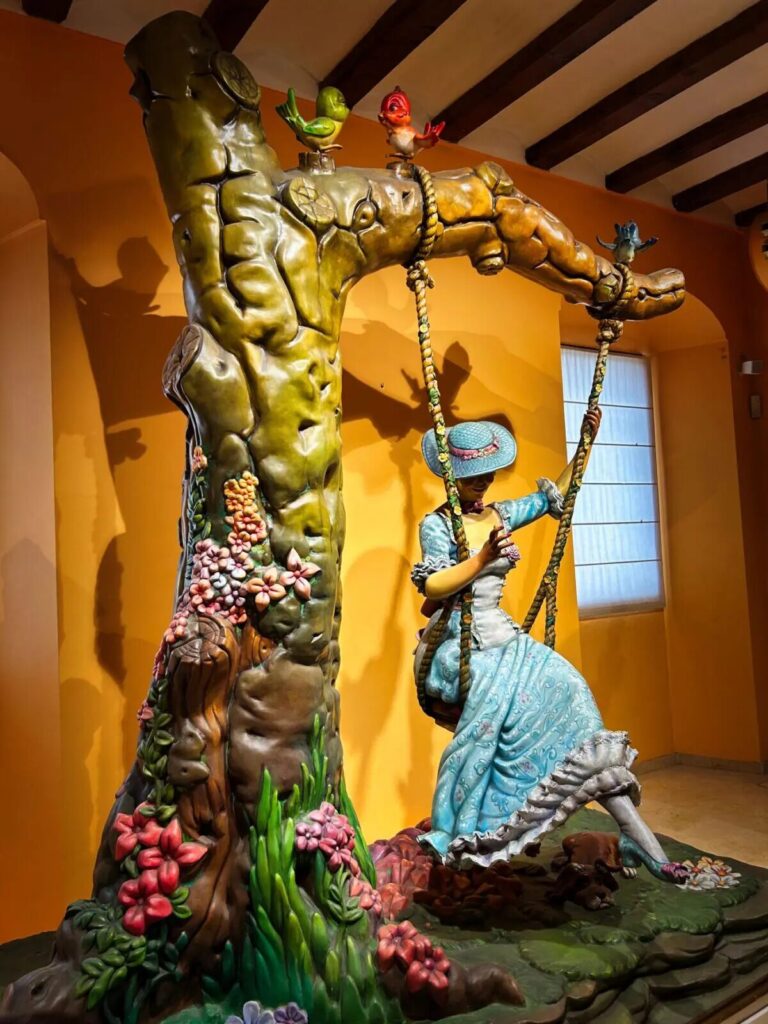
If you visit Valencia with kids and skip the Fallero Museum, you’ll spend the rest of the trip trying to explain Las Fallas from a postcard — do yourself a favour and go here first. Visiting this museum with children gives you the opportunity to discover the richness of Valencia’s culture and traditions through colorful and expressive papier-mâché figures called “ninots.”
What to see and explain to children:
Las Fallas Festival history: The festival, held every March, is one of Spain’s most important and lively celebrations. Tell children how Valencia residents welcome spring by creating and displaying enormous, often satirical figures throughout the city that depict public figures, scenes from popular movies, or current events. It’s like a city-wide art carnival!
Creating ninots process: The figures are created with tremendous precision and attention to detail. It’s worth noting the diversity of themes and techniques artists use to bring these paper sculptures to life. Showing children how seemingly simple materials like paper and glue can create something so extraordinary can be an inspiring creativity lesson.
“Crema” ritual: The festival’s climactic moment is “Crema” – the night when all figures are burned, symbolizing purification and rebirth. It’s a magical and somewhat melancholic moment when a year’s work turns to ash, making way for new ideas and creativity for the following year. This teaches children about the impermanence of art and the cycle of creation.

Practical information:
- Perfect for: Children aged 5+
- Duration: 1-1.5 hours
- Interactive elements: Some exhibits show the creation process
- Best time: Visit before March to build excitement for the festival
- https://cultural.valencia.es/es/museu/museo-fallero/
The Fallero Museum is where tradition meets art and history meets modernity. Visiting it, children can learn important values such as respect for tradition and culture, the significance of teamwork, and the ability to view the world with humor. It’s a visit that will certainly remain in the whole family’s memory as a colorful and vibrant introduction to Valencia’s culture.
Recreation and Nature Attractions in Valencia
Playa de la Malvarrosa and Playa de las Arenas
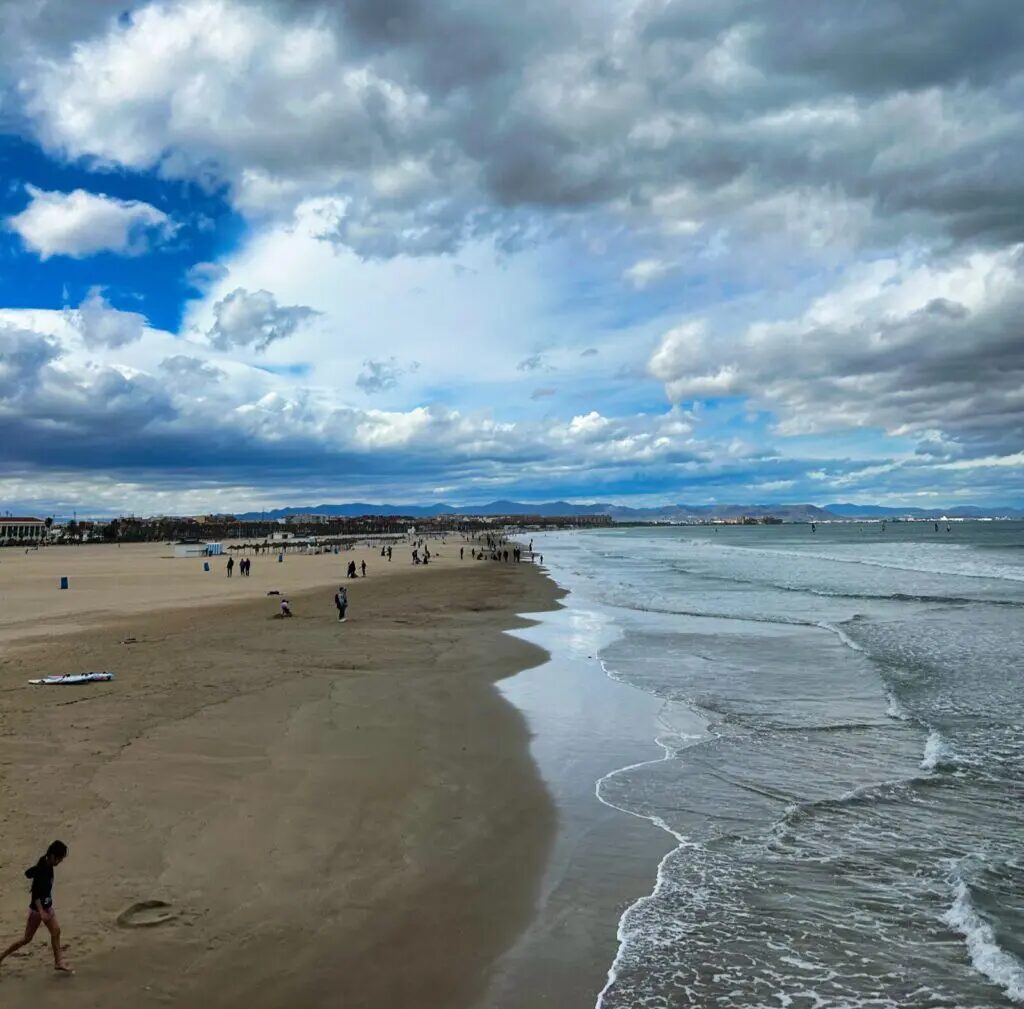
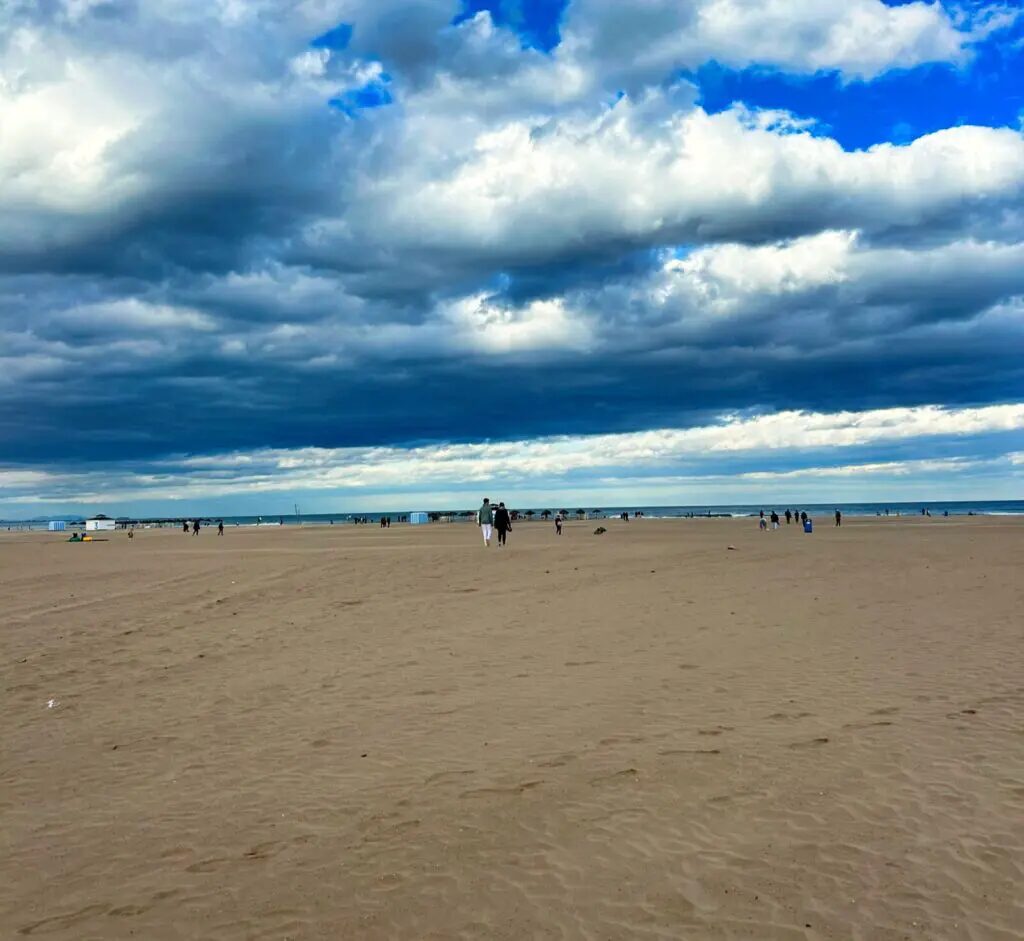
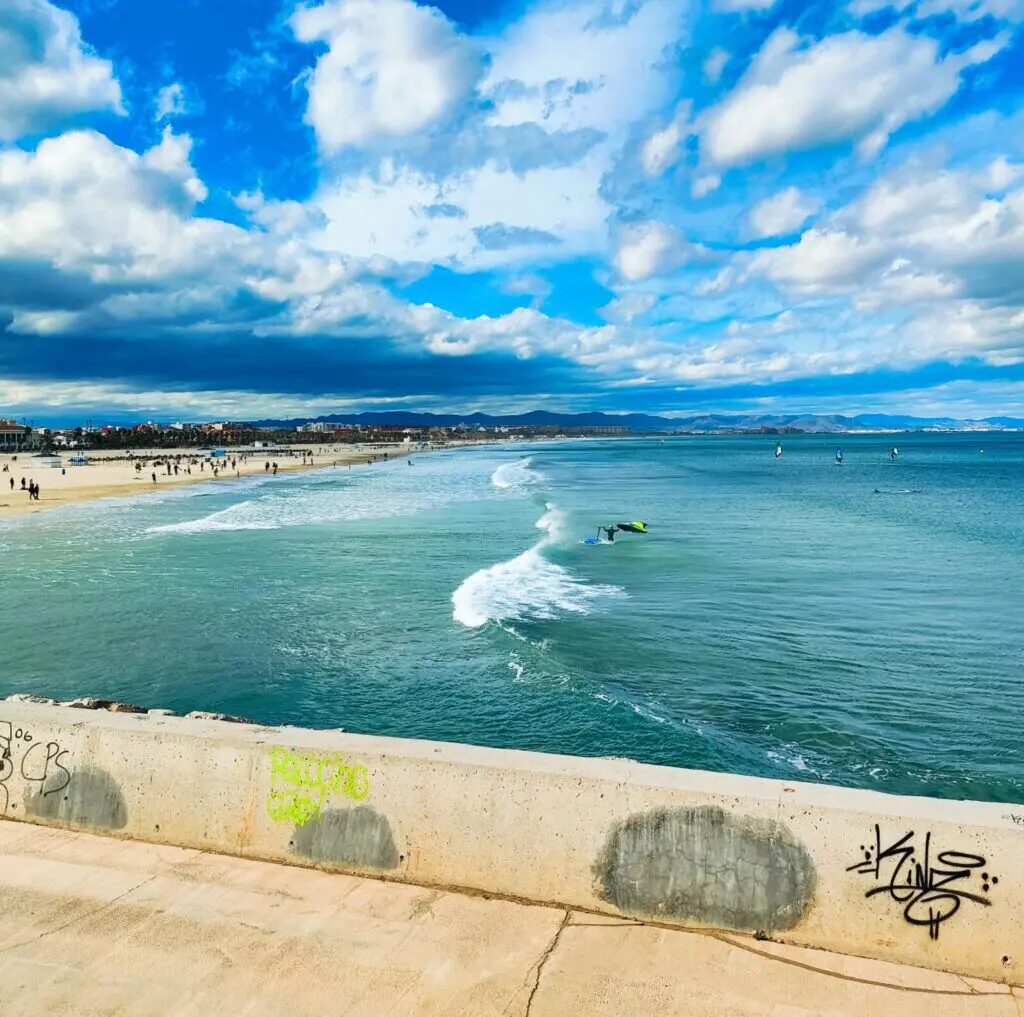
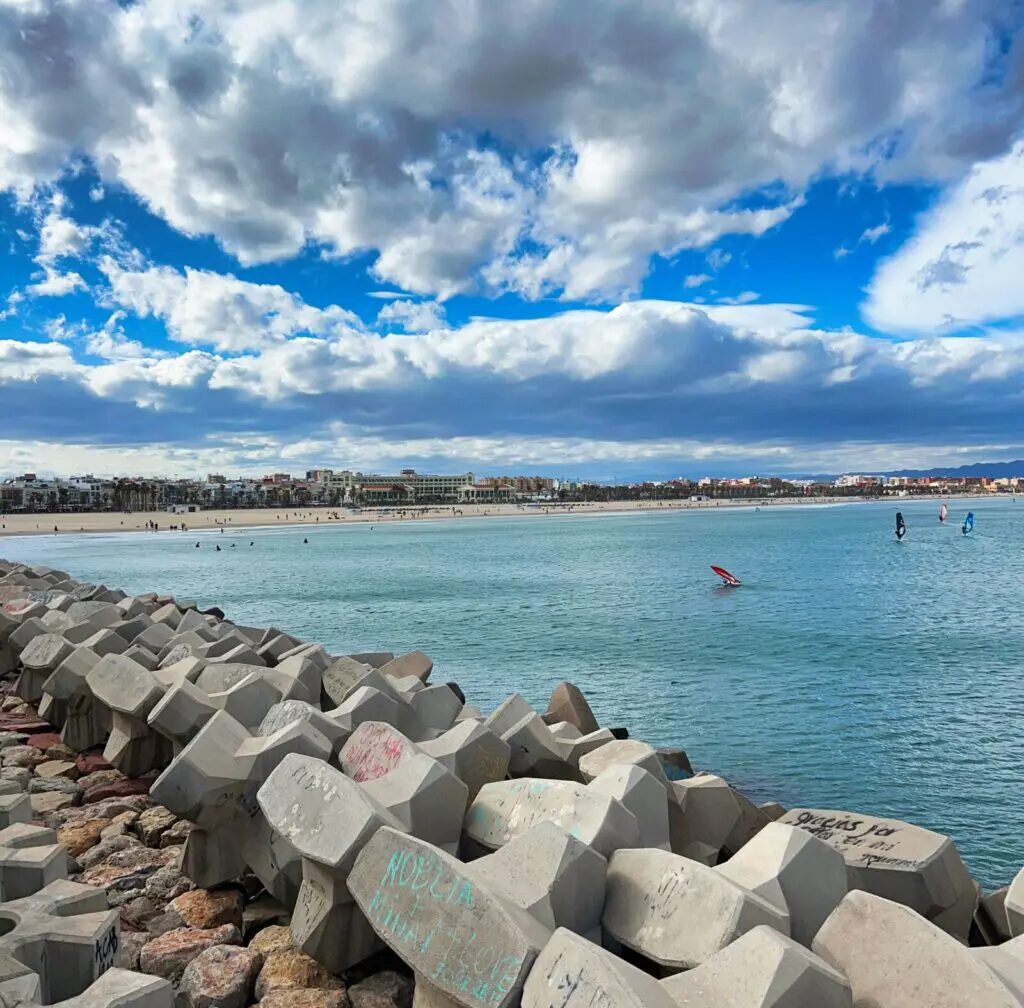
Playa de la Malvarrosa and Playa de las Arenas are two crown jewels among Valencia beaches, each offering not only the chance to relax on golden sand under warm Spanish sunshine but also a range of things to do in Valencia with kids that will make a day spent by the Mediterranean full of joy and fun for the whole family.
Atmosphere and amenities: Both beaches feature excellently maintained, wide stretches of golden sand and gentle entry into the sea, making them a safe choice for families with small children. On-site facilities include showers, restrooms, and rentals for loungers and umbrellas, ensuring comfort and convenience during an all-day outing.
Restaurants and bars: Along the promenade that stretches along both beaches, you’ll find numerous restaurants and bars serving local delicacies. This is a great opportunity to try fresh seafood, traditional paella, or refreshing horchata while enjoying views of the Mediterranean’s blue waters. Many restaurants offer children’s menus and high chairs.
Attractions for kids:
Playgrounds: Both beaches have playgrounds where children can safely play on slides, swings, and climbing structures – a great alternative to playing in the sand when they need a change of pace.
Water sports: Older children and teenagers can try their hand at water sports such as windsurfing, kayaking, or paddleboarding, available on some beach sections. Many rental places offer lessons for beginners.
Workshops and entertainment: During summer season, various workshops and entertainment for children are organized, from building sand castles to art activities and group games, ensuring each beach day becomes a new adventure.
Tips for a family beach day:
Prepare a picnic: Instead of dining at restaurants, you can prepare your own picnic with local delicacies purchased at Mercado Central. This is not only economical but also a wonderful opportunity to spend quality family time together.
Bring sand and water toys: Buckets, shovels, balls, and water floats guarantee good fun and active recreation. Don’t forget a beach umbrella for shade breaks.
Don’t forget sun protection: Spanish sun can be intense, so high-SPF sunscreen, head coverings, and sunglasses are absolute necessities, especially for young children.
Practical information:
- Peak season: June to September
- Best for families: Malvarrosa (wider, more services)
- Facilities: Lifeguards, accessible bathrooms, showers
- Nearby: Bike rentals along the promenade
As someone who grew up near the coast, I was braced for the usual overpriced sunbed situation — Malvarrosa surprised me. The beach is wide enough that you don’t feel stacked on top of other families, the water entry is genuinely gentle for small children, and the chiringuito nearest the northern end does a horchata cold enough to justify the walk. Go before 10 AM in July or accept that you’re sharing your towel space.
Bioparc in Valencia
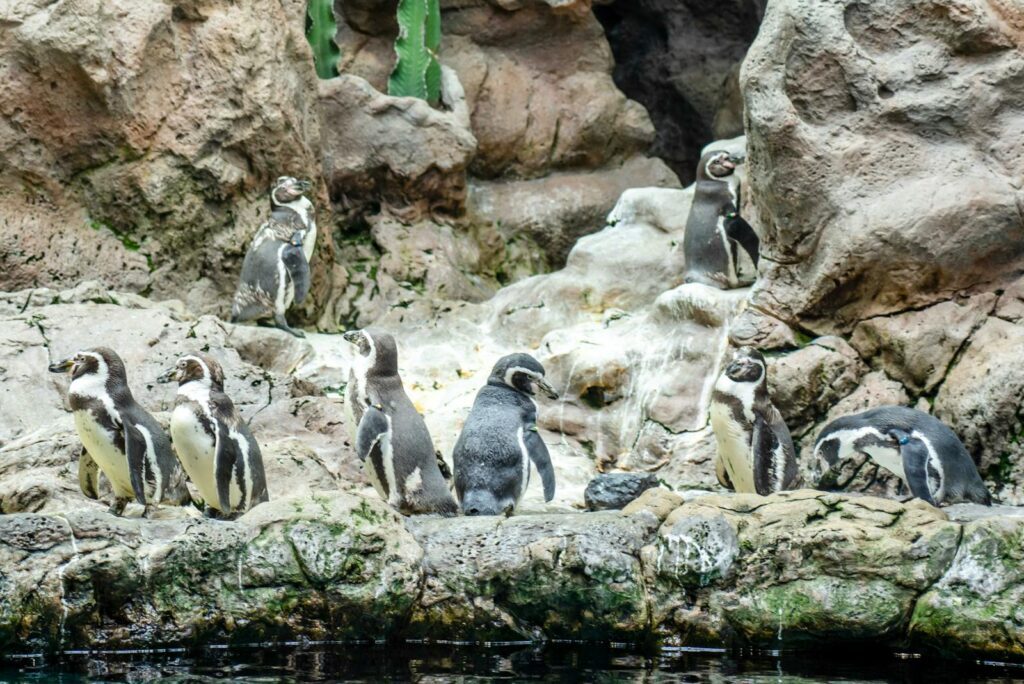
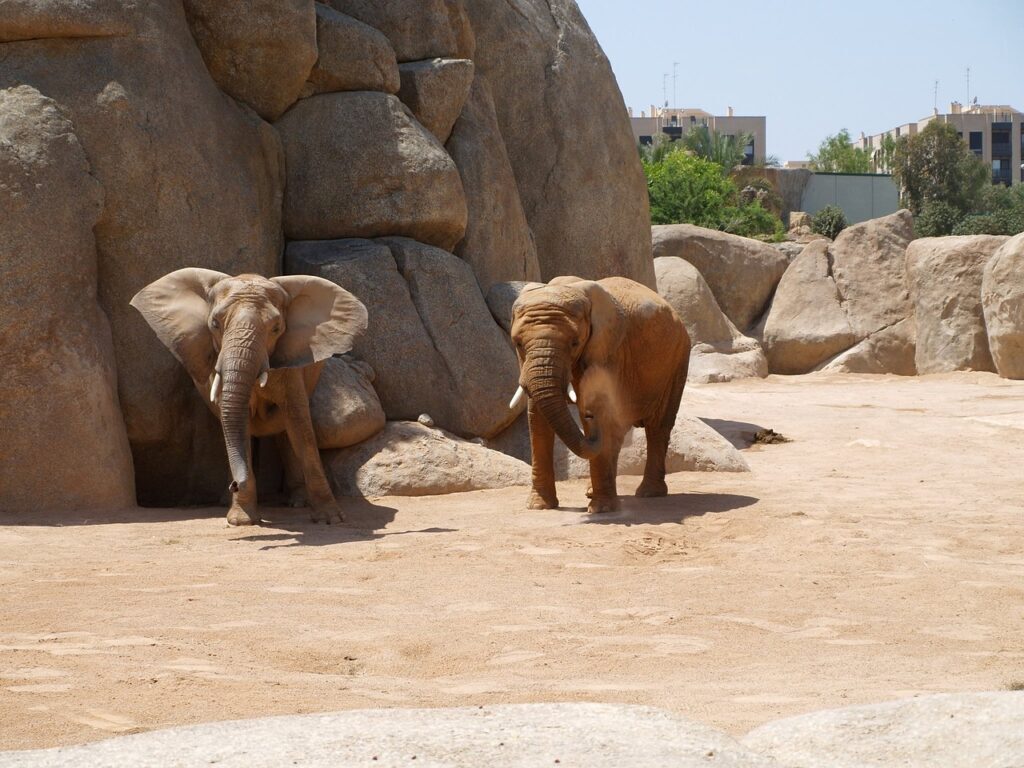
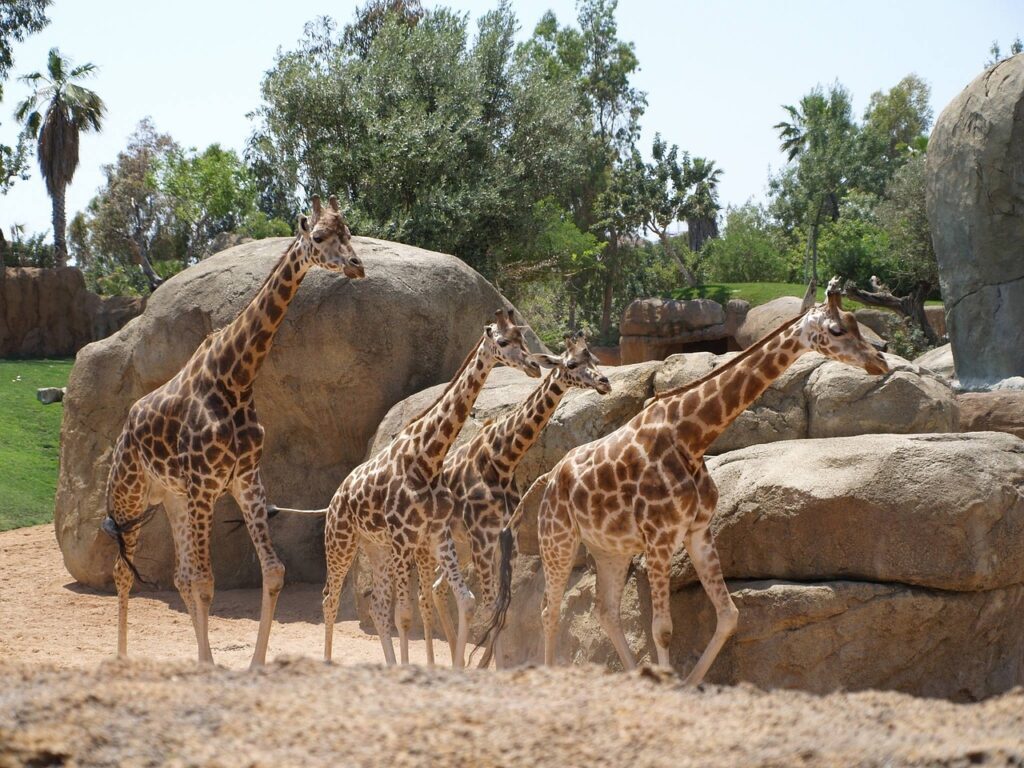
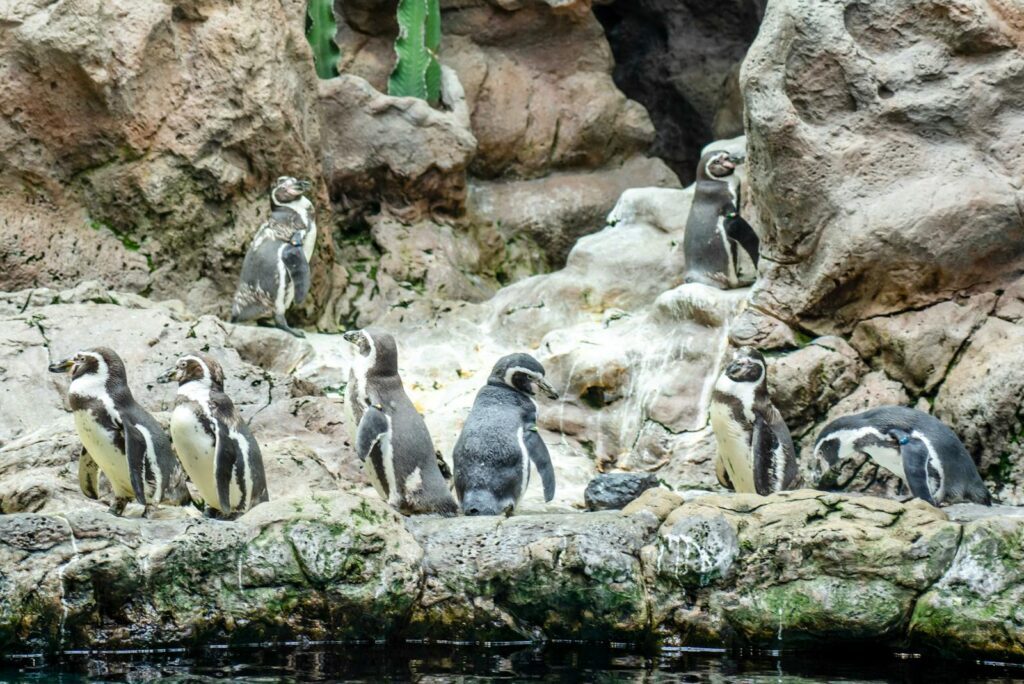
Bioparc is the one attraction in Valencia where we genuinely lost track of time — we’d allocated two hours and surfaced, blinking, four and a half hours later. Opened in 2008, this modern zoo introduces a completely new approach to presenting animals – the so-called zoo-immersion principle. What does this mean? Visitors feel as if they’ve truly entered the animals’ natural environment, without visible barriers or fencing.
What sets Bioparc apart from other zoos:
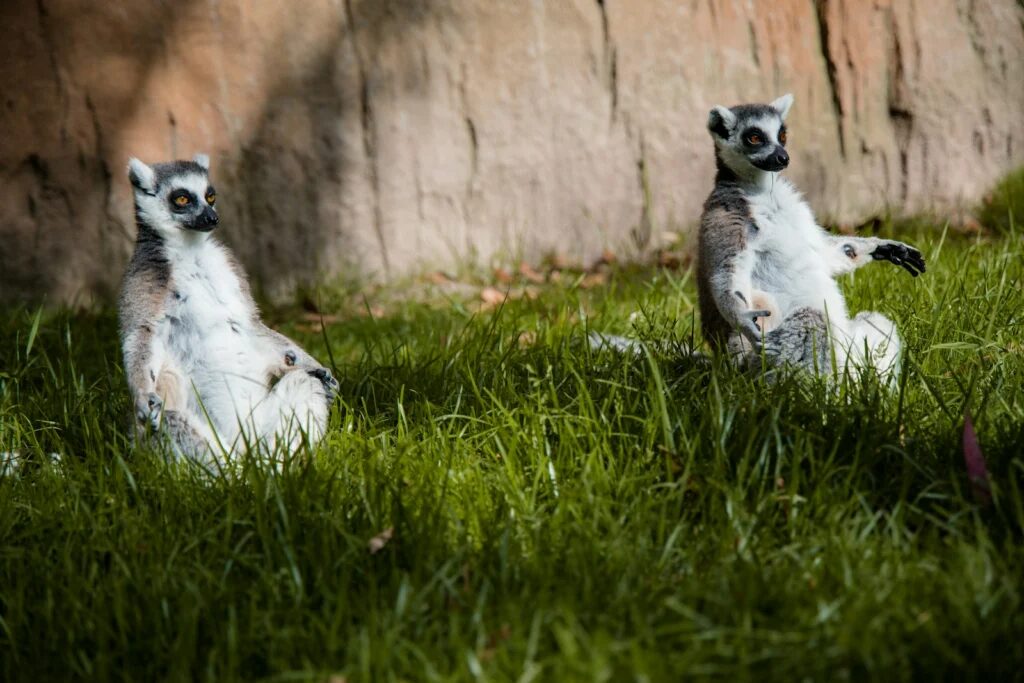
Natural ecosystems: The park recreates various African ecosystems: savanna, equatorial forests, and Madagascar
No visible barriers: Innovative architectural solutions make boundaries between visitors and animals almost imperceptible. You might feel like you’re actually on safari!
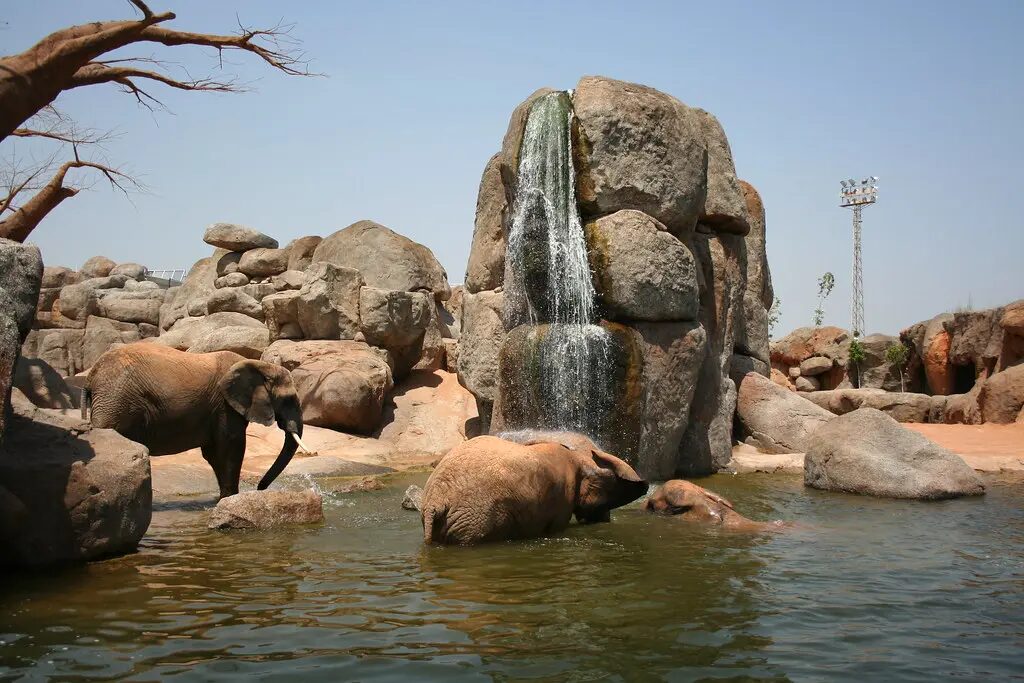
Enormous animal diversity: Over 3,000 animals representing species such as elephants, giraffes, gorillas, chimpanzees, hippos, rhinos, zebras, antelopes, and many others
Spacious enclosures: Animals have extensive, carefully designed areas at their disposal that closely mimic their natural environment, promoting natural behaviors
Attractions for kids at Bioparc:
Bird and mammal shows: Fascinating presentations showcasing animal behaviors and abilities – these aren’t circus performances but educational demonstrations of natural capabilities.
Meetings with animal keepers: Opportunity to learn fascinating facts about individual species and their daily care. Children love hearing real stories from the people who know these animals best!
Walk among lemurs: A special zone where you can be without barriers among animals from Madagascar. It’s an unforgettable experience of proximity to wildlife.
Nature cinema: Documentary film screenings about the park’s residents
Animal feeding: Opportunity to observe meals of gorillas, chimpanzees, elephants, and other animals – seeing these magnificent creatures dine is surprisingly captivating
Bioparc isn’t just entertainment but also education. The park places enormous emphasis on protecting endangered species and ecological education. Children have the chance to learn how important biodiversity is and the protection of wildlife’s natural habitats.
Plan to spend a full day exploring Bioparc. There are also several restaurants and food points where you can rest and recharge during your visit. Remember to check show times and animal feeding schedules right after entering the park – this allows better day planning. Bioparc is a must-see point on your Valencia with kids itinerary that will stay in the whole family’s memory for a long time.
Practical information:
- Location: 15 minutes from city center by metro
- Best for: All ages (stroller-friendly paths)
- Duration: Full day recommended (4-6 hours minimum)
- Tickets: Book online for discounts
- Food: Multiple cafés and restaurants, or bring picnic
- https://bioparcvalencia.es
One genuine tip: check the gorilla feeding time as you walk in and build your day around it. We stumbled on it by accident and our 8-year-old has not stopped talking about it — he’s now apparently considering a career in primatology.
Parque Natural de la Albufera
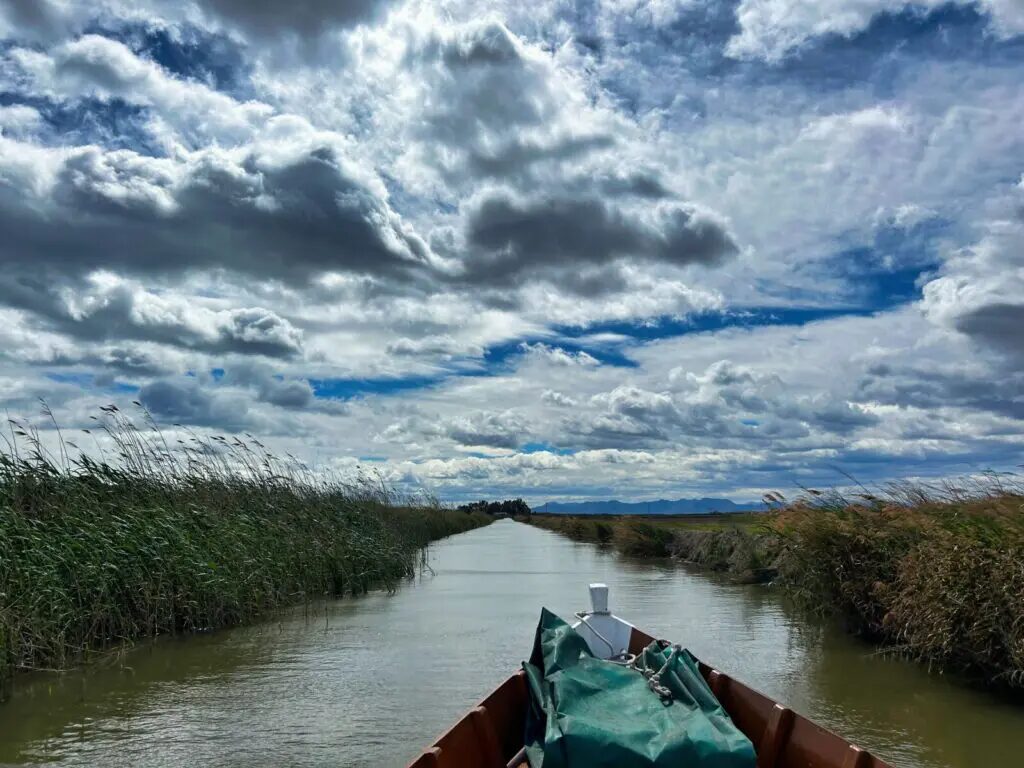
Parque Natural de la Albufera is a unique nature reserve located just over 10 kilometers from Valencia. It offers incomparable landscapes, rich flora and fauna, and unique ecosystems. Albufera is home to many migratory bird species, making it a paradise for ornithology enthusiasts. The area also offers opportunities to spend time in nature, far from urban bustle.
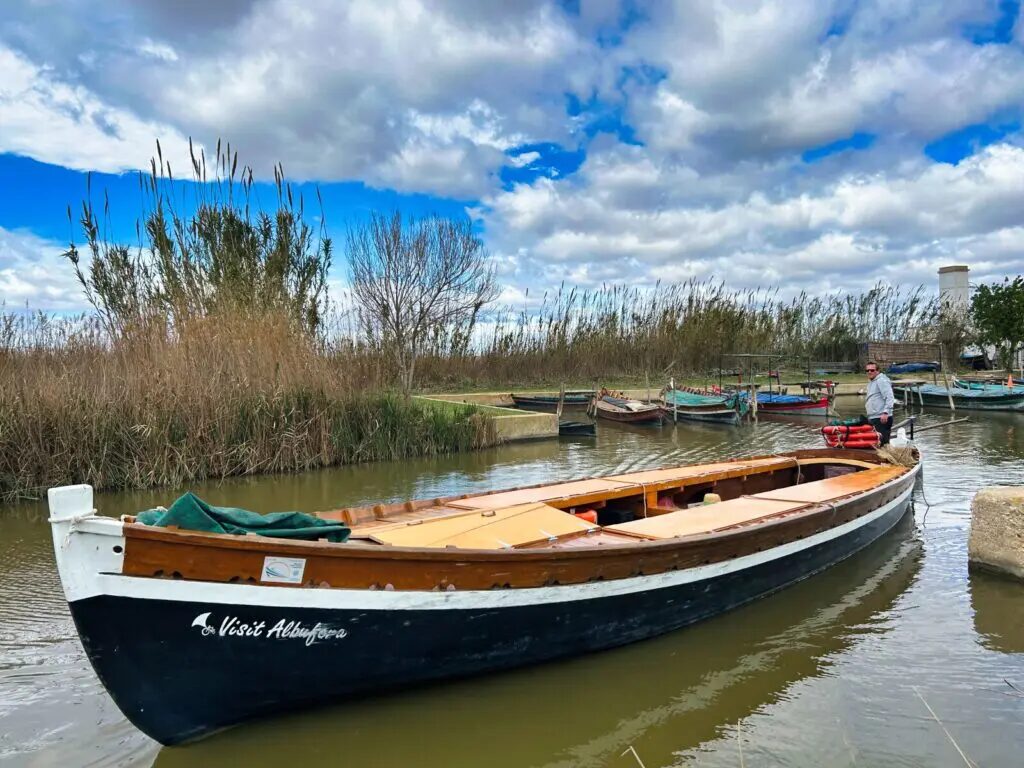
During a visit to Parque Natural de la Albufera, tourists can use numerous walking and cycling trails leading through picturesque landscapes and traditional Spanish fishing villages. You can also take a boat cruise on Lake Albufera, offering the chance to commune directly with nature and admire sunsets that are exceptionally beautiful here – often described as some of the most stunning in Spain.
Albufera is also where rice is cultivated for preparing traditional Valencian paella. A visit to the reserve is the perfect opportunity to try this local specialty in one of the village restaurants, enjoying authentic flavors and traditional hospitality. Many family-run restaurants here serve paella cooked over wood fires using recipes passed down through generations.
Parque Natural de la Albufera is undoubtedly one of Valencia’s most precious natural gems, offering unique experiences for both nature lovers and those wishing to discover the region’s culinary side. It provides the ideal complement to city sightseeing, allowing moments of relaxation and peace surrounded by nature.
An additional attraction that significantly enriches a visit to Parque Natural de la Albufera is the opportunity to participate in a boat or motorboat excursion on Lake Albufera. Such an excursion is not only a chance to admire extraordinary views and encounter wildlife up close but also an opportunity to learn about this place’s history and traditions through guide or captain’s stories.
During the cruise, guides often share fascinating stories about the lake’s ecosystem, its role in local communities’ lives, and fishing techniques passed from generation to generation. You can learn more about how rice cultivation around Albufera influences local cuisine and how authentic Valencian paella is made, considered Spain’s national dish.
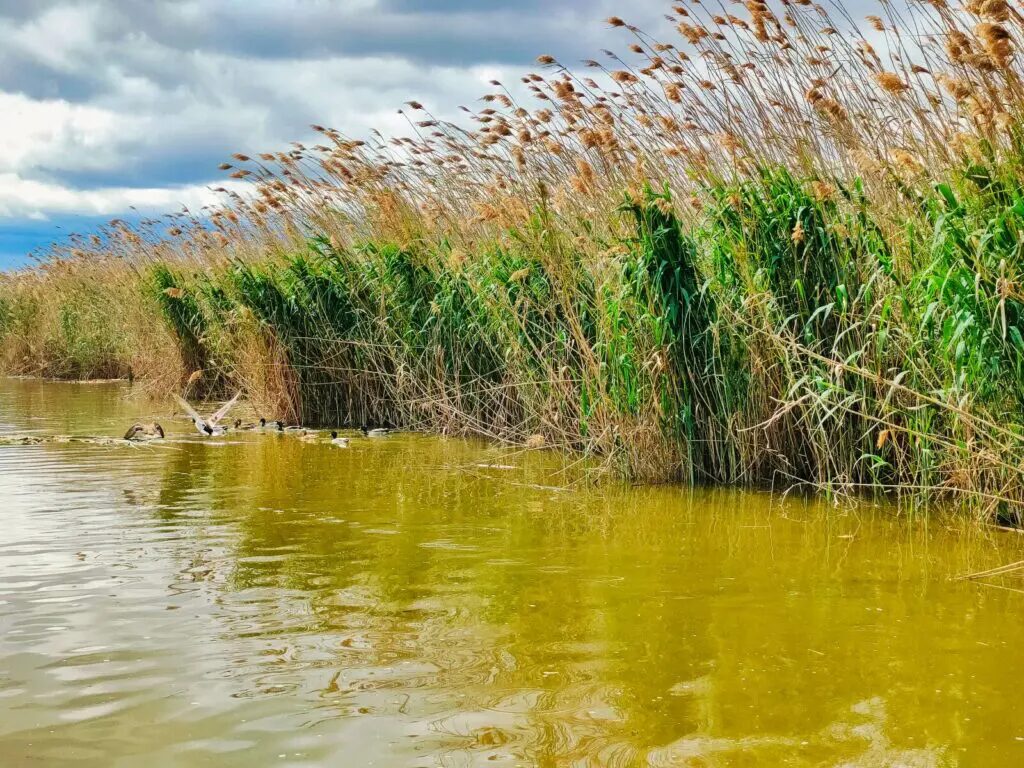
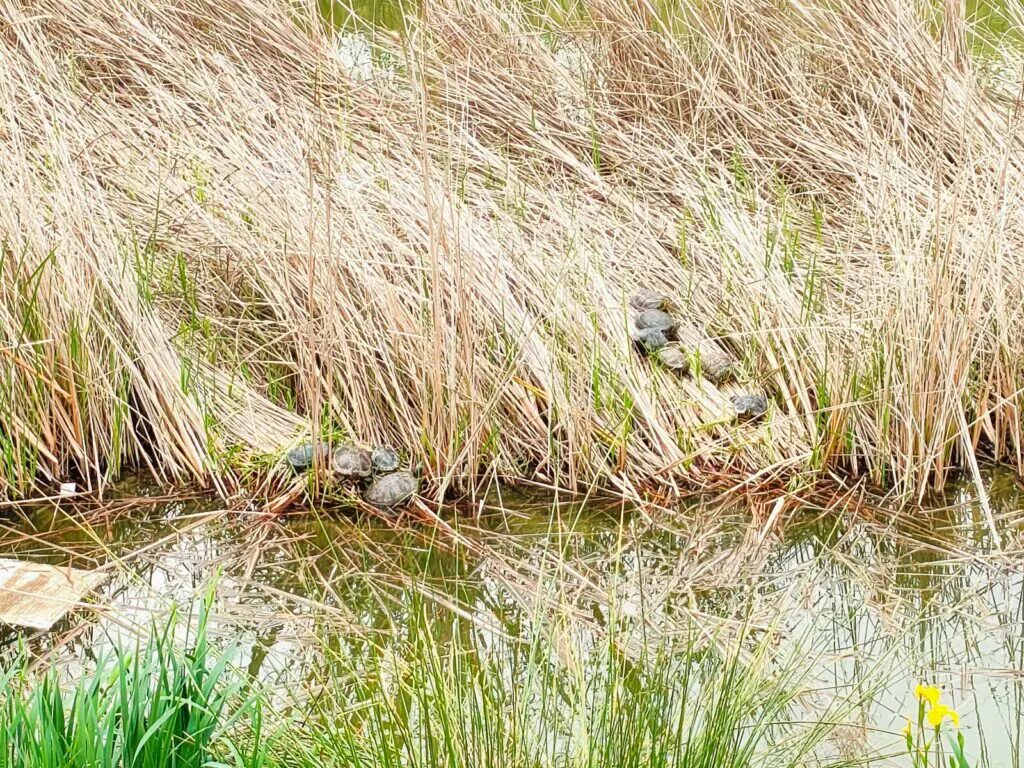
The boat trip is also a great opportunity to observe birds and other animal species inhabiting the park. Depending on the season, you can encounter flamingos, herons, ducks, and many other migratory bird species that stop at Albufera during their migrations. Bring binoculars for children to spot and identify different species!
Practical information:
- Location: 11 km south of Valencia (bus or car)
- Best for: Nature-loving families, ages 6+
- Duration: Half-day to full-day excursion
- Boat tours: €4-5 per person, sunset tours highly recommended
- Tip: Visit El Palmar village for authentic paella by the lake
Turia Gardens and Gulliver Park in Valencia
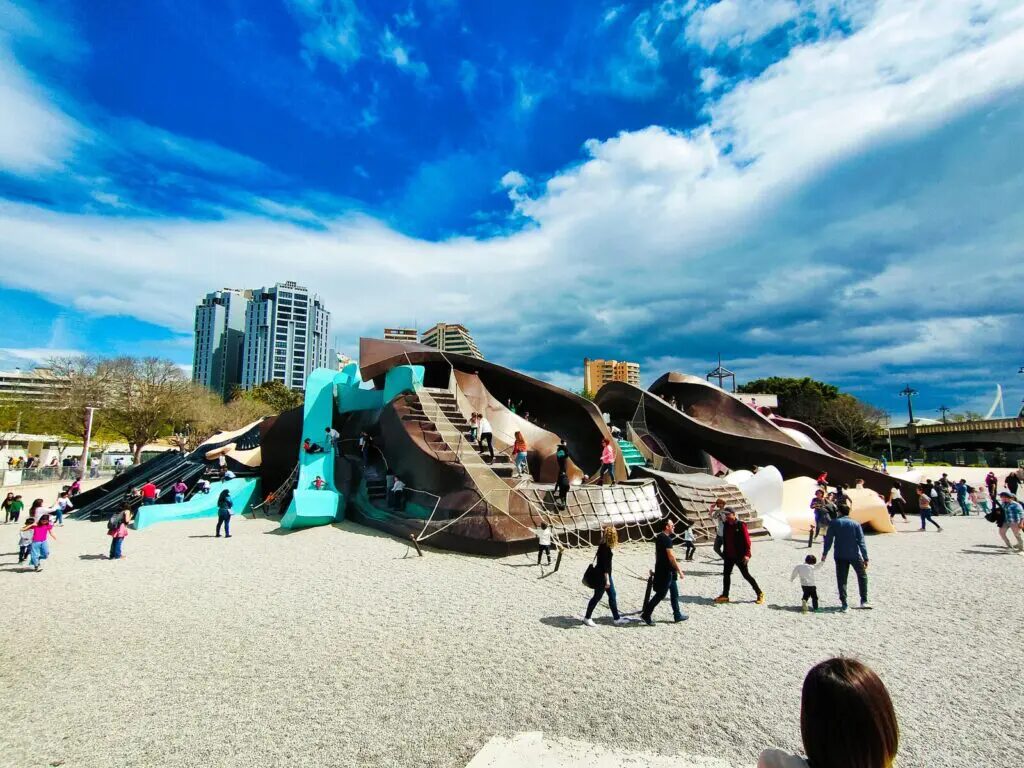
The Turia Gardens are the reason Valencia feels liveable rather than just visitable — nine kilometres of former riverbed that the city converted into parkland in the 1980s after rejecting plans to fill it with a motorway. This extensive green area, stretching 9 kilometers, is a true oasis of calm and recreation in the heart of the city. Transformed from the old river bed, these gardens offer residents and tourists a wide range of outdoor activities, from picnics to sports and walks.
In the Turia Gardens, it’s worth noting:
Diverse landscapes: While strolling through the gardens, you can admire varied landscapes – from carefully designed botanical gardens through green meadows to sports arenas. Everyone finds something for themselves here, regardless of age or interests. The gardens are divided into different sections, each with its own character.
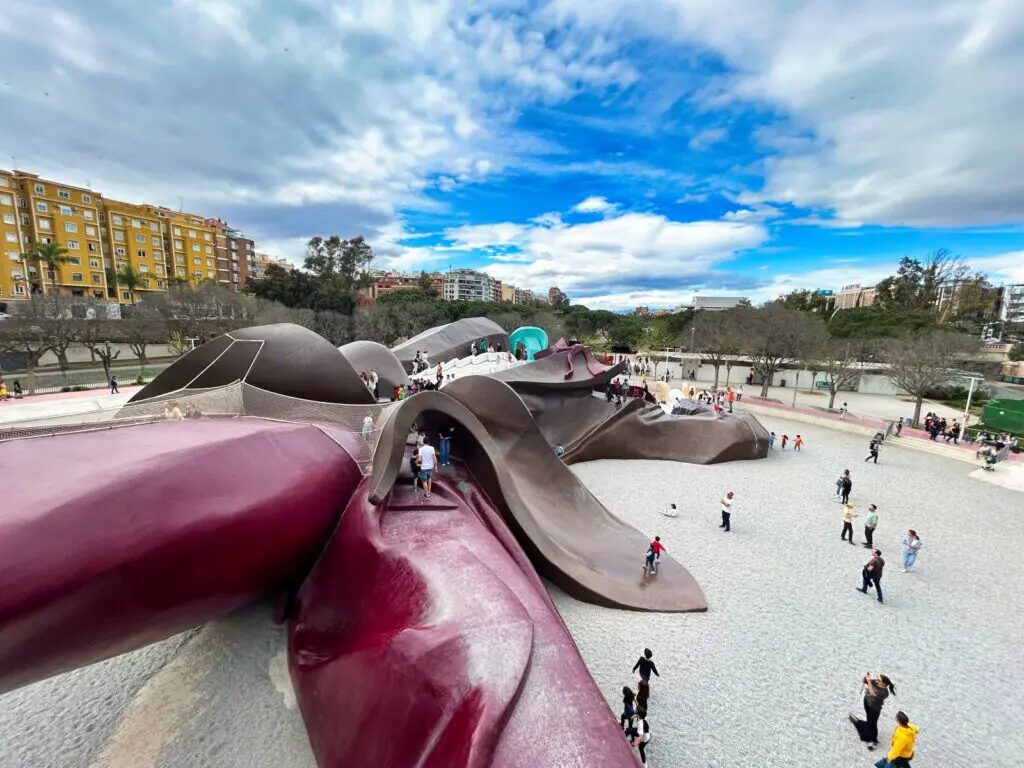
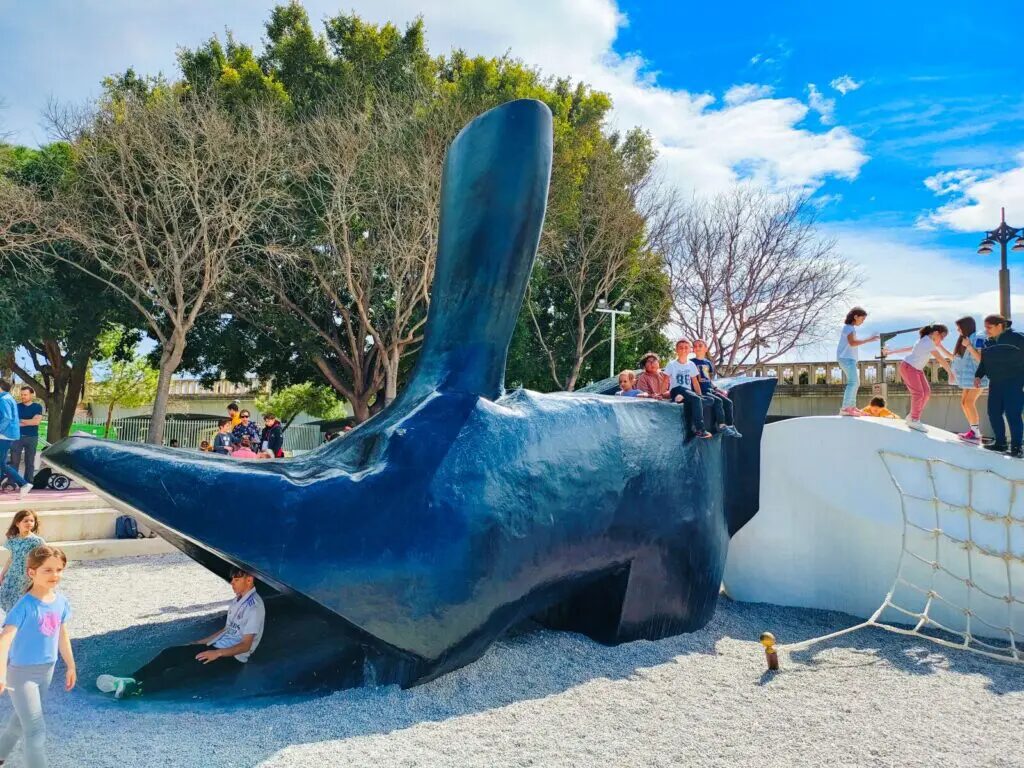
Gulliver Park playground: A visit to Gulliver Park is a must for families with children. Inspired by Swift’s character Gulliver, this place has been transformed into a giant playground where children can climb and slide down the “giant” Gulliver sculpture, learning teamwork while developing imagination. The massive reclining figure of Gulliver serves as an enormous playground structure – it’s one of Valencia’s most unique and fun things to do with kids!
Bike paths and sports areas: For active recreation enthusiasts, the gardens offer excellently prepared bike paths and sports areas. It’s an ideal place for family bike excursions or jogging surrounded by greenery. Bike rentals are available at multiple points along the route.
Additionally worth noting:
Cultural centers and museums: Along the Turia Gardens are numerous cultural institutions, including museums and galleries. Check the events program – free exhibitions or concerts are often organized here that can enrich your visit.
Rest areas: Throughout the gardens’ length are numerous benches, picnic spots, and fountains where you can rest and enjoy nature’s tranquility. Perfect for snack breaks with young children.
Architectural gems: Don’t forget to admire the architecture of bridges crossing the gardens – each has a unique design and history. These range from historic stone bridges to ultra-modern designs.
The Turia Gardens are a space where history meets modernity and nature connects with urban life. Each visit here can be full of discoveries and surprises, providing the ideal backdrop for family adventures in Valencia. The transformation of a former riverbed into this magnificent park is itself an inspiring story to share with children about environmental planning and urban renewal.
Practical information:
- Location: Runs through the city center
- Best for: All ages
- Gulliver Park hours: Check website (usually 10 AM-8 PM)
- Free entry to gardens and Gulliver Park
- Facilities: Multiple playgrounds, bathrooms, cafés throughout
- Tip: Rent bikes to explore the full 9 km stretch
Educational Attractions in Valencia – Ciudad de las Artes y las Ciencias
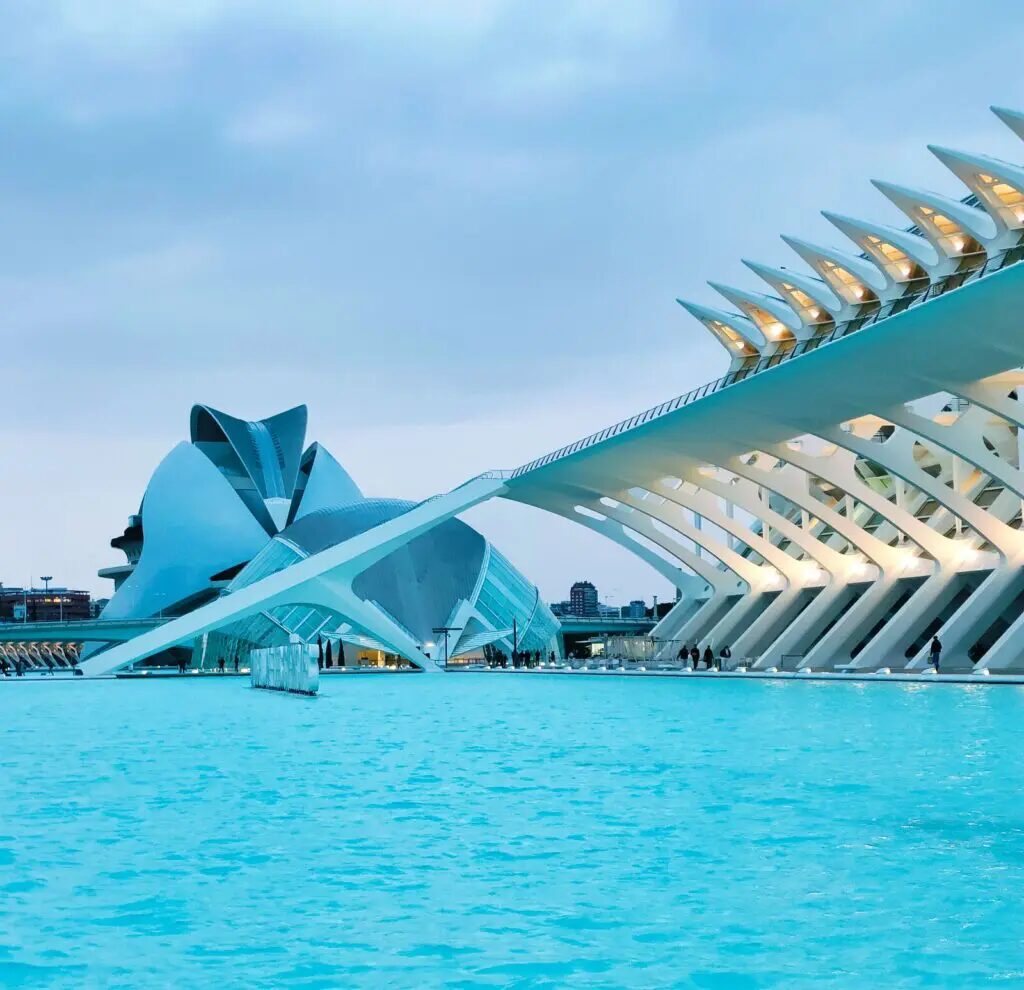
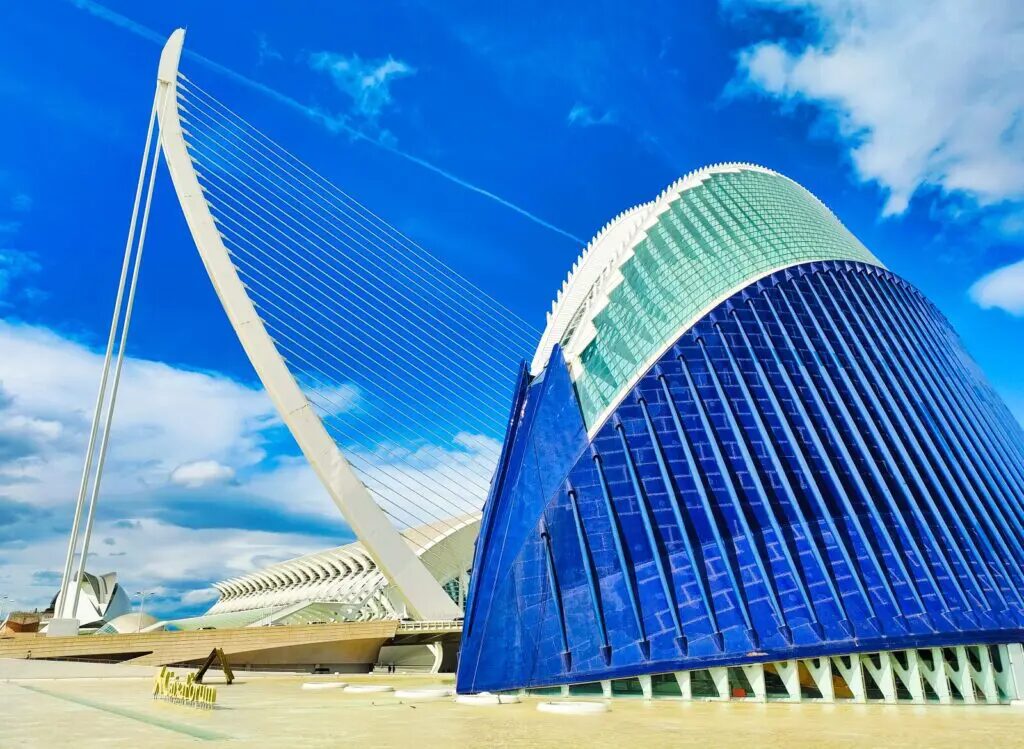
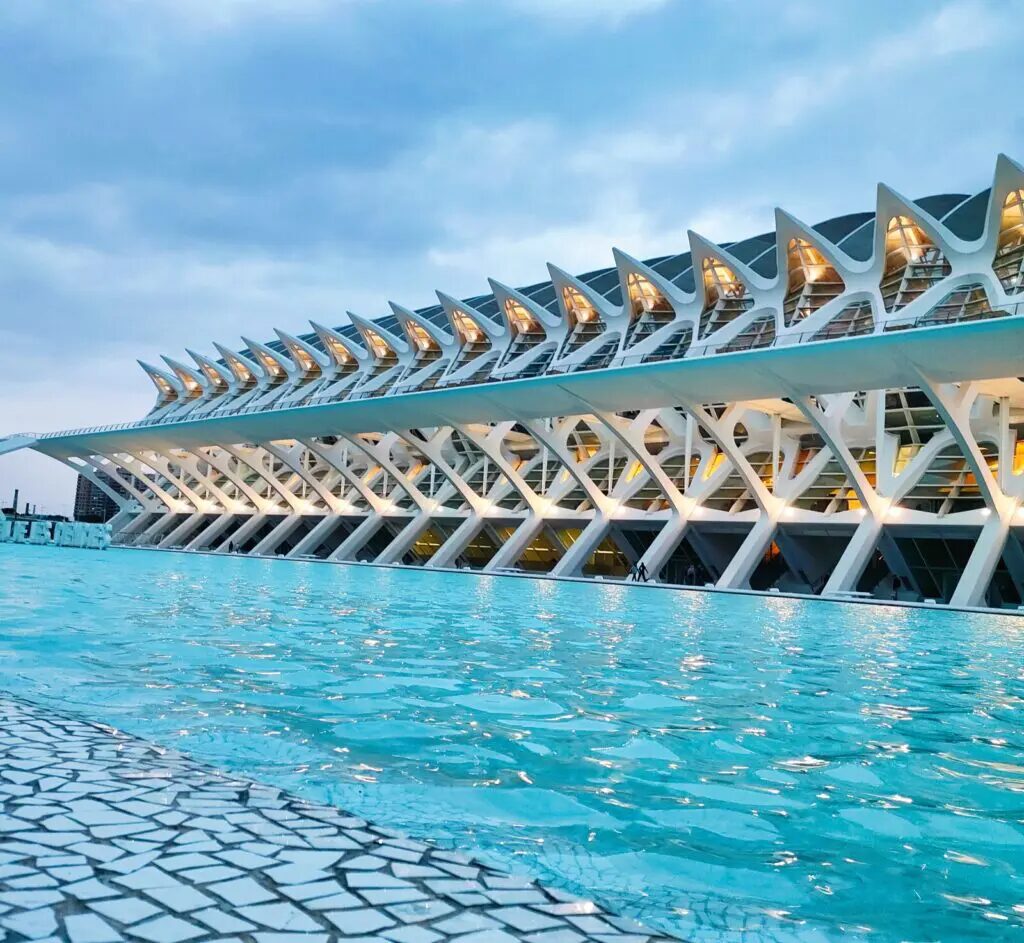
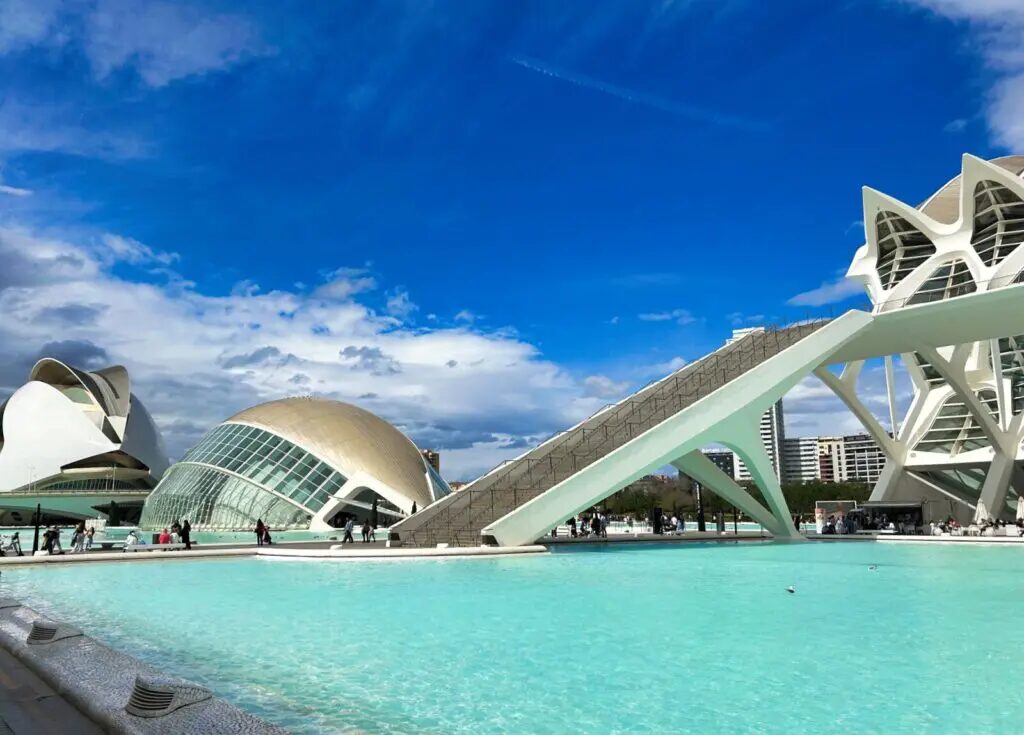
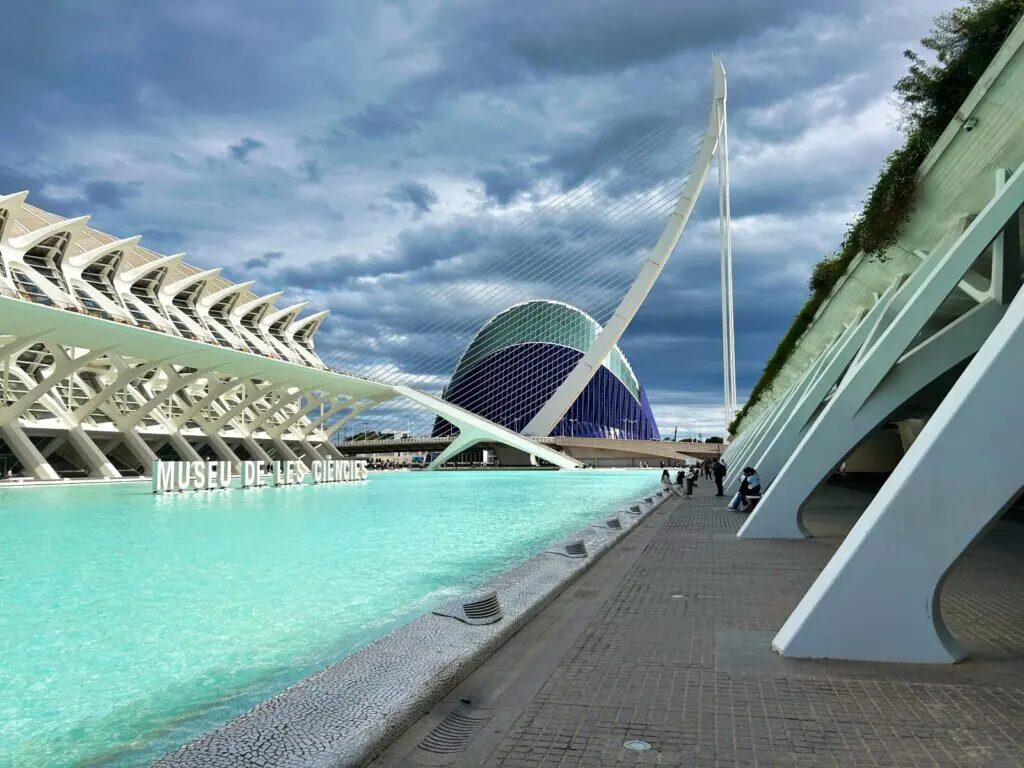
Ciudad de las Artes y las Ciencias (City of Arts and Sciences) in Valencia is a futuristic cultural complex that has become an icon of modern architecture and a center of science and art. It offers countless attractions for visitors of all ages, being an excellent destination for family outings. Here are this complex’s main attractions.
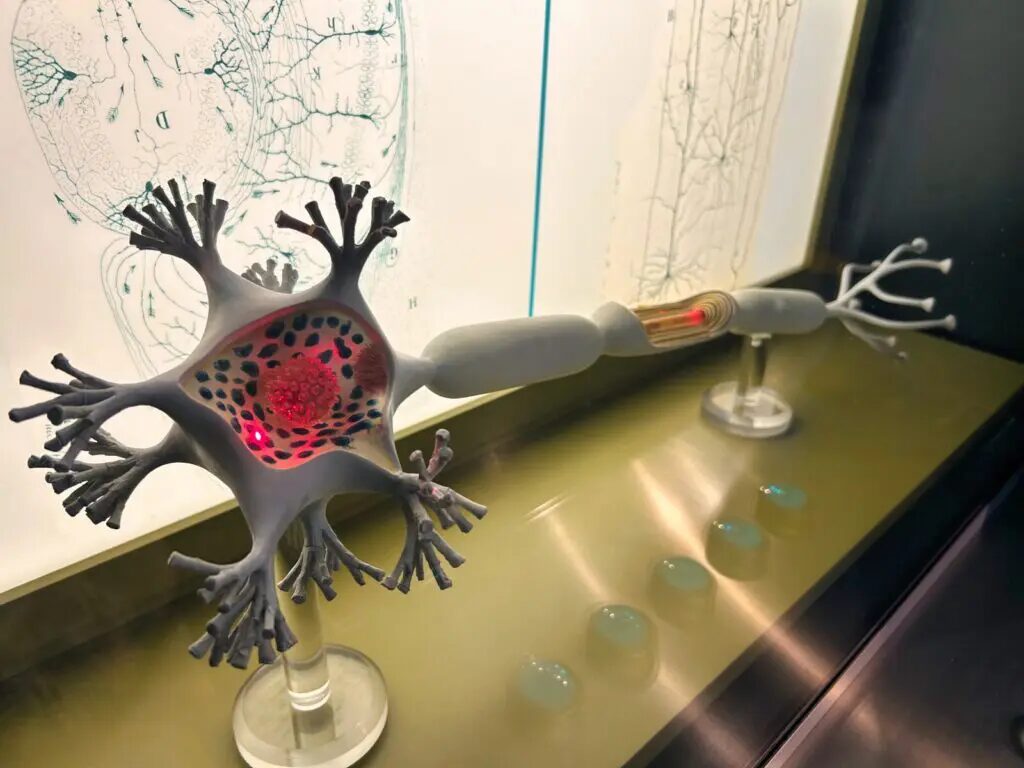
Science Museum in Valencia
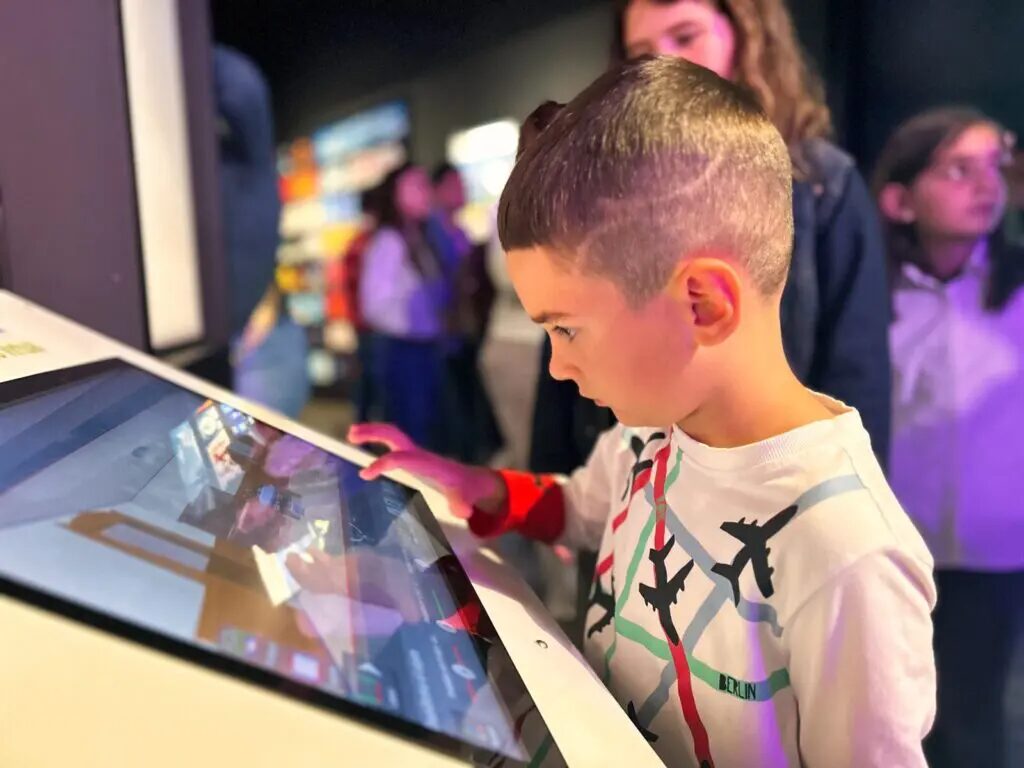
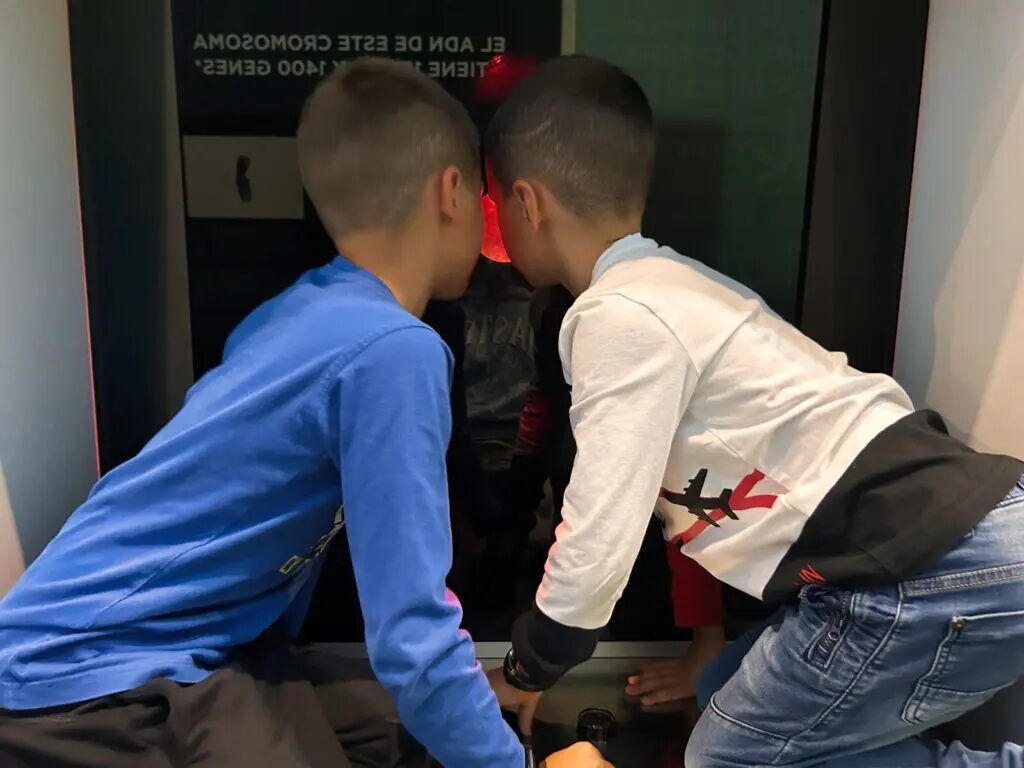
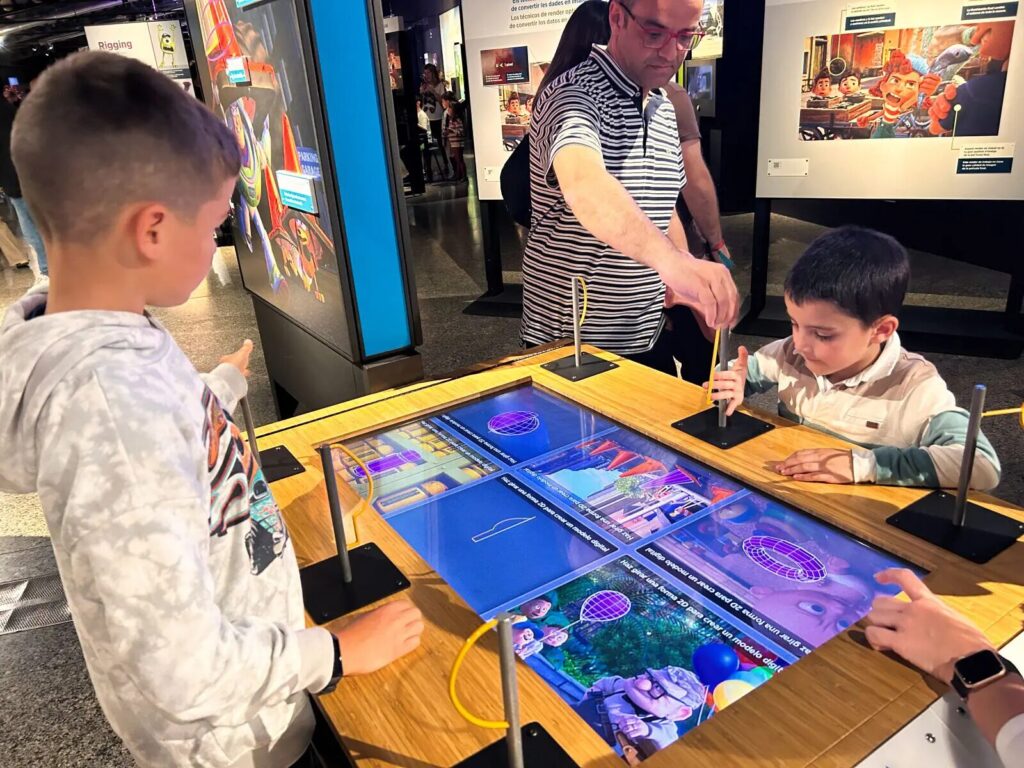
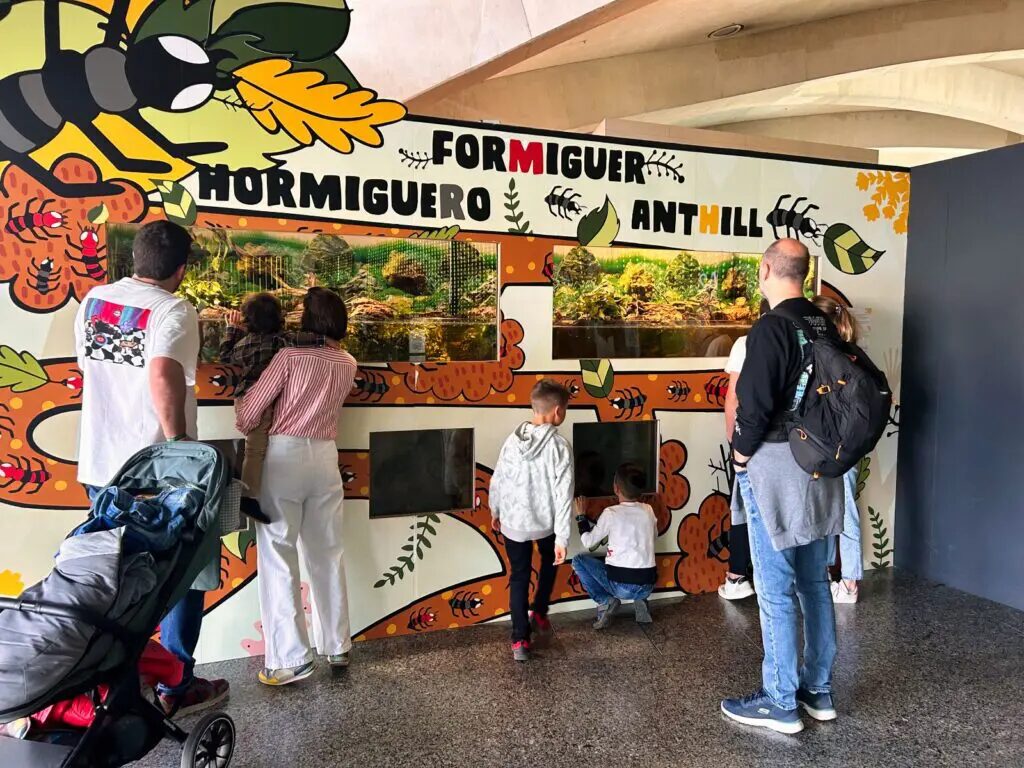
The Science Museum at Ciudad de las Artes y las Ciencias is the kind of place that makes you feel slightly guilty for how little you remember from school physics — your kids, meanwhile, will have no such crisis because they’ll be too busy conducting actual experiments. This interactive museum was designed so visitors, regardless of age, can not only observe but primarily experience science through play. With its rich program of permanent and temporary exhibitions, experiments, and demonstrations, the museum offers a unique opportunity to explore the universe’s mysteries, understand principles of physics, biology, chemistry, or even astronautics in an interactive and engaging way.
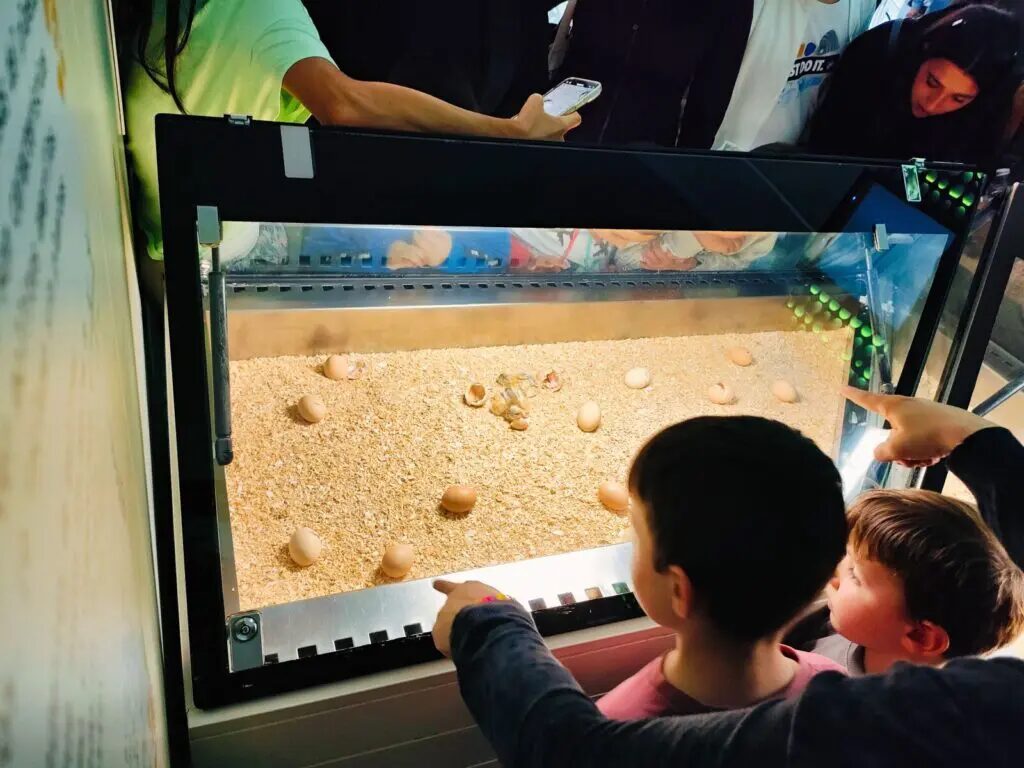
This is a place where children can become young scientists, discovering the world around them, while adults can rediscover their fascination with science. Walking among exhibits, visitors have the chance to understand how science influences our daily lives and our planet’s future. It’s Valencia’s premier hands-on learning experience!
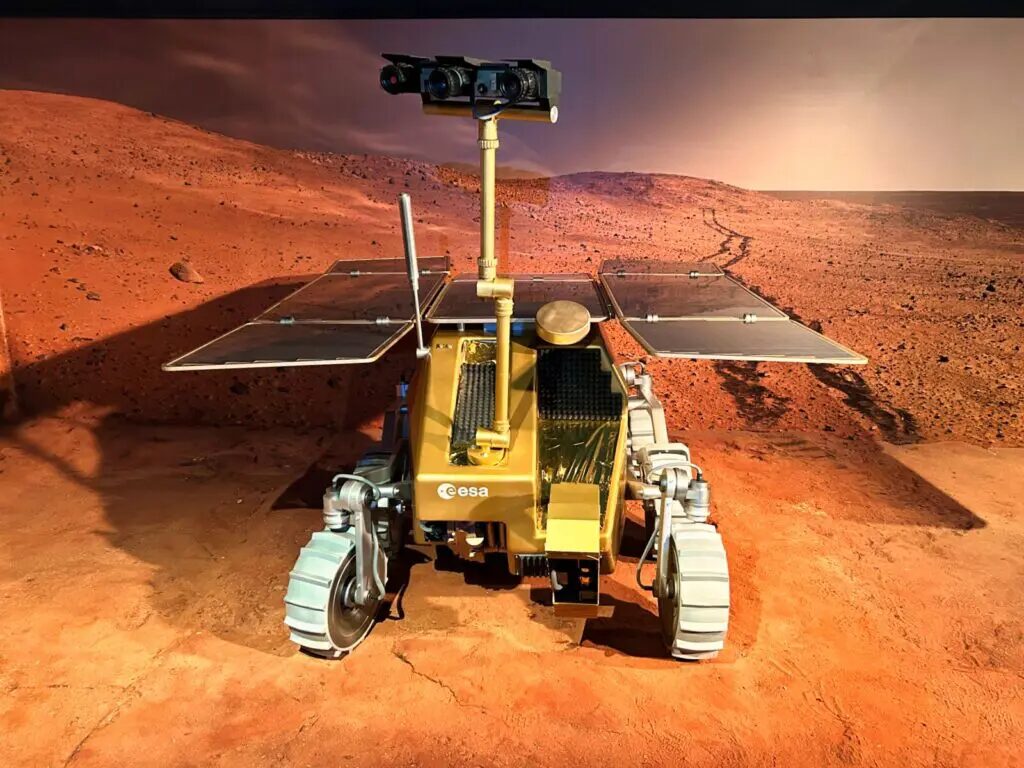
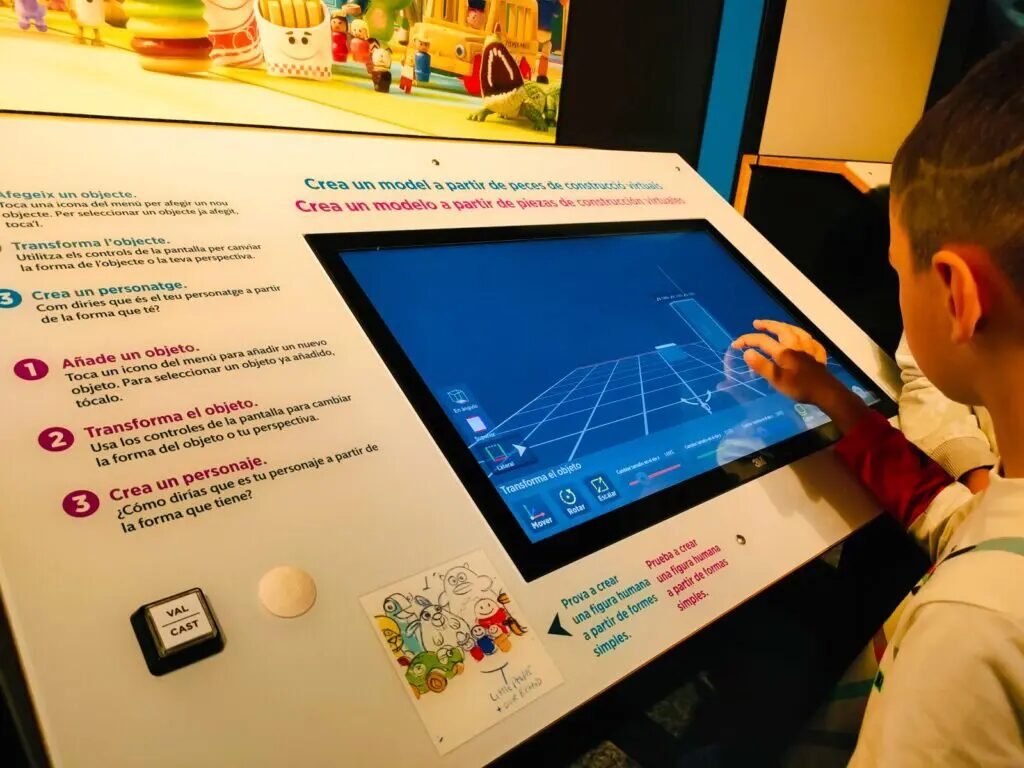
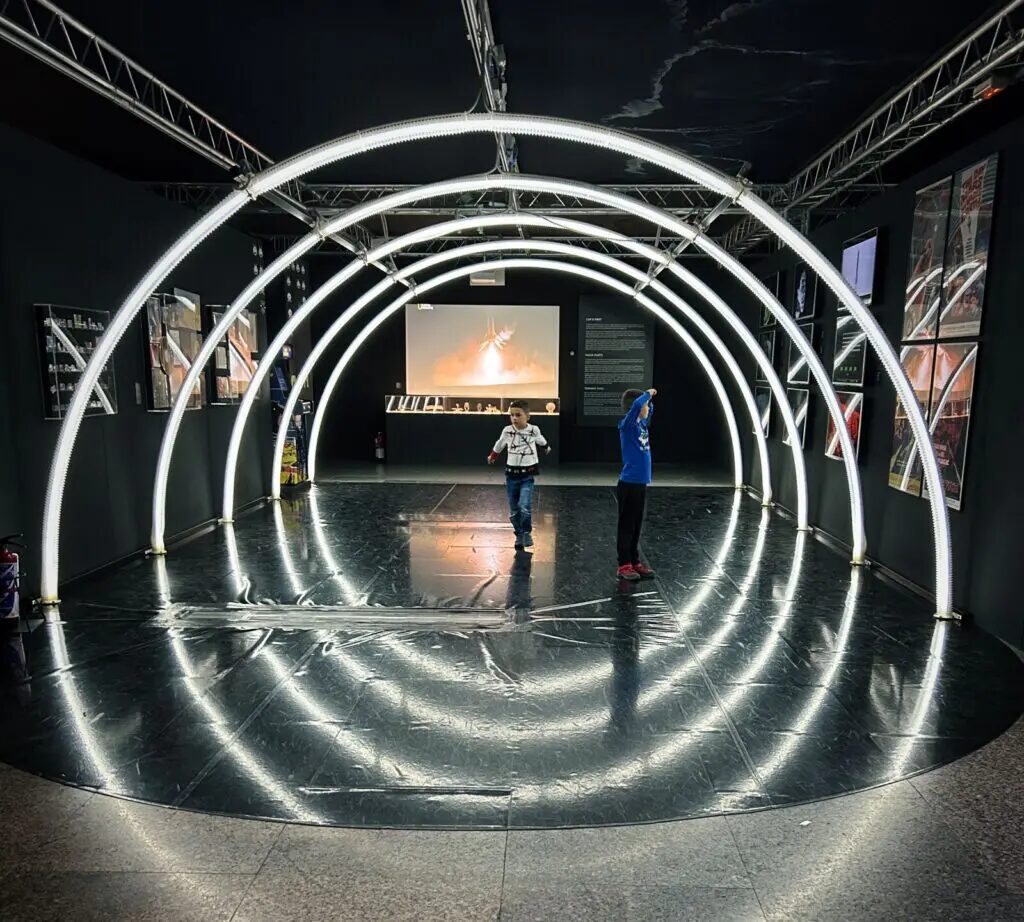
Highlights for families:
- Interactive experiments throughout
- “Space” exhibition with astronaut experiences
- “Marvel Superheroes” exhibition (rotating exhibits change)
- Workshops and science shows (check schedule)
- Suitable for ages 3+
Practical information:
- Duration: 3-4 hours minimum
- Tickets: Combined tickets available with other City of Arts attractions
- Food: On-site café, or picnic in surrounding area
- Best time: Weekday mornings to avoid crowds
Oceanogràfic in Valencia
The Oceanarium in Ciudad de las Artes y las Ciencias, known as L’Oceanogràfic, is Europe’s largest aquarium. With over 500 marine species, from colorful coral reef fish through majestic sharks to friendly dolphins, this is a place that will fascinate every lover of ocean depths.
The complex is divided into different marine ecosystems: Mediterranean, Wetlands, Temperate and Tropical Seas, Oceans, Antarctic, Arctic, Islands, and Red Sea. Each zone is carefully designed to recreate the natural environment, making visitors feel like they’re traveling through different parts of the world’s oceans.
Dolphin shows: Yes – dolphin shows are organized at the oceanarium (note: we didn’t visit the oceanarium during our trip, but it’s one of Valencia’s most popular attractions for families).
Best for:
- Children fascinated by marine life
- Educational experience about ocean conservation
- Combined ticket often best value with Science Museum
Practical information:
- Duration: Full day attraction (4-5 hours)
- Shows: Check dolphin show schedule upon arrival
- Facilities: Multiple restaurants, gift shops
- Tip: Arrive early for shorter lines
Umbracle in Valencia – The Palm Garden
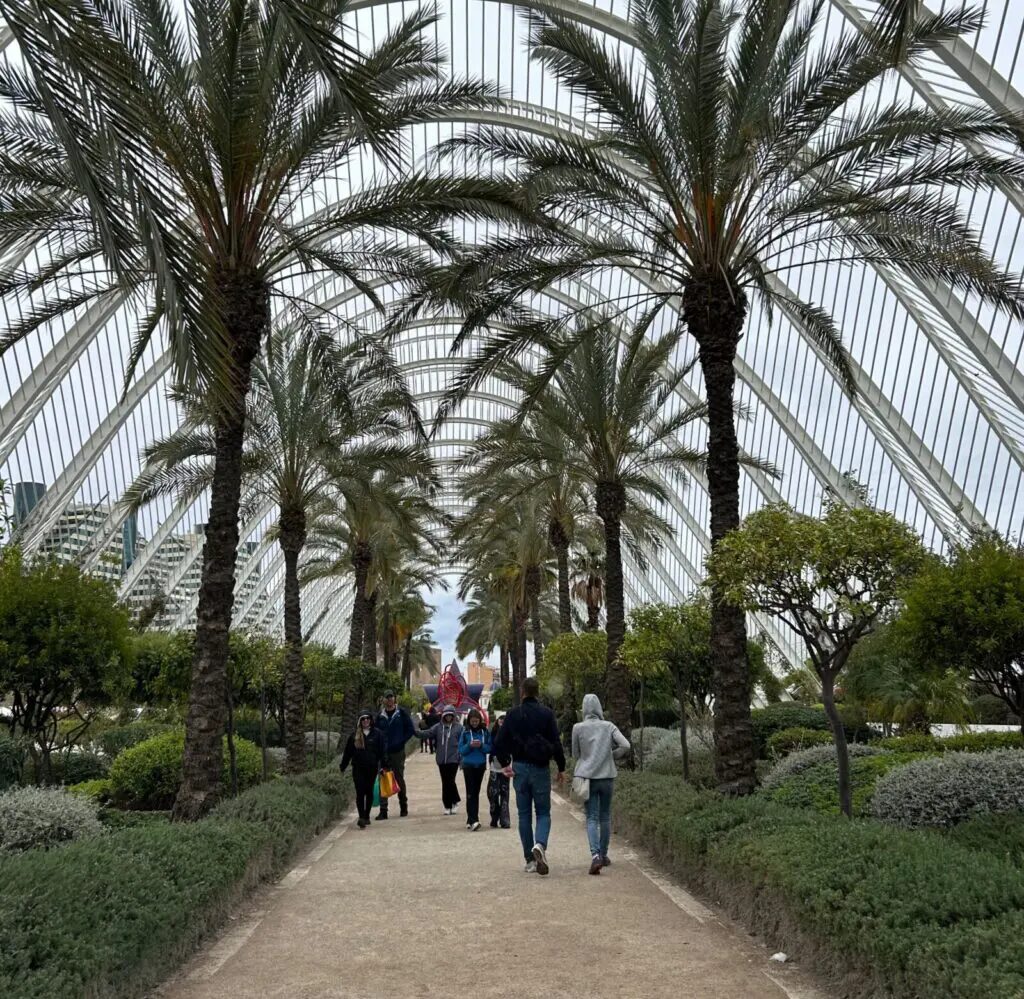
Umbracle is a spacious garden full of native Mediterranean plants and contemporary artists’ sculptures. It’s a place where nature connects with art, offering ideal conditions for relaxation and contemplation. This open-air space with its distinctive arched structure provides shade while allowing you to enjoy Valencia’s beautiful weather.
Features:
- Free entry for strolling
- Sculpture walk with modern art
- Native plant species from Mediterranean region
- Beautiful photo opportunities
- Perfect for breaks between museums
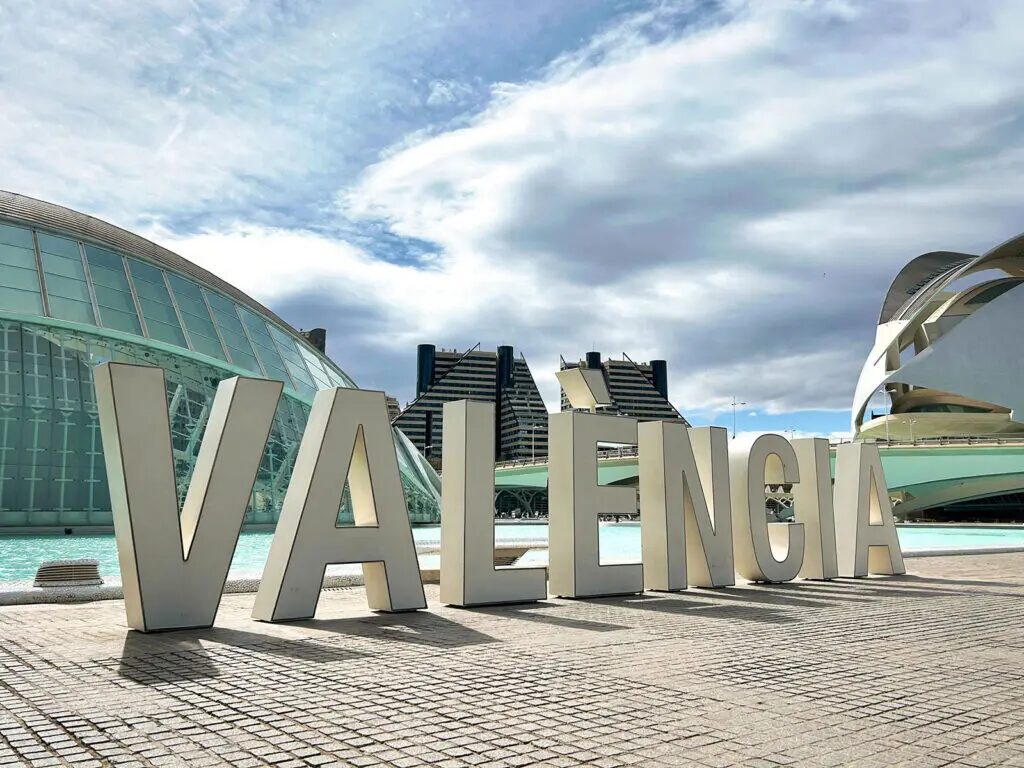
Hemisfèric in Valencia – The Planetarium
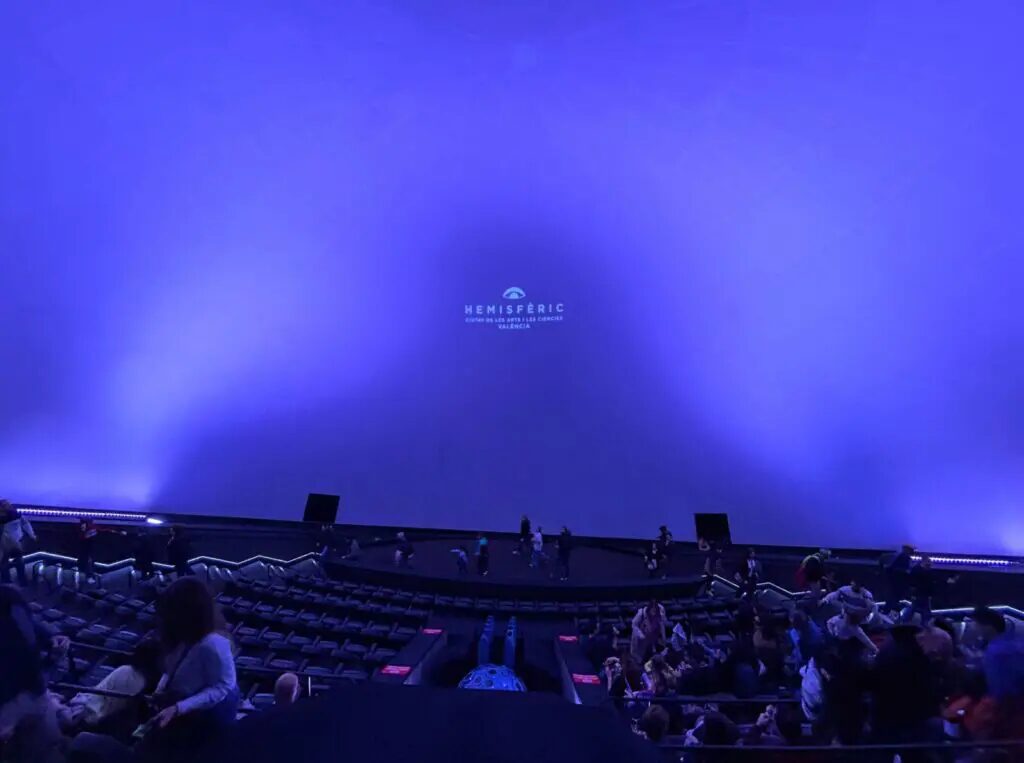
The Hemisfèric planetarium is shaped like an enormous eye — fitting, because the shows inside reliably produce the widest eyes we’ve seen on our children outside of a dessert menu. It’s a cosmic journey through galaxies that can’t be missed. The building itself, designed to resemble a giant eye, is an architectural marvel. We visited several times during our week-long stay. Highly recommended!
Tips and valuable information:
Schedule: Before visiting, check the current show schedule. You’ll find both educational films for children and fascinating astronomical projections. Many shows are available in multiple languages including English.
Ticket reservation: Due to high popularity, advance ticket reservation is recommended to secure seats for your chosen screening. The theater fills up quickly, especially during peak season.
Show types:
- Astronomy documentaries
- Nature and wildlife films
- Educational content for children
- IMAX experiences
Practical information:
- Duration: Shows typically 45-50 minutes
- Best for: Ages 5+ (younger children may find dark theater challenging)
- Languages: Check for English-language screenings
- Tip: Arrive 15 minutes early for good seats
- https://cac.es/en/hemisferic/
Palau de les Arts Reina Sofia – Valencia Opera House
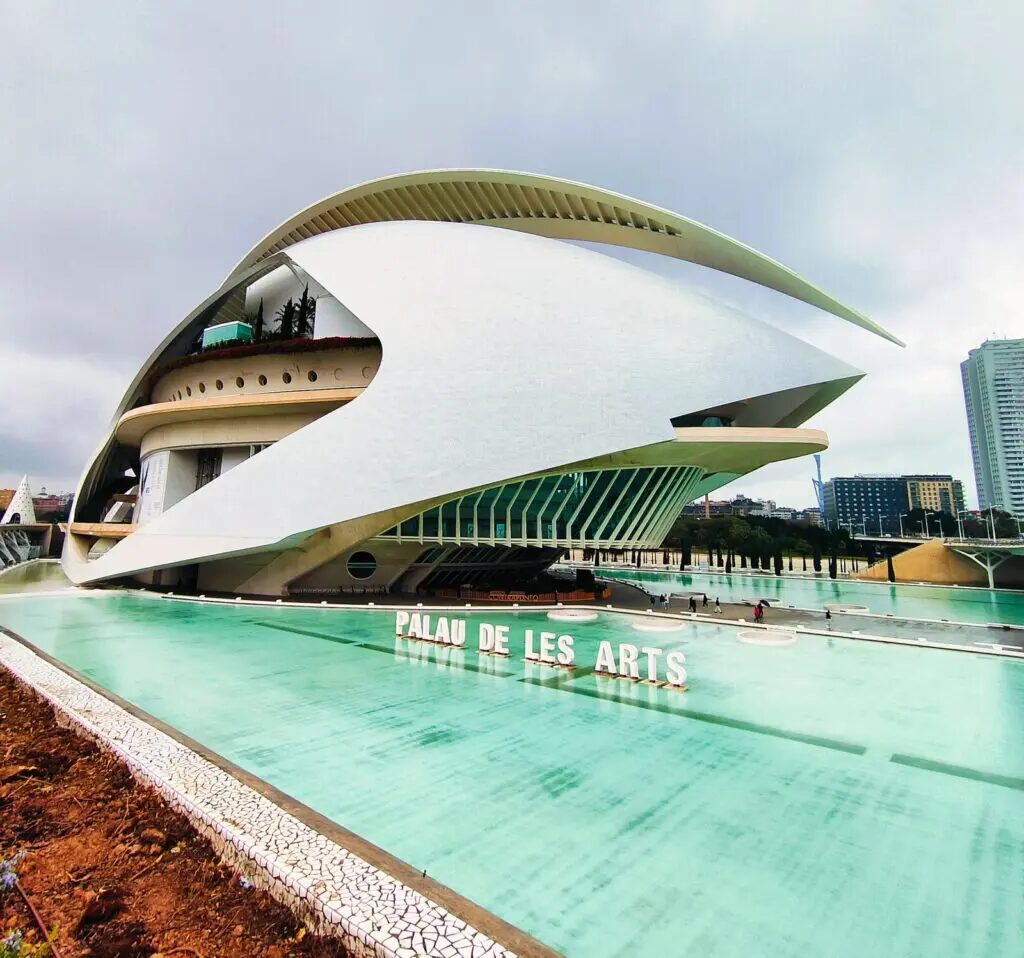
This is a modern opera complex that will certainly interest high culture enthusiasts. The rich repertoire of opera and ballet performances offers unforgettable artistic experiences. The building itself, designed by Santiago Calatrava, is an architectural masterpiece.
Tips and valuable information:
Visiting with children: When choosing a performance for the family, check which shows are recommended for children. Special performances are often organized to introduce the youngest to the world of opera and ballet – family-friendly matinees and shorter adaptations.
Behind-the-scenes tours: Some visits include the opportunity to tour the theater’s backstage, which can be a fascinating adventure allowing you to see what happens behind the curtain. These tours offer insights into stagecraft, costumes, and the massive technical operations that make performances possible.
Best for:
- Families with older children (10+)
- Culturally curious visitors
- Architecture enthusiasts
Ciudad de las Artes y las Ciencias is a place where science meets art and education intertwines with entertainment. Each of these attractions offers unique experiences that will certainly enrich your Valencia visit and remain in memory for a long time. The complex represents Valencia’s vision of the future while celebrating human creativity and scientific achievement.
Honest take: with children under 10, skip the main opera programme and look specifically for the family matinees — they’re shorter, subtitled, and the seats in the upper tiers are actually more fun for kids who want to crane over the edge and watch the orchestra.
Valencia Tourist Card
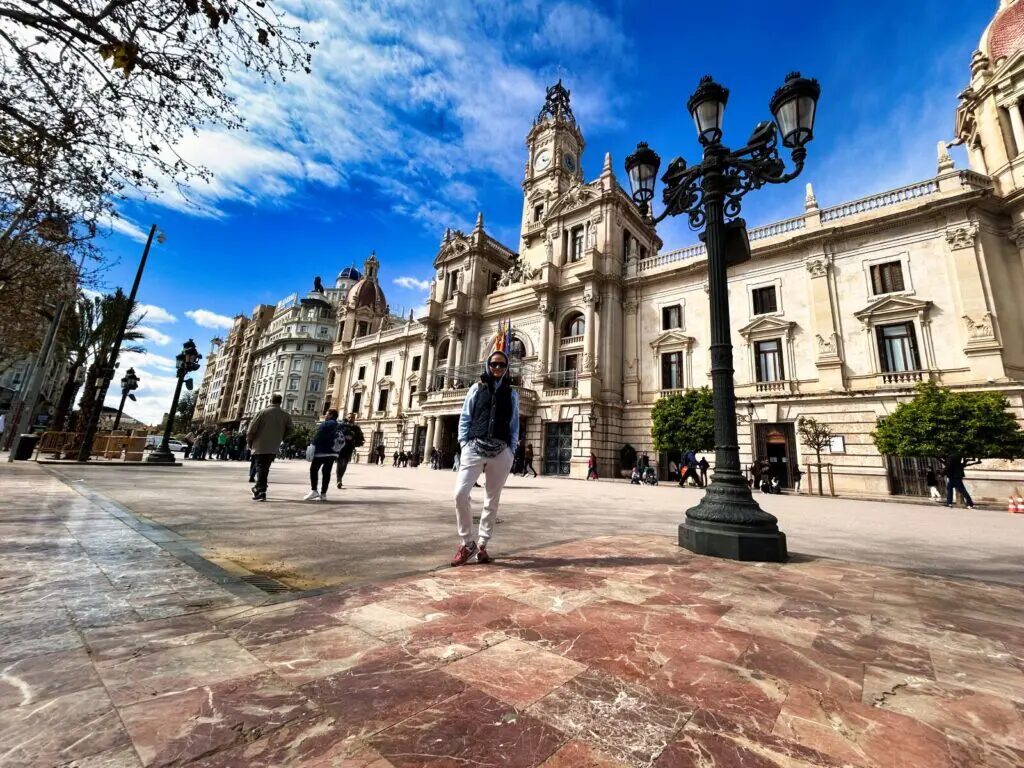
Valencia Tourist Card is a practical way to explore the city, offering unlimited access to public transportation and discounts to many attractions. Cards are available in 24, 48, or 72-hour versions and provide free entry to some museums and significant discounts to other tourist points. It’s an ideal solution for those who want to maximize their time in Valencia while saving money.
What’s included:
- Unlimited public transport (metro, bus, tram)
- Free or discounted entry to museums
- Discounts at restaurants and shops
- Airport transfer included
- Bike rental discounts
Is it worth it? If you plan to visit multiple attractions and use public transport extensively, the card typically pays for itself. Calculate based on your planned activities – families planning to visit the City of Arts and Sciences complex particularly benefit.
Discovering Valencia has never been easier thanks to the rich cultural, entertainment, and educational offerings. Whether you’re a history lover, nature enthusiast, or art appreciant, Valencia has something for you and offers countless things to do in Valencia with kids.
Practical Summary: Making the Most of Valencia with Kids
Planning a family vacation in Valencia? Use these tips to ensure your stay is full of joy and free of surprises:
Kid-friendly sightseeing:
- Visit Ciudad de las Artes y las Ciencias, especially the Planetarium and interactive Science Museum
- Reserve time for a visit to Parque Natural de la Albufera – ideal for nature lovers
- Spend a lazy afternoon at Playa de la Malvarrosa beach, where children can play in the sand
- Don’t miss Bioparc – it’s truly one of the best things to do in Valencia with kids
Culture and history:
- Organize a walk through the Old Town to feel the local atmosphere and see historic buildings
- When planning shopping, definitely visit Mercado Central to taste local products and buy some souvenirs
- Valencia Cathedral and the Miguelete Tower offer both history and spectacular views
Budget-friendly sightseeing:
- Consider purchasing a Valencia Tourist Card for free public transport rides and attraction discounts
- Many museums offer free entry on Sundays
- Turia Gardens and many parks are completely free
Culinary experiences:
- Try traditional paella in one of the family restaurants, for example in the El Cabanyal district
- For a snack, horchata and fartons – typical regional treats – are ideal
- Many restaurants offer children’s menus (menú infantil)
Practical tips:
- Buying tickets online for popular attractions helps you avoid long queues
- Be prepared for siesta – many places close for a few hours during the day (typically 2-5 PM)
- Remember that Spaniards eat late: lunch between 2:00 and 3:30 PM, and dinner around 9:00 PM
- Most restaurants welcome children and families warmly
- Public restrooms can be scarce – use facilities at museums and restaurants
Getting around:
- Valencia’s metro system is efficient and stroller-friendly
- Bikes are a great way to explore Turia Gardens
- Taxis are affordable and accept child seats if requested in advance
- The city is generally walkable for families with young children
Following these tips, your family trip to Valencia will become an unforgettable adventure full of discovery, learning, and relaxation. Valencia truly excels at offering family-friendly activities that combine education with entertainment – making it one of Spain’s top destinations for families seeking authentic cultural experiences alongside beach fun and outdoor adventures.