
A hidden crisis in a biodiversity hotspot
Tenerife is waging a silent battle to protect its most fragile biodiversity. The island, one of the Canary Islands’ greatest natural treasures, is closely monitoring fifteen species of flora and fauna that face imminent extinction. This critical situation unfolds against a backdrop of advancing invasive species, feral domestic animals, and mounting pressure on highly sensitive ecosystems.
Conserving this natural heritage is no minor matter for an island that holds a vital share of the Canary Islands’ endemic species. Tenerife is home to thousands of ecologically significant species and a remarkable number of unique life forms, many found nowhere else on Earth. This singular status means that any disruption to the environment becomes an immediate and serious threat. When a species disappears here, it is not lost merely from Tenerife; it is lost forever.
Emblematic species under threat
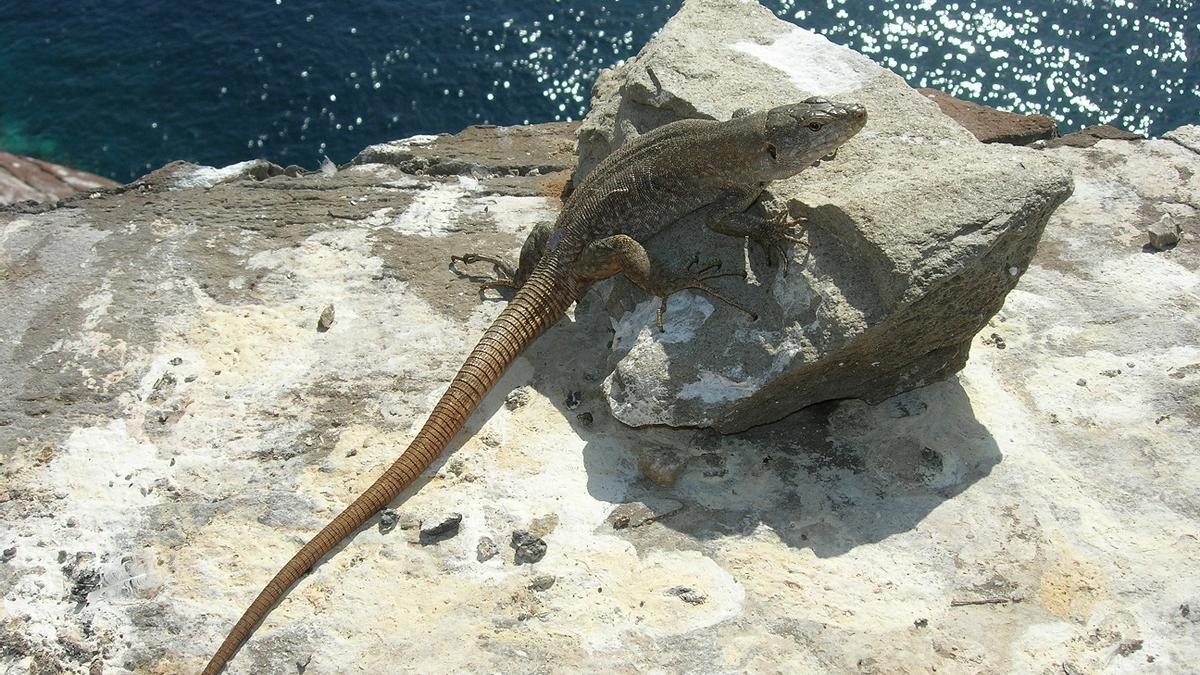
Among the island’s most iconic fauna and flora are the Tenerife giant lizard, the blue chaffinch, the Bolle’s pigeon and the laurel pigeon, alongside botanically valuable plants such as Helianthemum teneriffae (jarilla de Agache), Lotus maculatus (pico de paloma), Echium virescens (pico de El Sauzal), Stemmacantha cynaroides (cardo de plata) and Pterocephalus lasiospermus (jarilla de cumbre). Many survive only in very specific locations, with small populations that are extremely vulnerable to even the slightest change in their surroundings.
Feral pets and invasive species wreak havoc
In this delicate balance, one of the greatest threats comes from the most irresponsible human behaviour. Abandoning domestic animals in the countryside, ravines or coastal areas is not only an act of cruelty; it is also a serious environmental problem. Feral cats and dogs become direct predators of native birds, reptiles and small mammals. On an island with closed habitats and species that have evolved in isolation for millions of years, the impact can be devastating.
Blanca Pérez, the island’s Councillor for Natural Environment, Sustainability, Safety and Emergencies, said: “There is an ongoing struggle to preserve Tenerife’s native and endemic biodiversity because of the introduction of abandoned animals and invasive exotic species into the environment, which disrupt the balance in natural areas. At the Cabildo we take this very seriously, which is why we are allocating €3 million to eradicating exotic fauna and vegetation that has been introduced into the island and its natural spaces without any control.”
“On the other hand,” she stressed, “we are focusing on recovering threatened species, protecting essential habitats, and producing native flora to combat invasive species and minimise the damage they can cause.”
Feral cats (cimarrones), stray cats, and even domestic cats that have free access outdoors – even if properly fed – cause severe damage to wildlife. When such animals settle in a protected natural area, they add intense pressure on ground-nesting birds, endemic reptiles and small species that lack any defence mechanisms against these introduced predators. The same goes for abandoned dogs, which end up forming roaming packs and disrupting areas of high ecological value. The threat is not abstract: it translates into direct predation, displacement of native fauna, disease transmission and irreversible changes in reserve areas.
Exotic species and ornamental plants add to the pressure
Alongside this phenomenon, Tenerife also faces the growing problem of exotic species released or introduced by private individuals. Florida red-eared slider turtles, invasive birds, ornamental fish and mammals abandoned in the wild compete with native species for food and shelter, alter ecological chains, and multiply the cost of environmental management. Environment officers and field technicians warn that in fragile island territories like Tenerife, a single released specimen can trigger a chain of damage that is difficult to reverse.
The threat is not limited to animals. Planting exotic species out of fashion, ignorance or simple carelessness can also trigger serious imbalances. The spread of certain invasive plants ends up displacing local vegetation, altering riverbanks, slopes and forest areas that once served as refuges for birds, insects and small vertebrates. Where there was once biodiversity, an impoverished and uniform landscape begins to take over.
€3 million action plan and the role of the public
Faced with this reality, the Cabildo of Tenerife is maintaining several lines of action to try to halt biodiversity loss. The Councillor’s department is investing around €3 million this year, prioritising the recovery of threatened species, habitat protection, invasive species control, and the production of native flora in the island’s own forest nurseries. The strategy also involves strengthening public outreach and environmental education, with initiatives aimed at showing residents the value of the island’s natural heritage and the need to get involved in its defence.
Experts insist that conservation cannot rely solely on the authorities. Defending biodiversity also begins with everyday actions. Not abandoning animals, not releasing exotic species, and not introducing invasive plants are basic steps to avoid damage that, in many cases, takes decades to reverse. On an island where every ecosystem has a delicate balance and every species plays an irreplaceable role, individual irresponsibility can have very profound collective consequences.
The law, moreover, is clear. Abandoning animals and releasing invasive exotic species can result in significant financial penalties and other administrative measures to protect native fauna and flora. Yet beyond the fine, the true cost lies in the deterioration of an irreplaceable natural heritage.
Tenerife is not just protecting threatened plants and animals. It is defending an essential part of its natural identity. The fight to save those fifteen species on the brink of extinction sums up, at its heart, a much greater challenge: conserving a unique island against threats that almost always share the same origin – the hand of man.
What’s happening in the Canaries – straight to your phone
News, weather alerts and practical updates – direct from the islands, in English. We live here and know what’s going on – before the international media catch up. Everything lands on our WhatsApp channel – no middlemen, no algorithm. Curated for families, expats and travelers.

Canary Islands sea hits second-hottest year on record

Legal bid to halt tree felling in Santa Cruz’s La Salud

Fiesta del Charco: A journey through La Aldea’s past

Corralejo dunes power line set for removal

ULPGC launches 14 research projects at Las Canteras

TMT will never be built, says Canary Islands astrophysics chief

Pedro Duque: Canarias is the “ultimate dream” for rockets

Court blow to Tenerife motor circuit project
La Palma faces new volcanic risk planning deadline
