
The New Mandatory Safety Tech for Your Next Car
Cars are becoming increasingly sophisticated, integrating more technology and systems designed to assist the driver, enhance safety, and reduce accidents on our roads. Advanced Driver Assistance Systems (ADAS) are now fundamental in new vehicles. These systems are part of European Safety Regulation 2019/2144, approved in 2019, which aims to cut accident rates through technology that helps drivers detect risks and react before a collision occurs.
What Are ADAS and How Do They Work?
From 2026, all newly registered vehicles must incorporate these systems, with increasingly stringent testing to ensure they function effectively in real-world driving situations. ADAS is a collection of systems designed to assist the driver by alerting them to dangers, providing warnings, or intervening when they detect inattention at the wheel or a hazardous scenario. The goal is to prevent traffic accidents with this assistance or to mitigate the serious consequences of a crash.
To achieve this, ADAS combines three essential elements for road safety:
- Sensors: These are the cameras, radars, or ultrasonic devices responsible for analysing the vehicle’s surroundings.
- Software: An electronic system that interprets signals from the sensors and decides whether to alert the driver.
- Actuators: Mechanisms that can brake, correct steering, or issue warnings to the driver when certain situations are detected during a journey.
In practice, the system detects specific hazards while driving and warns the driver to react as quickly as possible. However, it is crucial to remember these systems are driving aids, not substitutes for an attentive driver.
Europe’s Drive Towards ‘Vision Zero’
“In Europe, the major leap in implementing these devices came in 2019, when the European Union approved the regulation mandating the gradual incorporation of these systems in all vehicles: from July 2022 for newly homologated models and from July 2024 for new registrations. The goal was none other than to advance towards ‘Vision Zero’ with the opportunities offered by technology. According to their own estimates, this decision could save up to 25,000 lives and prevent 140,000 serious injuries across the EU by 2038. That is, these assistants can prevent approximately 40% of traffic accidents, 37% of all significant injuries, and 29% of all road accident-related deaths,” reports the Spanish Directorate-General for Traffic (DGT).
Furthermore, it explains that from July 2026, all new vehicles registered in the EU will be required to incorporate an Advanced Driver Distraction Warning System.
The Mandatory Systems for Summer 2026
The RACE (Royal Automobile Club of Spain) has detailed the mandatory systems that vehicles registered from this summer must include:
- Intelligent Speed Assistance (ISA): Detects the speed limit on the road and warns the driver if it is exceeded.
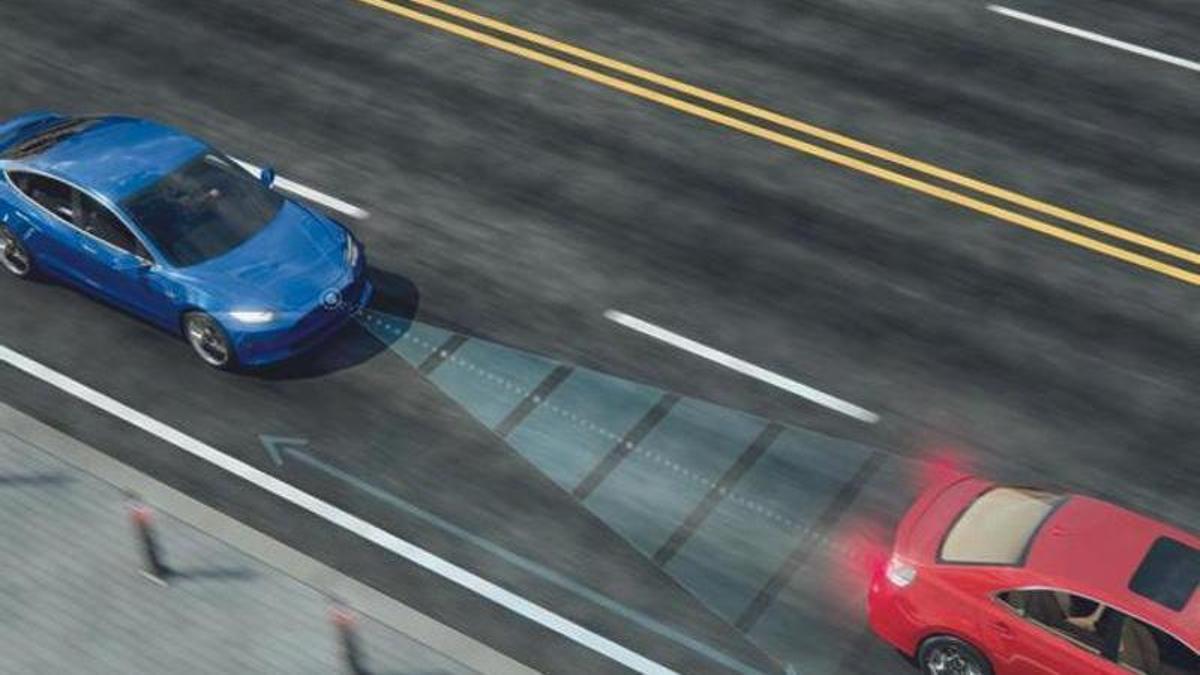
- Automatic Emergency Braking (AEB): Activates when it detects an imminent collision and the driver does not react in time.
- Lane Departure Warning: Warns or corrects the driver if the vehicle is leaving its lane without the indicator being activated.
- Driver Drowsiness and Attention Detection: Analyses the driver’s behaviour during the journey and recommends breaks on long trips.
- Advanced Driver Distraction Warning: Monitors the driver’s level of attention at the wheel and warns if it detects excessive distraction.
- Emergency Stop Signal: Activates a flashing hazard light during sudden, severe braking to warn following drivers.
- Rear Cross-Traffic Detection: Assists the driver when reversing by alerting them to pedestrians, cyclists, or other cars.
- Event Data Recorder (EDR): Known as the ‘car’s black box’, it records key information before and during an accident.
- Alcohol Interlock Pre-installation: Prevents the car from starting if the driver is over the legal alcohol limit.

Easter Travel Chaos Looms as Airport Staff Strike

Storm Therese Wreaks Havoc on Canary Islands Air Travel

Canary Islands Denied Joint Airport Management by Spanish Ministry

Canary Islands Push for Airport Control in Key April Meeting

New Stairway Installed for La Laguna’s Key Footbridge

Tenerife to Pioneer Spain’s First Public Double-Decker Buses

Canaries to Shield Mobile Networks from Blackouts in 2026

Eurofighters to Arrive at Gran Canaria’s Gando Air Base

Canary Airports Set New Winter Passenger Record
