Compiled with the help of artificial intelligence, based on Spanish-language information. Source below the article.
Major traffic law overhaul arrives in the Canary Islands
A series of changes to Spain’s General Traffic Regulations will come into force next Thursday, 1 October, affecting in particular users of e-scooters, motorcycles and bicycles, as well as drivers who overtake these vehicles. The reform introduces new safety obligations in the Canary Islands and amends certain rules on movement and overtaking, with the aim of strengthening protection for the so-called vulnerable road users.
The change represents one of the biggest shake-ups of national traffic law in the last two decades and places the focus firmly on the safety of pedestrians, cyclists, motorcyclists and users of personal mobility vehicles (PMVs). Among the groups singled out for special protection are minors, older people, people with disabilities and those with reduced mobility.
Under-15s banned from e-scooters
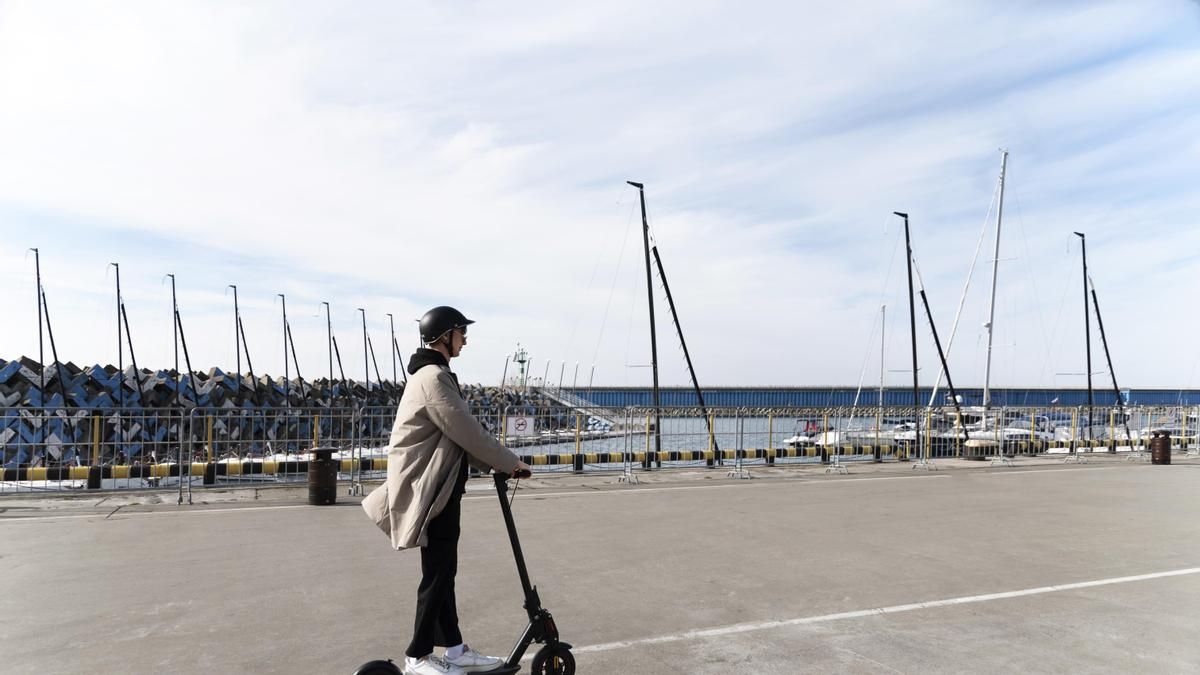
Perhaps the most striking measure, and one that has become something of a public demand, is the regulation of e-scooter use. Under-15s will not be allowed to ride this type of personal mobility vehicle. In the event of non-compliance, their parents or guardians could face a fine of 100 euros, in line with article 82.b of the Traffic Law.
E-scooter users over the age of 15 will have to wear an approved helmet. In addition, both PMVs and bicycles will be banned from pavements, a measure designed to reduce risks for pedestrians.
Reflective kit and daytime lights
The new rules also set out specific obligations for situations of reduced visibility. In these cases, users must use a reflective element to improve their visibility to other vehicles. These measures will be joined, one year after the reform takes effect, by the obligation to ride with lights on throughout the day.
The new rules take on particular significance in the Canary Islands given the growing presence of e-scooters on streets across the archipelago. According to estimates from the Directorate-General for Traffic (DGT), around 1,372 rental e-scooters and some 180,000 privately owned e-scooters are in circulation across the islands. Against this backdrop, the reform aims to establish stricter rules for PMVs and to improve coexistence between these vehicles, pedestrians and other road users.
New rules for cyclists and overtaking
Cyclists are another group that will have to adapt to significant changes. The new regulations make helmets compulsory on interurban roads, without the exemptions that the rules previously allowed. But one of the most important changes concerns how other drivers must overtake a bicycle. On the road, anyone intending to pass a cyclist will have to reduce their speed by at least 20 km/h below the limit set for the road and keep a minimum lateral distance of 1.5 metres. In addition, where the road has two lanes in the same direction, the overtaking vehicle must change lane completely. The rule is intended to stop cars encroaching on the cyclist’s space during the manoeuvre. The same conditions will also apply when overtaking certain broken-down or stationary vehicles.
On urban streets, the relationship between bicycles and motor vehicles is also changing. The safety distance within the same lane is extended to five metres, while bicycles should preferably ride in the centre of the lane rather than hugging the right-hand edge. The reform also provides for an exception: on urban roads with a single lane and a maximum speed below 30 km/h, bicycles may travel in the opposite direction where the relevant regulation allows it.
Safer routes around schools
The changes also seek to reshape mobility around schools. Councils will be able to establish safe school routes or paths in the vicinity of schools, with restrictions on the movement of cars and other vehicles signposted accordingly. These measures may be extended to other areas with a particularly high presence of vulnerable pedestrians.
The regulations include in this category those who, because of their physical characteristics or the means of transport they use, are at greater risk of injury in a traffic accident, or of more serious injury. The aim is to create urban environments in which journeys on foot, especially those made by minors, can be carried out under safer conditions.
Changes at traffic lights and for delivery riders
Pedestrian protection is also strengthened at traffic-light-controlled junctions. As a general rule, the new regulations will prevent the flashing amber light for vehicles from coinciding with the green light for pedestrians. The change is intended to reduce conflict at pedestrian crossings and to stop drivers interpreting amber as permission to continue when pedestrians have priority.
Another novelty coming into force on 1 October directly affects certain road professionals. The reform removes the exemptions that allowed taxi drivers, delivery riders and driving instructors to travel without wearing a seatbelt in certain circumstances. Delivery riders will also have new equipment obligations. They must wear an approved, correctly fastened helmet, as well as a reflective vest during their working day, regardless of the type of road they use.
Fines of 200 euros for serious breaches
A good number of the new obligations are added to the category of serious offences. Failure to comply with certain rules relating to personal mobility vehicles, cyclists and motorcyclists could result in fines of 200 euros. Punishable behaviour includes failing to respect the conditions for overtaking cyclists, not using the protective equipment required for motorcyclists on interurban roads, and breaching certain obligations relating to PMVs. The penalty regime takes as its reference the Law on Traffic, Motor Vehicle Circulation and Road Safety, which sets the basis for traffic sanctions.
Buses, campervans and motorcyclists
The reform also introduces changes for buses travelling outside built-up areas. Vehicles carrying standing passengers or without seatbelts must observe a maximum speed of 80 km/h. The new regulations also specify when a caravan or motorhome can be considered correctly parked. To meet the requirement, the vehicle must not have awnings or windows deployed, must rest solely on its wheels and must not discharge any fluids outside.
Motorcyclists will have to add several items to their safety equipment. These include the obligation to carry a high-visibility reflective vest, which must be worn when they leave the motorcycle and occupy the carriageway or hard shoulder of an interurban road. Gloves will also be compulsory on interurban roads, along with closed footwear on all types of road. All of this is aimed at increasing the rider’s protection in the event of a breakdown, fall or emergency stop.
Emergency corridor in traffic jams
The reform also changes how drivers must act when traffic is held up or at a standstill. When traffic comes to a halt, vehicles must position themselves so that a central space remains free for the passage of ambulances, firefighters, police and other emergency vehicles. On roads with two lanes in each direction, vehicles must move to the outer edges of the lanes to open up that central corridor. On motorways and dual carriageways with three or more lanes, vehicles travelling in the left-hand lane must move to the far left, while the rest must move to the right. The same way of organising traffic may be applied when snow makes driving difficult or reduces visibility.
Overall, the changes affect a large proportion of road users in Spain and raise safety requirements for those who share the road with so-called vulnerable users. The entry into force, on 1 October, will mean a raft of new obligations for drivers, cyclists, motorcyclists, delivery riders and users of personal mobility vehicles.
What’s happening in the Canaries – straight to your phone
News, weather alerts and practical updates – direct from the islands, in English. We live here and know what’s going on – before the international media catch up. Everything lands on our WhatsApp channel – no middlemen, no algorithm. Curated for families, expats and travelers.

Canary Islands government revives controversial Fonsalía port plan

Canary Islands nears one car per person as vehicle numbers soar
Bus lane to Las Teresitas beach returns this weekend
Tenerife approves €5bn sustainable mobility plan

Sumar Canarias rejects €1.8bn airport expansion plan

Tenerife South airport revamp tender left empty

Canary Islands August arrivals up 0.9% as Spain hits 12.3m

Imserso website crash sparks anger among Canary travel agencies

Binter unveils revamped BinterMás loyalty programme