Compiled with the help of artificial intelligence, based on Spanish-language information. Source below the article.
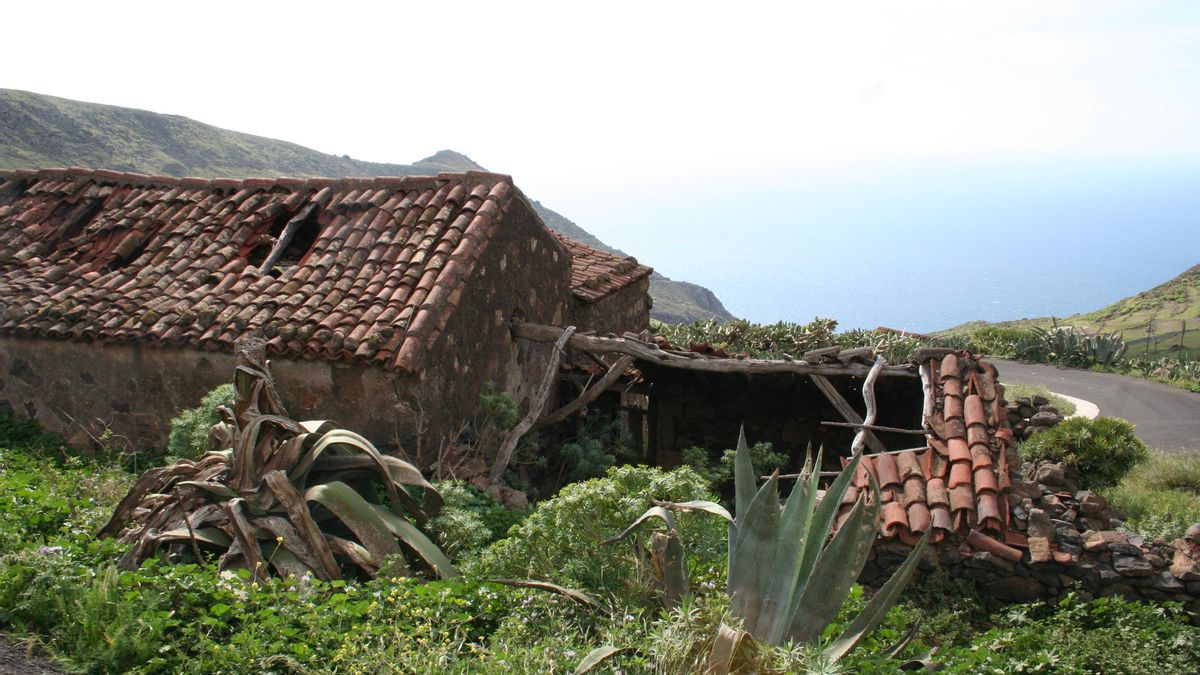
Driving up from El Palmar in Buenavista to Teno Alto feels like stepping into a kind of magical tale. The laurel forest and the low scrubland immediately transport you to Anaga, Garajonay, the nearby Monte del Agua (Buenavista and Los Silos) and precious few other corners of the Canary Islands. Yet this place — this small, scattered hamlet — has something special, an extra something, that indefinable quality. It is as though, handicaps of remote places with few services or comforts aside, time has stood still for the better, and most of those who still live there would not have it any other way.
Yes, like Masca, Anaga and other rural parks, it receives tourists, regular visitors and curious residents, but nothing compared with the overcrowding of those other spots. Its small community, together with those who adore it and share countless moments there after travelling from other corners of Tenerife, has captured the hearts of the Tenerife photographer and documentary-maker Luz Sosa Contreras and the filmmaker Miguel Ángel Rolland. They have spent five years researching and three years working on location on a feature-length documentary entitled Baladero. It is almost finished, but it needs one final financial push.
A crowdfunding campaign to finish the film
That is why individuals and collectives supporting the project have launched a fundraising campaign in recent days through social media — the well-known crowdfunding — to try to secure the resources needed to complete the work and, if possible, have it finished within a month so that audiences can enjoy a piece made with love. A love of dancing (they are famous for it in Teno Alto, in El Palmar and other settlements of the Isla Baja), but above all a love of this small community which, as the fundraising campaign warns, is “at risk”, in danger of extinction in the face of relentless development.
The documentary draws its inspiration from the dances and unfolds a narrative that ultimately sets out to describe, vindicate and defend an incredible place against the threats it faces. And it does so, moreover, by making you fall in love with it. A marvellous space that blends the mist and the intense green of the laurel forest across much of the massif with centuries of admirable smallholding agriculture, the dry-farmed plots facing south, the orographic difficulties (worthy of the shepherd’s leap), the microclimates, the wind, the cold, the heat, the free-roaming goats, the flocks that heed the veteran goatherds, the Atlantic in the background but with the coast barely visible, the limestone rocks characteristic of the southern slope, the prickly pears, the almond trees, the potatoes, the little shop-bar-association where dances are held, the small square and its benches, the music, the instruments, the verses and sounds anchored in the past, the wisdom of wrinkles, Tenerife’s lesser-known Carnival festivities (with legendary masks, but there, almost only there), traditions that are gradually being lost, the difficult yet beautiful day to day. In short, the forty or so neighbours who remain, who regard one another as brothers and sisters and who keep the heart of the enclave beating.
A song to life through dance
As described in the campaign, it is a song to life through dance that tells a profoundly human story, created with the participation of a large part of this rural community, “today at risk of disappearing”. According to the promoters of the fundraising initiative, there are fewer than 25 days left to reach the target, and any contribution, however small, will help them keep going, because every little helps and, together, we can do it.
As the authors explain on a website set up specifically to receive donations and explain the project: “We have devoted all our energy and personal resources to respect, to a Tenerife rhythm that could not defend itself against the impatient demands of public funding, corporate agendas or the timescales at play in a fiction script that determines a beginning and an end. This is not a documentary about others, but with them, told with their active participation and involvement in the process. And that, without doubt, plays more to the rhythms of life than to those of a production.”
How to help
The campaign offers various options for helping, including making a donation of any amount. It also points out that, because it is being run through a foundation, anyone who contributes whatever they wish will be able to deduct between 35% and 80% of their donation from their Spanish income tax (IRPF). If Teno Alto deserves not only many visits but also to be genuinely defended and supported, then so does this project. Both are more than worth it.
What’s happening in the Canaries – straight to your phone
News, weather alerts and practical updates – direct from the islands, in English. We live here and know what’s going on – before the international media catch up. Everything lands on our WhatsApp channel – no middlemen, no algorithm. Curated for families, expats and travelers.

El Trompas charged over Claudia Tacoronte murder
Gran Canaria’s World Cup 2030 plans spark fierce opposition

Arrest made in murder of Canarian student in Mexico

Atalaya Blues Festival returns to Santa Brígida
Norwegian film Butterfly showcases Gran Canaria

Fuerteventura’s Virgen de la Peña fiestas 2026

Tenerife parrot congress marks 40 years with record 800 experts

Boat’s close call with diver off Adeje coast
Drones light up Los Realejos wine festival