Compiled with the help of artificial intelligence, based on Spanish-language information. Source below the article.
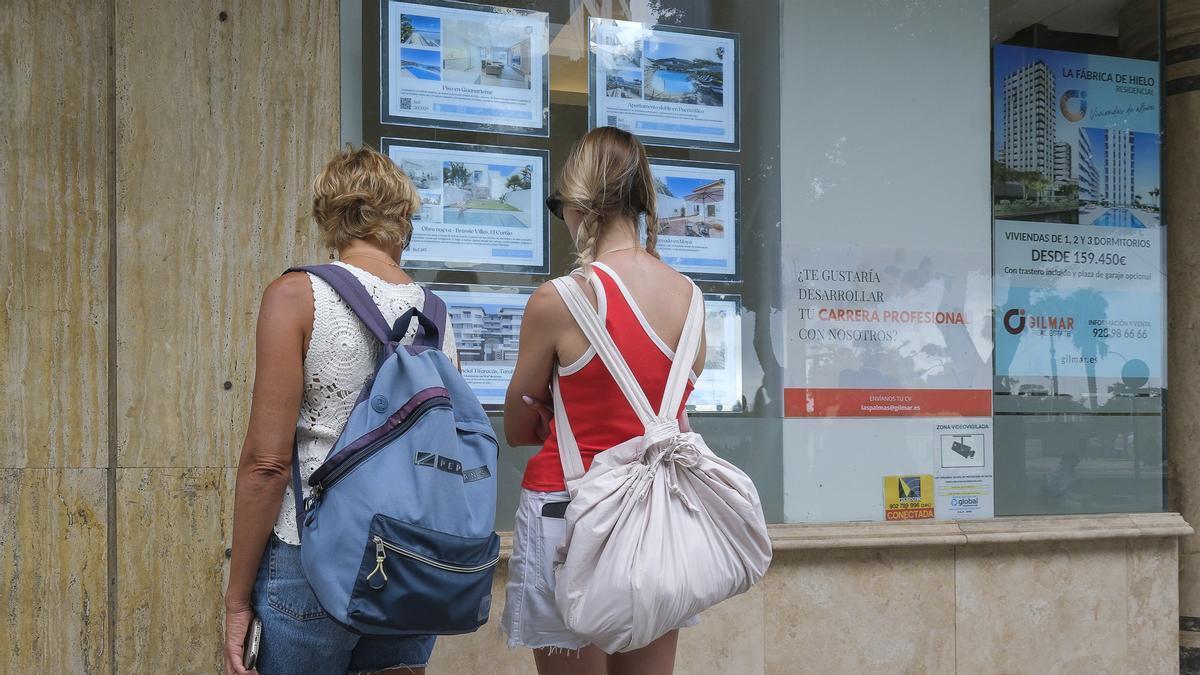
The effort required to access rental housing in Spain has risen to 39% of families’ net income during the second quarter of 2026, a figure that exceeds by 10 points the 29% needed for purchasing a home, according to a study published by property portal idealista. In the Canary Island capitals, this figure rises to 31%.
Rental market under severe pressure
The real estate portal has argued that rising prices driven by a shortage of supply explains why the effort required for both renting and buying remains at very high levels, exceeding in the case of rentals the thresholds that experts consider reasonable.
For renting a two-bedroom property, as many as nine provincial capitals exceed the 30% limit recommended by specialists. Palma leads the table with 45% of household income, ahead of Málaga (40%), Valencia (39%), Madrid and Alicante (38%), Barcelona and Segovia (34%), and Santa Cruz de Tenerife and Las Palmas de Gran Canaria (31%).
By contrast, Ciudad Real and Teruel record the lowest pressure, with families allocating 19% of household income to rent, followed by Jaén, Cáceres, Lleida and Melilla, all at 20%.
Provincial breakdown for rentals
At provincial level, Málaga imposes the greatest burden on its residents, with 58% of household income going towards rent. It is followed by the Balearic Islands (48%), and then a group of provinces with rates above 30%: Valencia (38%), Alicante, Madrid and Santa Cruz de Tenerife (37%), Cádiz (35%), Huelva (33%), Las Palmas and Barcelona (32%), and Girona, Sevilla and Segovia (31%).
At the other end of the scale, Teruel is the province with the lowest demand on income (18%), followed by Palencia, Lleida, Ciudad Real and Huesca (21%).
Buying a home also stretches budgets
When it comes to purchasing property, five provincial capitals exceed the recommended 30% threshold. Palma again heads the ranking with 48%, followed by Madrid (39%), San Sebastián (36%), Málaga (35%) and Barcelona (32%).
Next come Valencia (28%), Alicante (27%), Bilbao, Las Palmas de Gran Canaria and Santander (all three at 25%), and Cádiz, Pamplona, A Coruña and Santa Cruz de Tenerife (all four at 24%).
At the bottom of the table for home purchases are Lleida (11%) and Zamora (12%). At provincial level, the Balearic Islands (48%) and Málaga (45%) lead the effort required to buy, followed by Santa Cruz de Tenerife (36%) and Madrid (35%). The province of Barcelona, meanwhile, stands at 24%.
Finally, Teruel and Soria record the lowest rates at 11%, followed by Jaén, Cuenca, Palencia, Zamora, Ciudad Real, Ourense and León, all at 12%.
What’s happening in the Canaries – straight to your phone
News, weather alerts and practical updates – direct from the islands, in English. We live here and know what’s going on – before the international media catch up. Everything lands on our WhatsApp channel – no middlemen, no algorithm. Curated for families, expats and travelers.

Two tonnes of illegal tropical fruit seized at Tenerife port

Canary Islands approves new €1.6bn development fund

Mogán mayor says her €65,000 salary is too low

Abandoned cars in Canary Islands: hundreds left to rot

Work resumes on 27 affordable rental homes in Las Palmas

Los Realejos residents fight on against propane gas plant

Canarias among Spain’s poorest regions as 36.2% live on low incomes

Canary Islands bananas lose ground to imported bananas
Canary Islands bottom of Spain’s social housing table