
The Canary Islands offer over 500 km of beaches — from the golden sands of Fuerteventura, through the black volcanic shores of Tenerife, to the turquoise coves of Lanzarote and the natural pools of El Hierro. Every island has a completely different beach character. In this guide you will find an overview of the best beaches on each island, with links to detailed descriptions.
Beaches in Tenerife
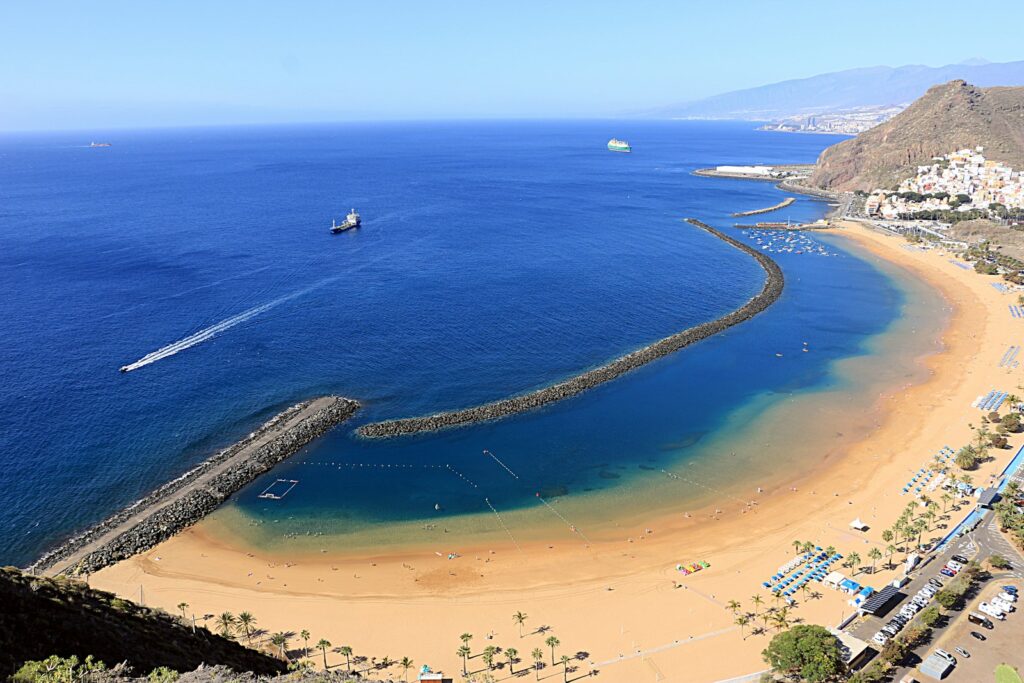
The largest Canary Island offers two beach worlds: golden tourist beaches in the south (Costa Adeje, Los Cristianos) and wild black beaches in the north (Anaga, Puerto de la Cruz). Highlights: Playa de las Teresitas with Saharan sand, Playa Jardín designed by Manrique, and the surfer’s favourite Playa de Benijo.
→ Complete guide to the beaches of Tenerife (12 beaches)
Beaches in Gran Canaria
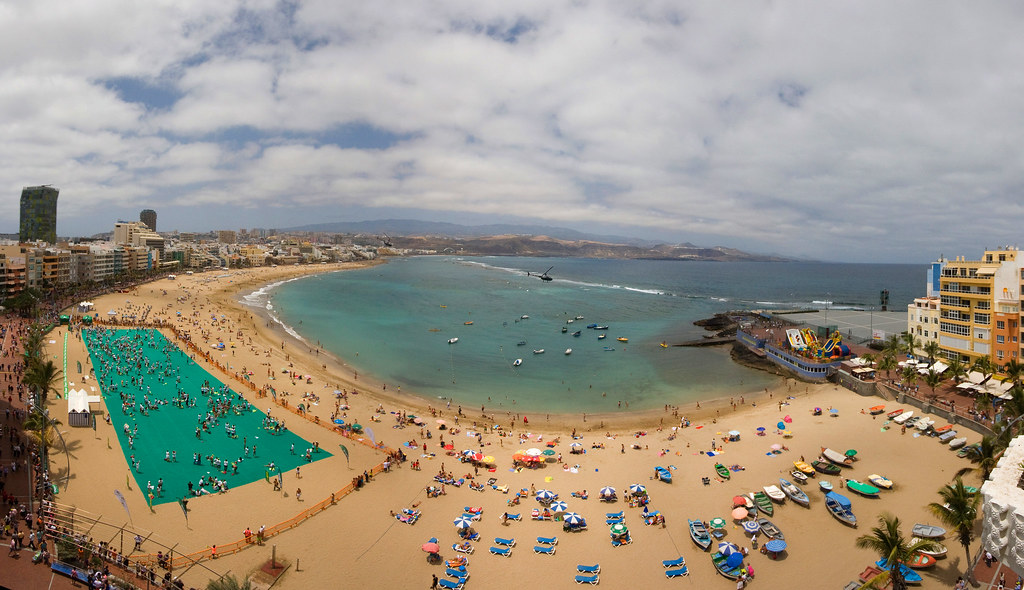
Maspalomas with its protected dunes, urban Las Canteras in Las Palmas (one of the best city beaches in Europe), and family-friendly Amadores with zero waves. Gran Canaria combines the tourist infrastructure of the south with the local fishing beaches of the north.
→ Complete guide to the beaches of Gran Canaria (11 beaches)
Beaches in Fuerteventura
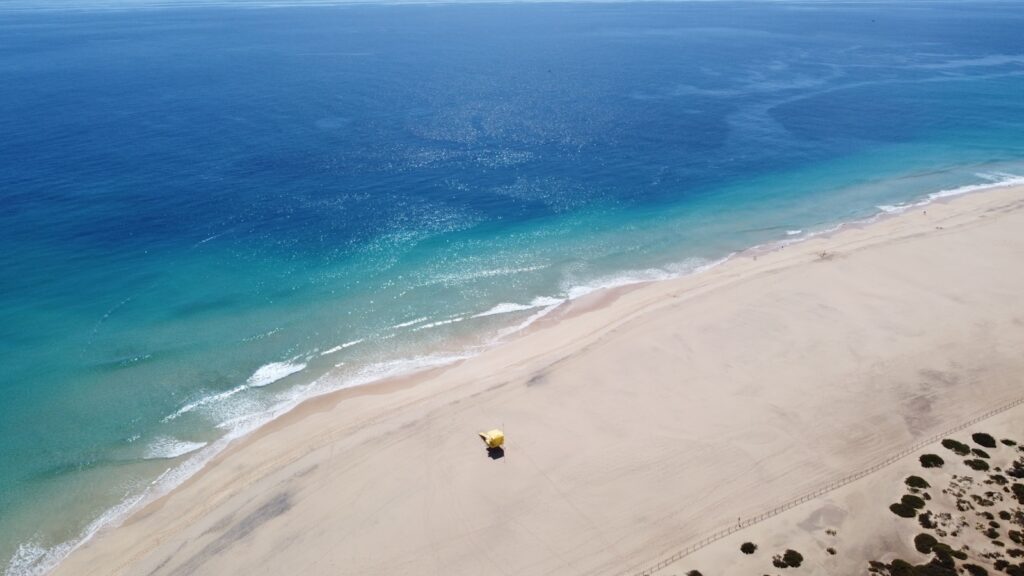
The beach island — 150+ km of coastline, the biggest dunes in the Canaries (Corralejo), the world kitesurfing capital (Sotavento), wild 12-kilometre Cofete and the turquoise lagoons of El Cotillo. If you are coming to the Canary Islands for the beach — Fuerteventura is your destination.
→ Complete guide to the beaches of Fuerteventura (8 beaches)
Beaches in Lanzarote
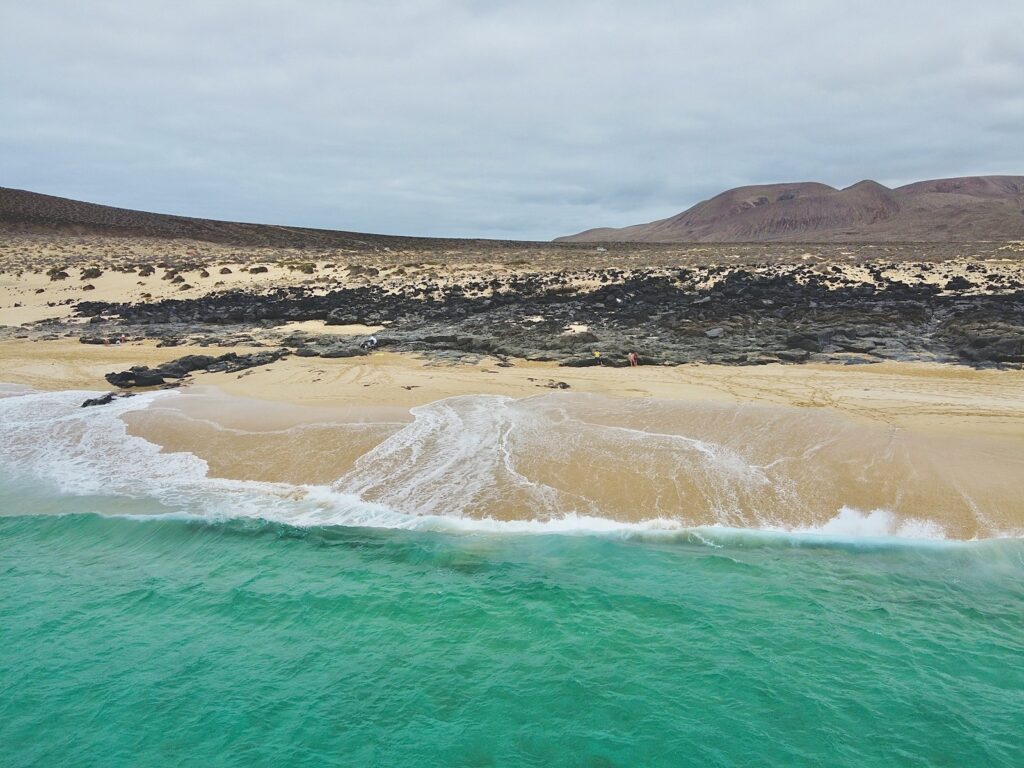
Volcanic contrasts: the paradise coves of Papagayo, the surfer cliffs of Famara (600 m!), white sand on black lava at Caletón Blanco. Less crowded than Tenerife, more atmospheric than Gran Canaria.
→ Complete guide to the beaches of Lanzarote (7 beaches)
Beaches in La Palma
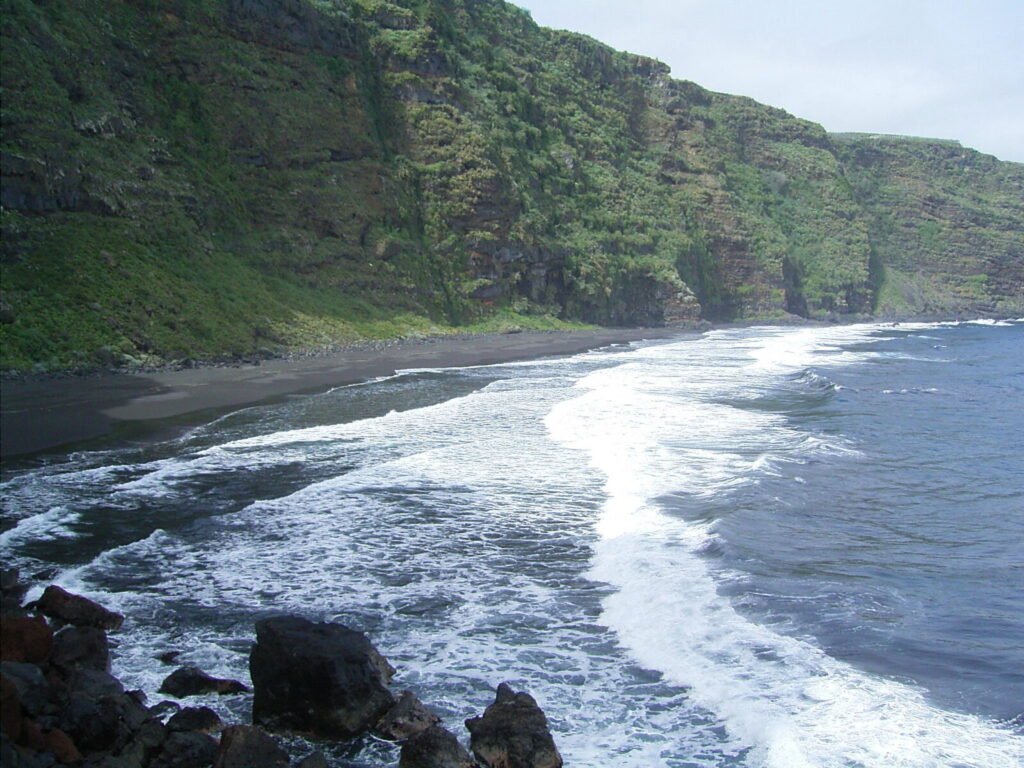
Black beaches, the most beautiful sunsets in the Canaries (western coast) and natural pools at Charco Azul. La Palma is a hiker’s island, but its beaches are the reward after the trail.
→ Guide to the beaches of La Palma (5 beaches)
Beaches in La Gomera
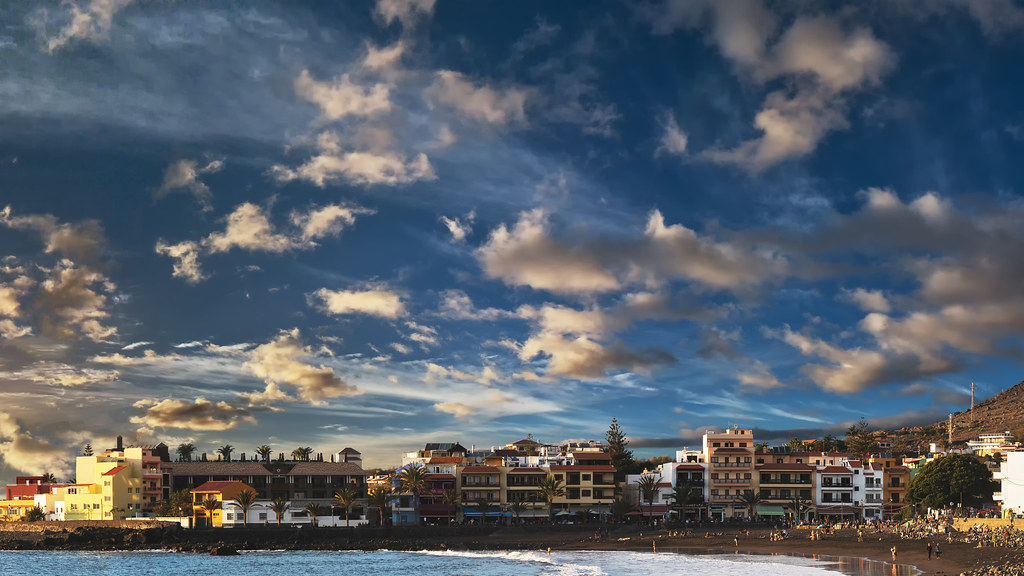
Bohemian Valle Gran Rey, black sand, zero crowds, an alternative atmosphere. The smallest inhabited island (apart from El Hierro) — time moves slower here.
→ Guide to the beaches of La Gomera
Beaches in El Hierro
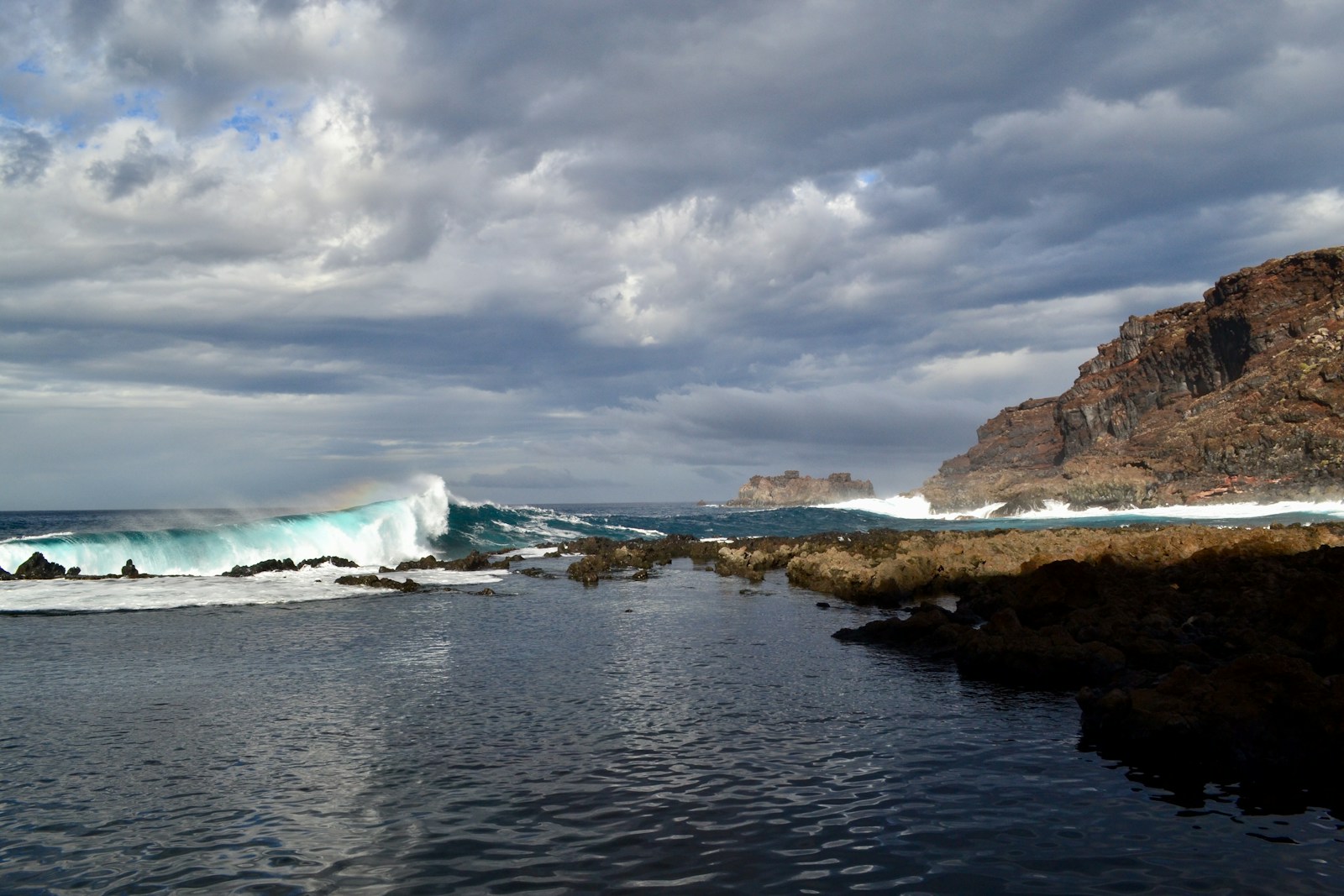
No sandy beaches here — but there are natural lava pools (Charco Manso, La Maceta) at the western edge of the world. For those who want to say “I’ve been where the Canaries end.”
→ Guide to the beaches of El Hierro
Which Island Has the Best Beaches? A Comparison
| Island | Sand Type | Wind | Waves | Best For |
|---|---|---|---|---|
| Tenerife | Golden (south) + black (north) | Moderate | Small in the south, strong in the north | Families, couples, surfers |
| Gran Canaria | Golden (south) + black (north) | Moderate | Small in the south | Families, naturists, nightlife |
| Fuerteventura | Golden / white | Strong! | Medium to strong | Kitesurfers, naturists, wilderness |
| Lanzarote | Golden + black | Strong | Big (Famara) | Surfers, explorers, couples |
| La Palma | Black | Light | Variable | Peace, hiking, sunsets |
| La Gomera | Black | Light | Small | Bohemians, hikers, silence |
| El Hierro | Volcanic pools (no sand) | Variable | — | Adventure, diving, edge of the world |
Beach Safety in the Canary Islands
- Beach flags: Green = safe, Yellow = caution, Red = no swimming. Always check the flag before entering the water.
- Currents: The Atlantic is not the Mediterranean. Even calm-looking beaches can have strong rip currents. Never swim alone on wild beaches.
- Sun: UV levels in the Canaries are stronger than on mainland Europe — even on overcast days. Use SPF 50+ sunscreen, wear a hat and drink plenty of water.
- Hot sand: Black volcanic sand heats up far more than light sand. Bring flip-flops — even in winter.