Croatia with kids is, hands down, one of the best decisions we’ve made as a family. Turquoise Adriatic water, Roman ruins that actually make history click for children, beaches where our boys could run barefoot until sunset — we came for a month and started looking at flights back before we’d even packed our bags. In this guide, we’re walking you through 15 family destinations we explored ourselves: the ones worth the drive, the ones that surprised us, and a few that honestly exceeded all our expectations. Whether you’re road-tripping from Slovenia or flying into Split, this is the Croatia family travel guide we wish we’d had before our first trip.
Why Croatia is Perfect for Family Holidays
Is Croatia good for families? Short answer: yes, genuinely. It’s an EU country, so no extra paperwork, roaming works, and the infrastructure is solid. Summer weather is reliable, distances are manageable by car (we packed way more than any airline would allow), and — crucially — it’s one of the few Mediterranean destinations where you don’t have to choose between culture and beach.
Our biggest advice for a Croatia family vacation: pick your base carefully, especially if you’re traveling with younger kids. Proximity to a good beach changes everything.
- Why Croatia is Perfect for Family Holidays
- Top Family Attractions in Croatia
- Pula — Croatia's Ancient Roman Treasure
- Pula Aquarium — Marine Adventure in a Historic Fort
- Zrmanje Waterfall — A Peaceful Alternative to Krka National Park
- Zavratnica Bay — Croatia's Breathtaking Fjord
- Nin Salt Works — Where Croatia's White Gold Comes to Life
- Nin Beach and Lagoon — Sandy Paradise for Families
- Zrmanje Canyon — Where Winnetou Rode
- Baredine Cave — Istria's Underground Wonder
- Brijuni National Park — Islands of Wonder
- Motovun — Tuscany in Croatia
- Bale Valle — Stone Village Charm
- Kazuni — Istria's Iconic Stone Shelters
- Vodnjan — Street Art Meets Sacred Mysteries
- Trsat Castle in Rijeka — Fortress with a View
- Zadar — Where Sea Creates Music
- Pag Island — Moonscape Wonder
- Paklenica National Park — Mountain Adventure
- Split — Gateway to Dalmatian Adventures
- Trogir — Medieval Magic
- Dubrovnik — Pearl of the Adriatic
- Frequently Asked Questions About Croatia Family Travel
Top Family Attractions in Croatia
Pula — Croatia’s Ancient Roman Treasure
If you’re starting your Croatia family trip in Istria, Pula is where you want to land first — it’s the largest city on the peninsula and, frankly, it earns its place on every family itinerary. This historic city bursts with attractions that captivate both adults and children.
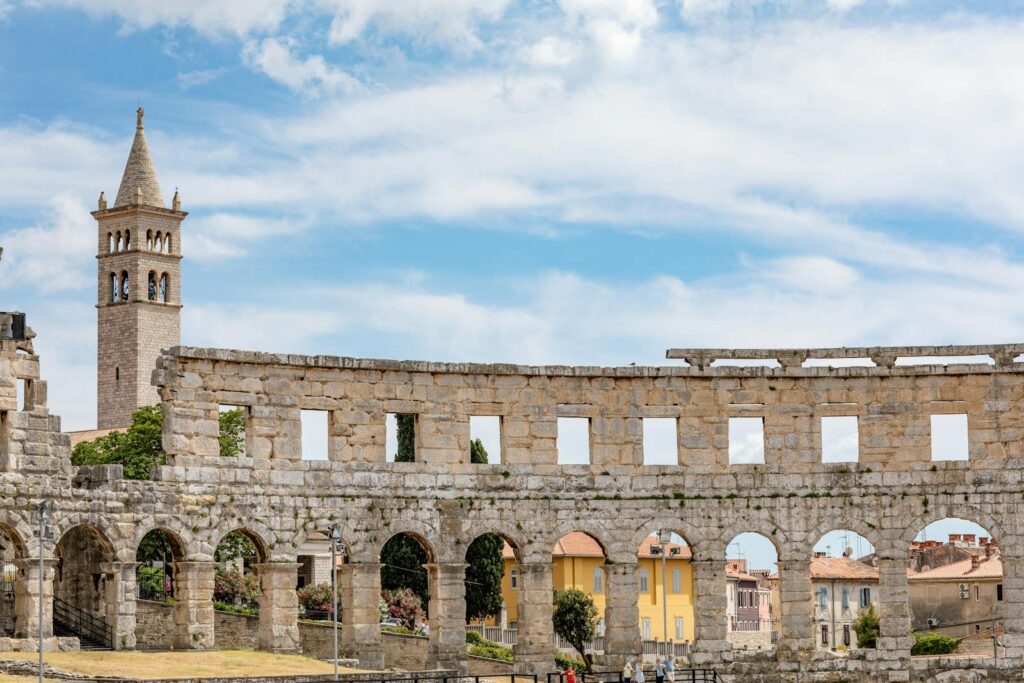
The Roman amphitheater is an absolute must-see during your walking tour. The Arena ranks among the three best-preserved and largest structures of its kind in Europe (fourth worldwide). This elliptical marvel measuring 132×105 meters impresses from every angle. Simply walking around it costs nothing, yet offers spectacular views from different perspectives. Once accommodating around 20,000 spectators, this arena hosted gladiatorial combat, battle reenactments, games, markets, and medieval tournaments — stories that ignite any child’s imagination. Today, it serves as a venue for concerts and cultural events.
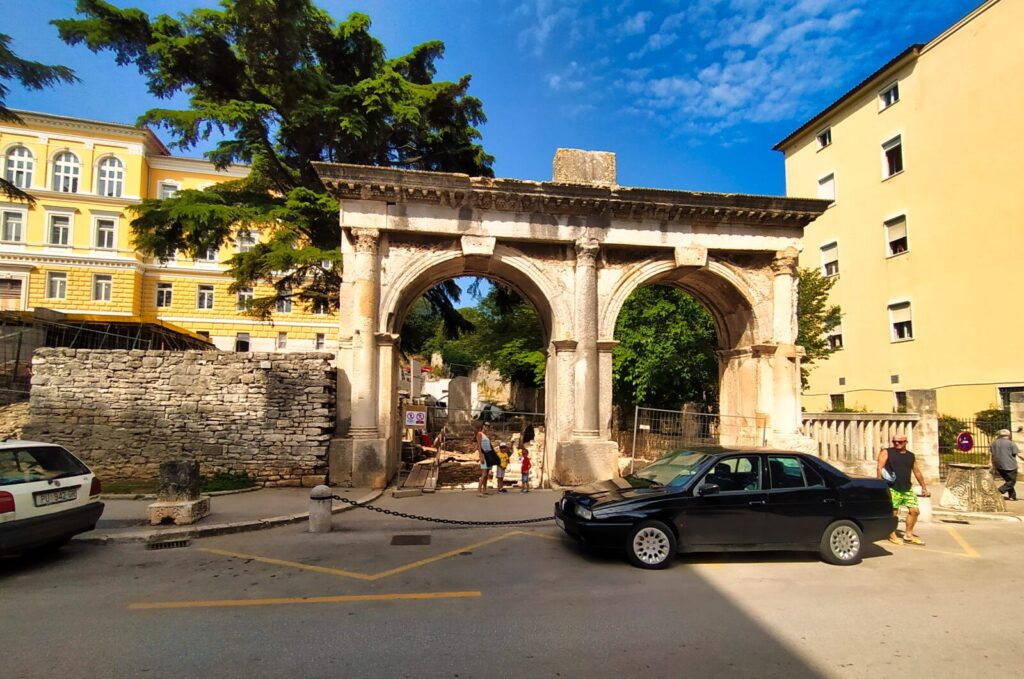
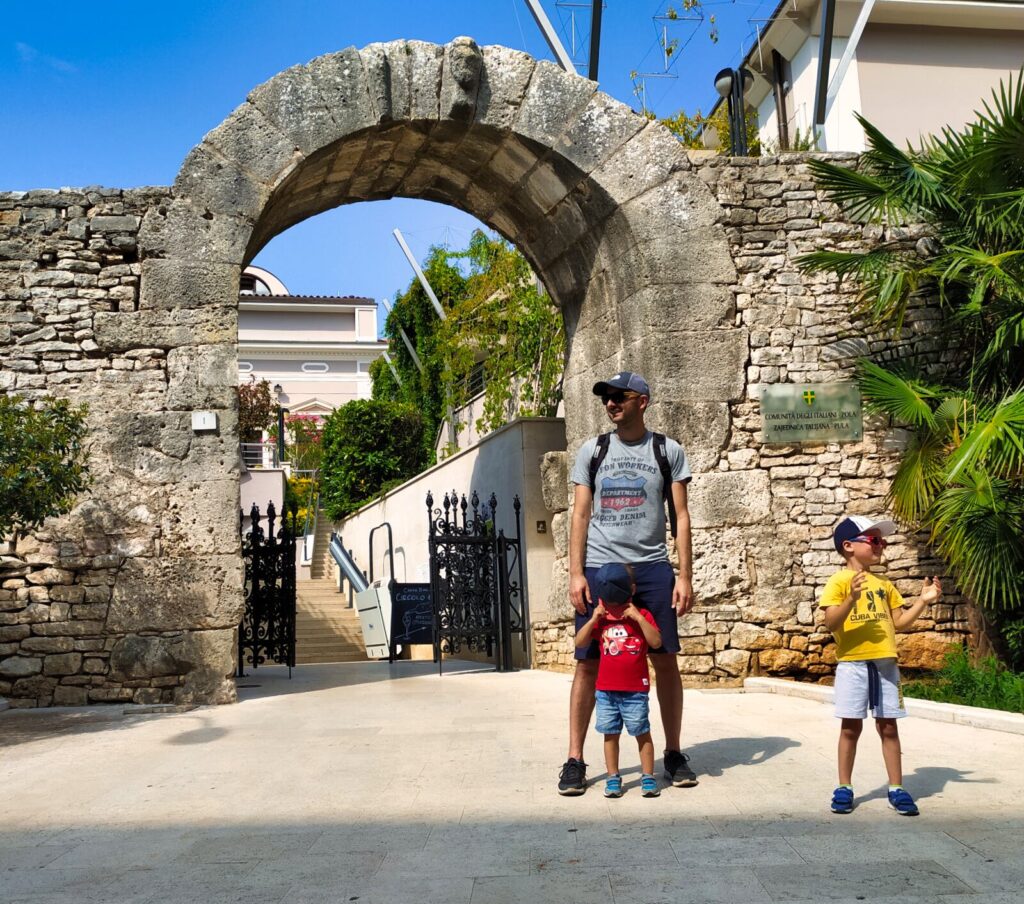
The Double Gate and Hercules Gate showcase the city’s ancient fortifications. Standing beneath these ancient entrances provides perfect teachable moments about how cities were once built and the significance of guarded gates for protection.
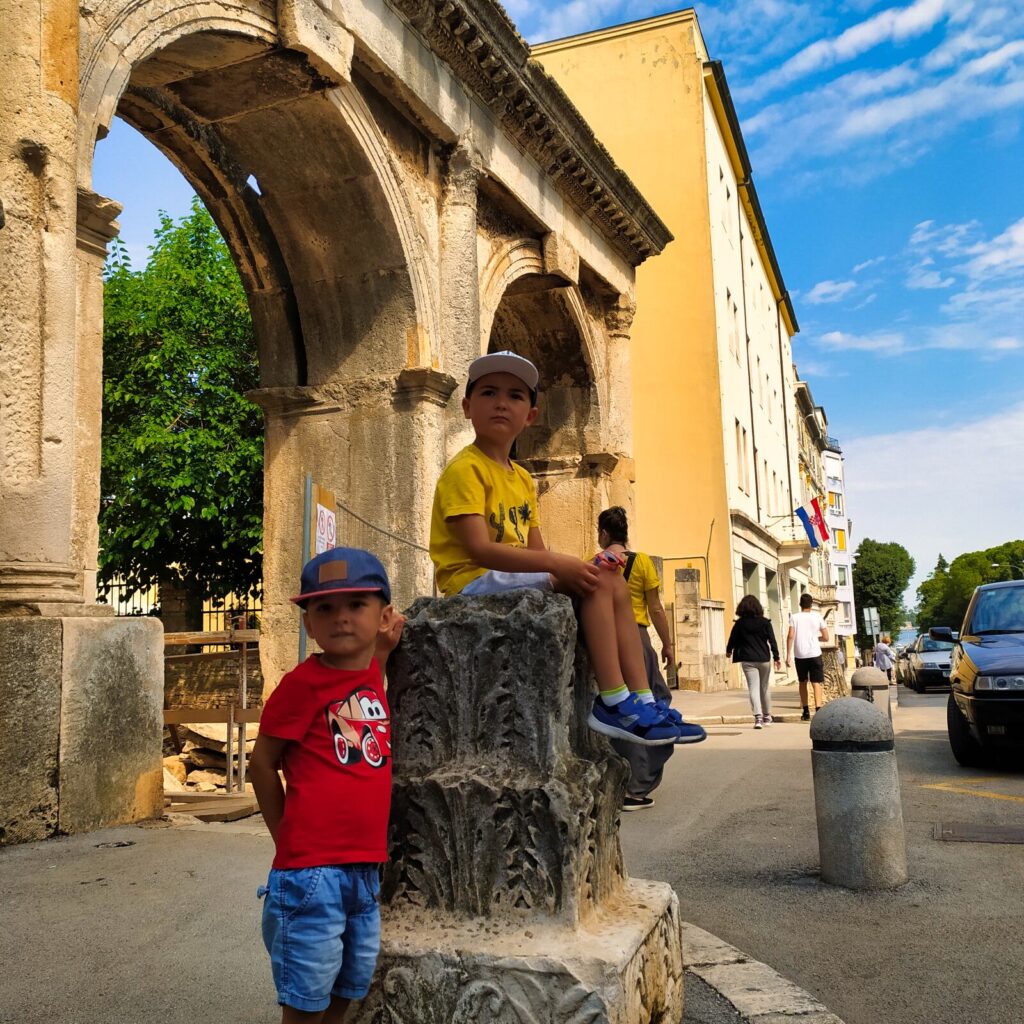
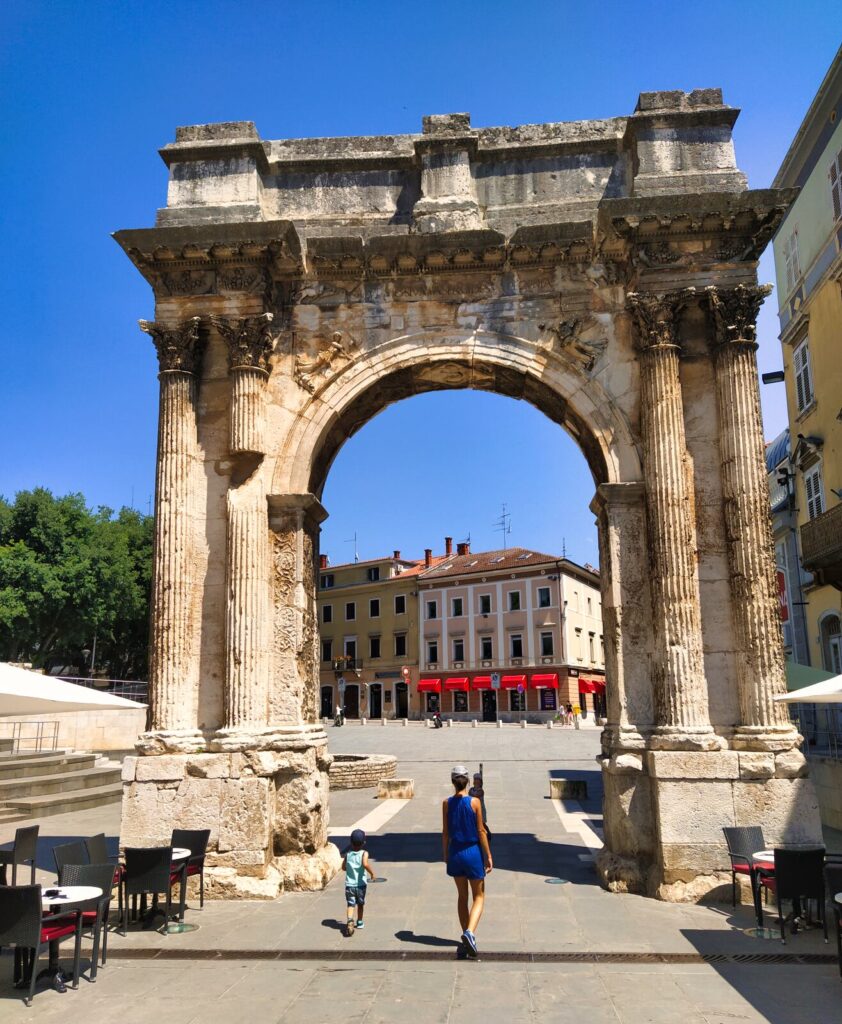
The Arch of the Sergii, despite resembling a city gate, actually honors the Roman Sergius family. This monumental structure features elaborate decorations facing the city center, a great spot to stop for a few minutes.
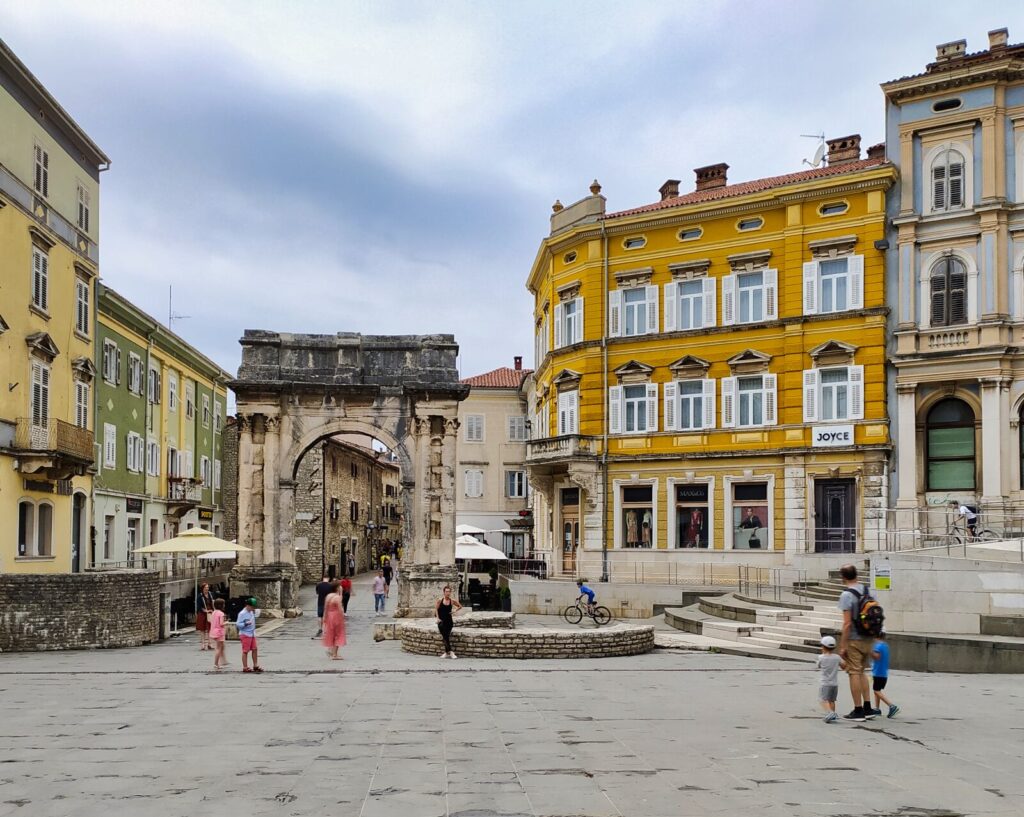
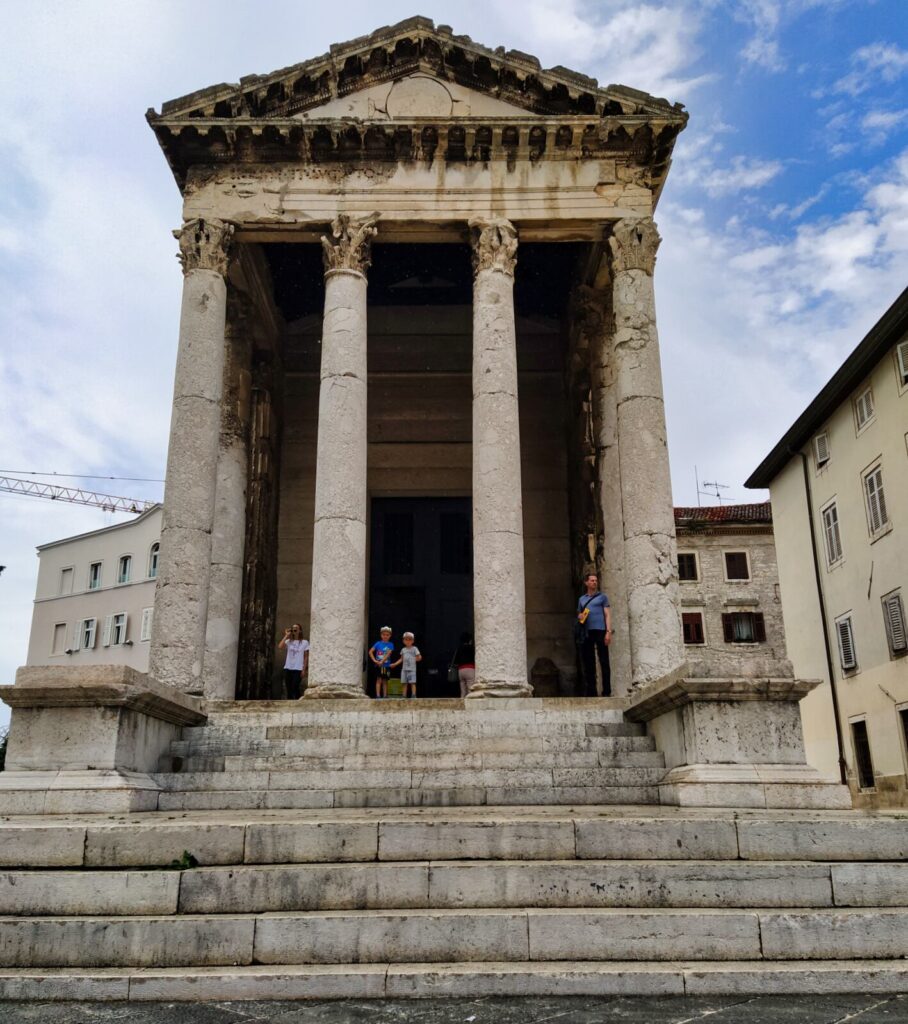
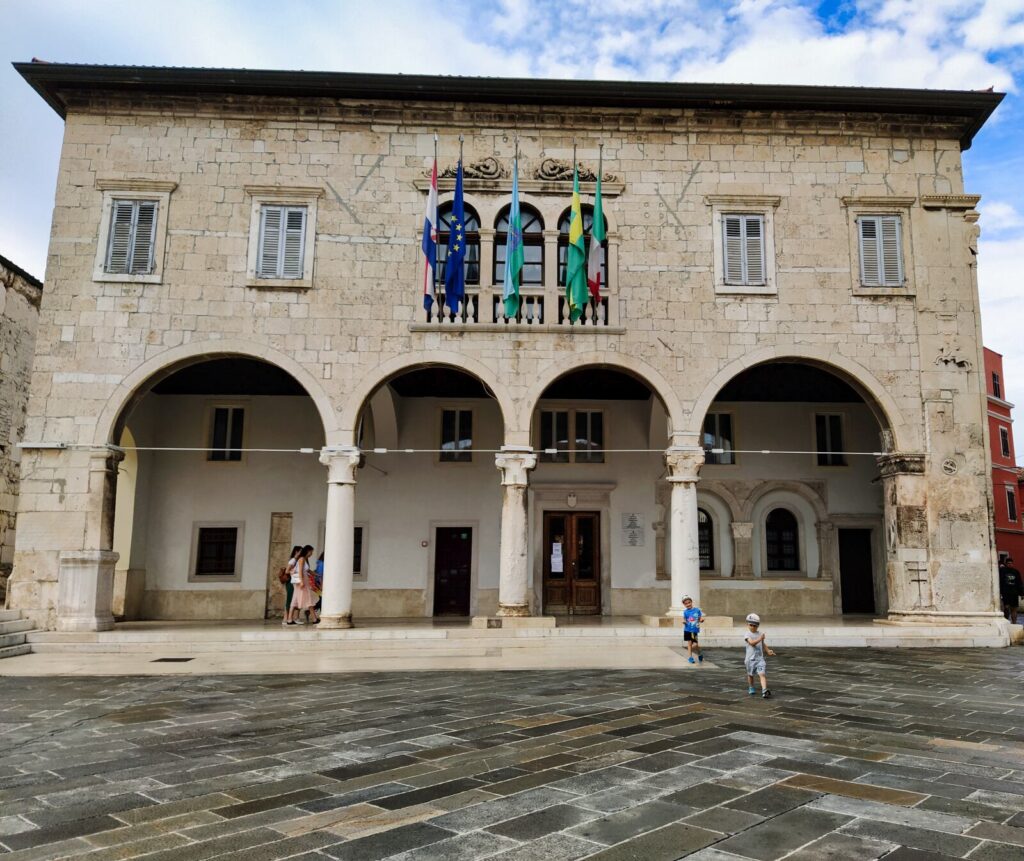
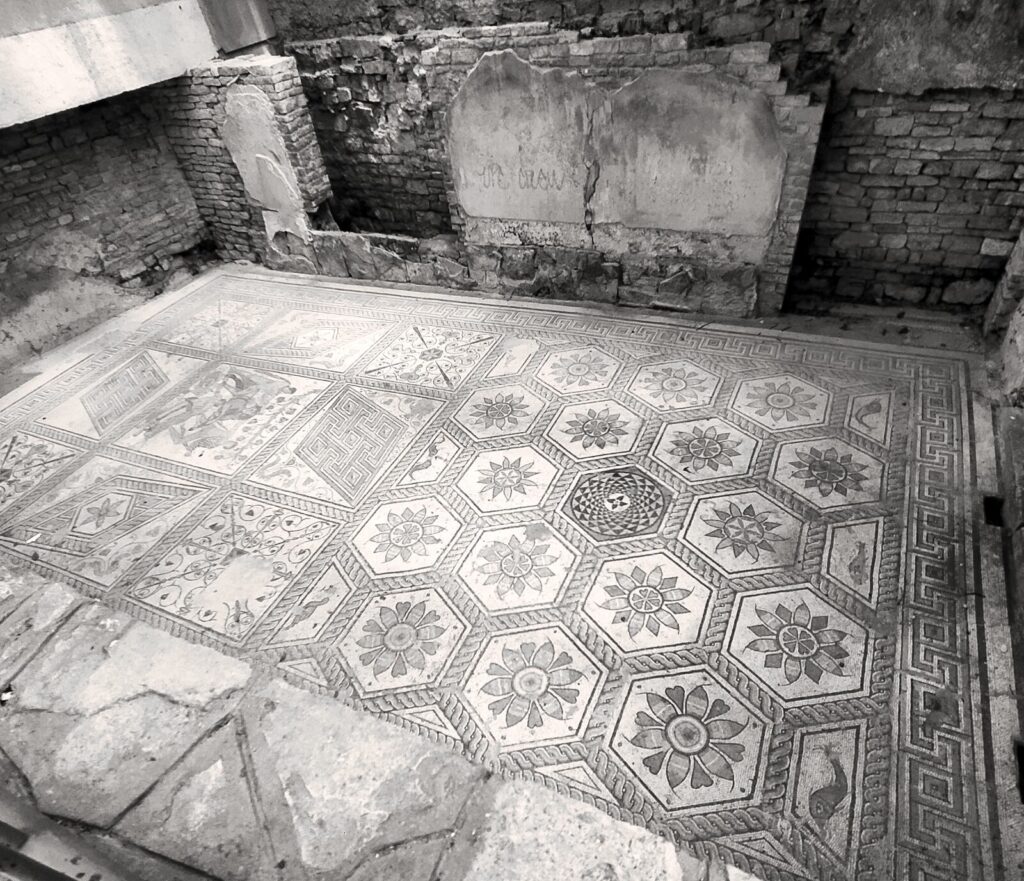
Substantial Roman traces appear around the main city square, where the Temple of Augustus from the 1st century stands alongside the Communal Palace (current City Hall) — its rear section preserves remains from the second of three temples that once stood side by side. Adventurous families should search for hidden Roman mosaics behind residential gates throughout Pula.
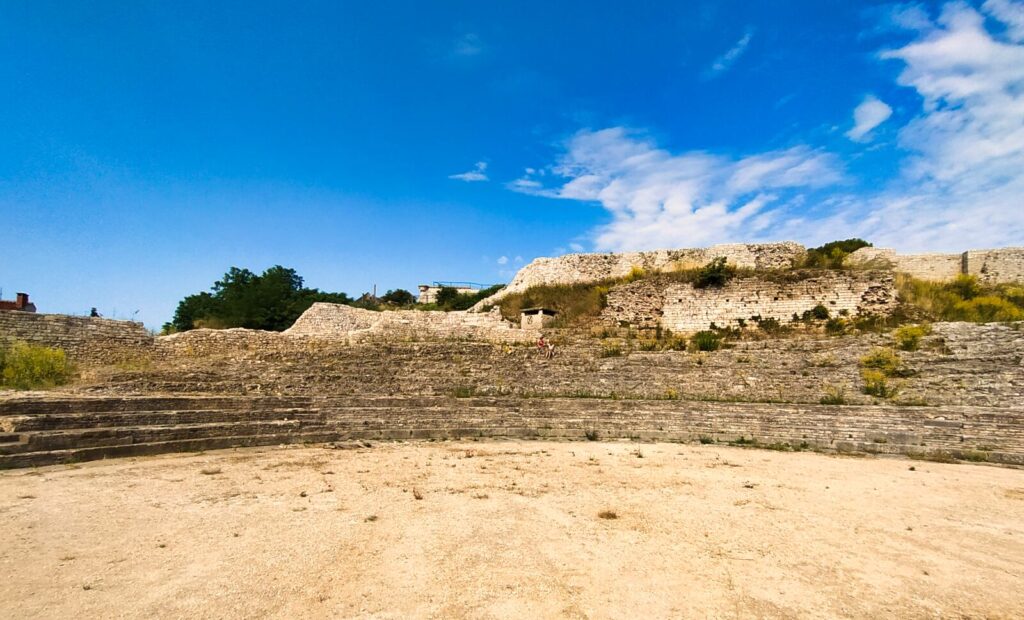
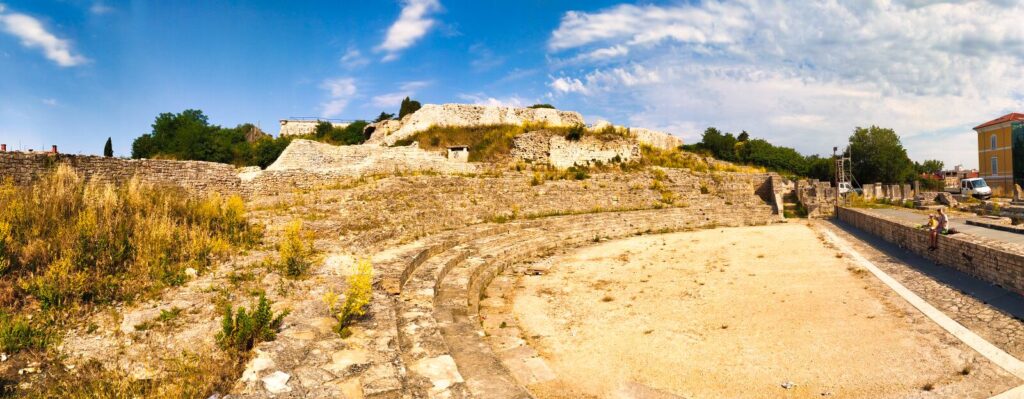
About five minutes from the city center lies a small 2nd-century Roman theater, perfectly demonstrating how ancient cultural buildings utilized natural terrain for optimal audience visibility and acoustics. Test this yourself! However, visit soon — this unguarded, uncleaned, and unprotected site slowly succumbs to nature.
Pula Aquarium — Marine Adventure in a Historic Fort
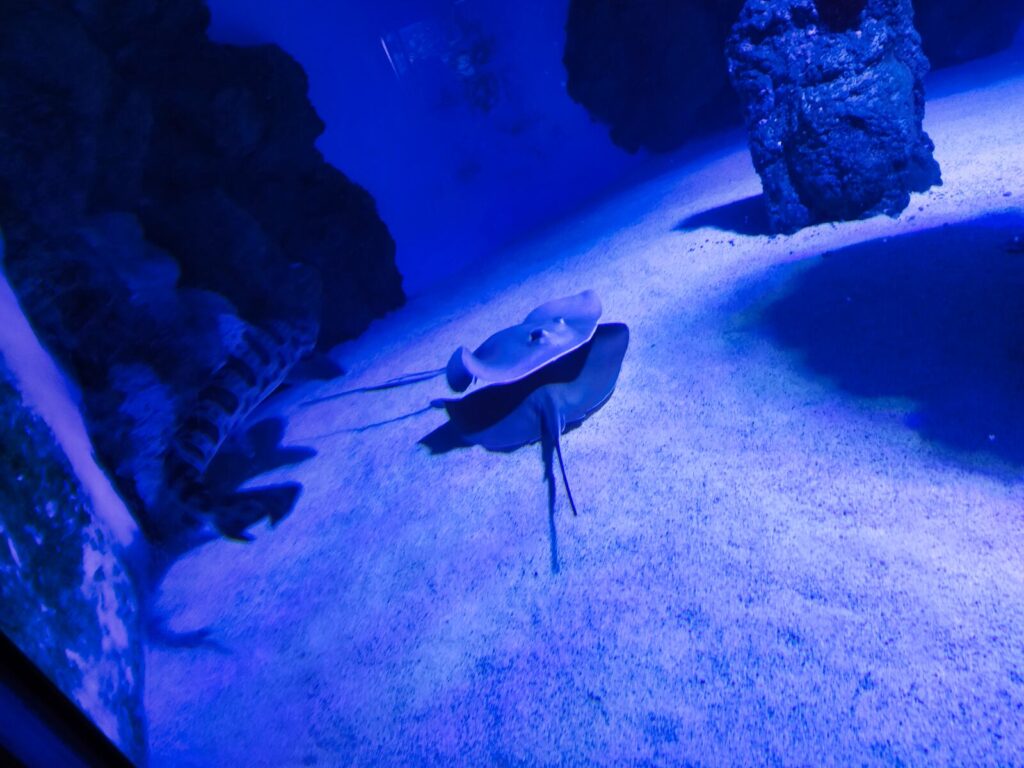
When planning things to do in Croatia with family, Pula Aquarium absolutely must make your list. Housed within a 19th-century fortress, this aquarium hosts hundreds of fish species from both northern and southern Adriatic waters, plus several tropical marine and freshwater varieties.
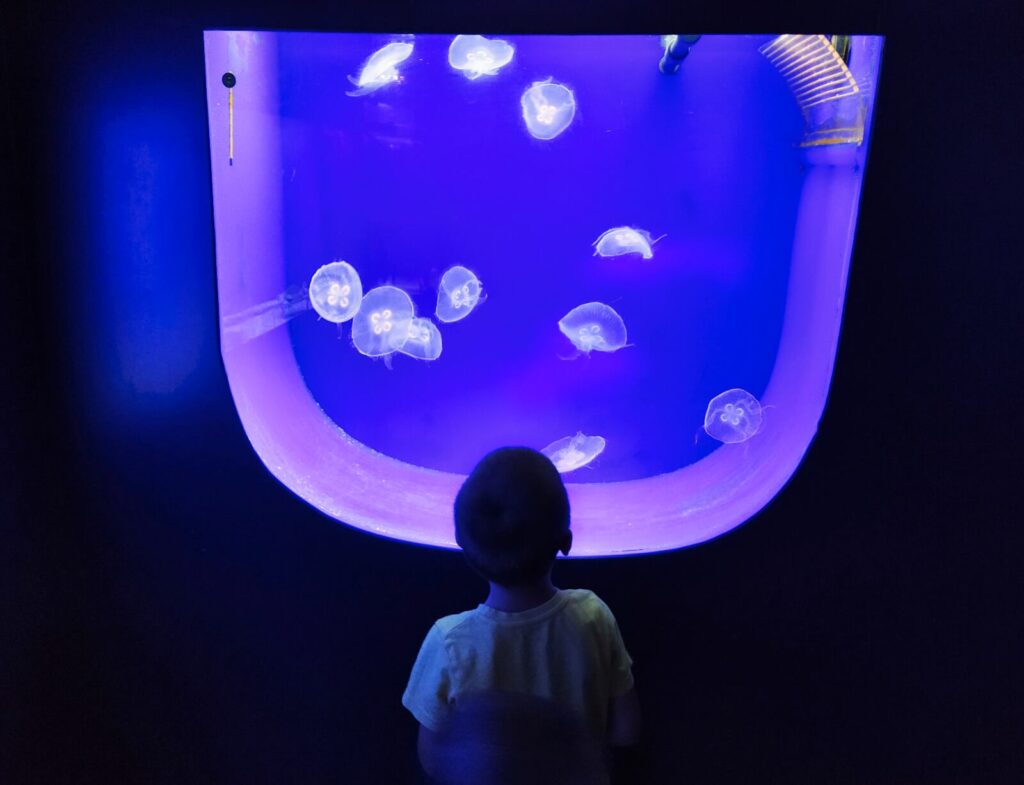
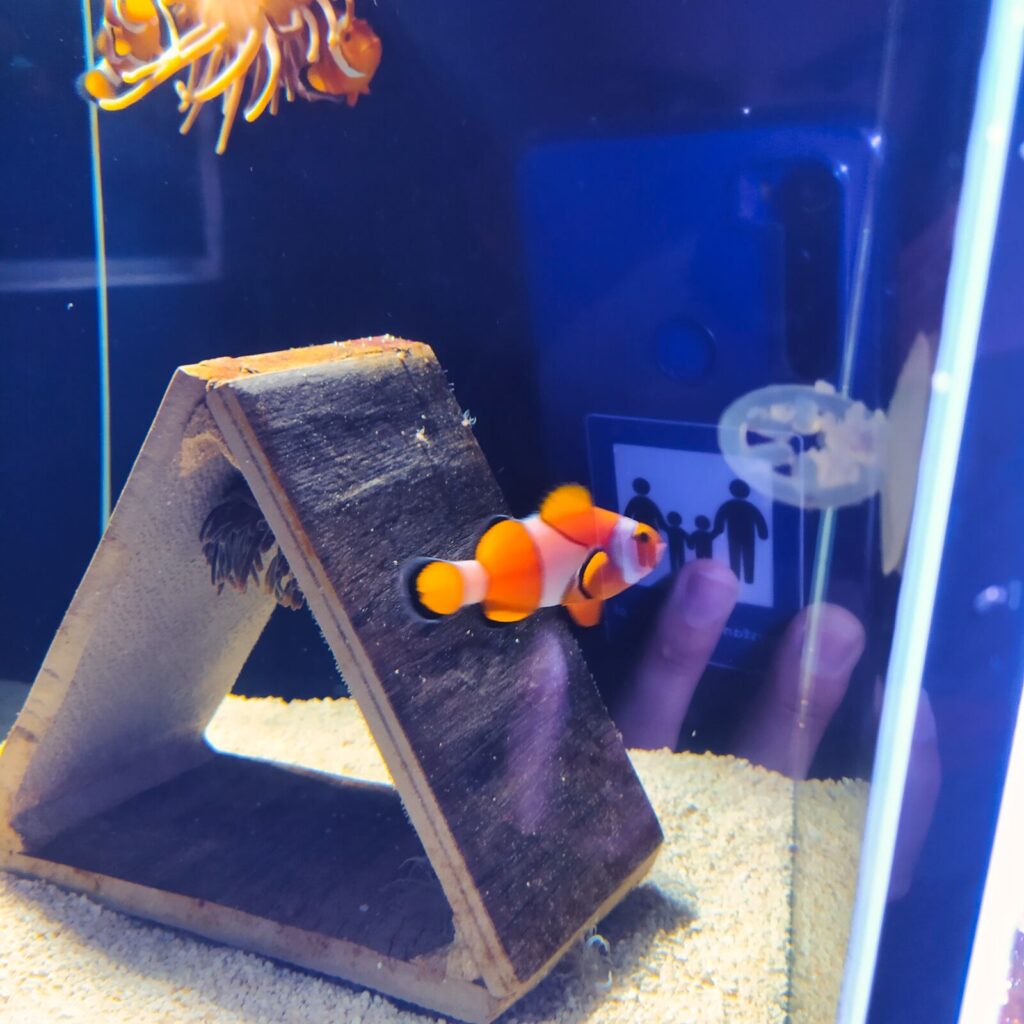
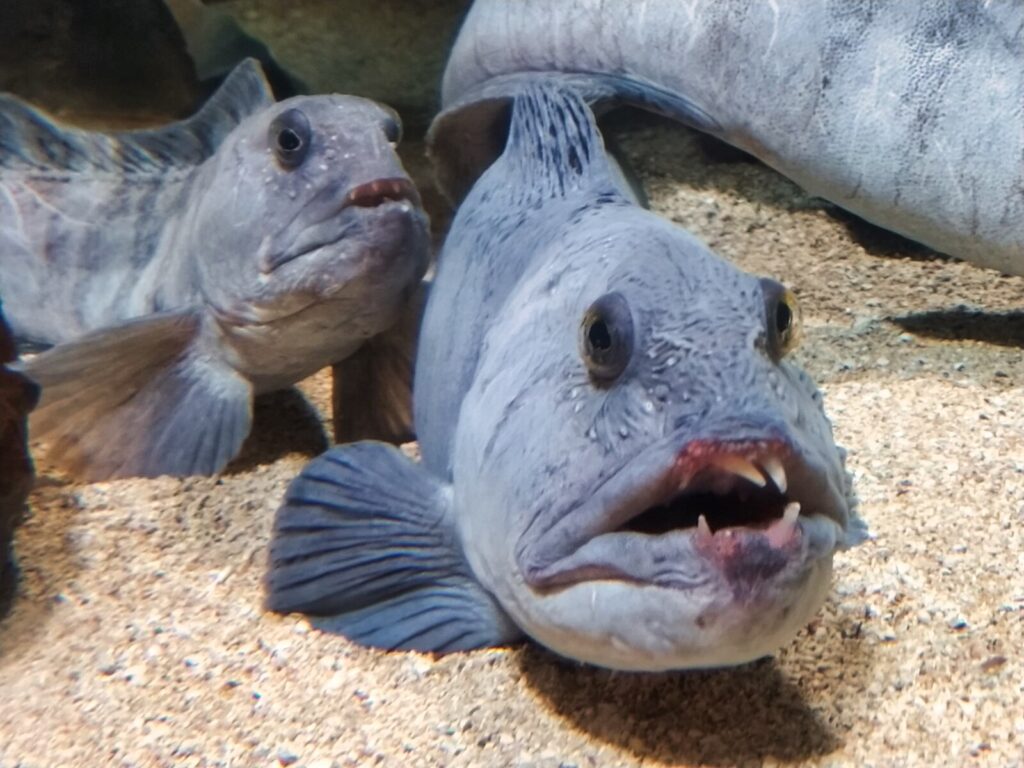
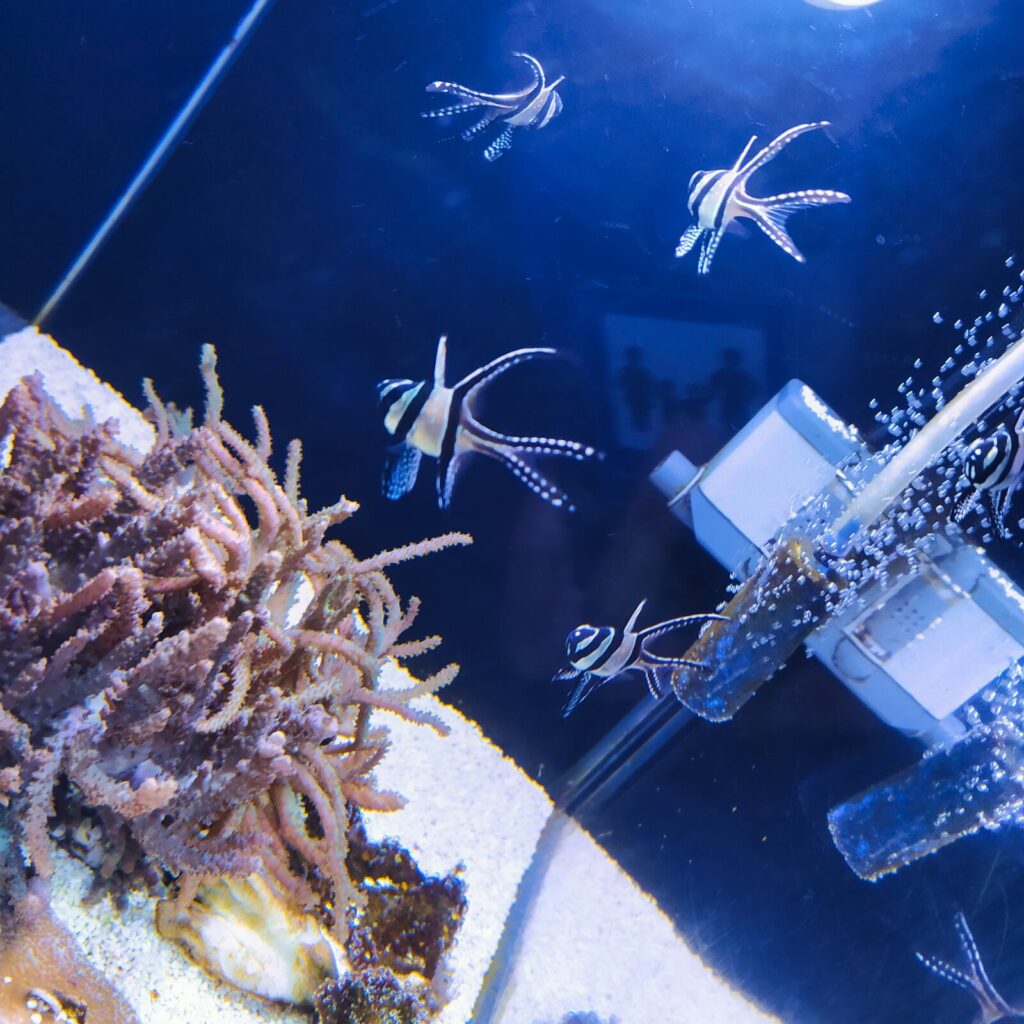
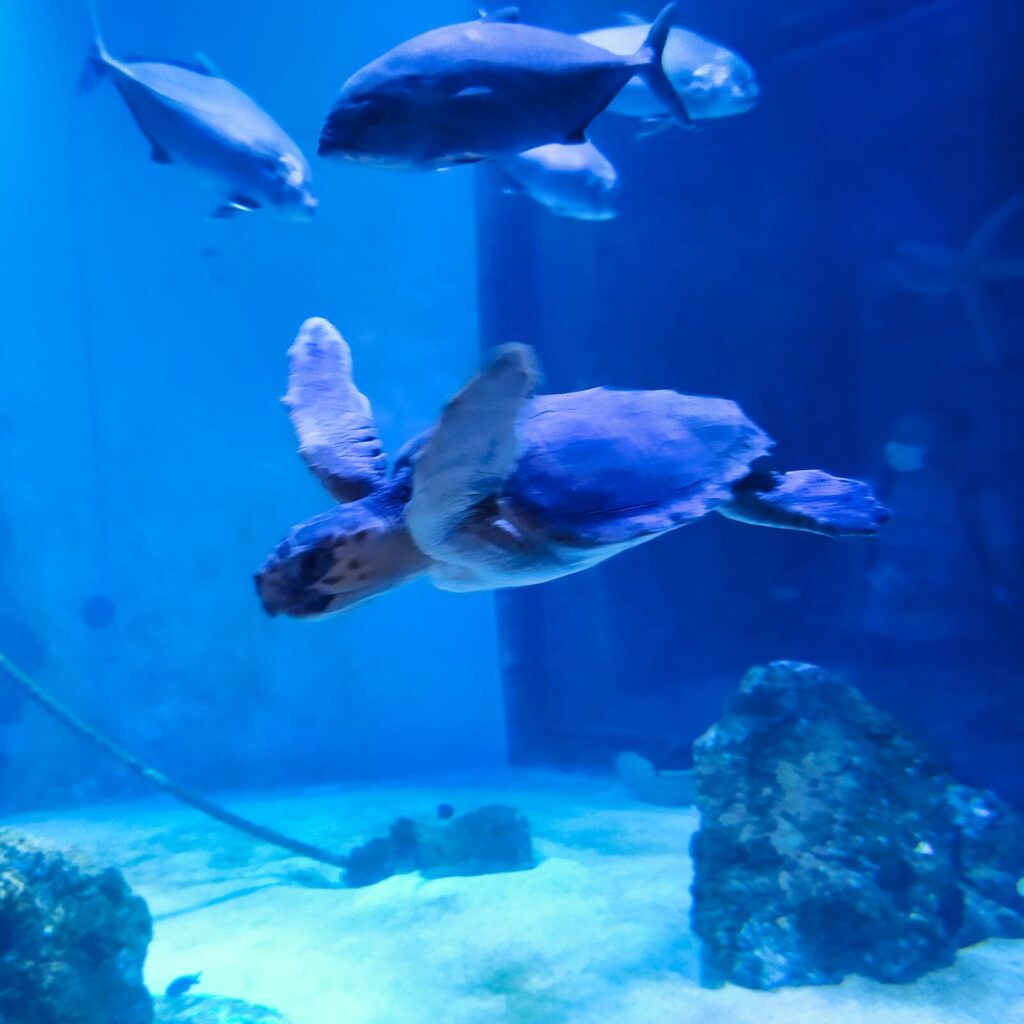
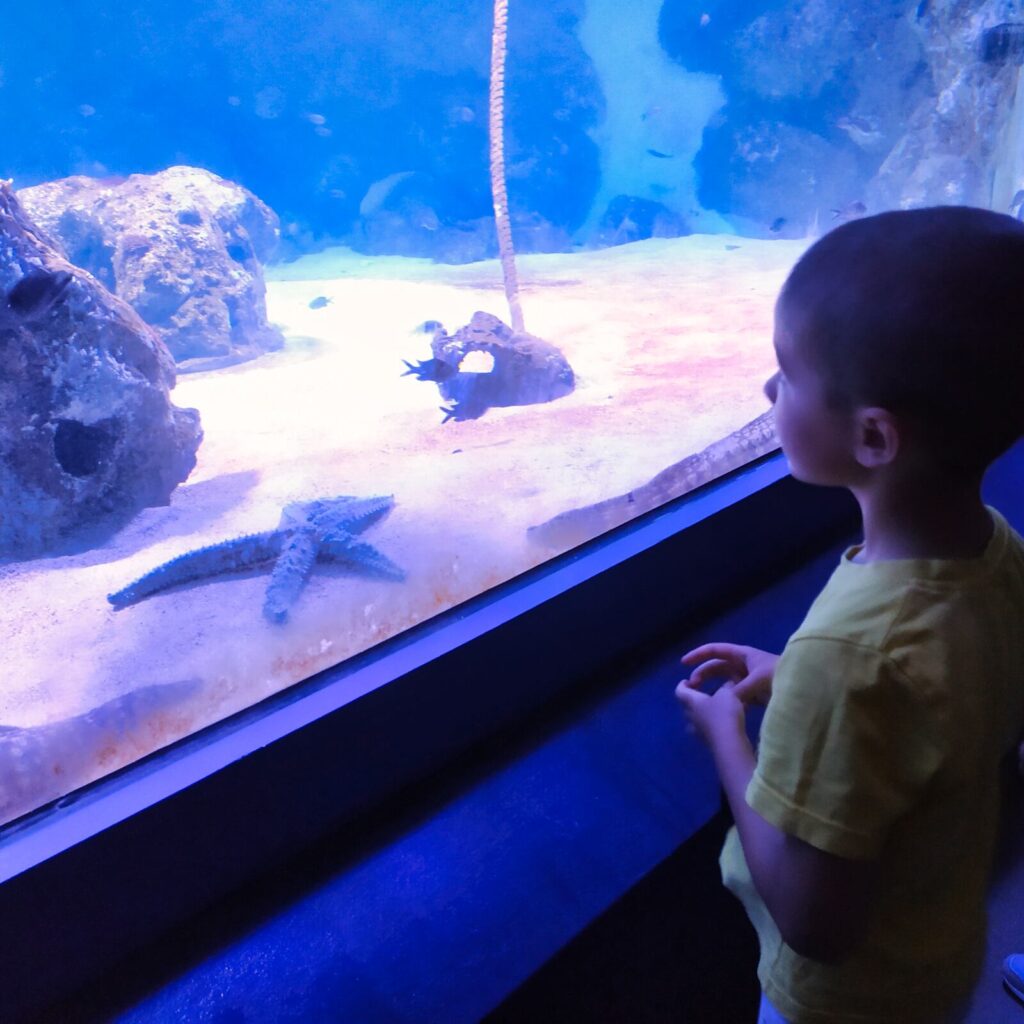
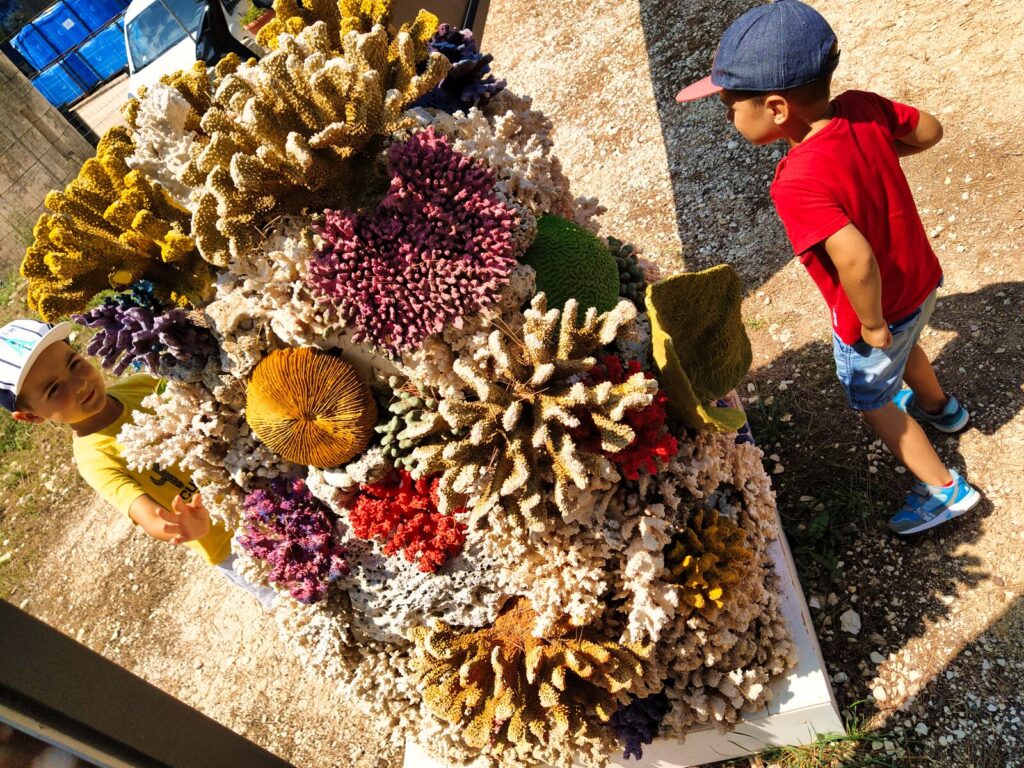
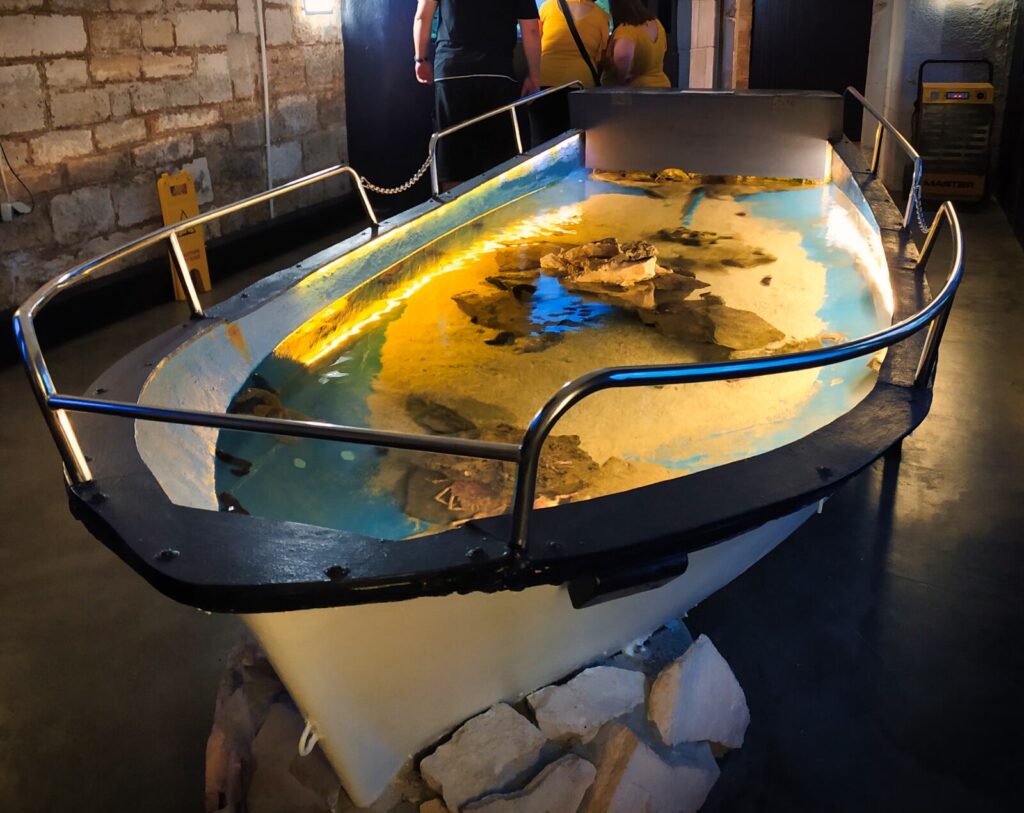
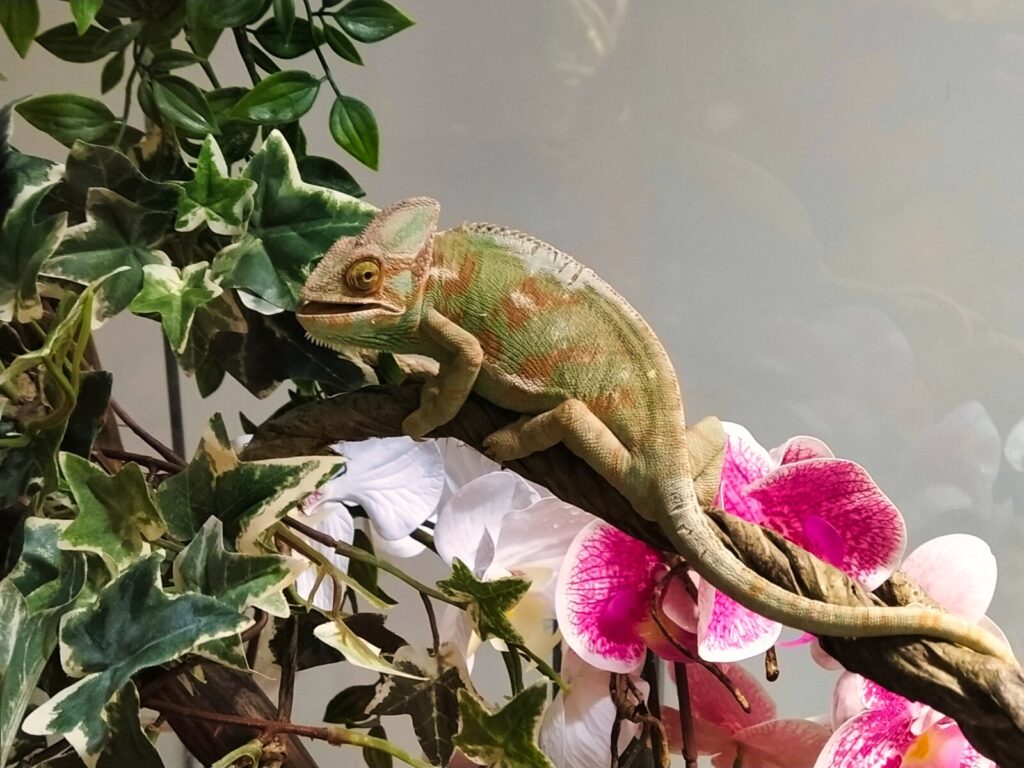
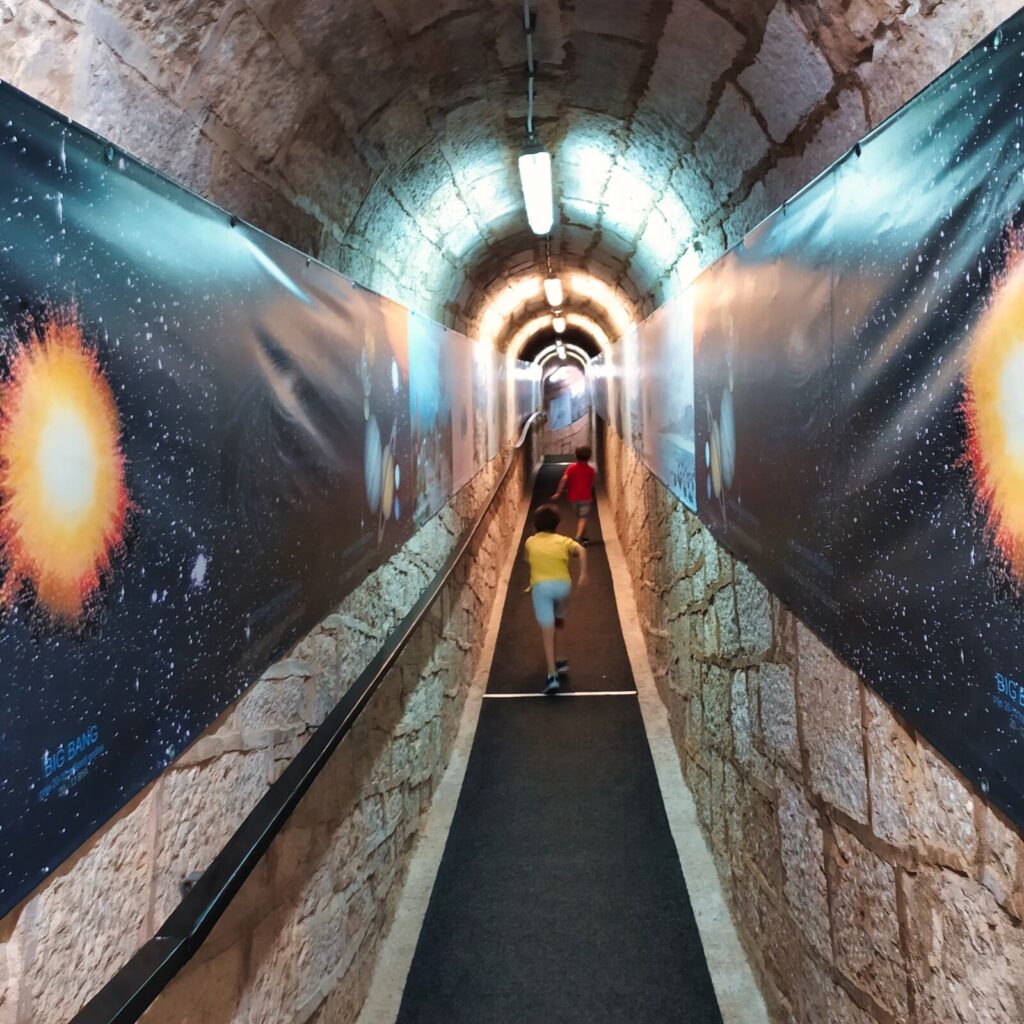
Children delight in running through the labyrinthine passages of this 130-year-old fortress while discovering marine life. The facility offers more than just aquatic displays — several educational rooms equipped with research instruments (including microscopes) provide hands-on learning experiences. The grounds feature a playground and café, while the fort’s “rooftop” delivers breathtaking panoramic views.
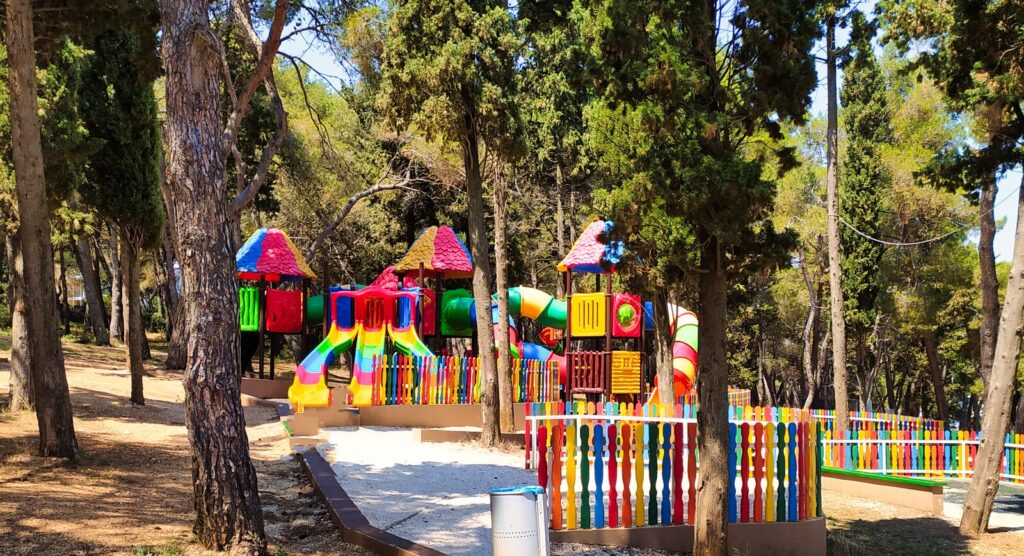
A sizable playground near the aquarium along the road toward Pula’s center provides additional entertainment for energetic youngsters.
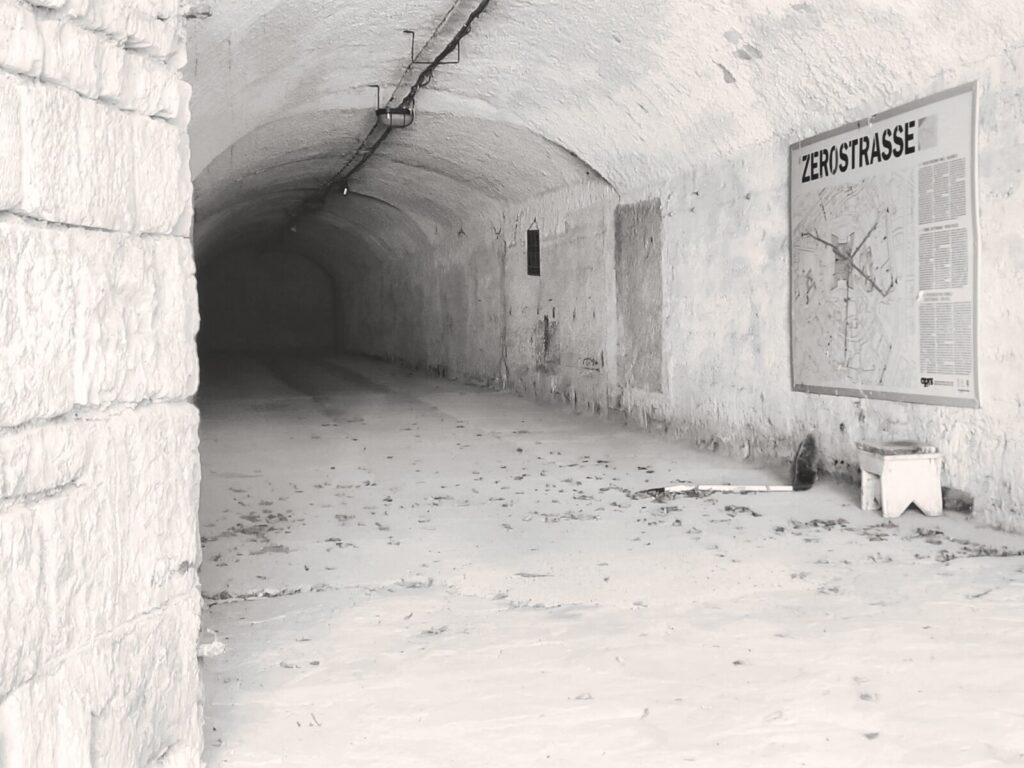
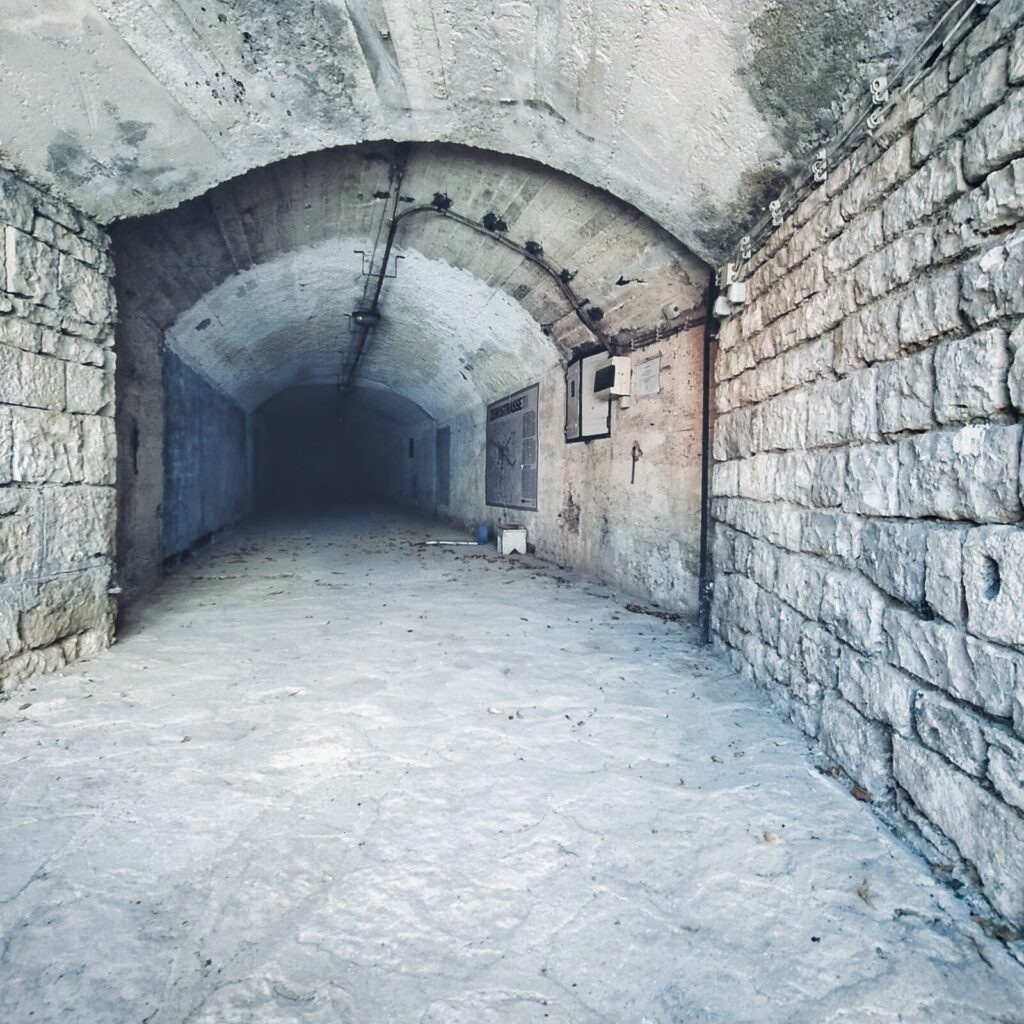
An intriguing attraction involves exploring Pula’s extensive underground tunnel system built in the early 20th century — Zero Strasse. Unfortunately, we missed the opening hours for these wartime shelters during our visit, but we’ll definitely try again next time.
Our younger one planted himself in front of the microscope station and refused to move for a good twenty minutes. We’d budgeted an hour for the aquarium; we ended up staying two and a half. As a speech therapist, I loved watching him explain what he was seeing to his older brother — completely unprompted.
Zrmanje Waterfall — A Peaceful Alternative to Krka National Park
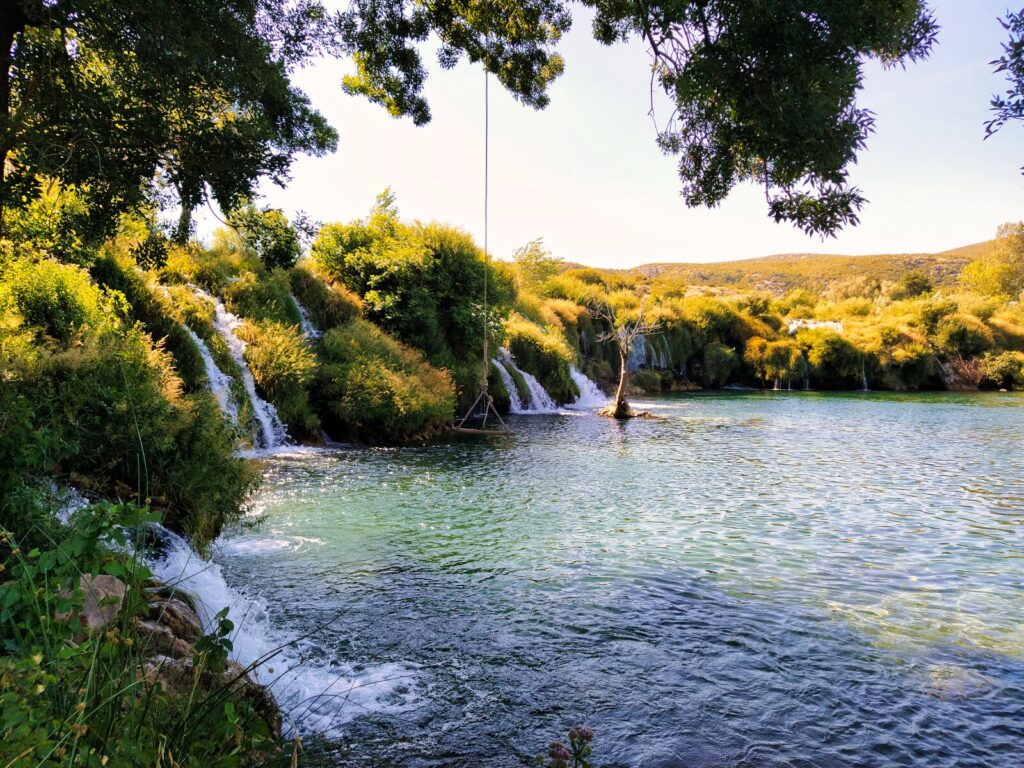
Tired of hunting for parking spaces at Krka National Park entrance or pushing through tourist crowds along its pathways? We’ve discovered an excellent alternative — Krka in miniature.
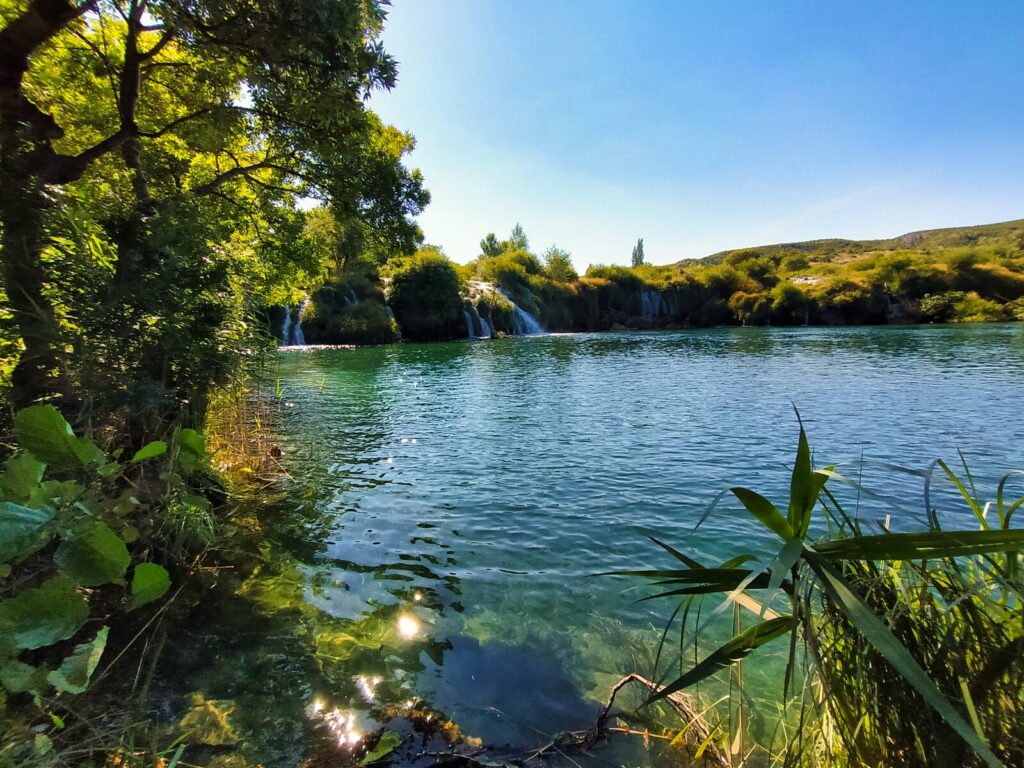
The recreational area beside small waterfalls on the Zrmanje River sits far from tourist chaos. You can swim beneath the falls, jump from a tree-hung rope swing (thrilling for all ages), or even rent kayaks for downstream adventures. A nearby restaurant and spacious picnic area complete this family-friendly destination.
Zavratnica Bay — Croatia’s Breathtaking Fjord
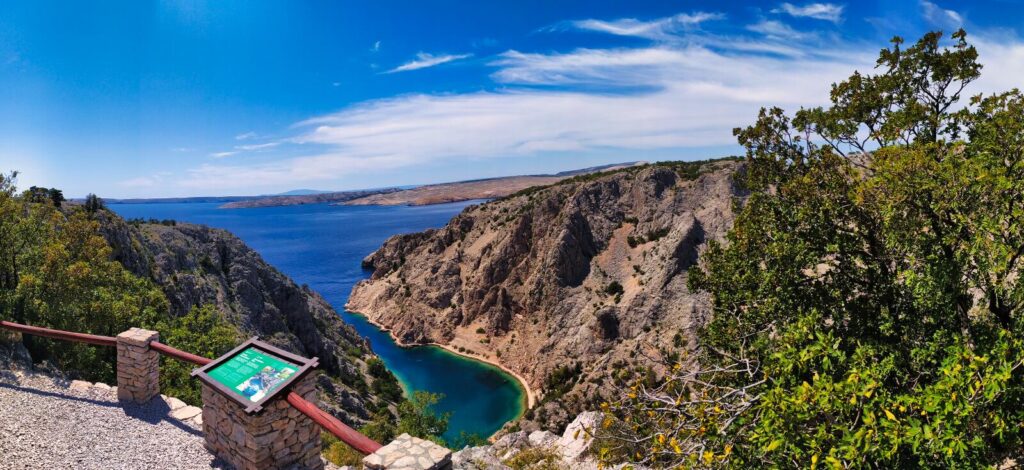
Zavratnica presents a narrow 900-meter bay with steep, rugged slopes and spectacularly colored water shifting between green and turquoise hues. Nestled at the foot of the magnificent Velebit mountain range, it resembles a Norwegian fjord despite having completely different geological origins. This bay formed when rising sea levels flooded a mountain stream, creating one of the best places in Croatia for nature-loving families.
In the bay’s center rests a German transport barge sunk during World War II, now an underwater exploration site for divers — truly one of the best places to visit in Croatia for families seeking unique experiences.
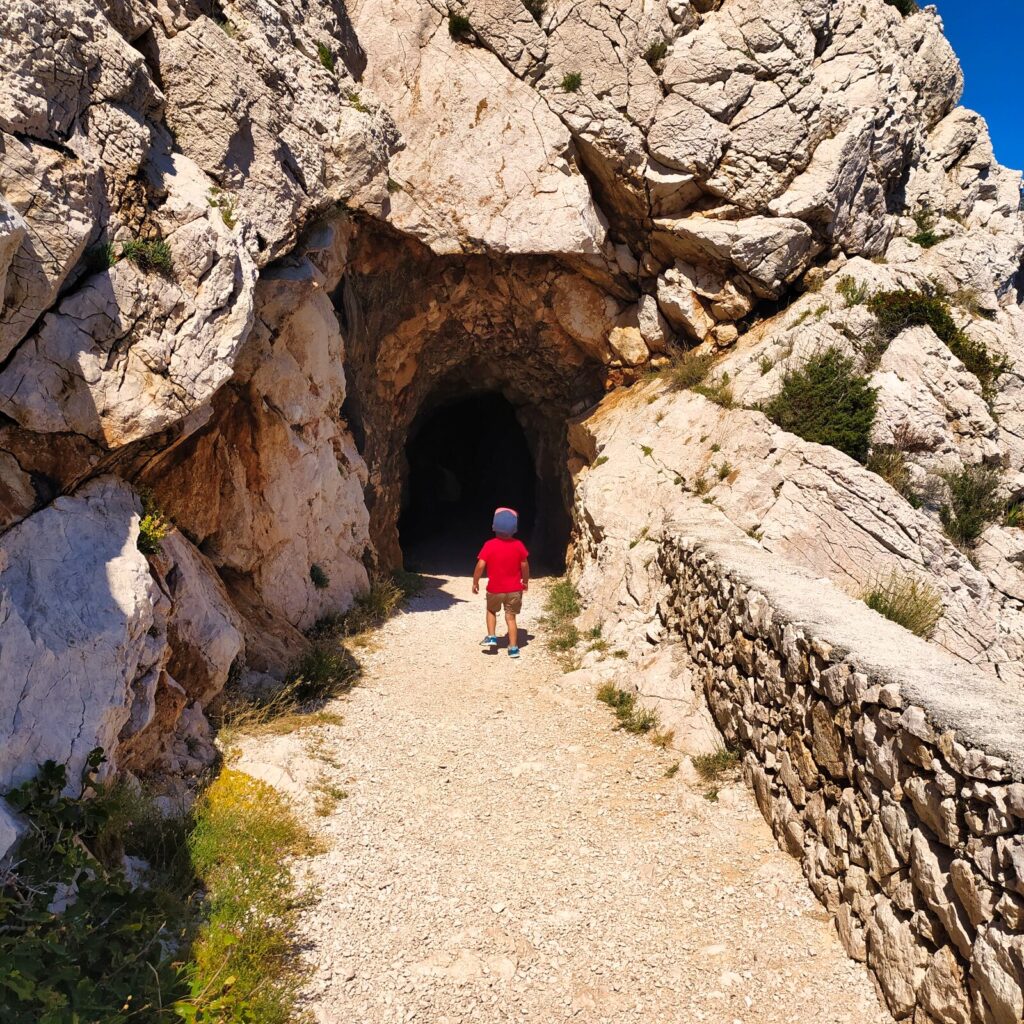
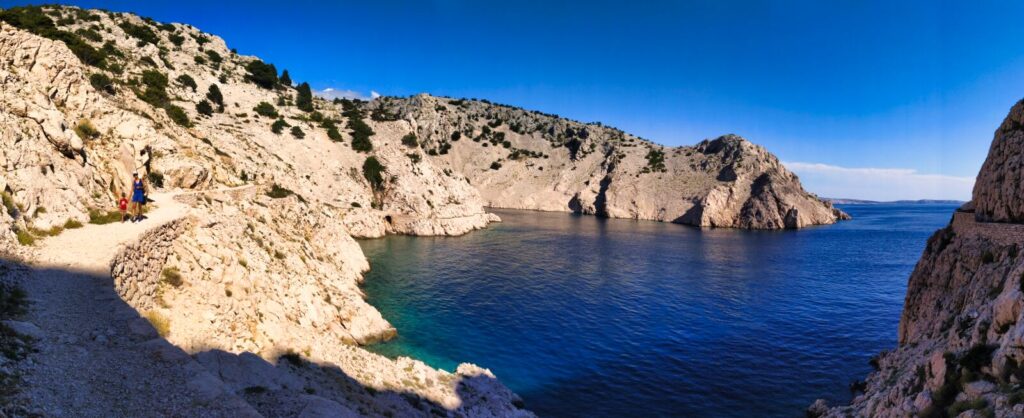
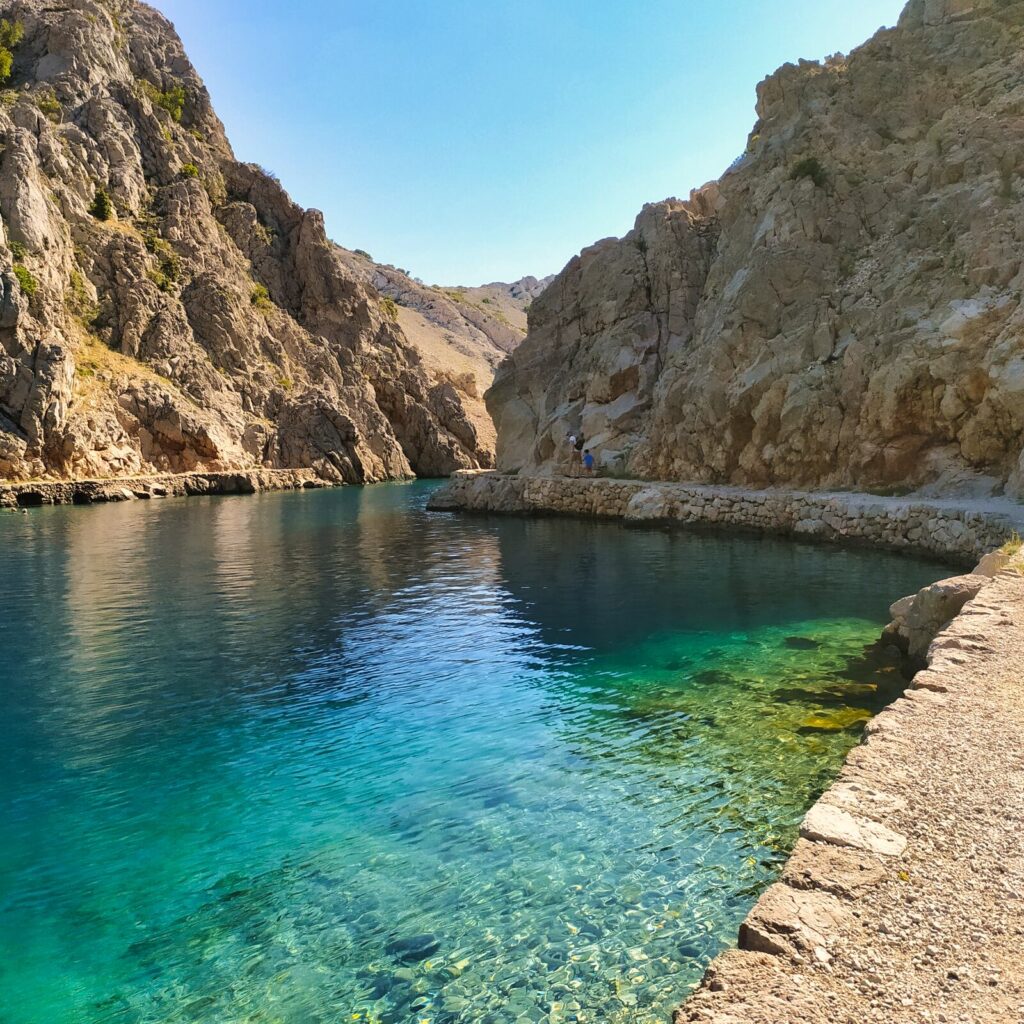
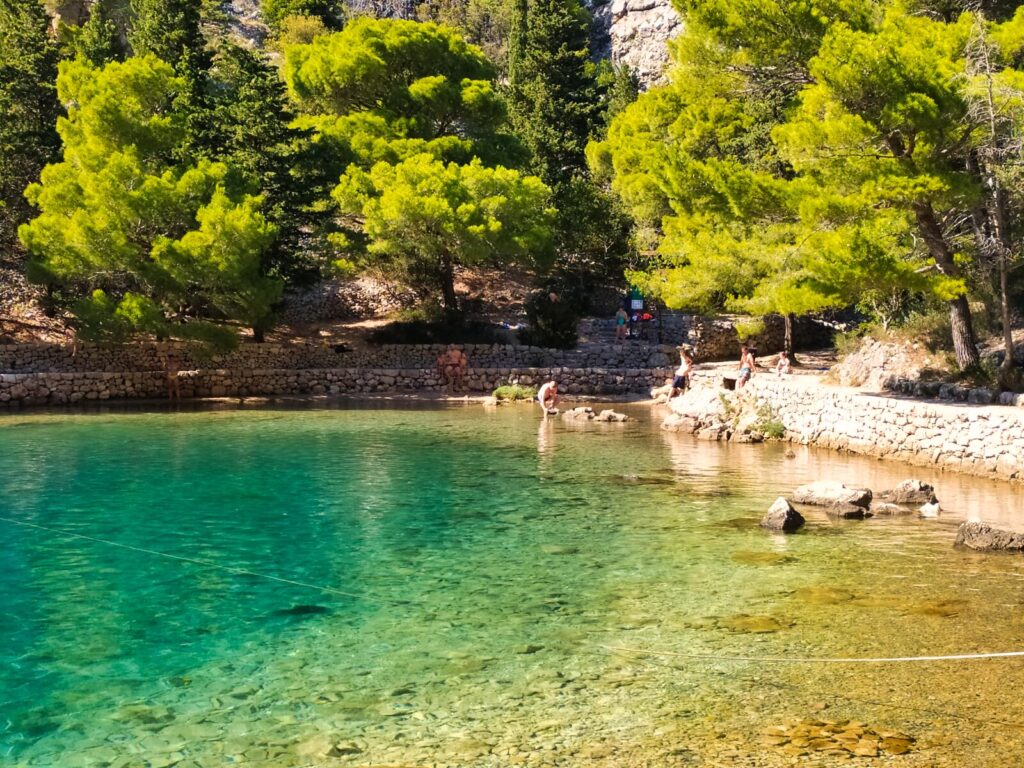
Entry along the bay trail requires payment as it’s part of Velebit National Park. Alternatively, boats and motorboats transport tourists from nearby harbors directly into the bay.
Nin Salt Works — Where Croatia’s White Gold Comes to Life

Booking a ticket to Nin’s Salt Museum provides fascinating guided tours through facilities dedicated to crystallization, harvesting, and salt history. This educational experience perfectly exemplifies Croatia for kids at its finest.
Following an engaging guide (English tours available), families walk among salt pools learning about ecological salt production, crystallization stages (visible in successive pools), and traditional hand-harvesting methods. Mountains of harvested salt, white transport carts, and tasting Croatia’s white gold create unforgettable experiences for children.
The abundance of birds choosing salt works as their home, frequently encountered nests, and constant chirping captivate young nature enthusiasts. This represents an excellent nature and Croatian tradition lesson rolled into one adventure.
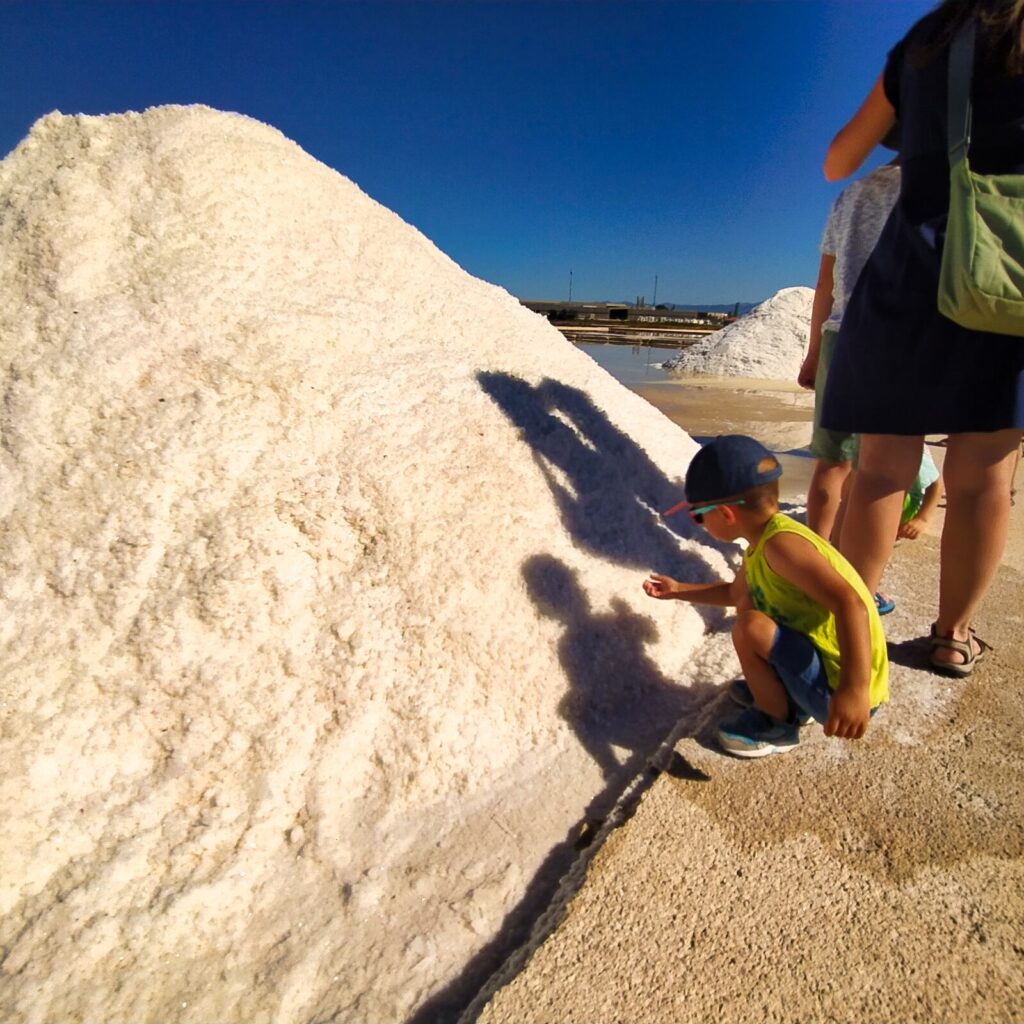
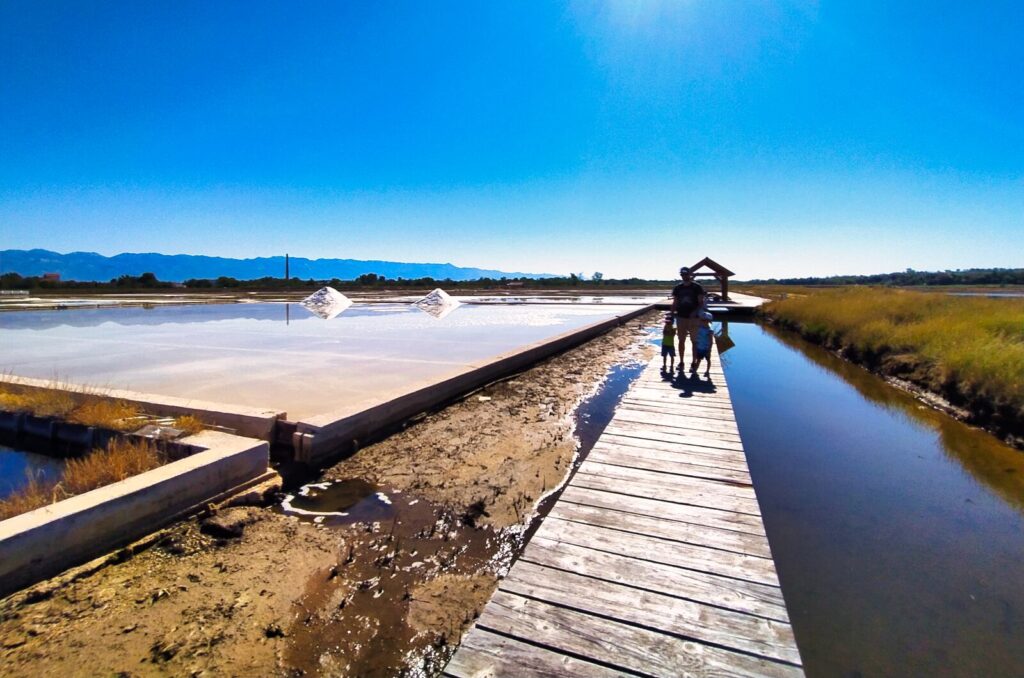
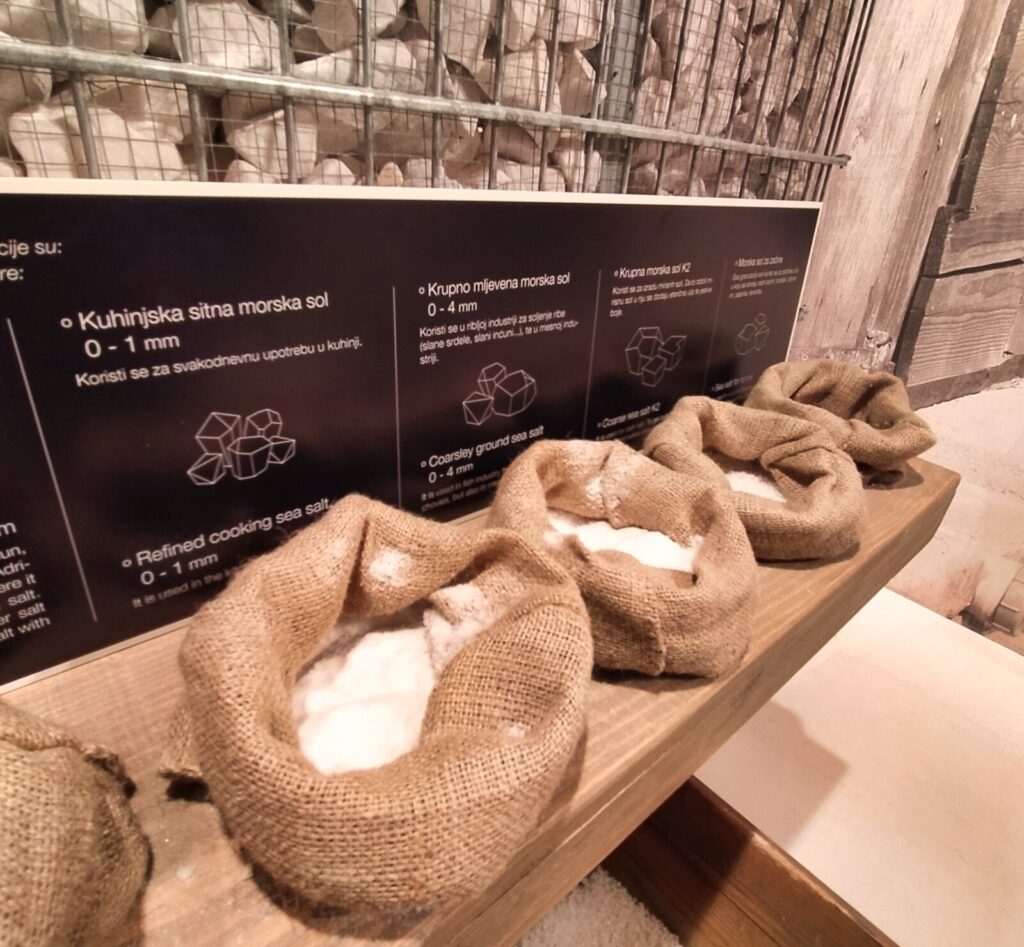
In 2020 (June/July), Wednesday tours were complimentary. The museum shop stocks salt in virtually every form imaginable — seasonings, confections, beverages, and cosmetics.
Nin Beach and Lagoon — Sandy Paradise for Families
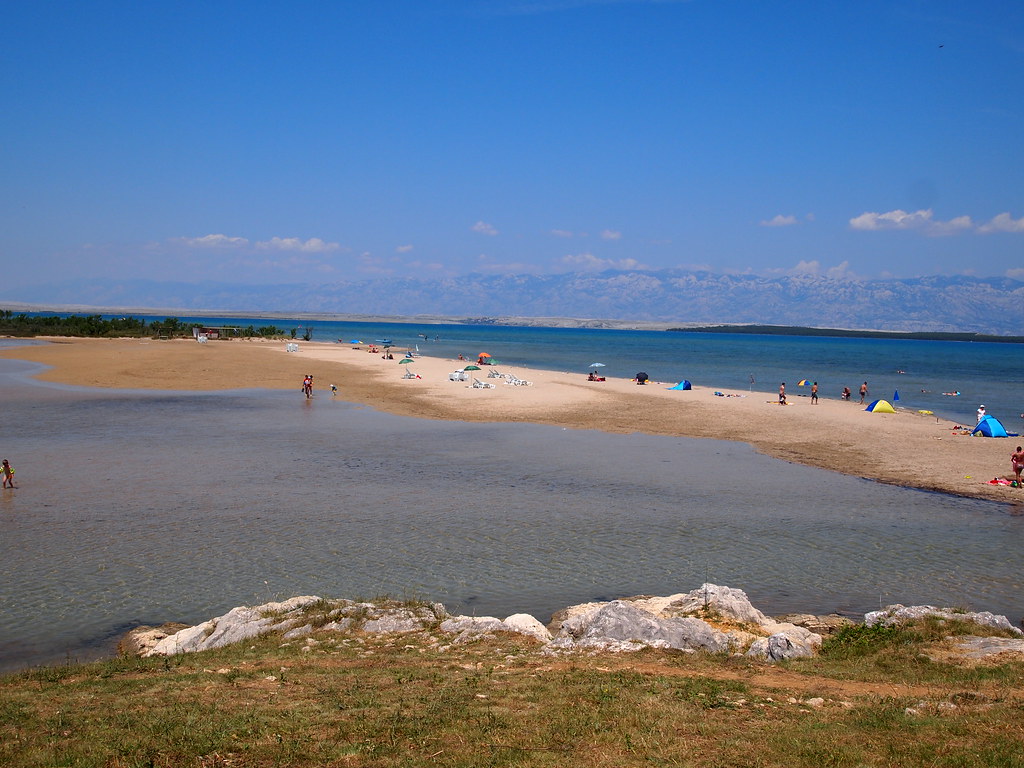
Here’s something Croatia doesn’t get enough credit for: Nin actually has real sandy beaches — and if you’ve spent any time on Dalmatian coast pebbles with small children, you’ll understand why that matters. This rarity in Croatia, where rocky and pebbled shores dominate, makes Nin Laguna an exceptional family holiday Croatia destination offering expansive sandy beaches with shallow, warmer-than-open-sea water and gentle slopes — ideal conditions for young beachgoers.
The beach caters excellently to family needs, featuring:
- Designated areas for beach activities and kitesurfing
- Children’s playground
- Sanitary facilities
- Wheelchair-accessible boardwalks
- Sunbed and umbrella rentals
- Nearby parking and dining options
Interestingly, the beach’s shape and size change with tides, providing additional fascination for curious children. The beach also offers stunning views of majestic Velebit mountains rising directly from the sea.
Planning a Nin visit with children warrants at least one full beach day. It’s perfect for little feet to run freely across soft sand while parents relax on comfortable loungers enjoying mountain views or the charming town panorama.
Zrmanje Canyon — Where Winnetou Rode
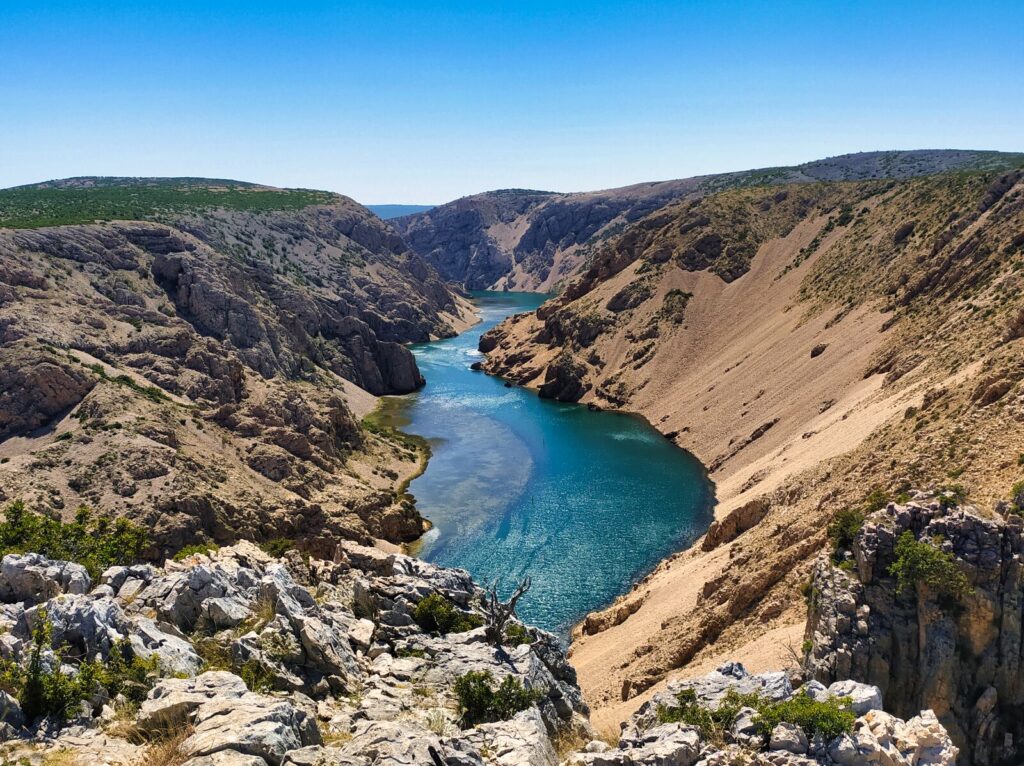
Remember Karl May’s fictional hero Winnetou? Or perhaps you’ve seen German-Yugoslav films about Chief Inchu-chuna’s son? Even if neither rings a bell, visiting the canyon where the most popular series film — Winnetou: Apache Gold — was shot proves worthwhile. Standing atop rocky heights, time seems suspended as you absorb endless vistas.
If we’re being straight with you — this one is more for the adults and older kids. Our 8-year-old was underwhelmed by the viewpoint itself, though the drive through the canyon kept him pressed against the window the whole time. Factor that in.
Zrmanje River Canyon sits near Zadar. Simply input “Pueblo Plato viewpoint” into GPS for direct navigation. High-clearance vehicles reach the destination without difficulty, though standard cars can park about 900 meters earlier at dirt road intersections, completing the journey on foot.
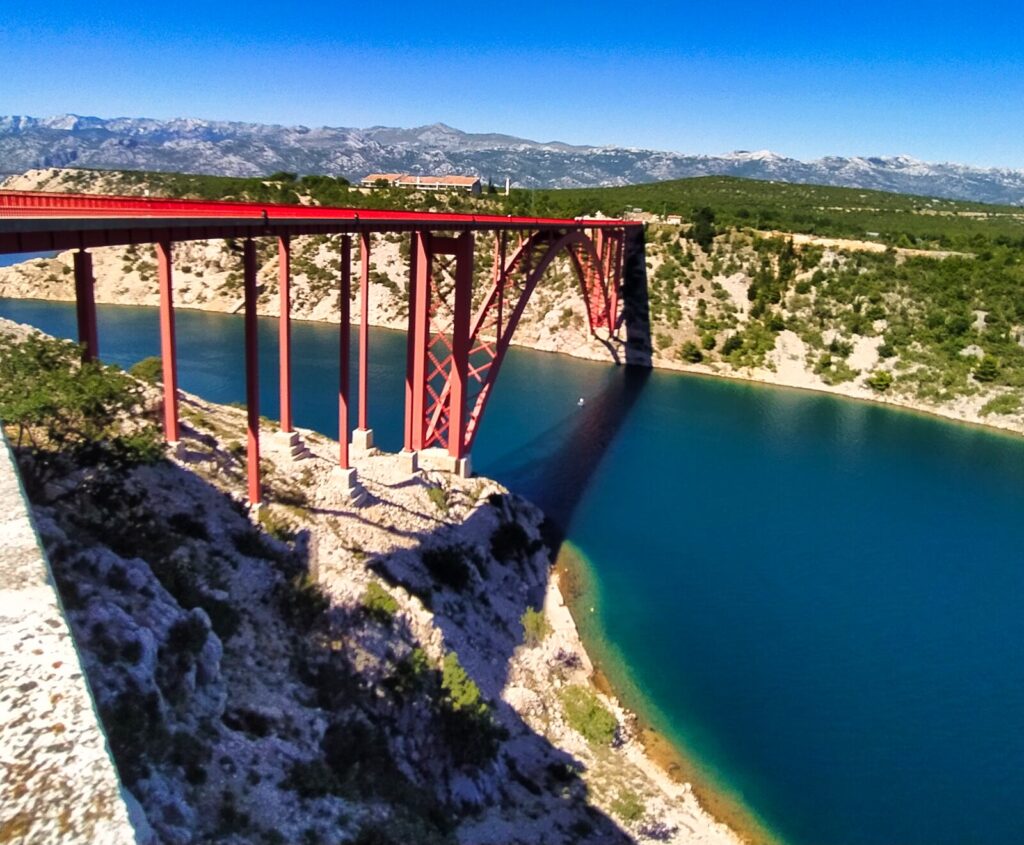
Relatively nearby stands another attraction — Maslenica Bridge, where adrenaline seekers can experience bungee jumping.
Baredine Cave — Istria’s Underground Wonder
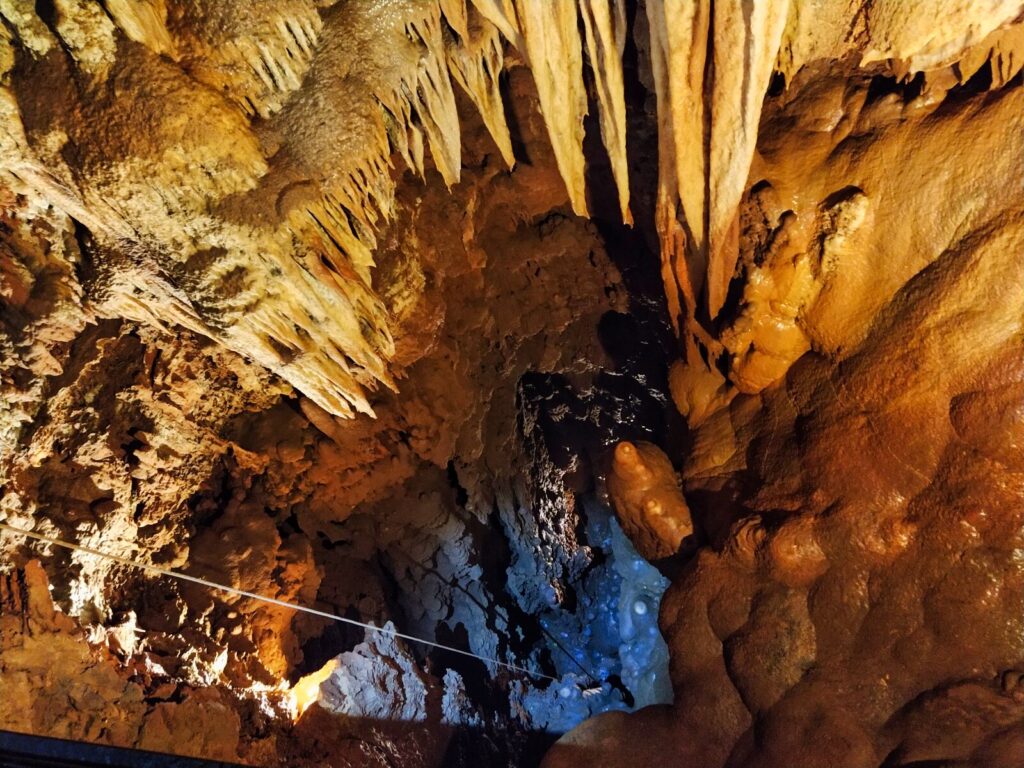
Baredine Cave holds the distinction of being Istria’s first cave opened for public exploration, located 6 kilometers from Poreč.
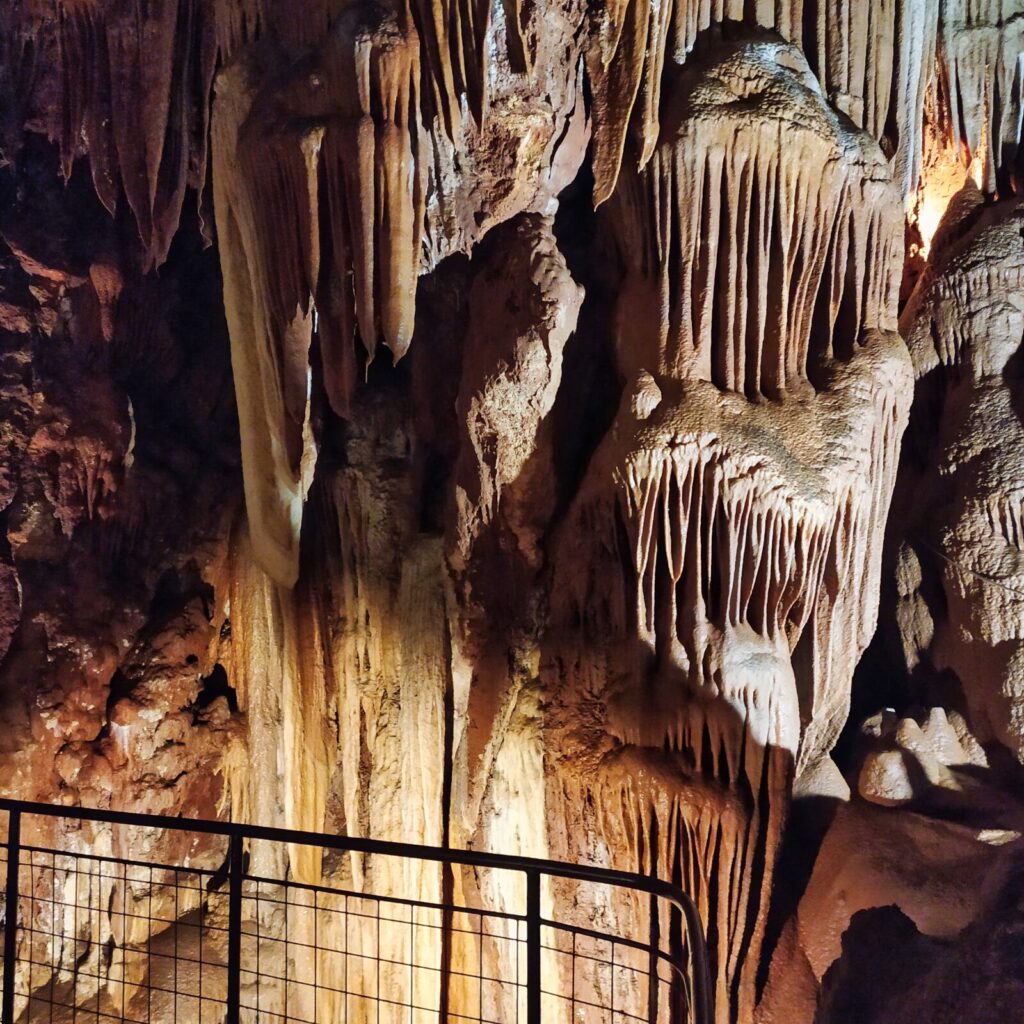
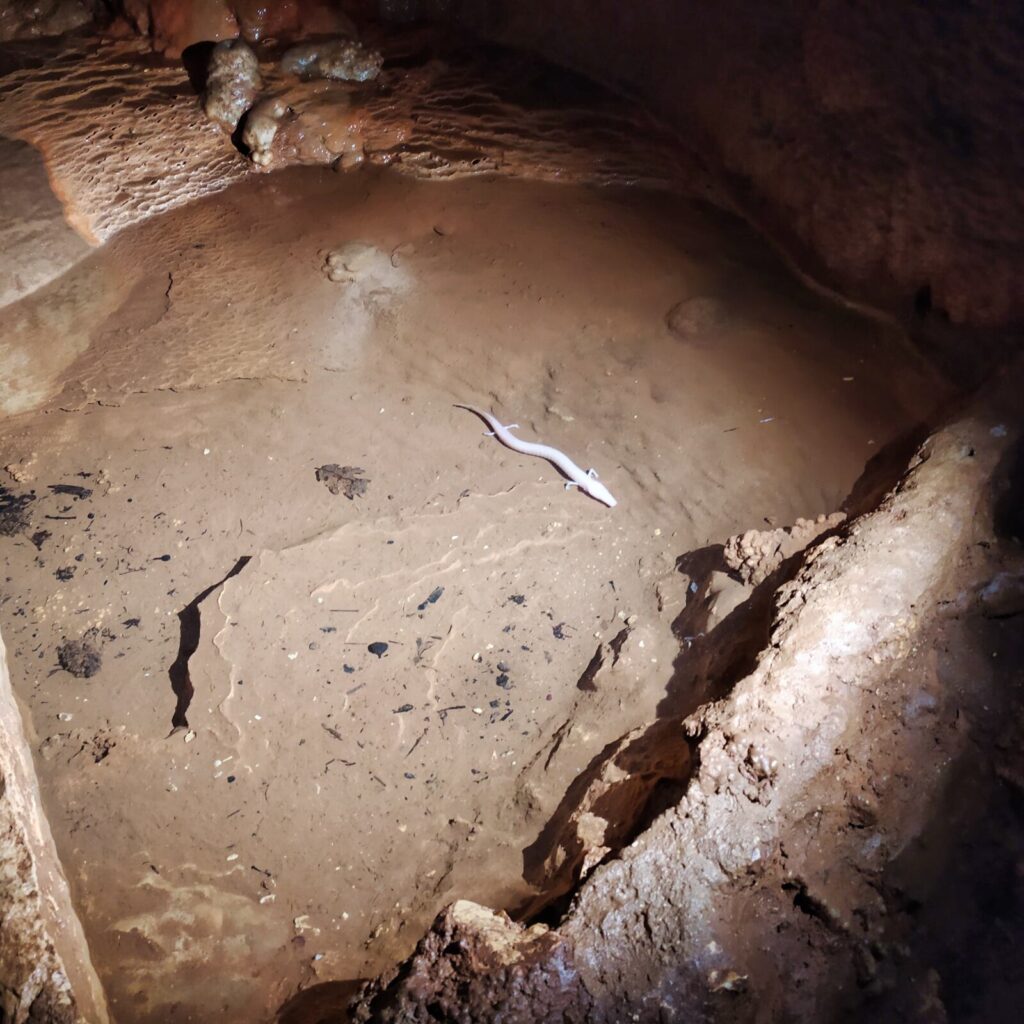
Guided tours descend 60 meters underground every 30 minutes, revealing features that particularly delight children: an underground lake, five magnificently decorated chambers, and opportunities to spot the cave salamander — an endemic amphibian species.
The cave ensures child safety with excellent lighting, solid railings on paths and stairs, and consistent 14°C temperatures year-round.
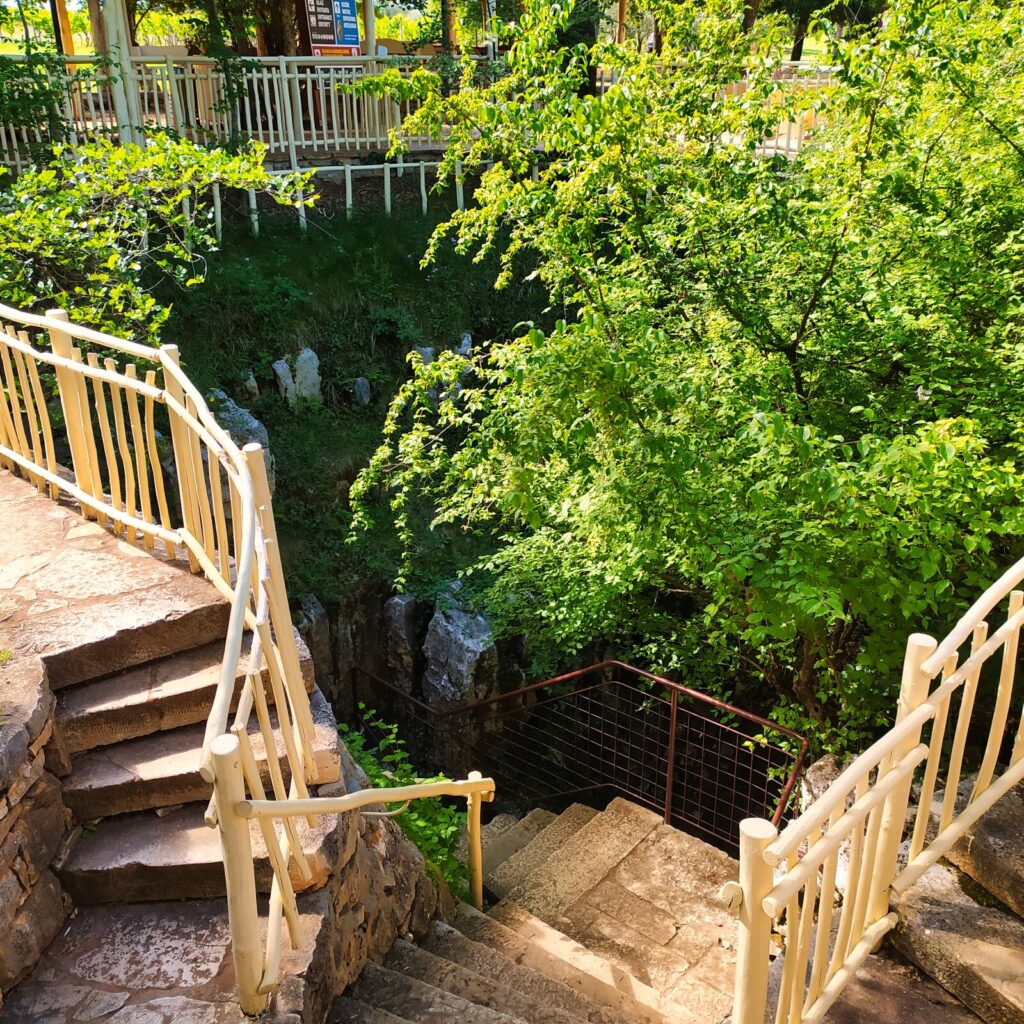
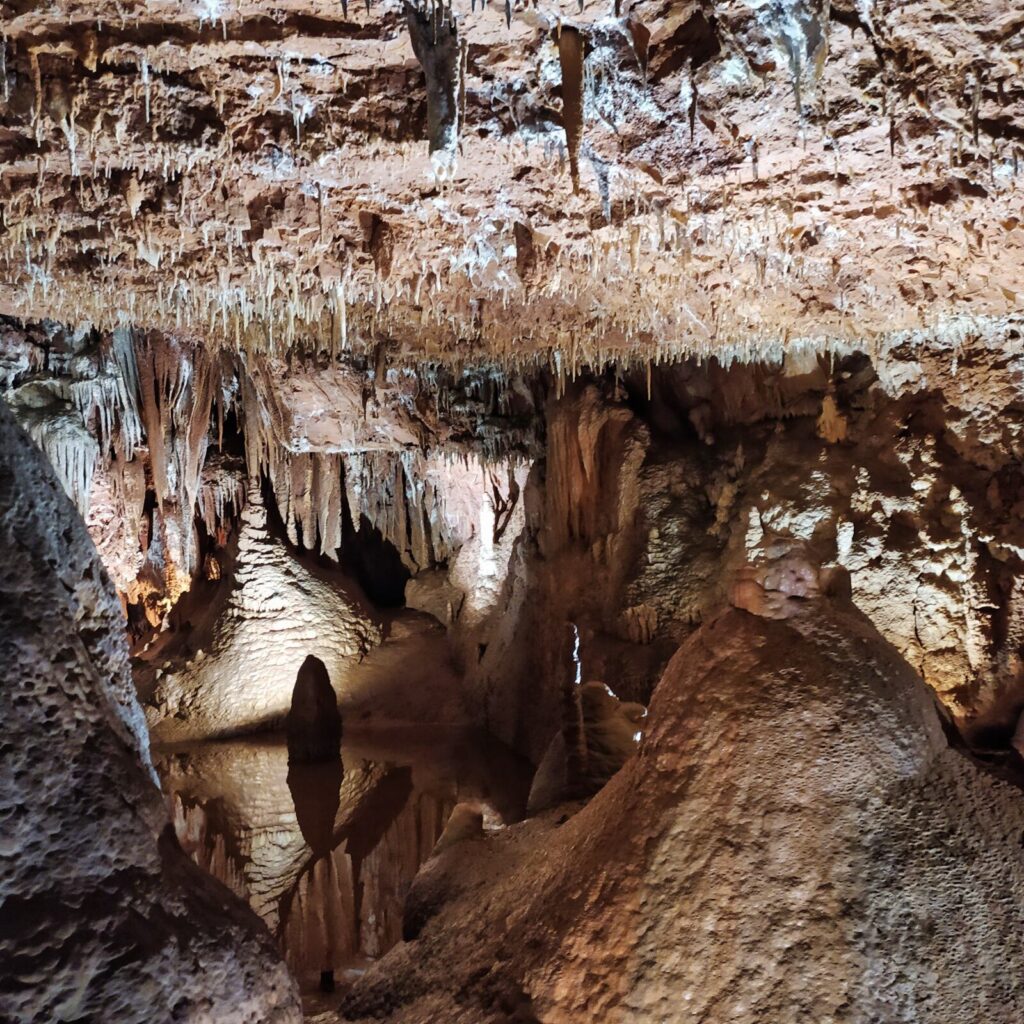
Adjacent facilities include an Agricultural Machinery Museum, substantial geological exhibitions, and rope climbing courses.
Brijuni National Park — Islands of Wonder
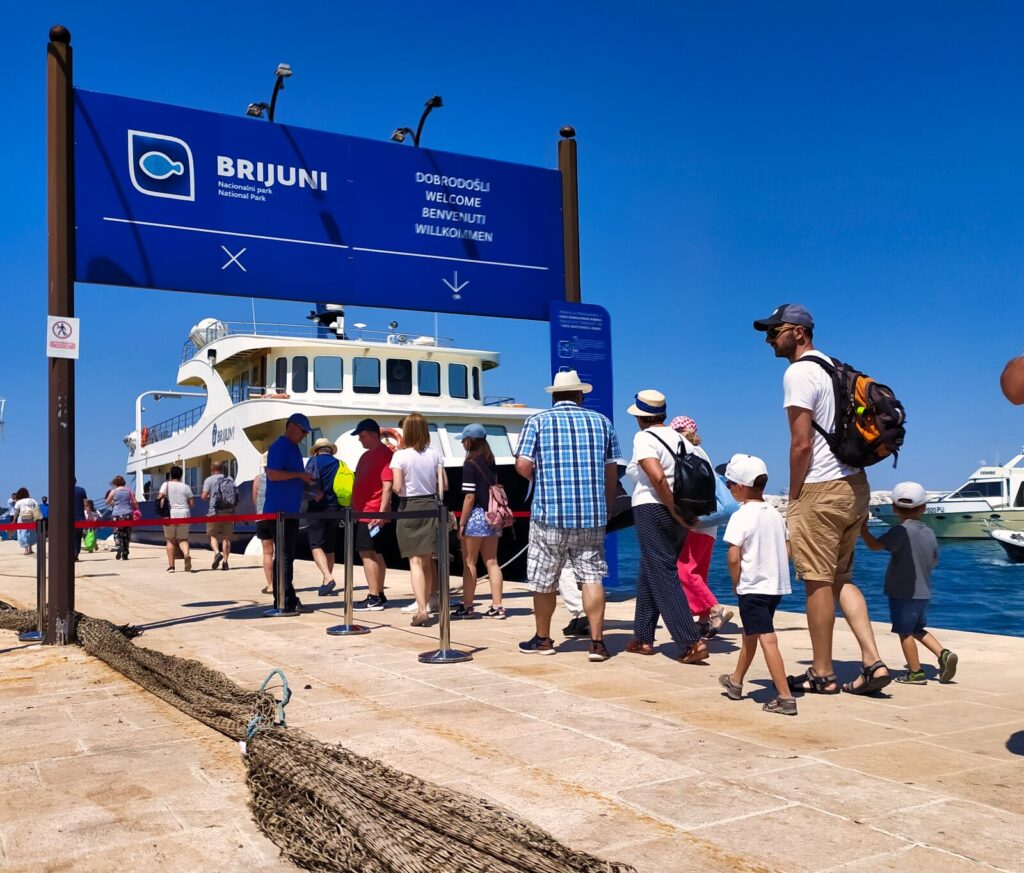
Brijuni National Park sits off Istria’s southwestern tip — fourteen islands that became a National Park in 1983 and, in our experience, one of the most genuinely memorable days you can have with kids anywhere in Croatia. This archipelago became a National Park in 1983, representing one of the best cities to visit in Croatia for families seeking unique experiences.
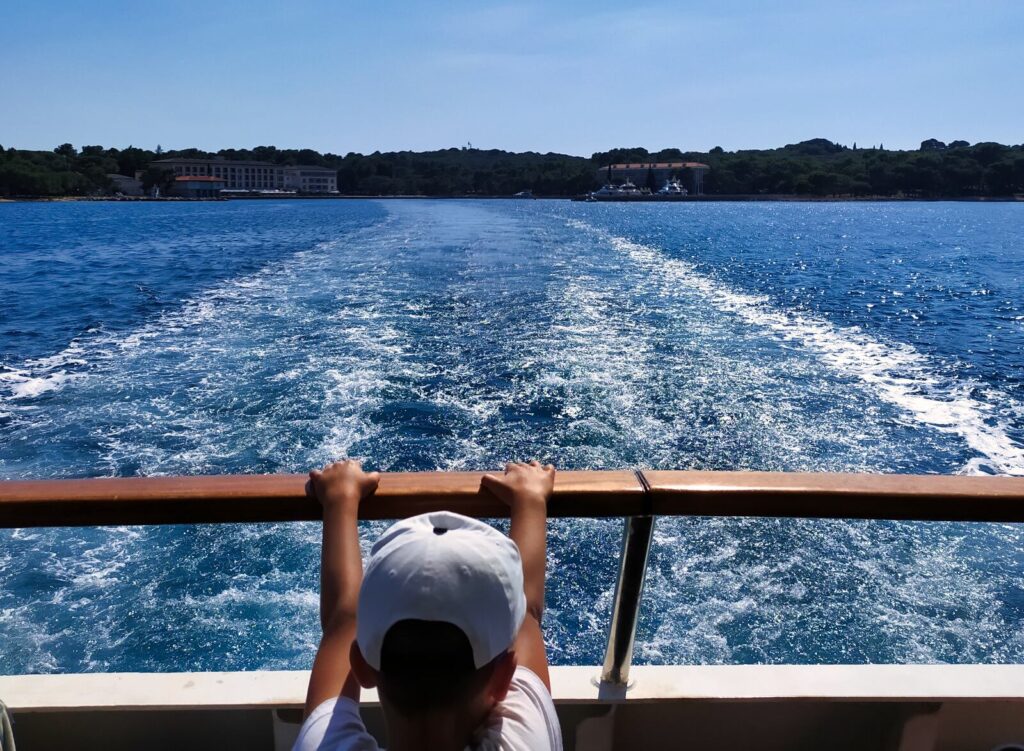
Most of the largest island welcomes visitors arriving by ferry from Fažana. Purchase tickets online or at the National Park office beside the departure port.
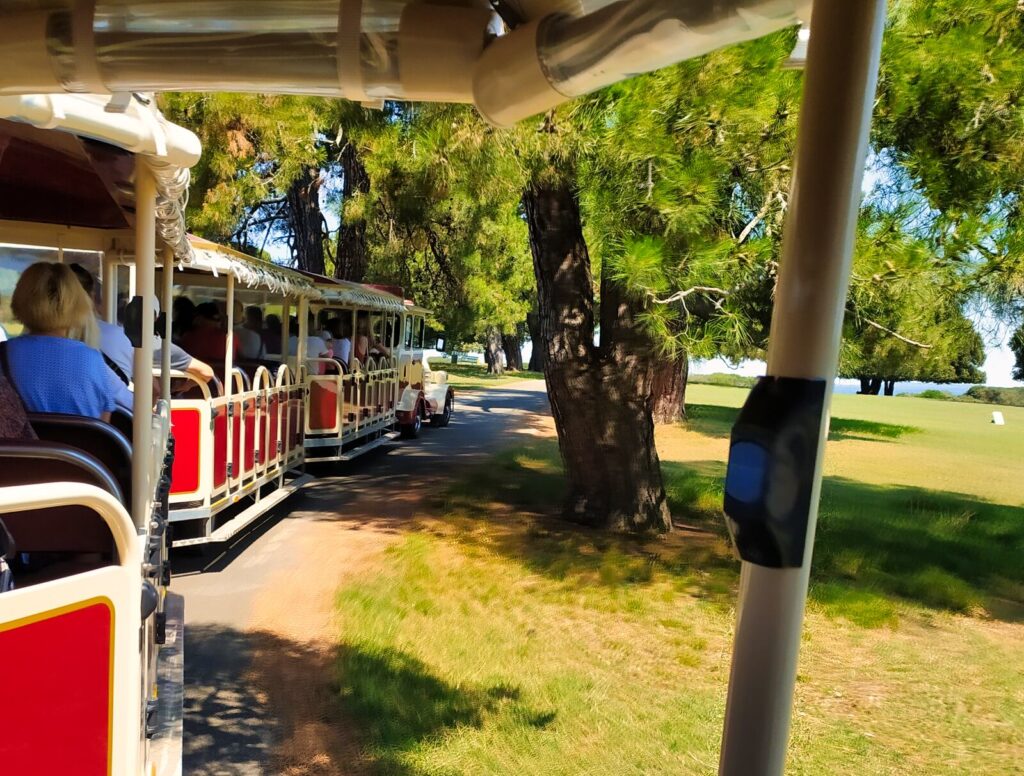
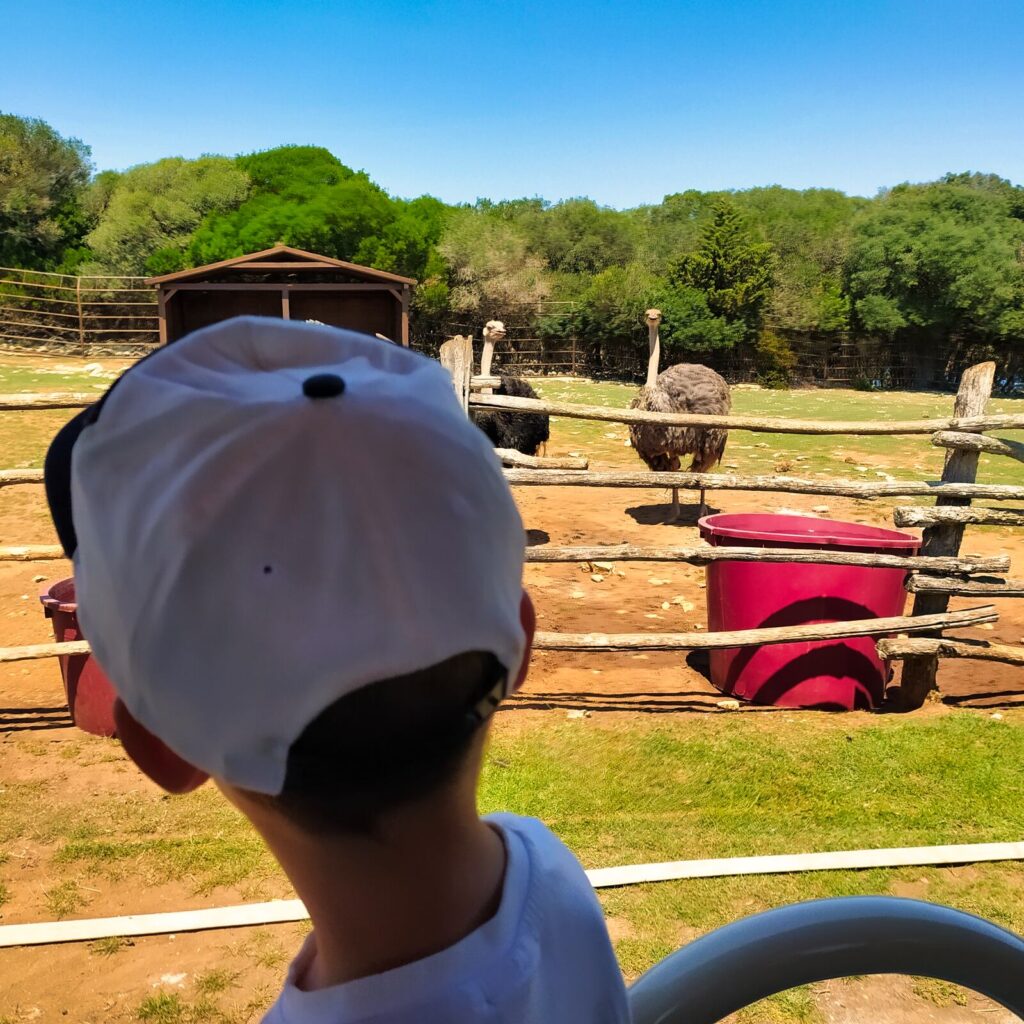
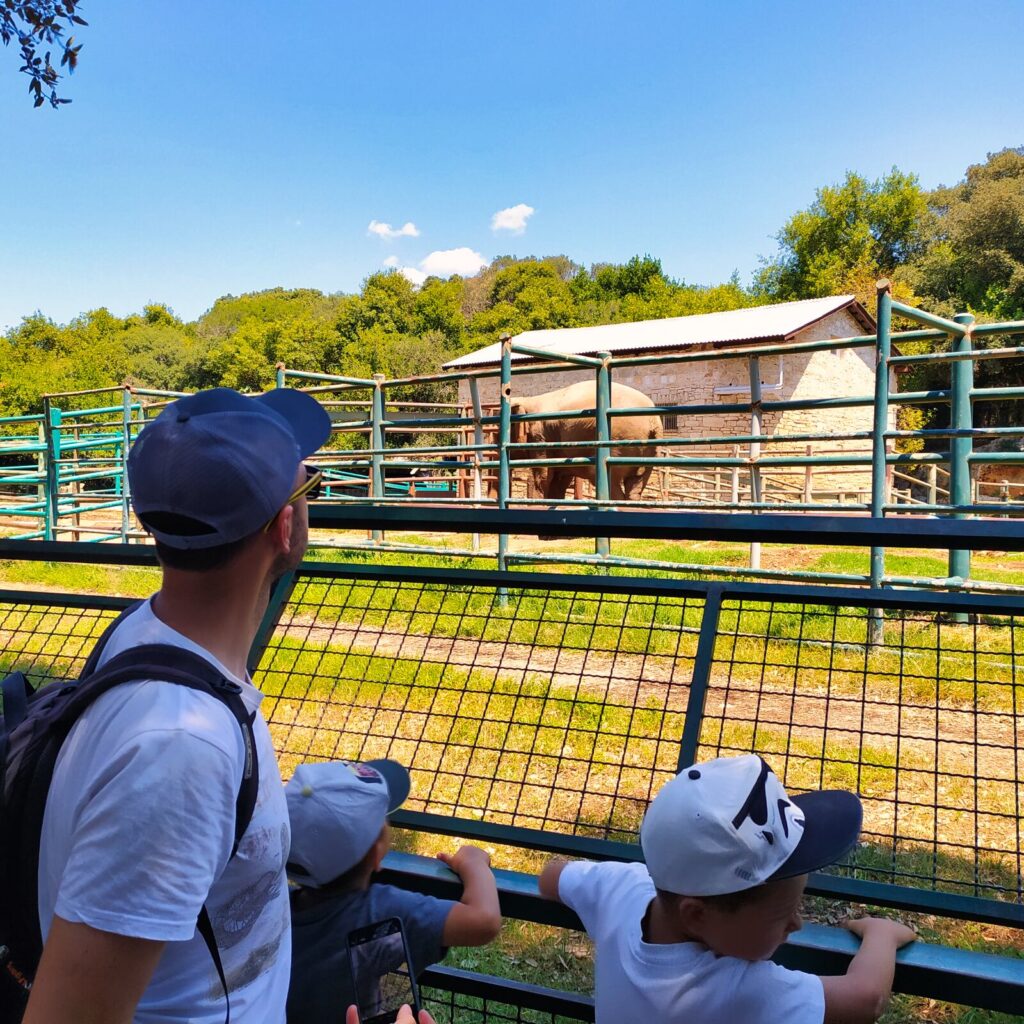
Island transportation includes walking or train rides (included with ferry tickets). Children can search for dinosaur tracks, explore Roman villa ruins, chat with Koki the parrot, observe free-roaming zebras and giraffes, visit the interactive “Boathouse” marine museum, and admire Tito’s Cadillac (both miniature and full-size versions).
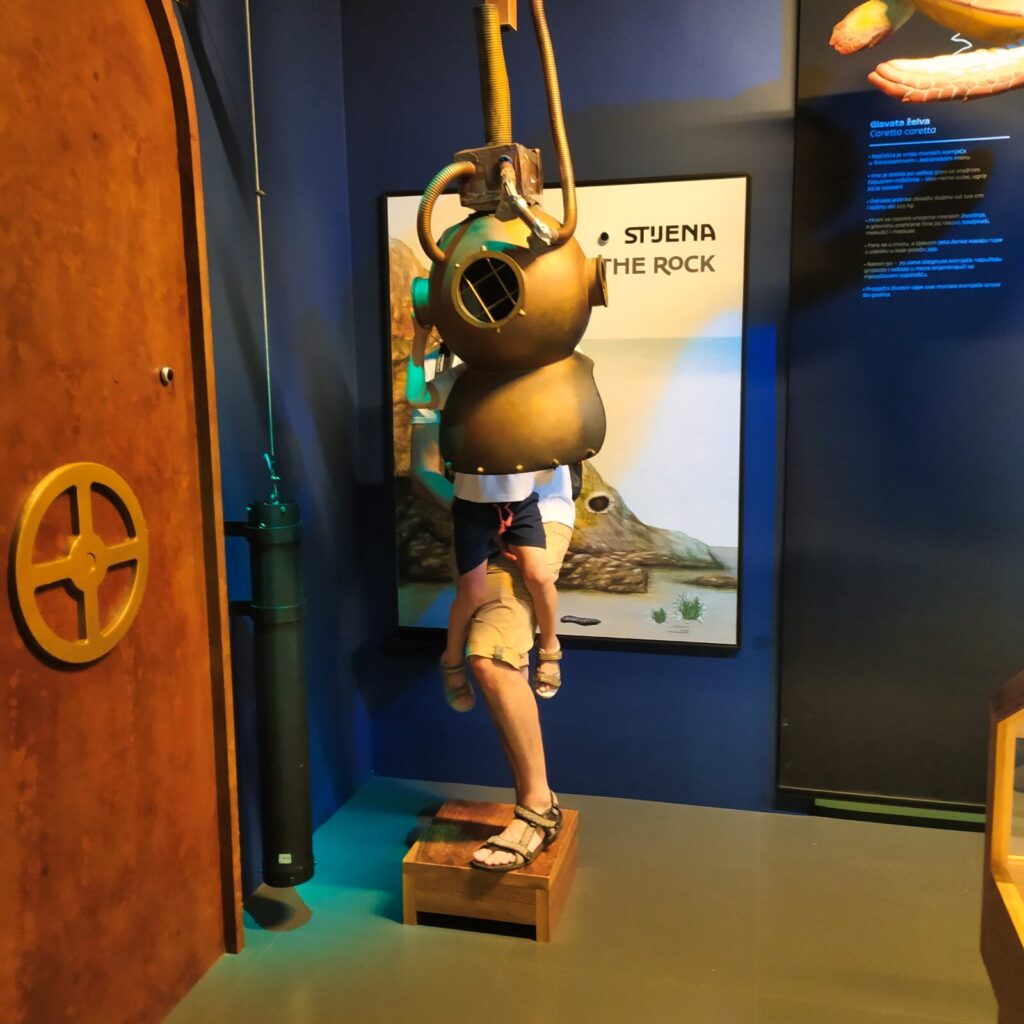
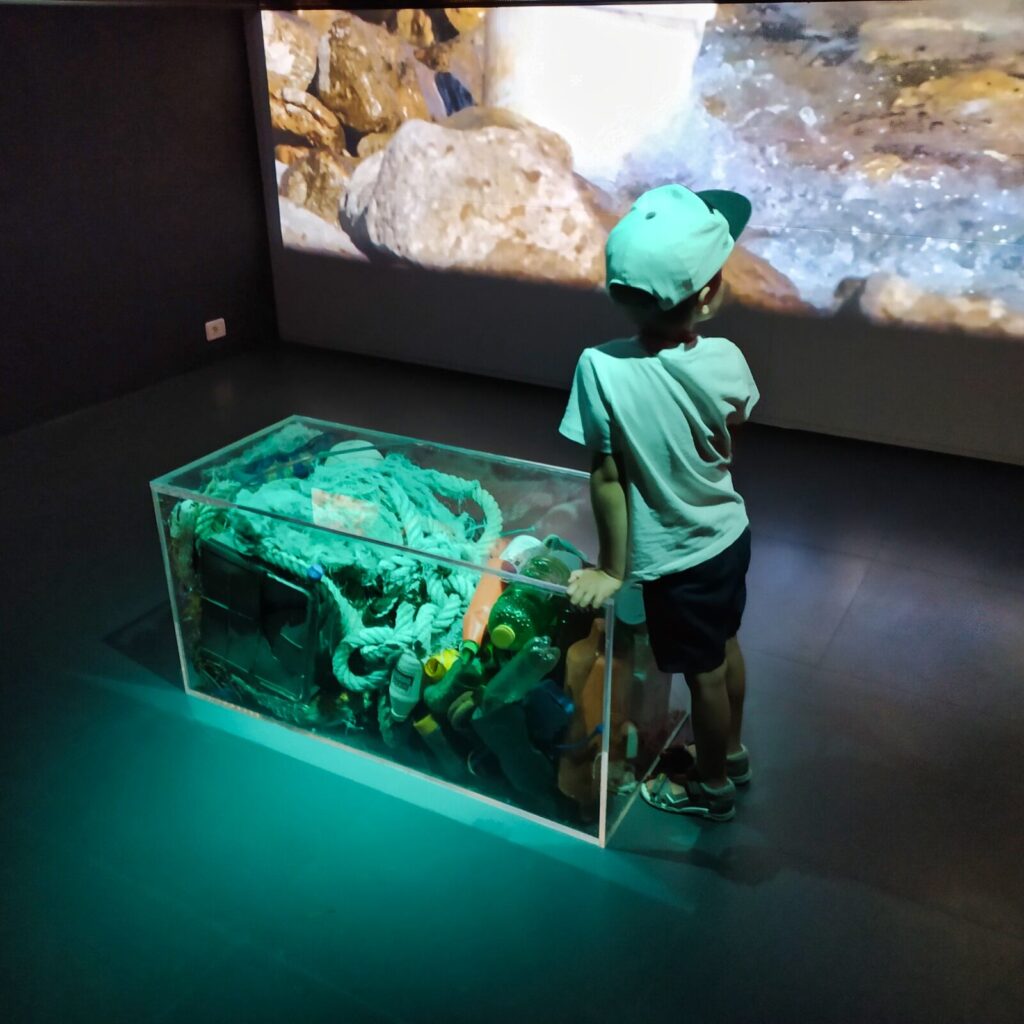
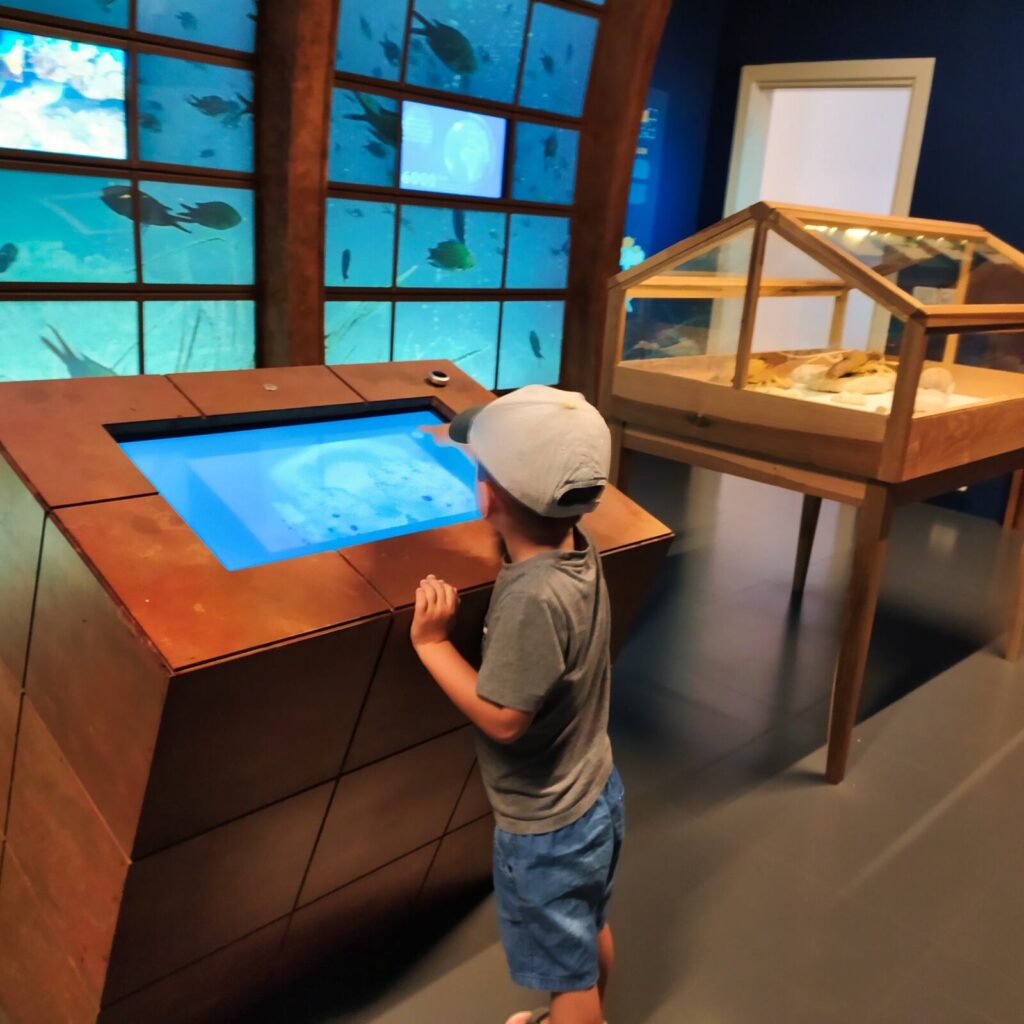
Croatia with kids without the Brijuni Islands? Absolutely not! Book tickets in advance to secure your spots.
Motovun — Tuscany in Croatia
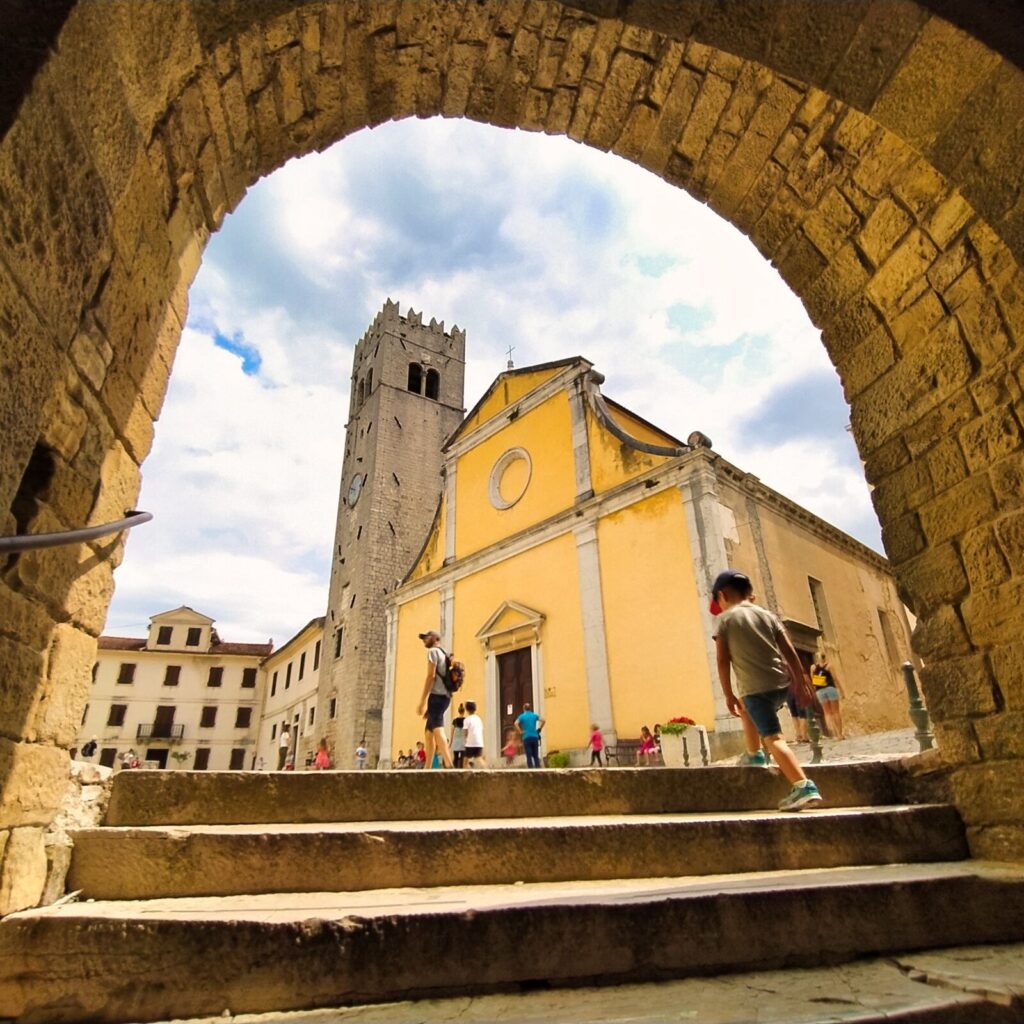
Motovun presents a hilltop town exuding medieval atmosphere — thick walls surrounding the settlement (walkable with purchased tickets), historic houses, and narrow streets create an authentic time-travel experience.
During our June 2020 visit, pandemic restrictions left the town beautifully quiet. We peacefully sat in the main square, savoring truffle aromas (a local specialty) and freshly roasted coffee while gazing at vineyard fields below.
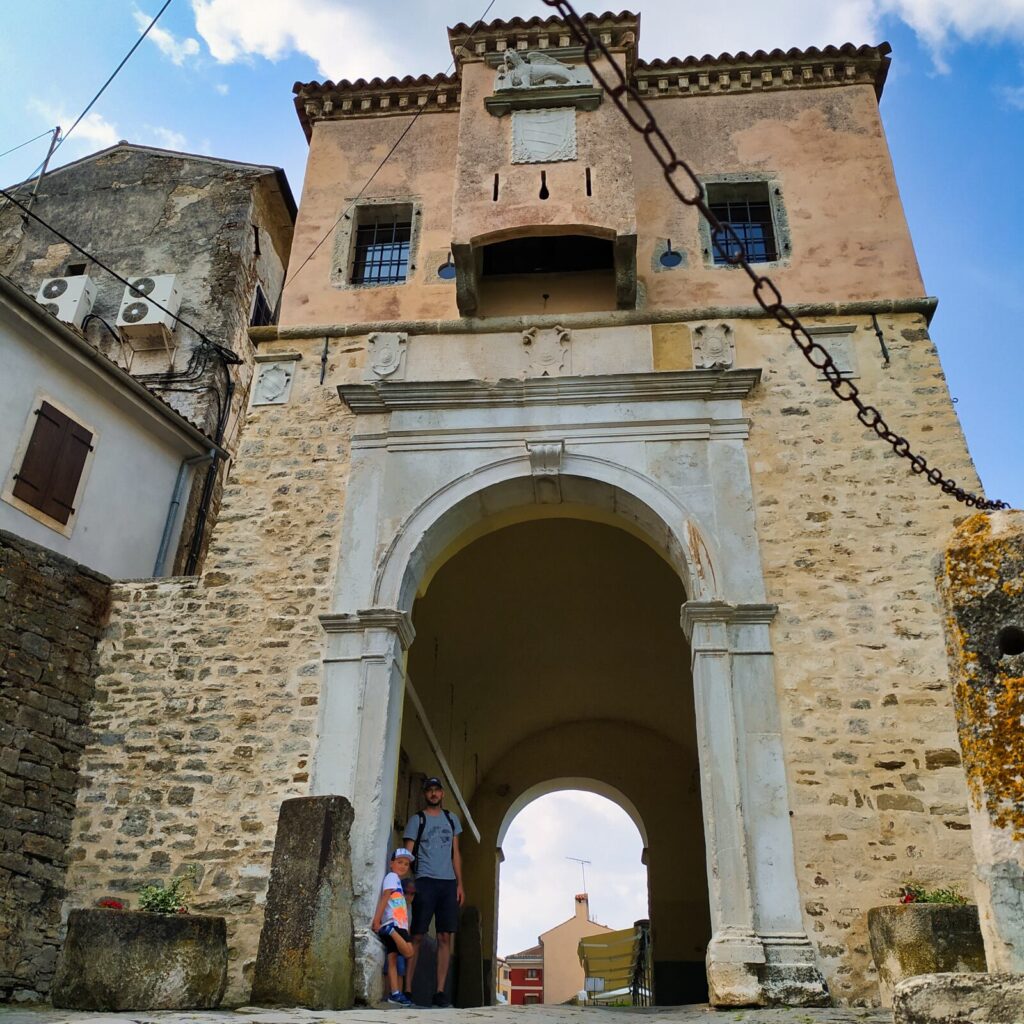
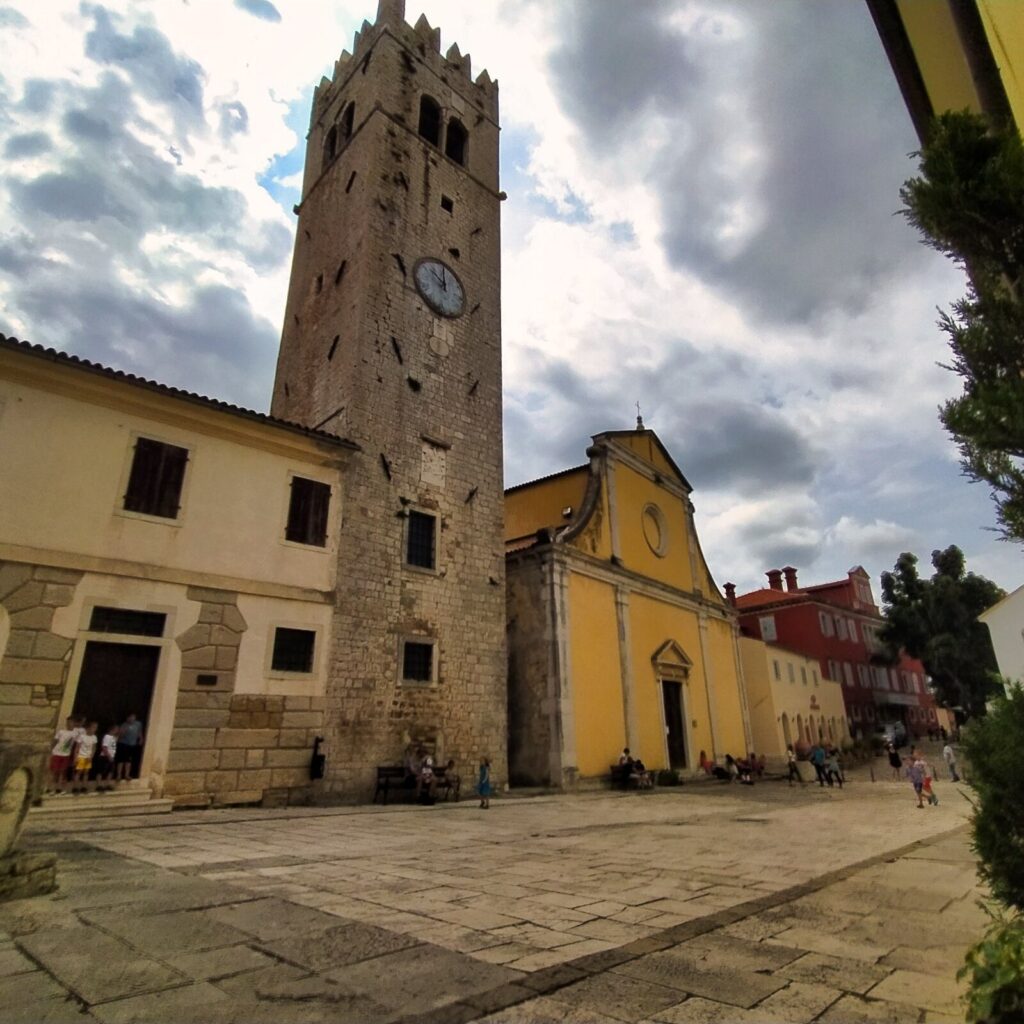
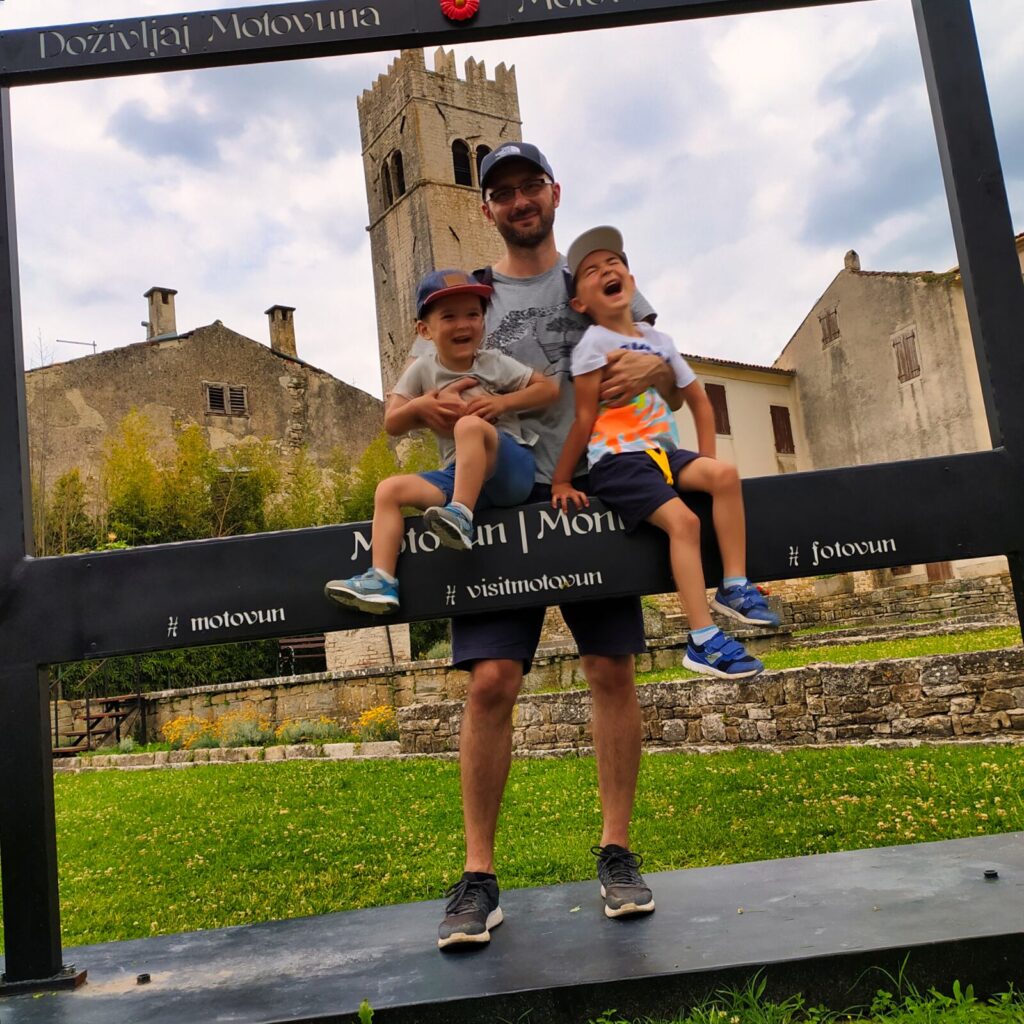
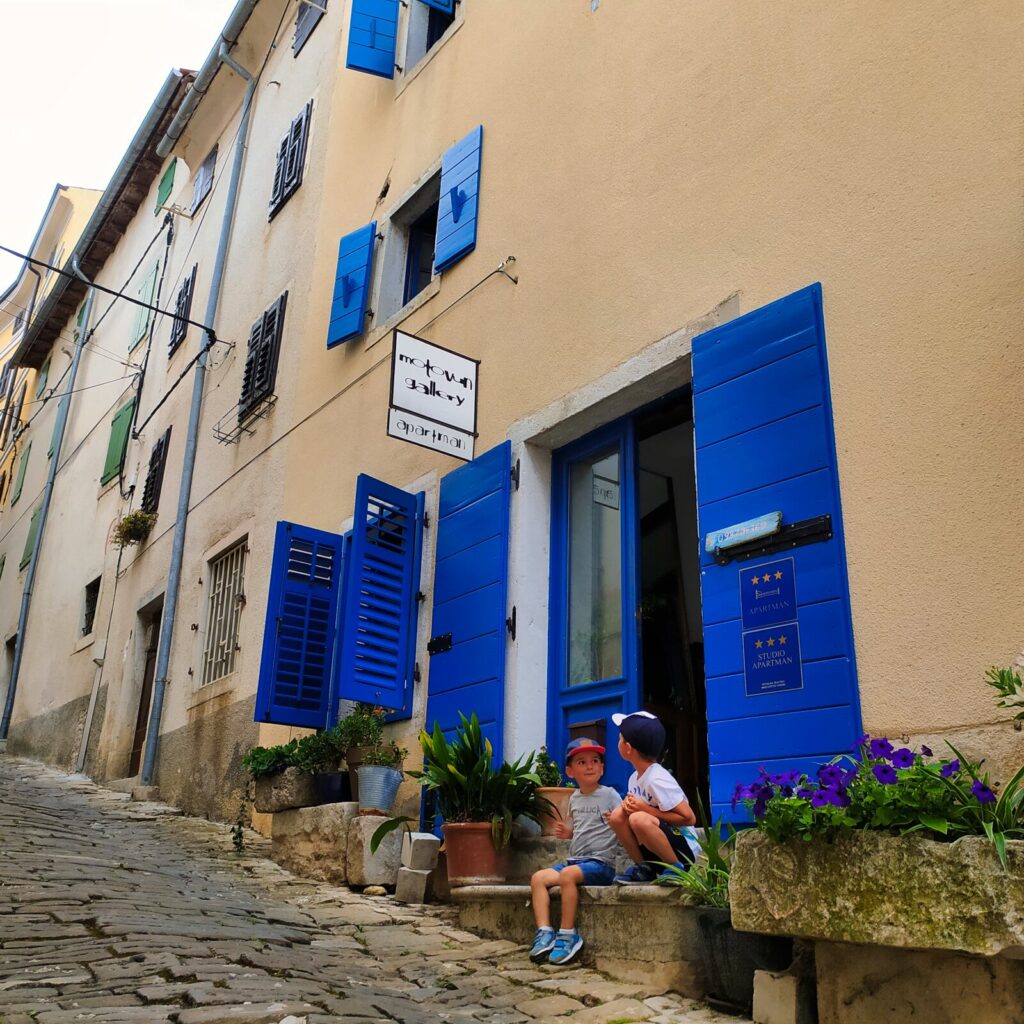
Well-marked roads lead to the town. Cars must park outside the walls (lower or upper parking areas) since only residents and municipal services enter the gated area.
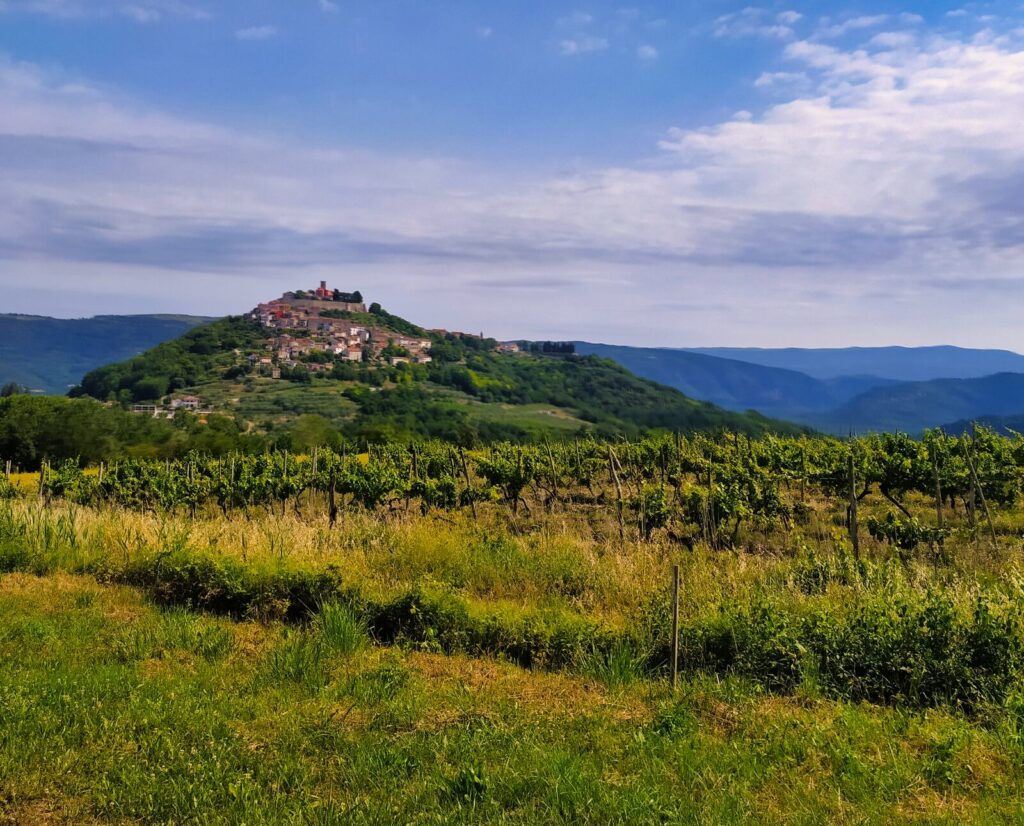
Stop at Motovun Photo Point viewpoint for spectacular panoramic town views.
Bale Valle — Stone Village Charm
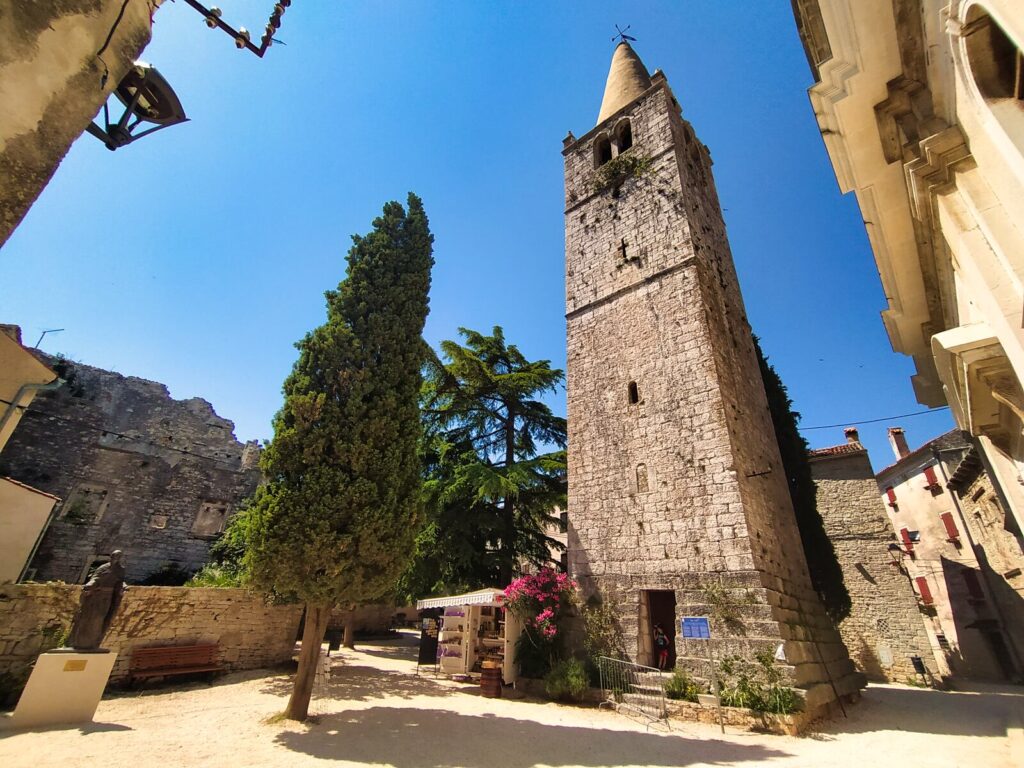
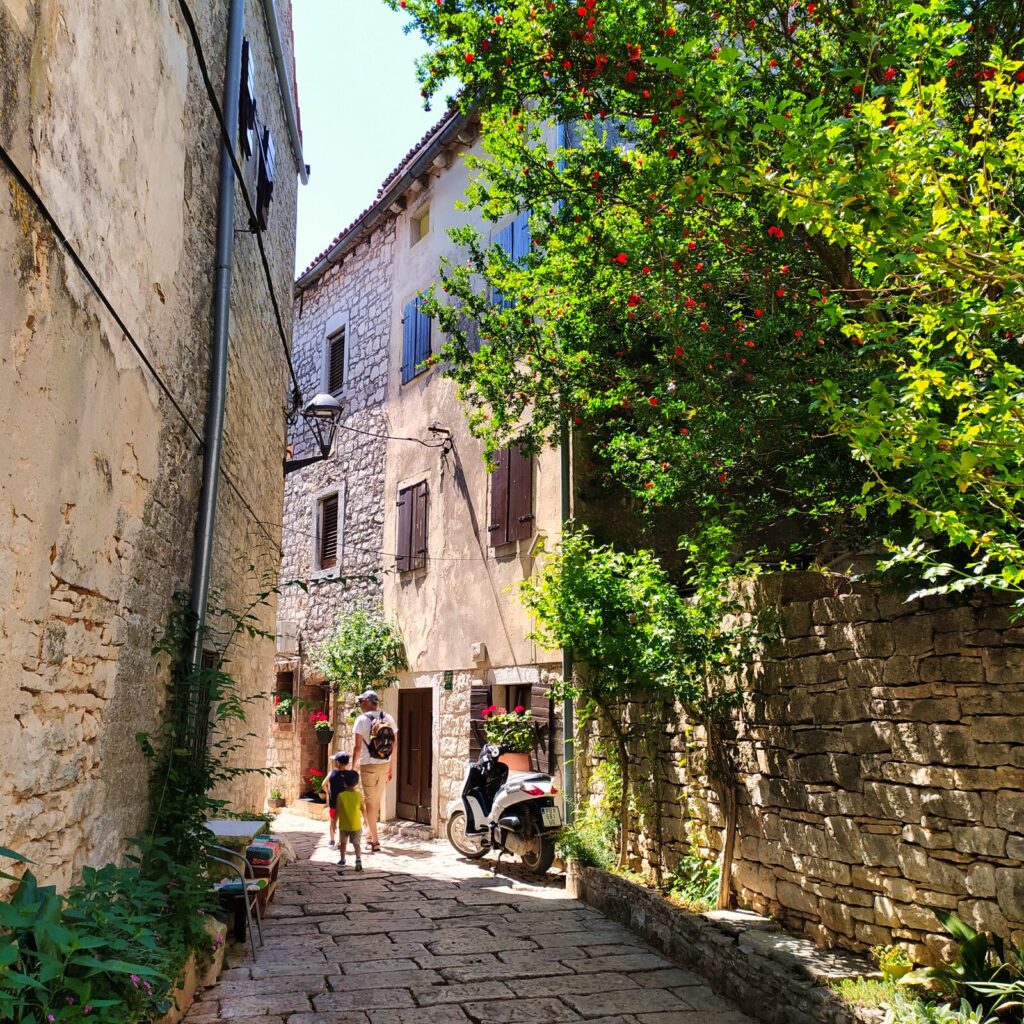
Bale Valle presents a small stone village with narrow streets and atmospheric buildings. A tower (possibly medieval), church (featuring Venetian-style façade), and market square create perfect settings for family exploration.
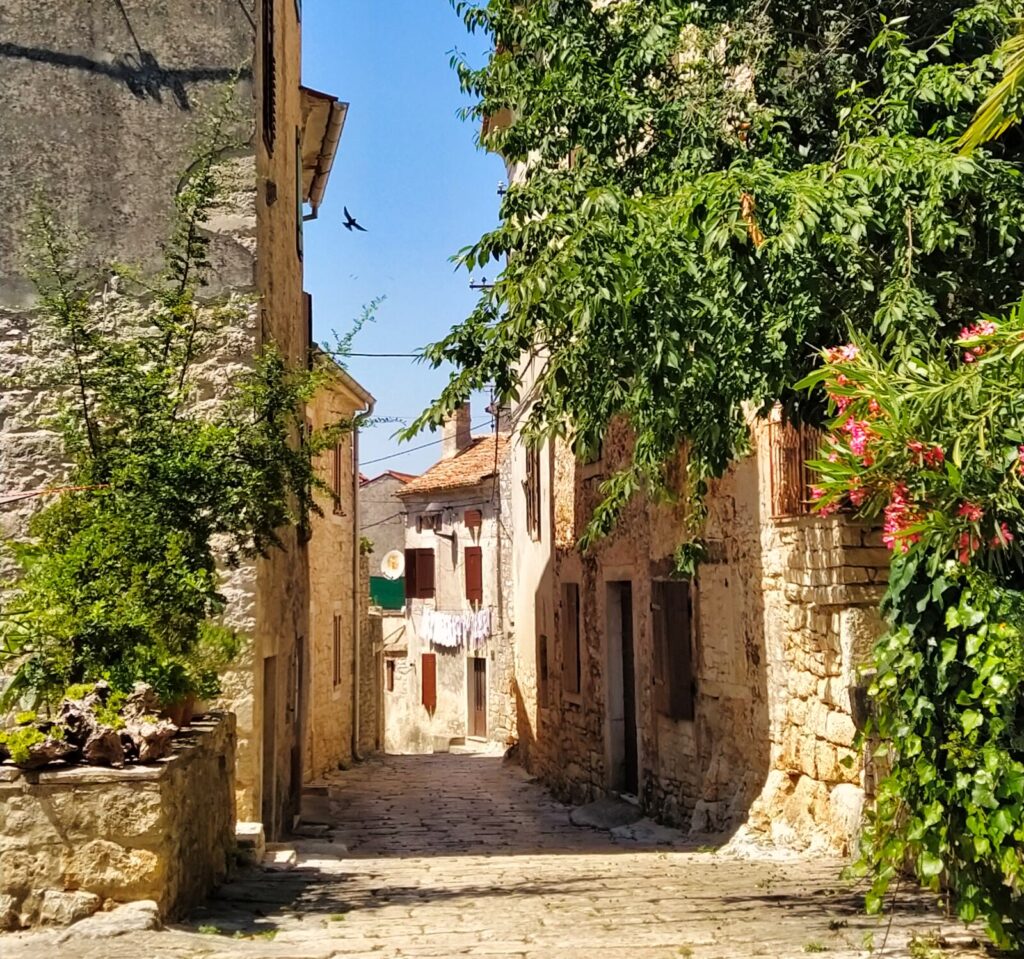
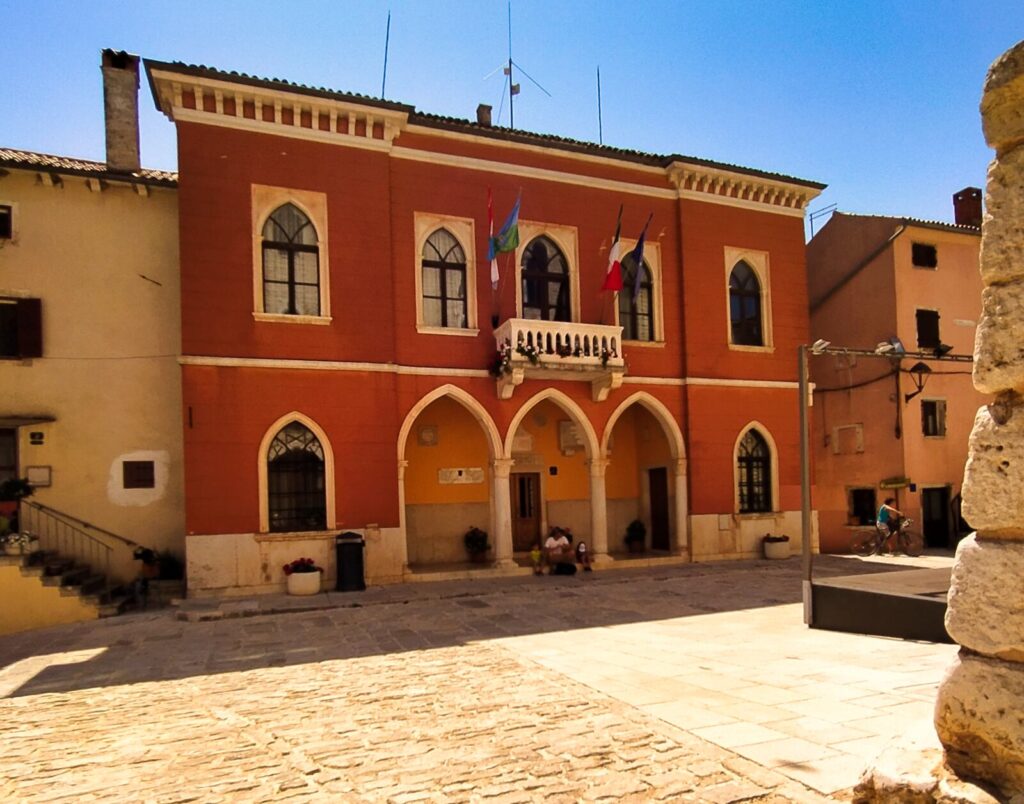
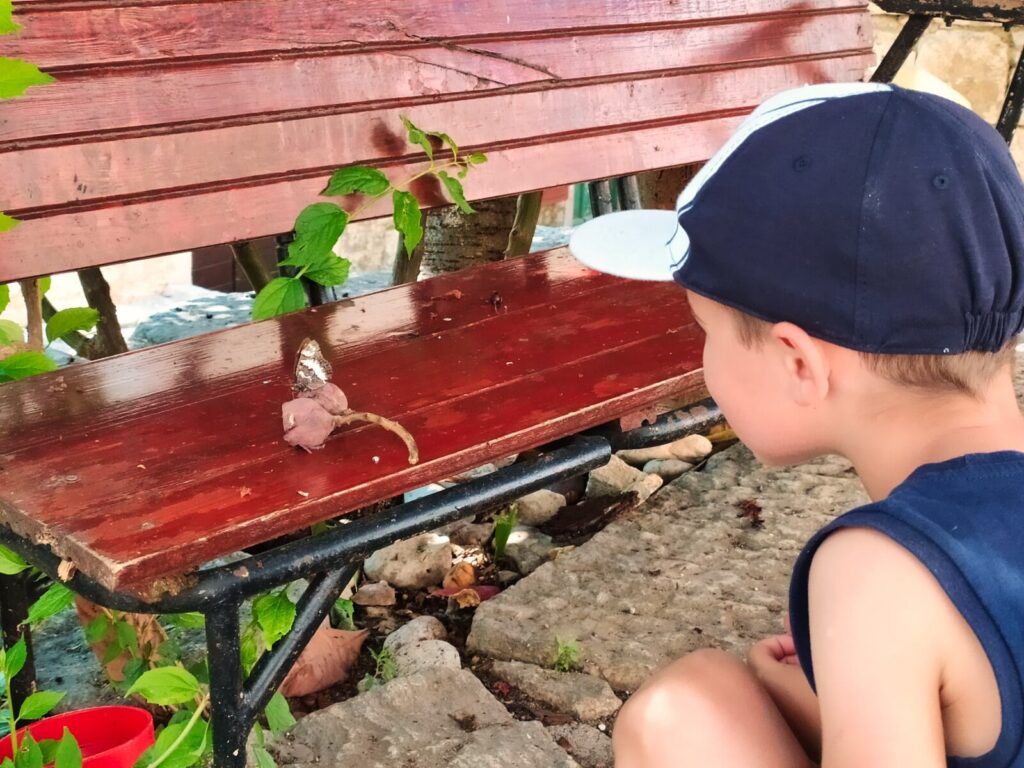
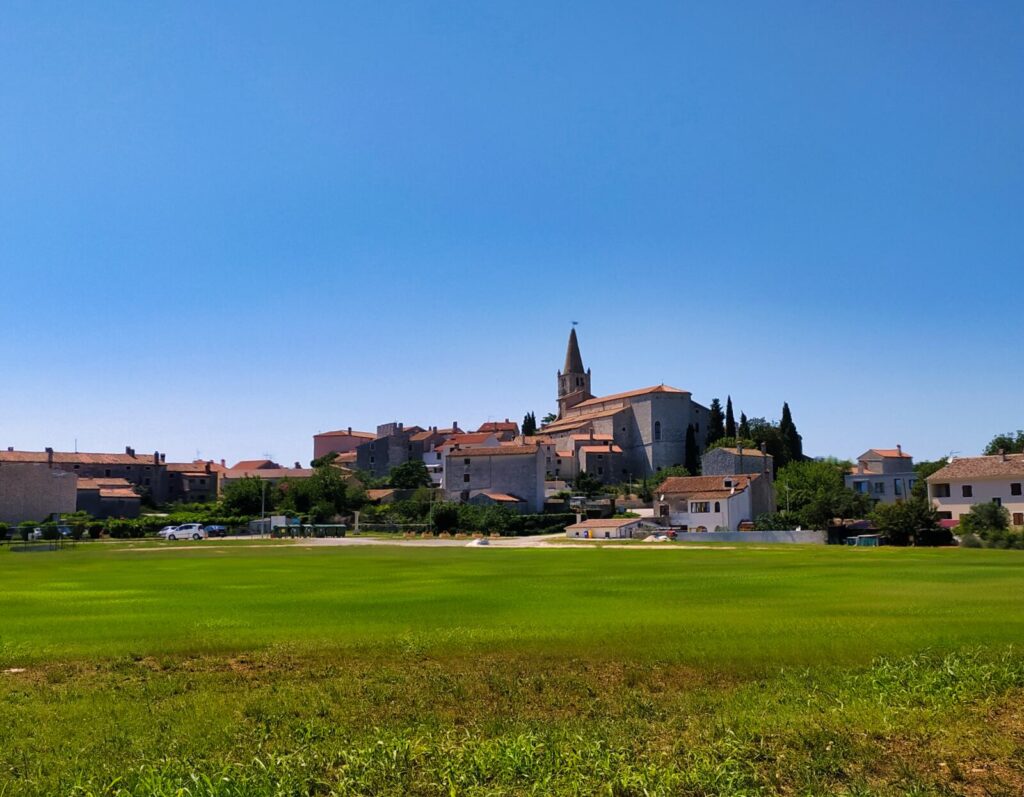
We spent an entire afternoon wandering in peaceful silence, occasionally accompanied by a lazily strolling cat’s meowing. This represents ideal family meandering through authentic Croatian village life.
Kazuni — Istria’s Iconic Stone Shelters
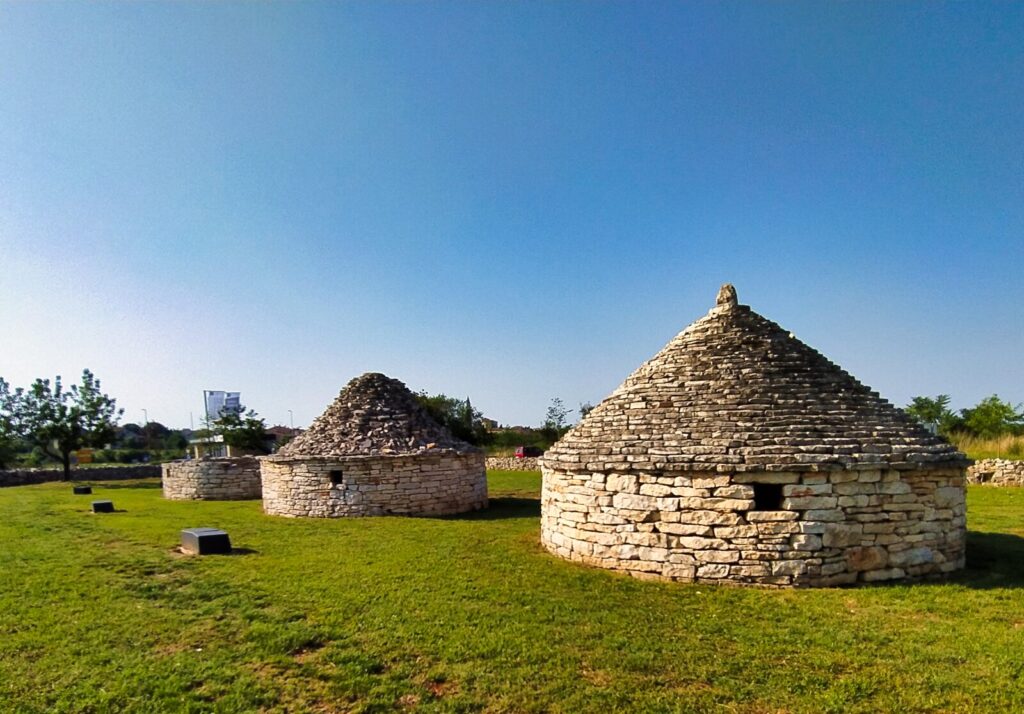
Throughout Istria, we repeatedly encountered round stone huts standing in fields. These traditional structures were built entirely from stone without mortar.
One morning, driving from Pula to Vodnjan, we discovered an abundance of these buildings. The location proved to be Kazuni Park, systematically demonstrating construction methods for these pastoral and agricultural shelters built beside cultivated fields and grazing pastures.
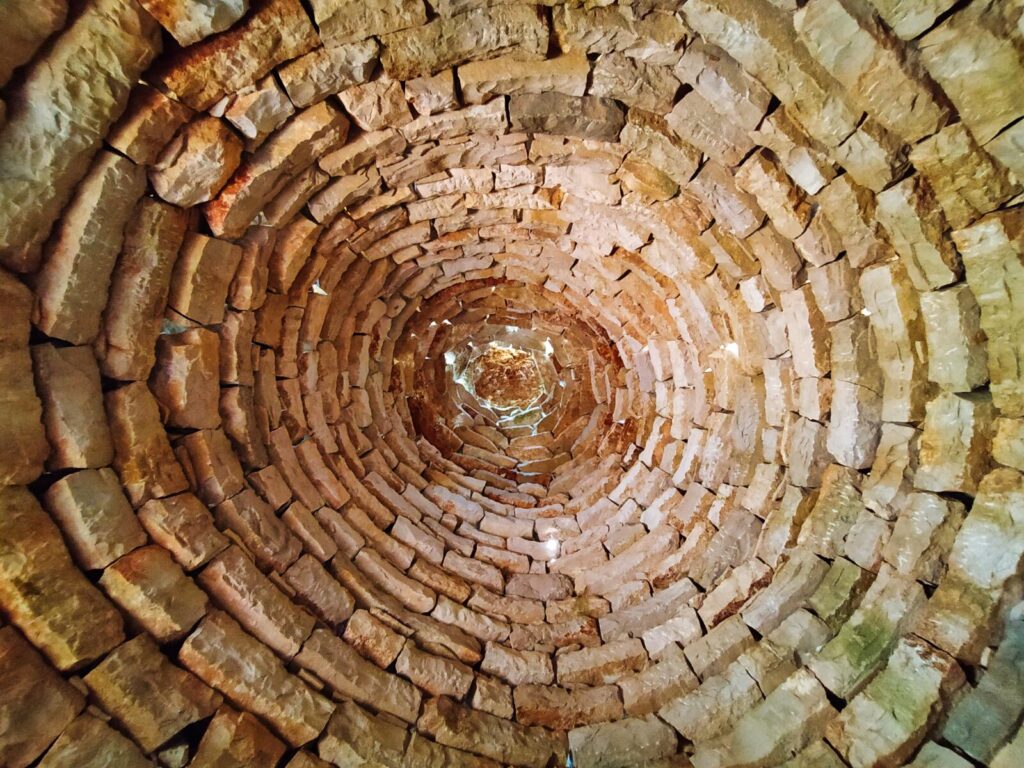
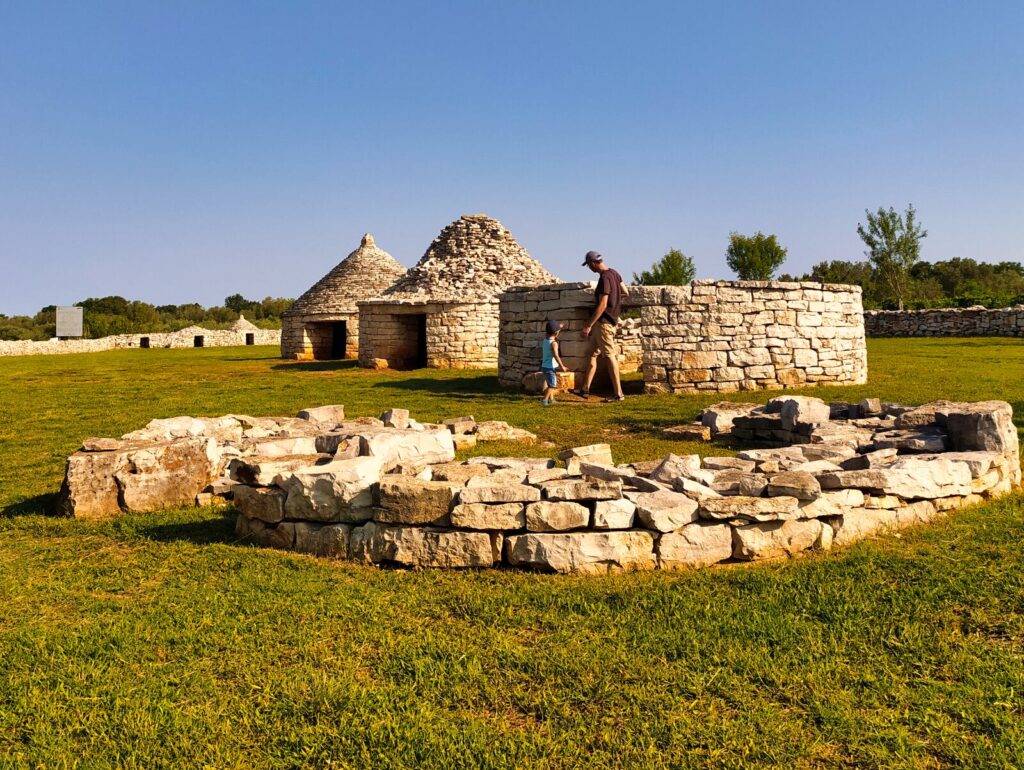
Today, most preserved huts concentrate around Vodnjan (reportedly numbering 2000), making treasure hunting for Istrian kazuni an excellent family activity while exploring the peninsula.
Vodnjan — Street Art Meets Sacred Mysteries
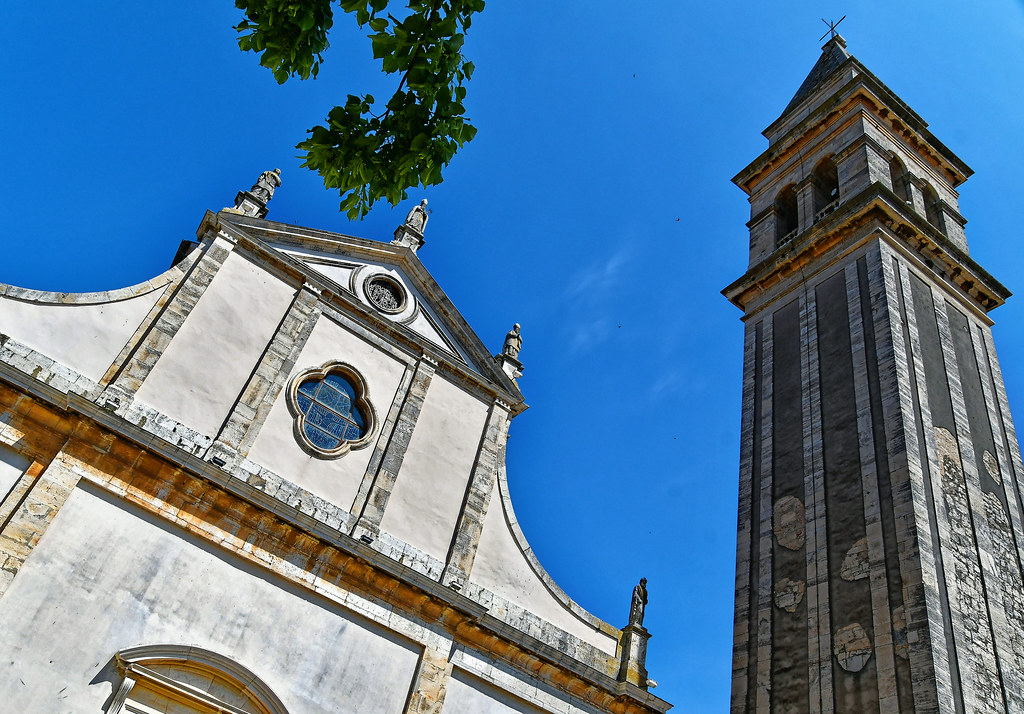
We initially visited seeking saints’ mummies once displayed in St. Blaise Church. Remarkably, no chemical preservation methods were used for these bodies! Unfortunately, we couldn’t locate the parish priest overseeing the mummy crypt. While resting in the church tower’s shade, we planned our town exploration.
We chose our reliable option — aimless wandering. It paid off! We discovered this Croatian-Italian town’s narrow streets, Venetian architectural traces, and convincing street art — unmissable murals throughout the community.
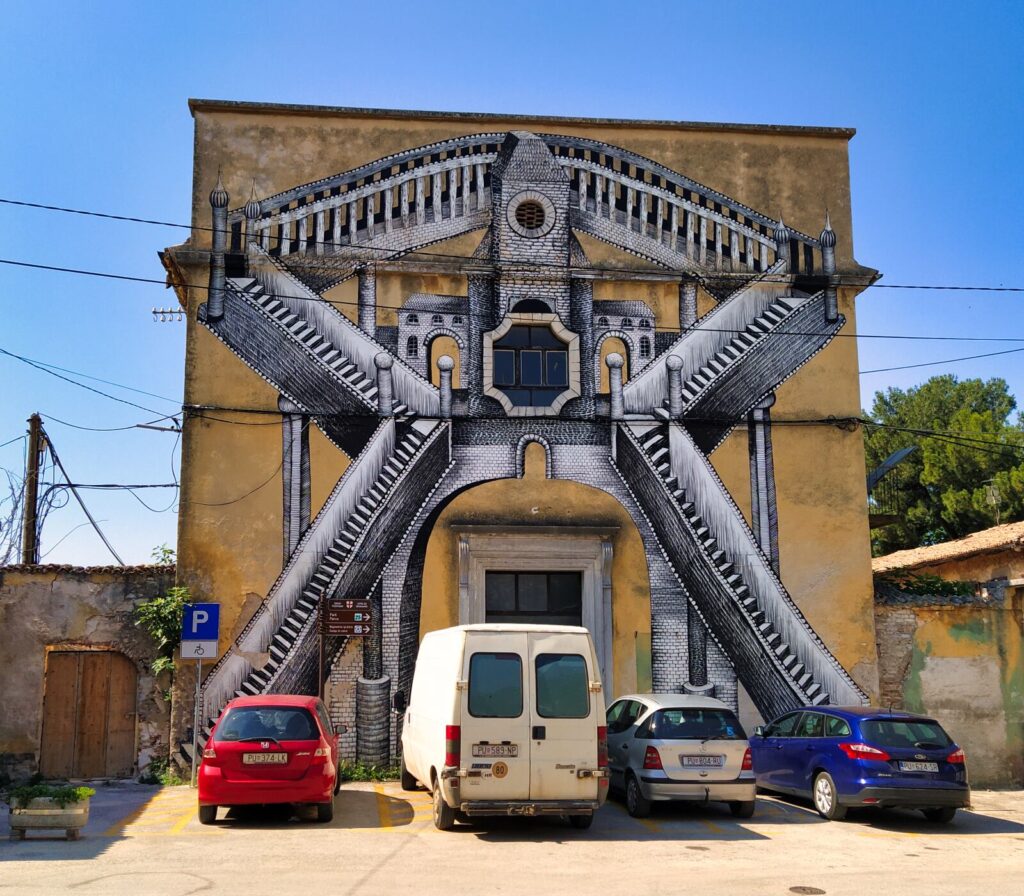
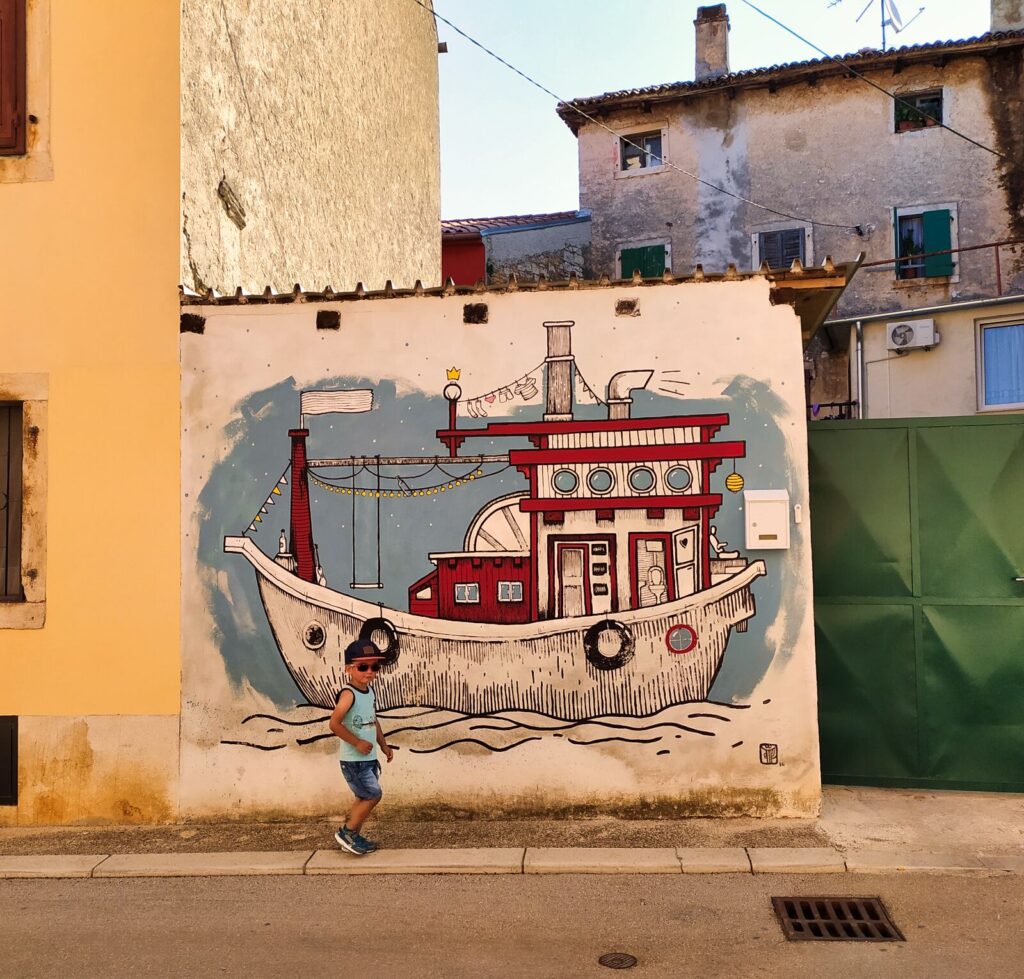
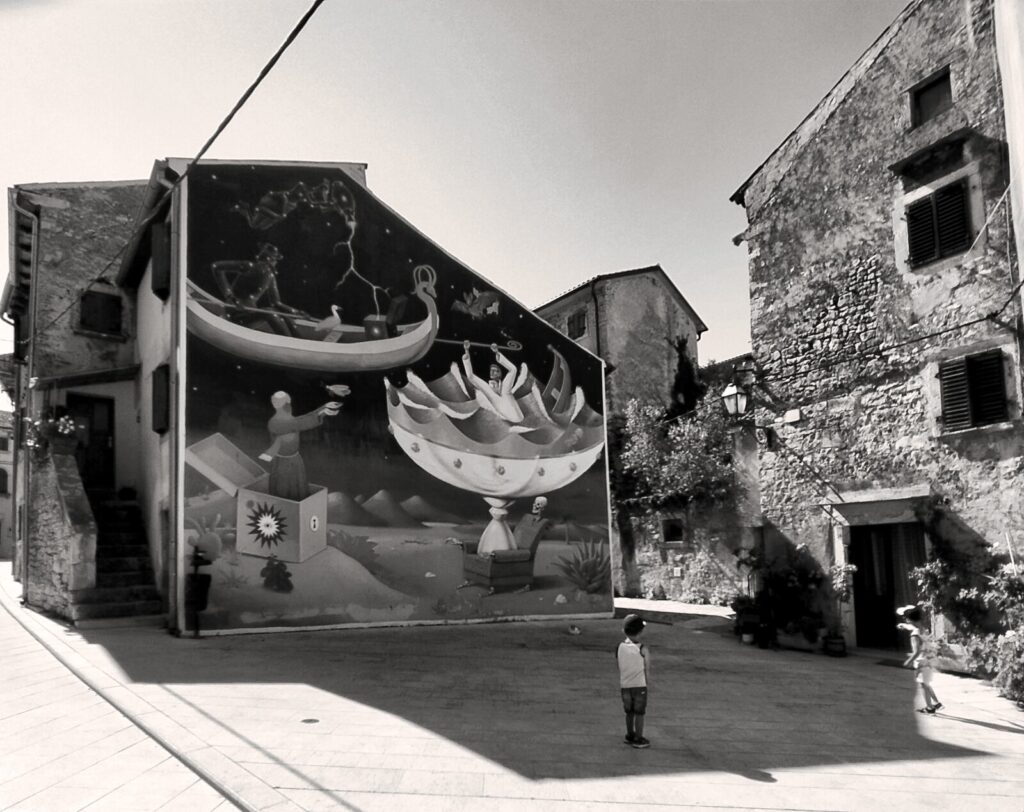
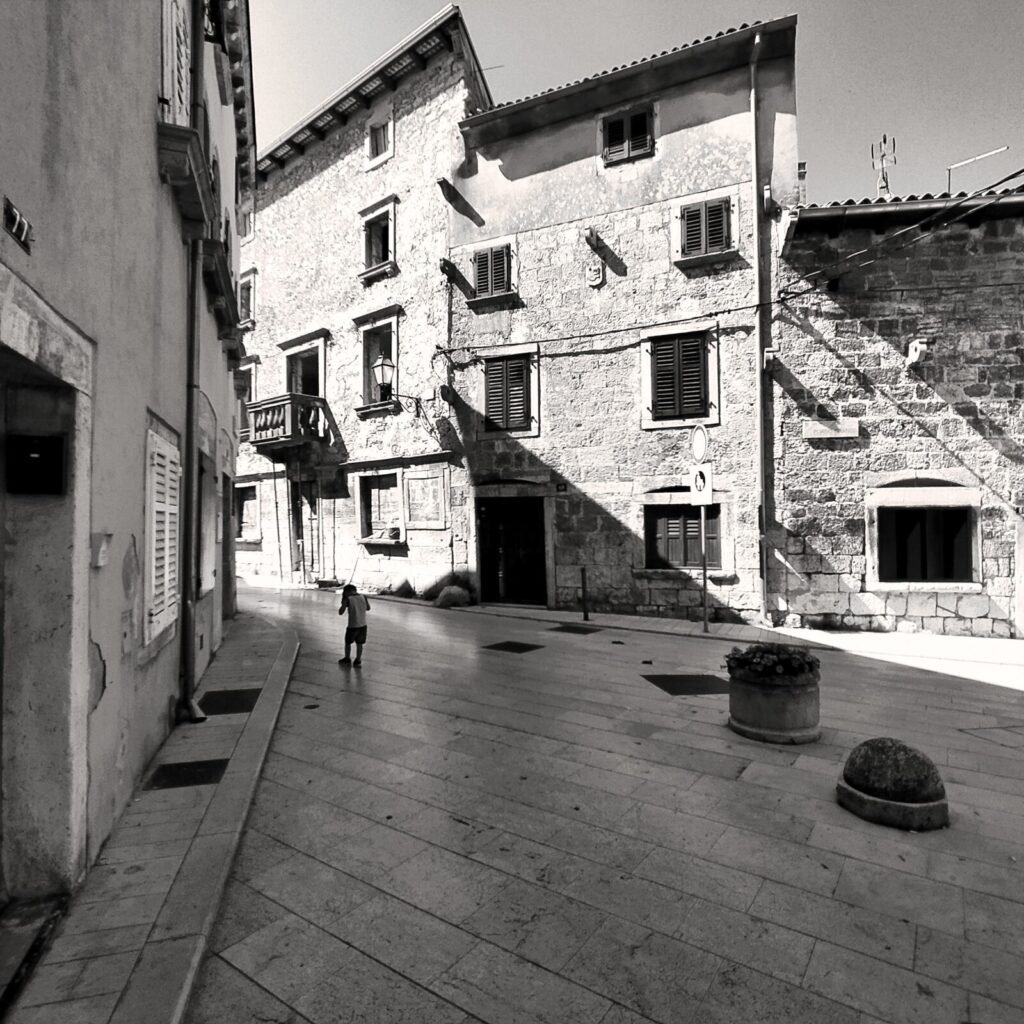
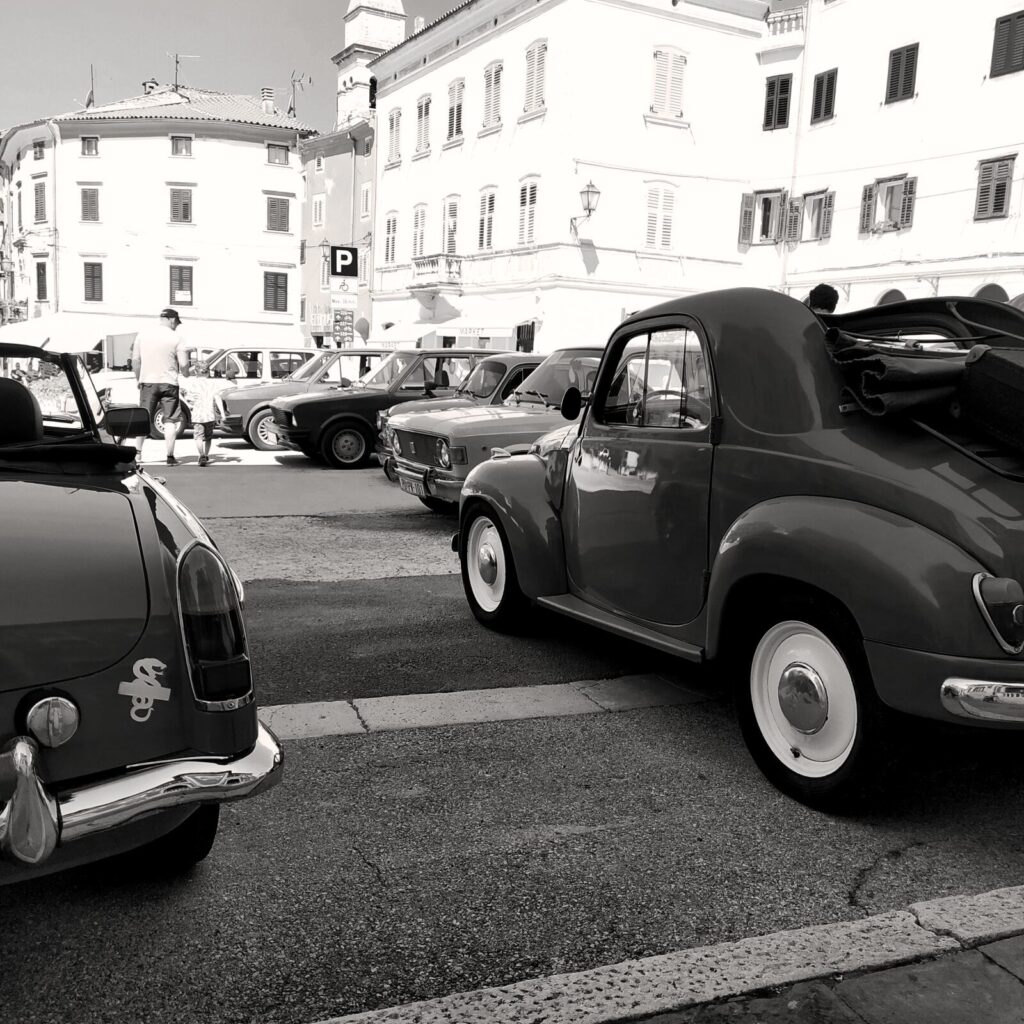
The day’s highlight, especially for our young automotive enthusiasts, was encountering a vintage car rally that coincidentally concluded in Pula during our same-day visit.
Trsat Castle in Rijeka — Fortress with a View
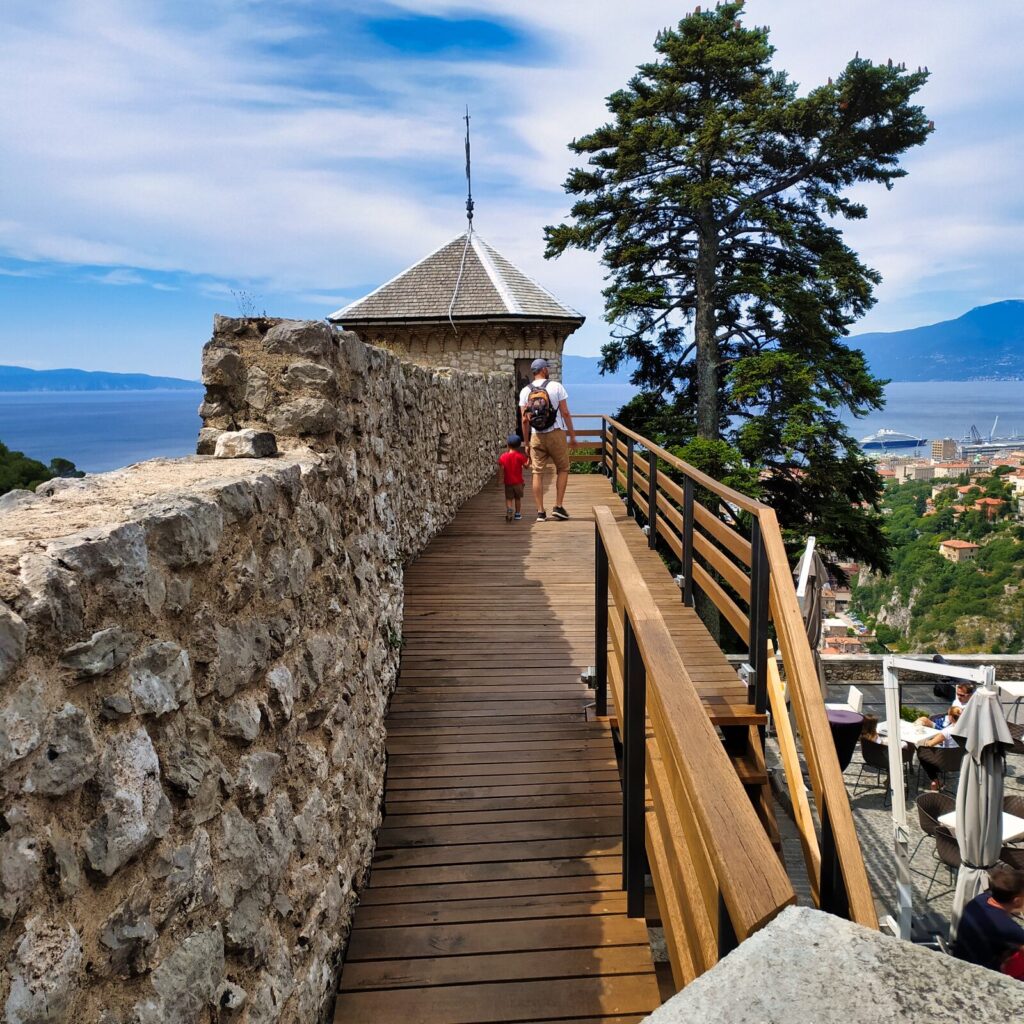
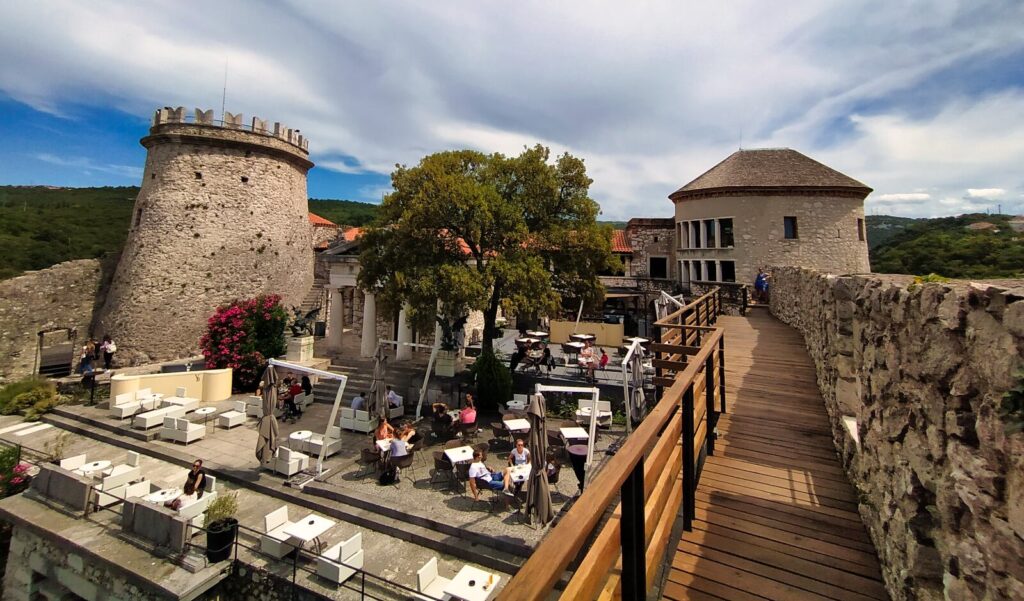
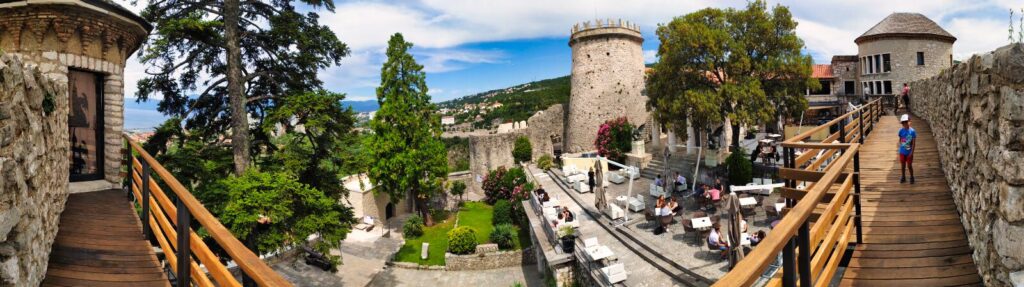
Trsat Castle in Rijeka represents my ideal excursion destination — historic ruins, excellent viewpoints, and outstanding on-site coffee. Simple perfection.
Zadar — Where Sea Creates Music
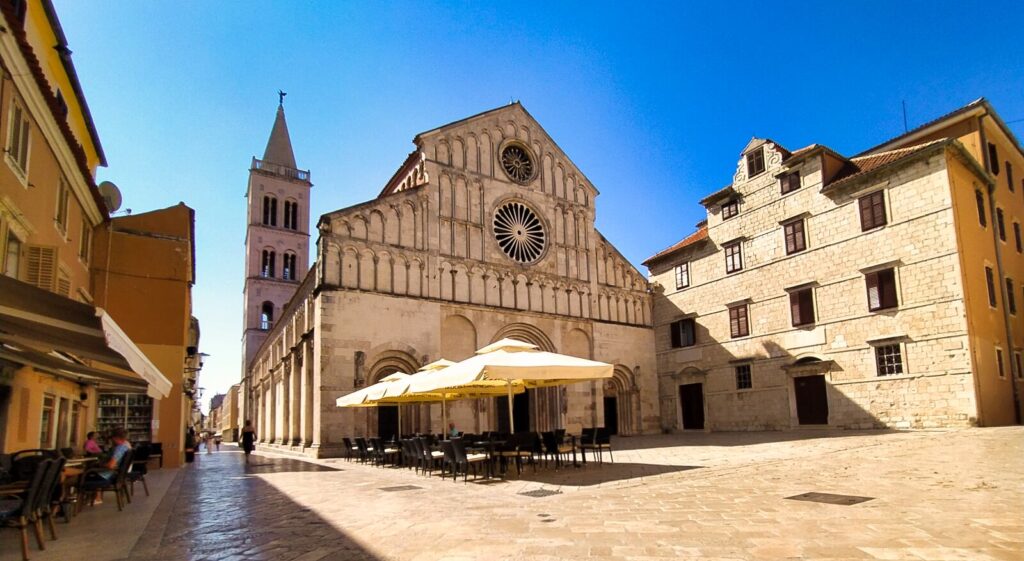
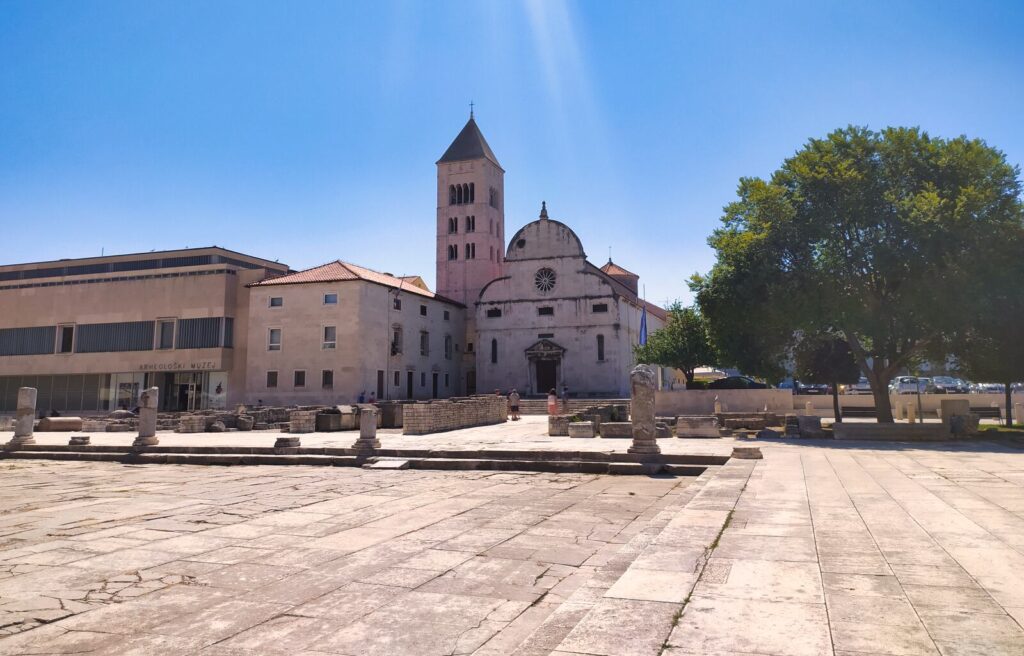
Zadar’s historic buildings appear around every corner, though even history-loving children might tire of Roman columns, ancient gates, and medieval churches.
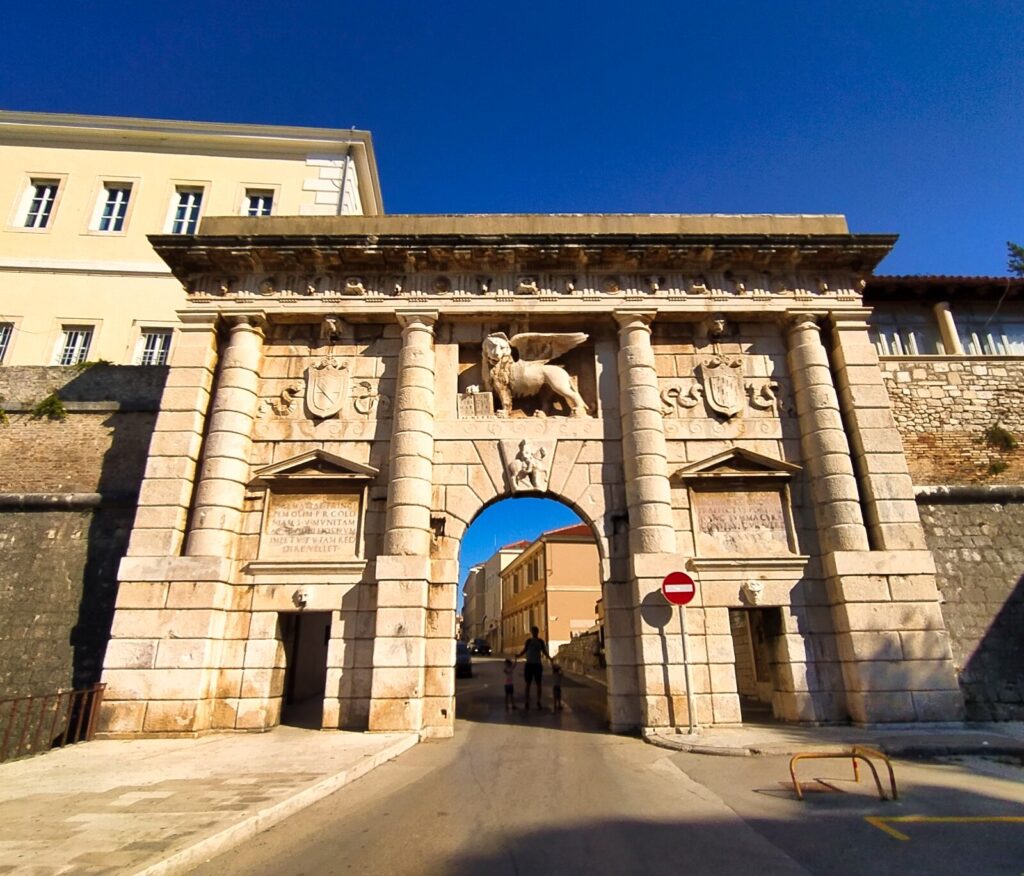
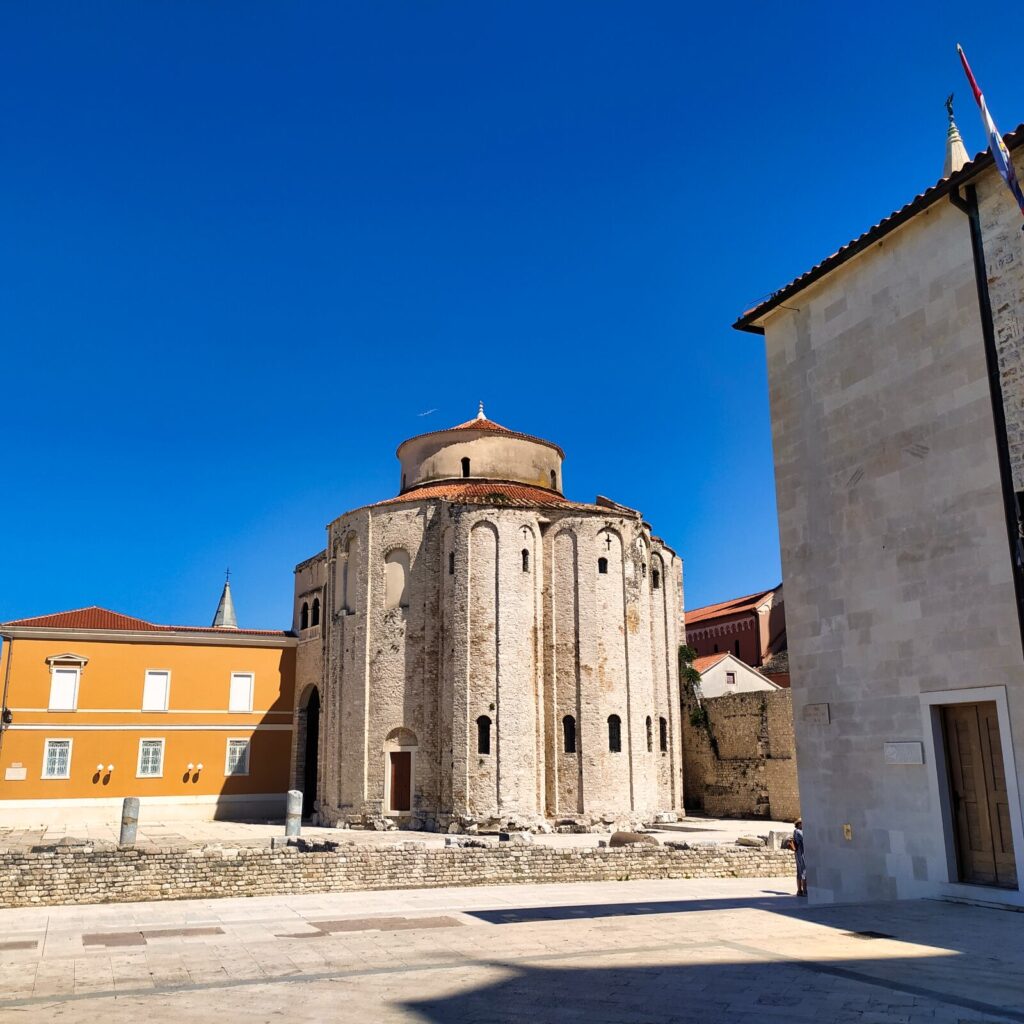
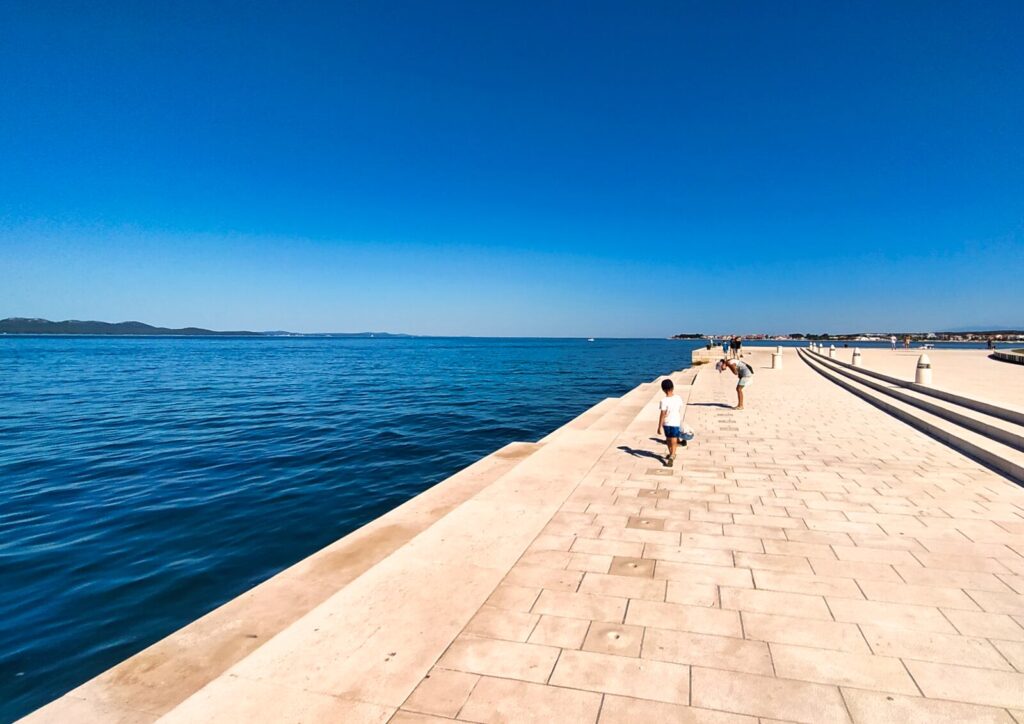
What deserves attention when visiting Croatia with children? Definitely the Sea Organ, where the sea itself plays melodies through mechanisms installed in concrete waterfront construction — polyethylene pipes of various lengths and cross-sectional widths embedded beneath stone promenade steps.
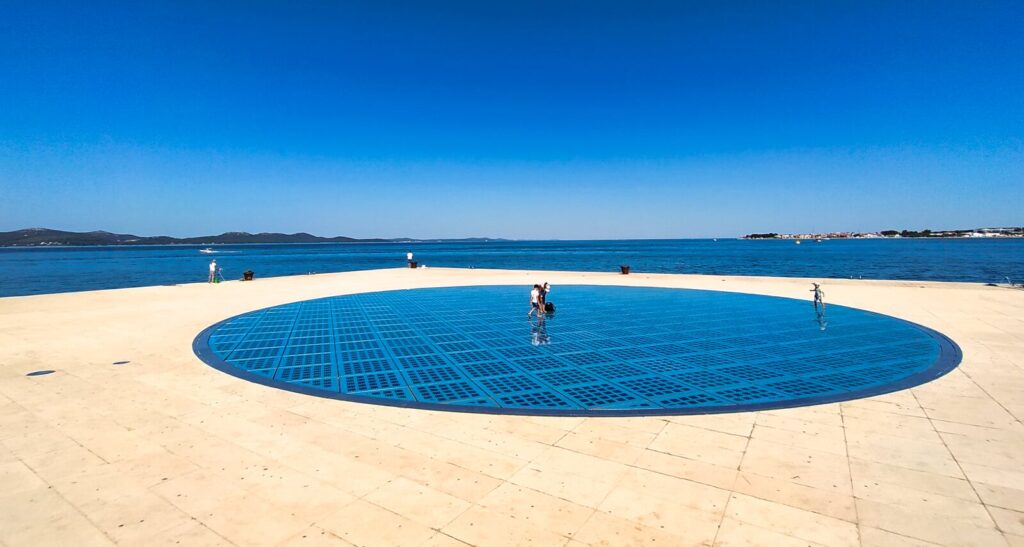
Running around the “Greeting to the Sun” light installation (300 solar panels absorbing daytime energy) proved equally entertaining. The nighttime program features light shows synchronized with wave rhythms.
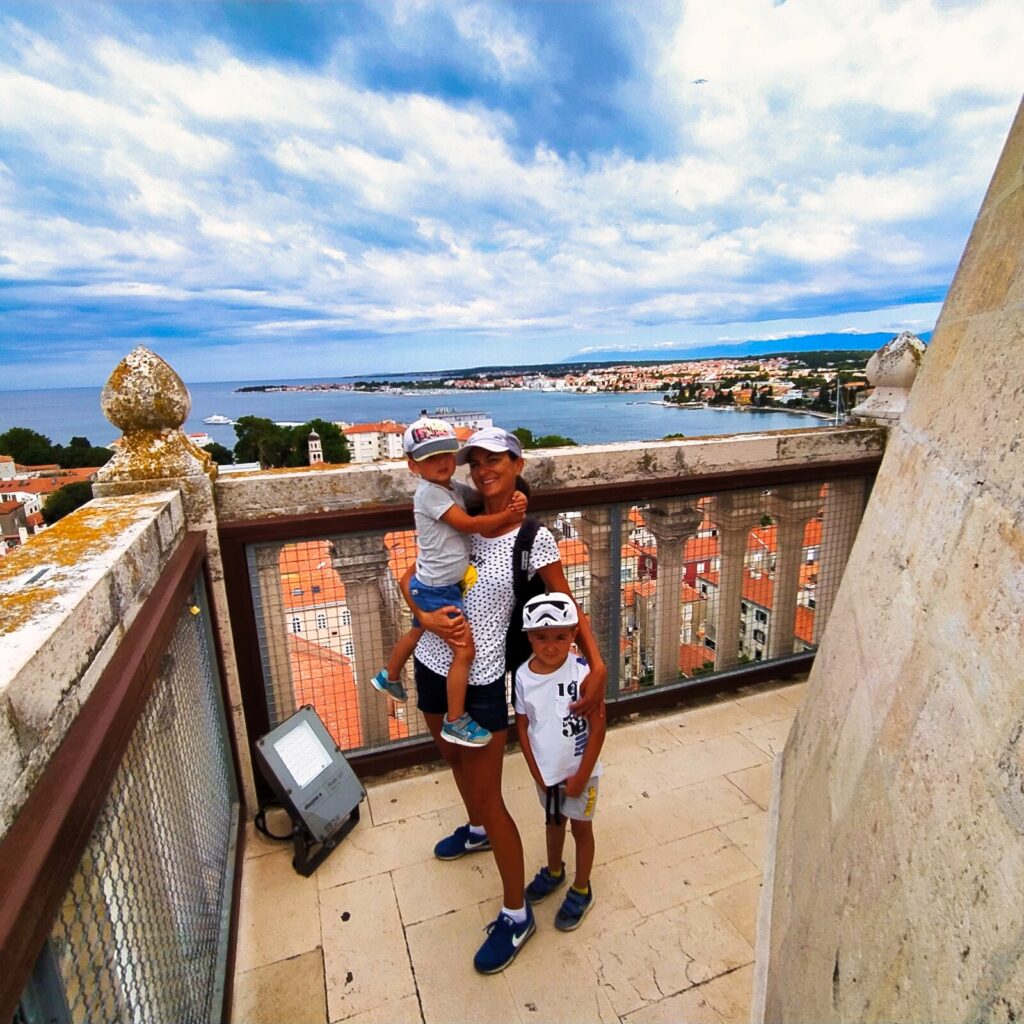
Climbing St. Anastasia’s bell tower provides panoramic views of Zadar and surroundings.
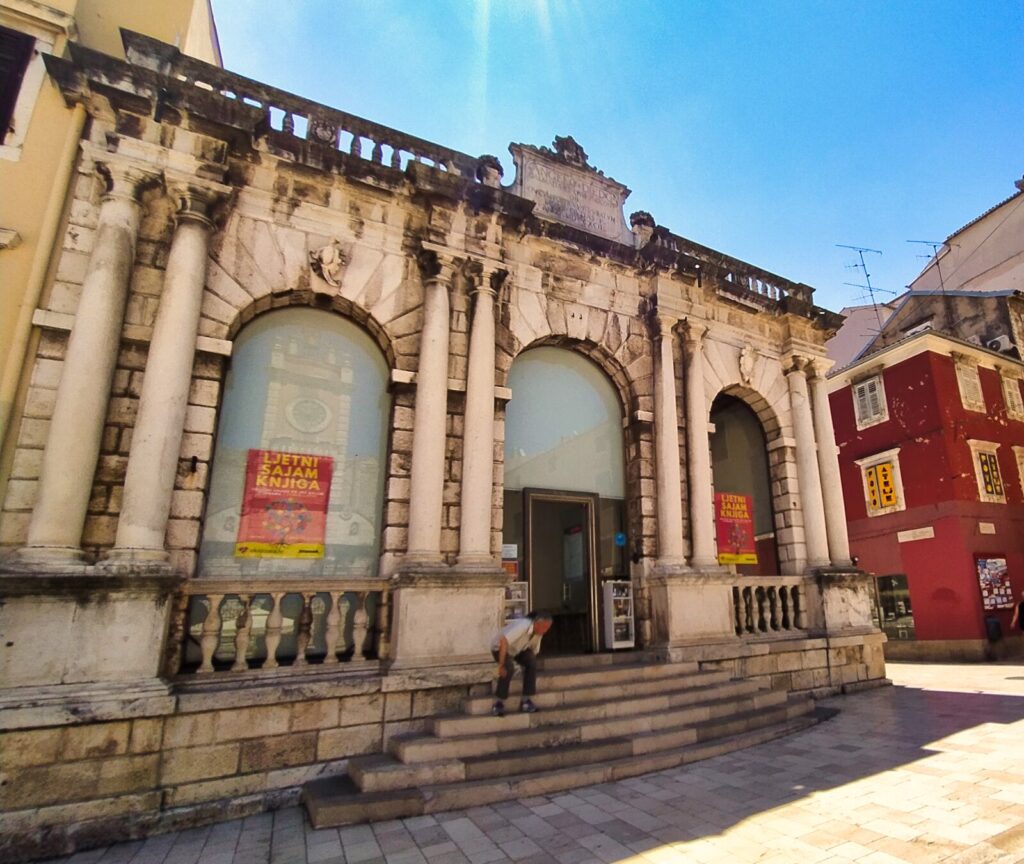
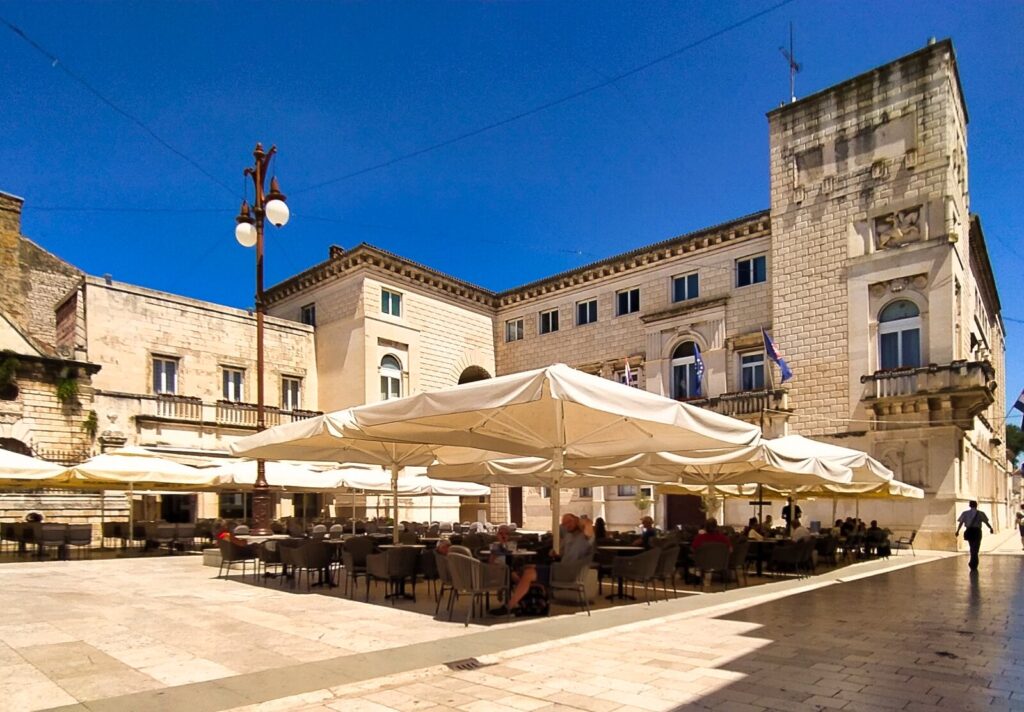
Seek refreshment at the old town’s main square — Narodni trg. Find excellent coffee and interesting reading material at Gradska Loža, now housing a substantial bookstore.
Pag Island — Moonscape Wonder
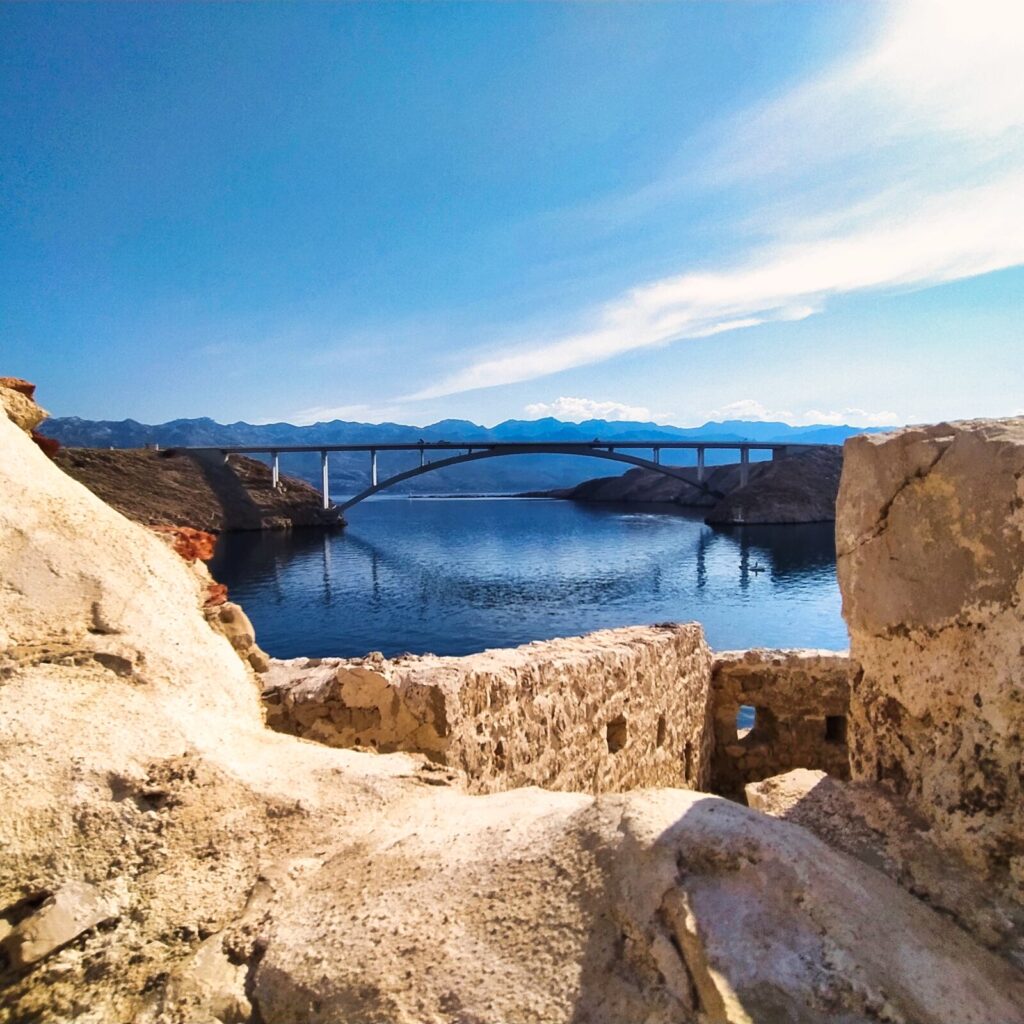
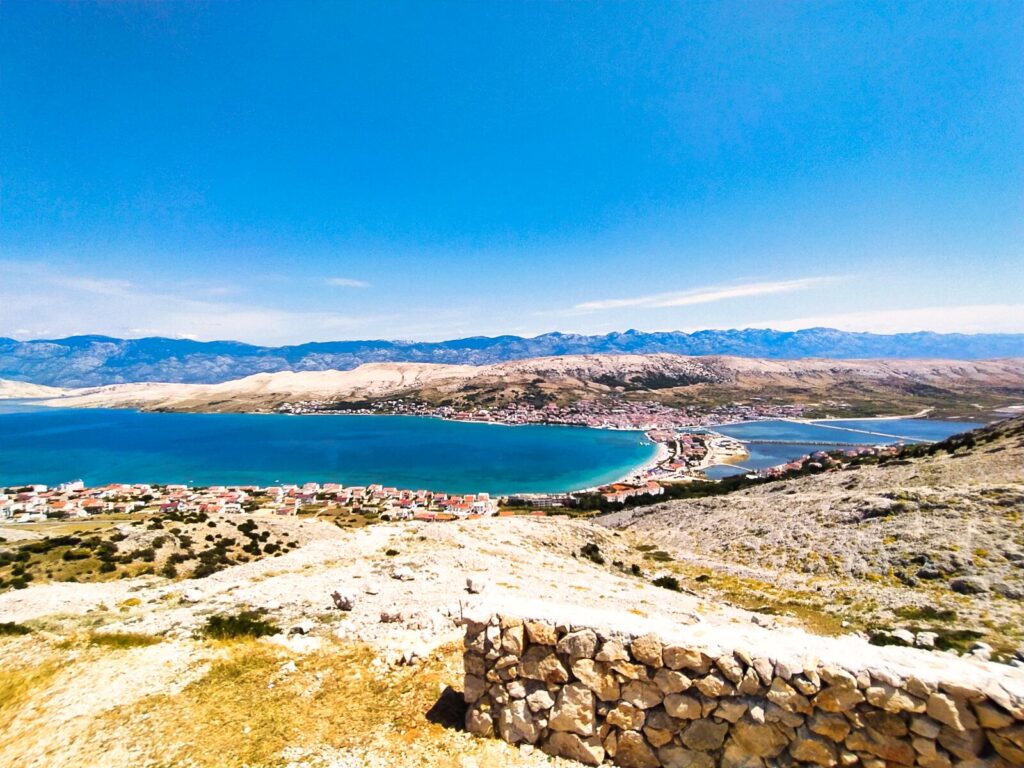
When exploring Croatian islands, Pag absolutely must make your list. Its rocky composition immediately captivates visitors. We recommend driving onto the island via Paški Bridge, near which stands “Fortica.” This defensive ruin offers excellent views of the bridge, part of Pag Island, and Croatia’s western coast.
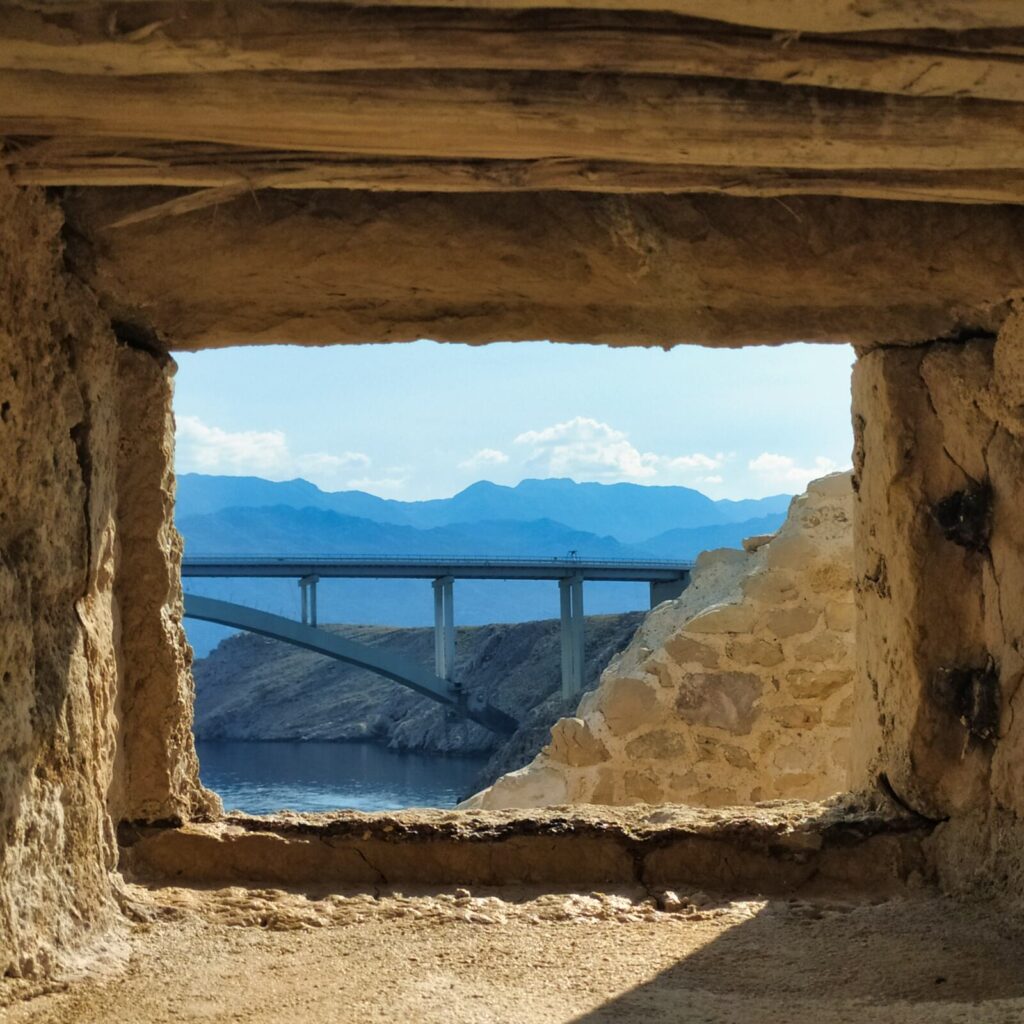
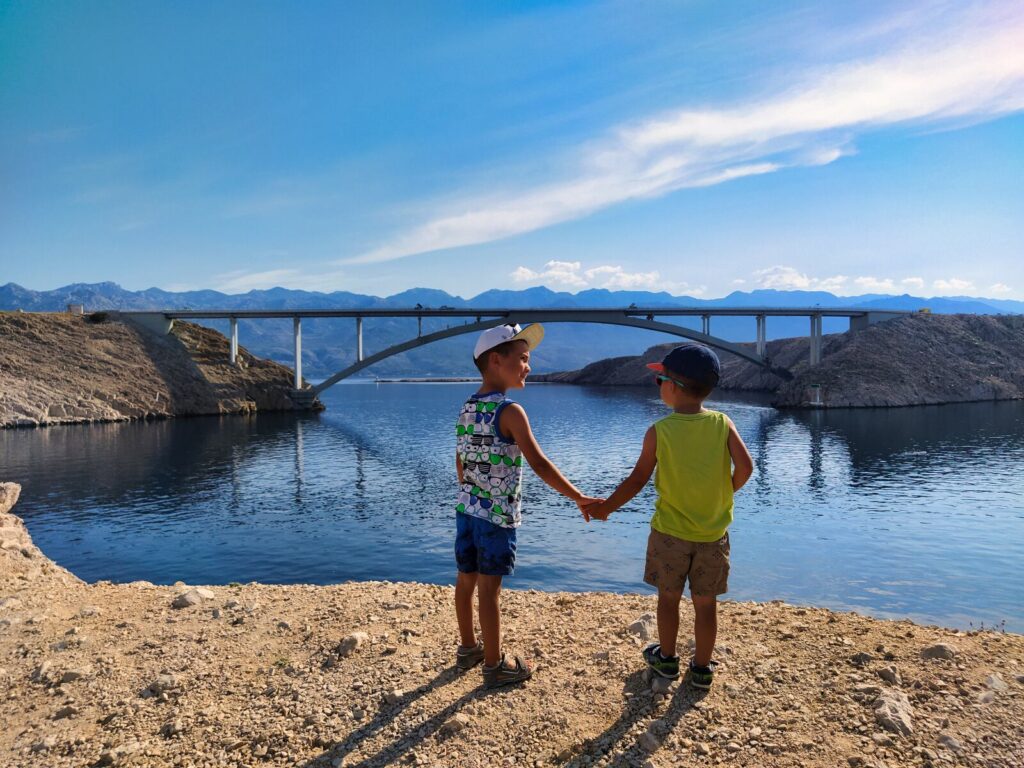
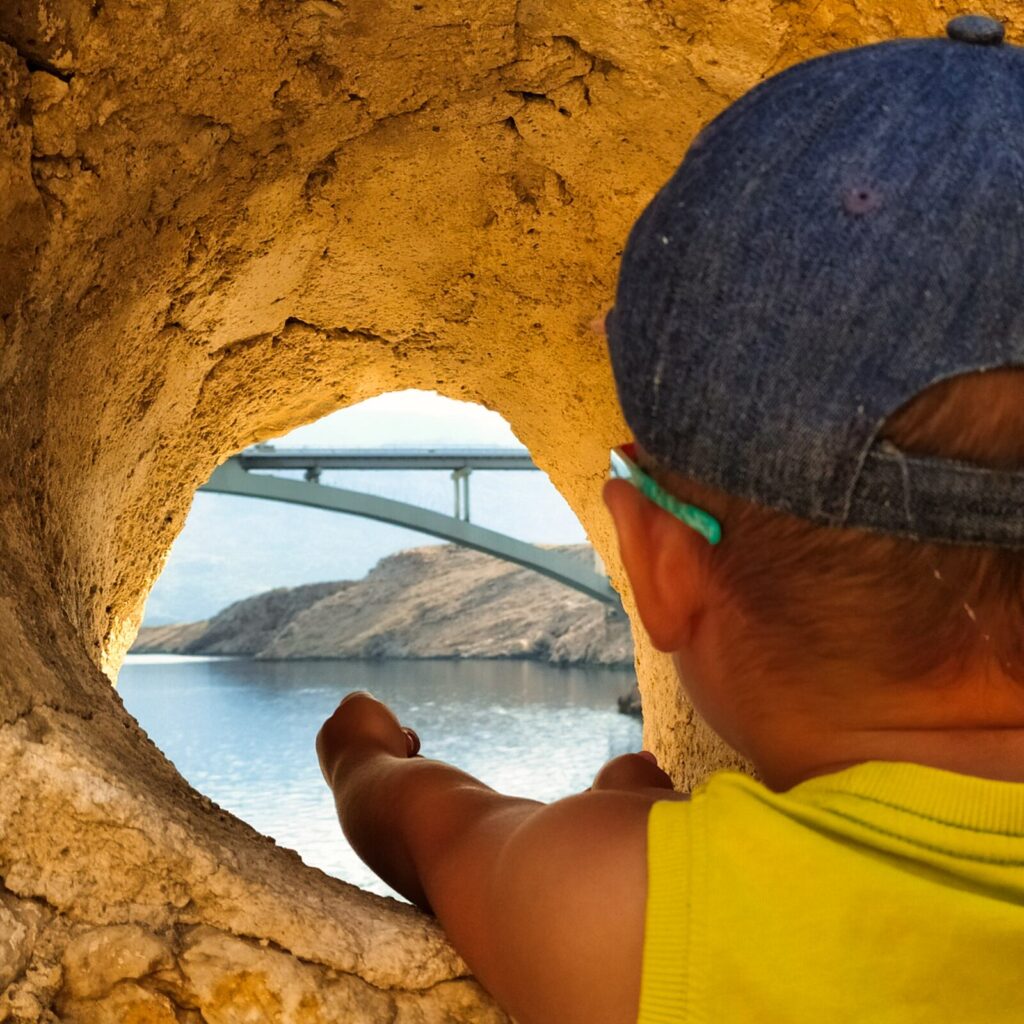
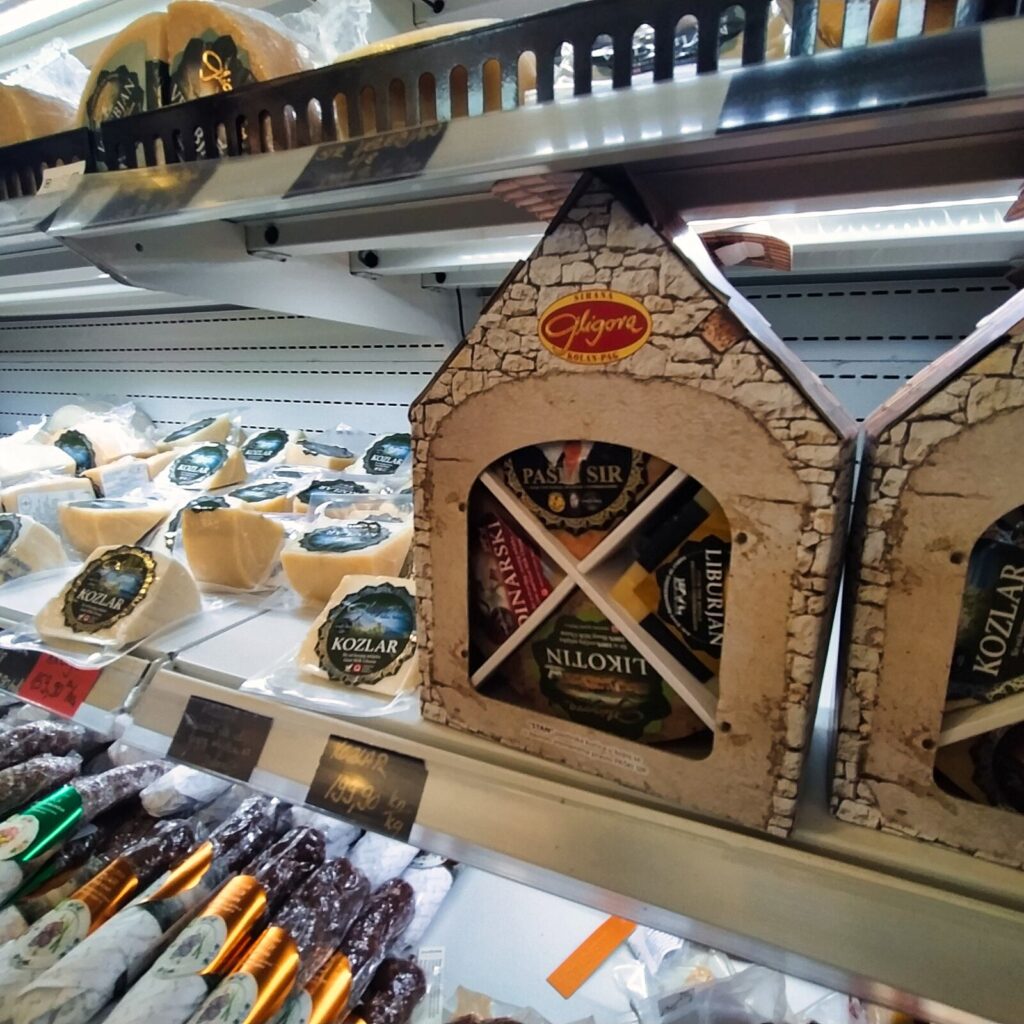
Pag tempts tourists with exquisite sheep cheeses. Driving across the island, definitely stop in Kolan town, specifically at Sirana Gligora cheese factory. Enjoy guided tours, restaurant tastings, and shopping in the ground-floor store. Paški cheese paired with served jam — absolutely delicious.
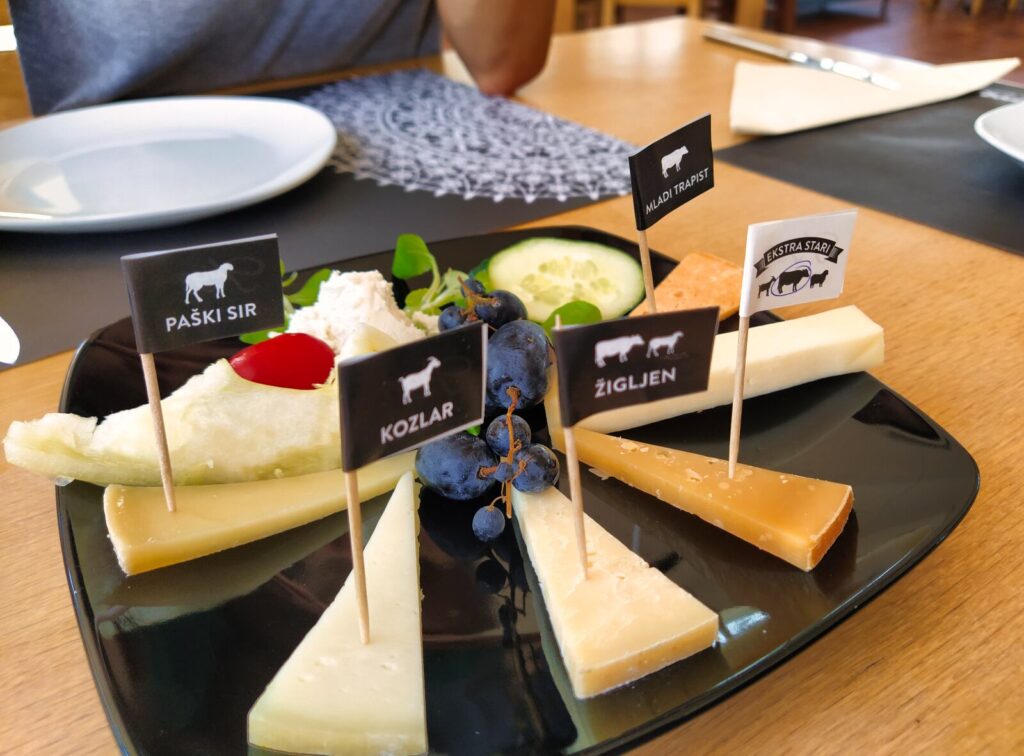
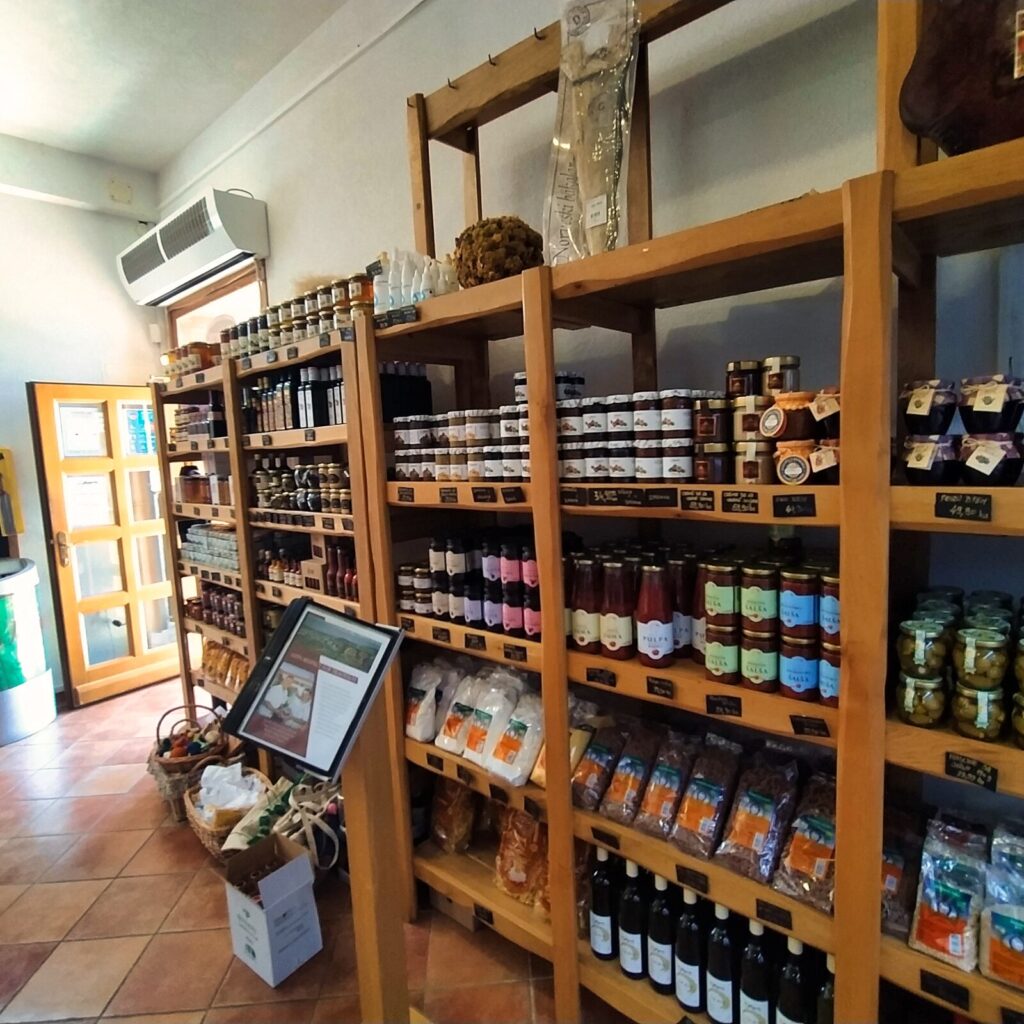
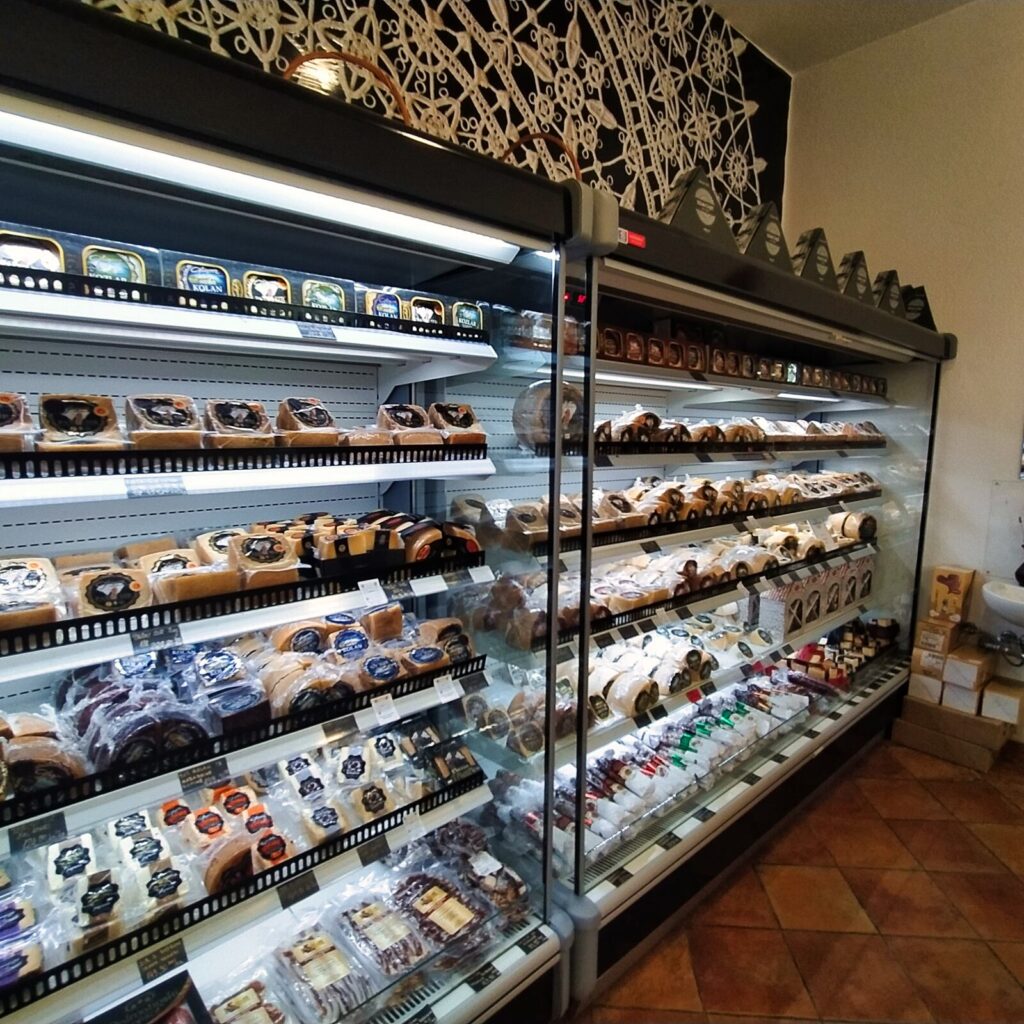
We also recommend reaching the island’s end — Lun town — specifically its olive grove by the coastline featuring thousand-year-old olive trees. Explore the entire grove via multi-kilometer trails or simply walk near parking areas, as the oldest grove tree (1600 years!) stands within easy reach.
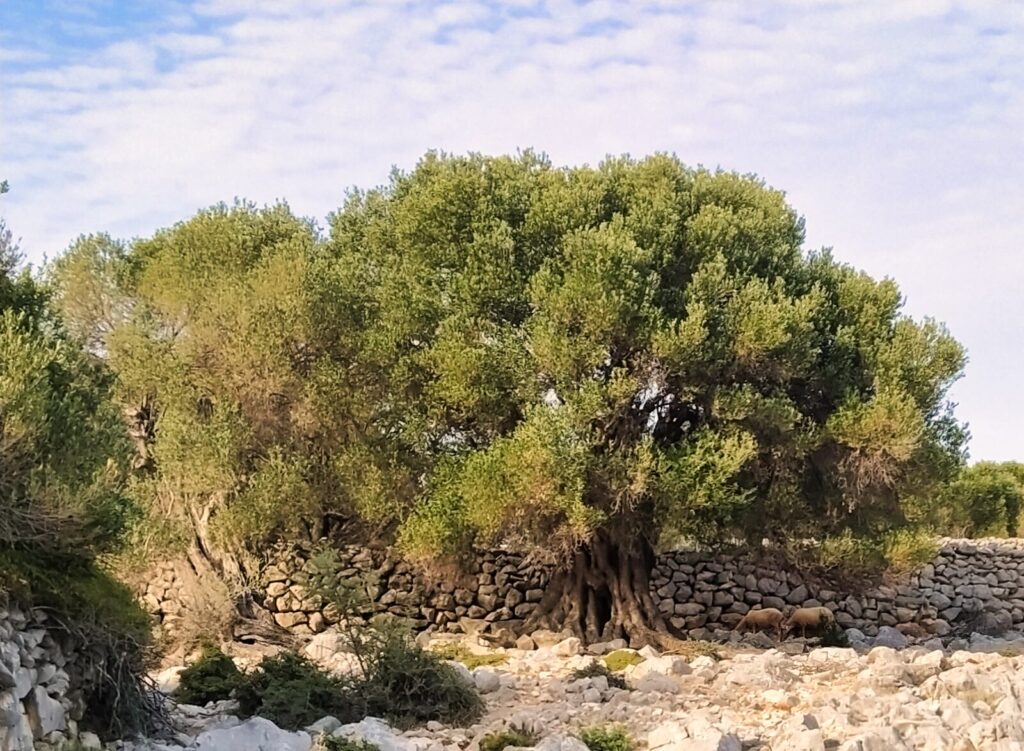
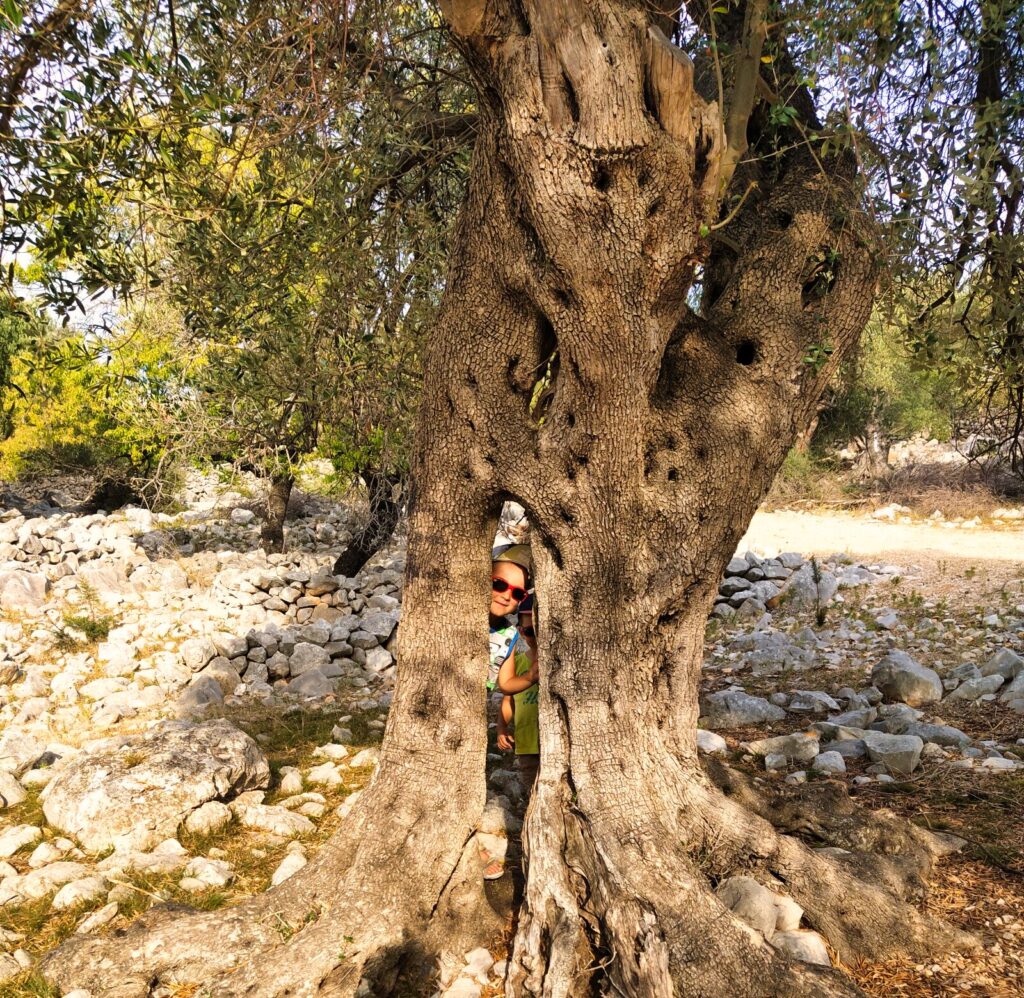
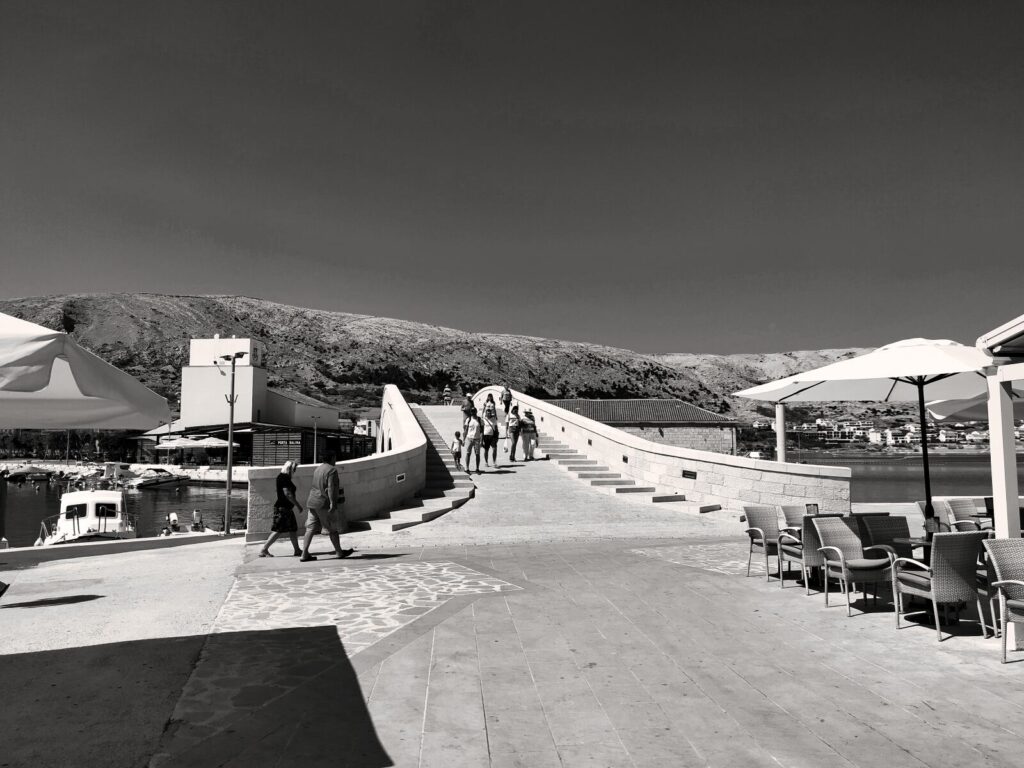
From this natural wonder, head to the island’s main city — Pag. Strolling through atmospheric narrow streets and across historic Katine Bridge creates lasting memories.
Stop at the viewpoint overlooking Pag city in all its magnificent glory.
Paklenica National Park — Mountain Adventure
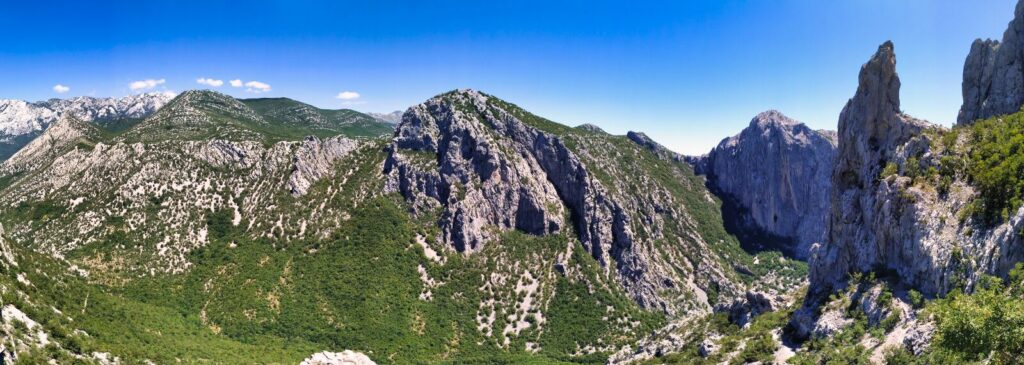
Paklenica National Park ranks among Croatia’s oldest national parks (established 1949) and earned UNESCO World Heritage status. Find current trail information, attractions, and hiking updates on the park’s official website.
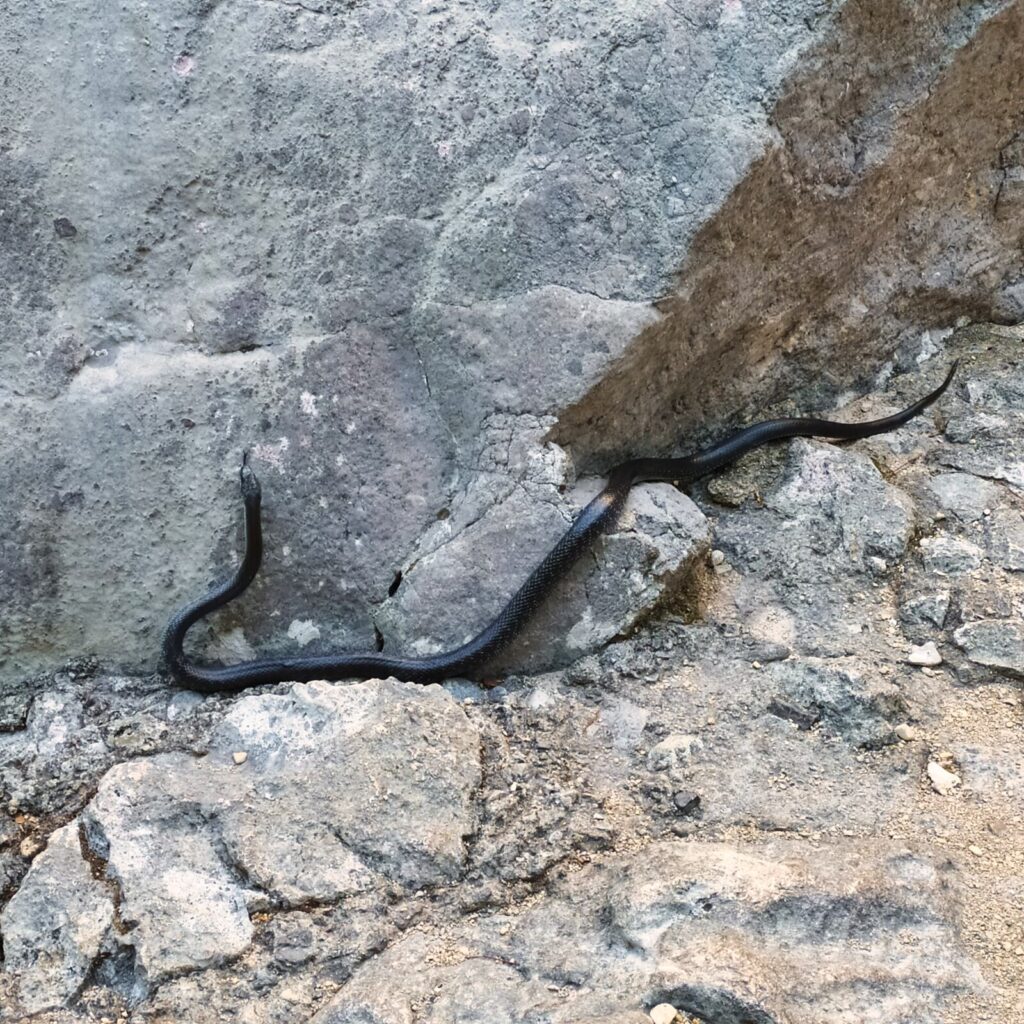
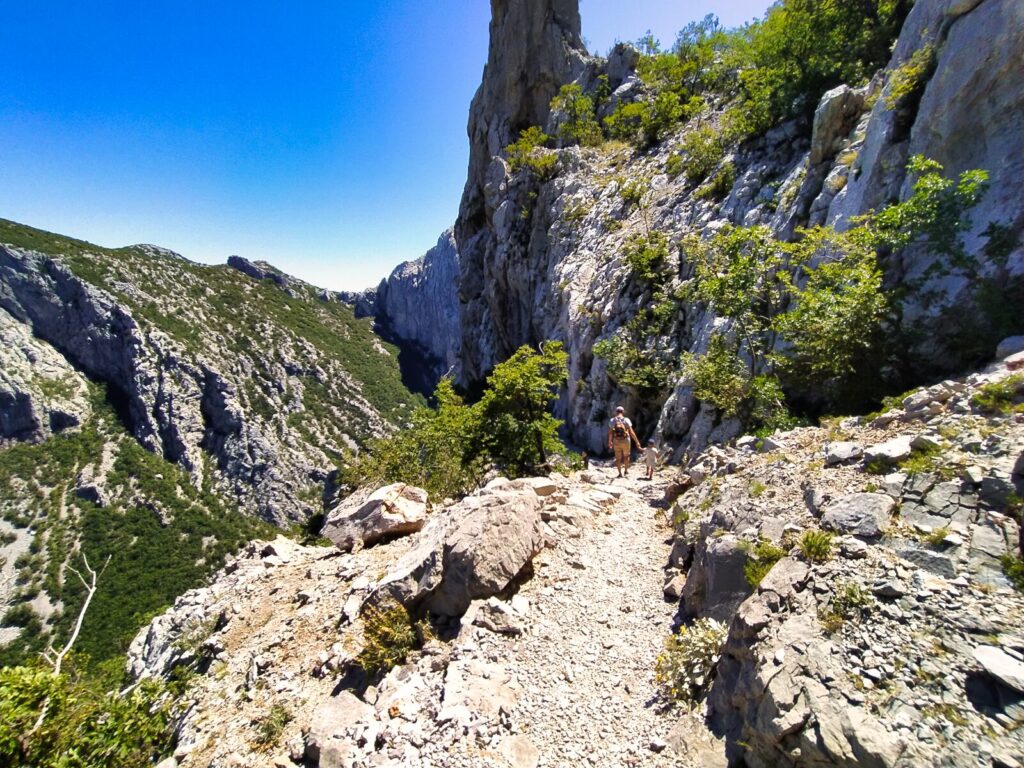
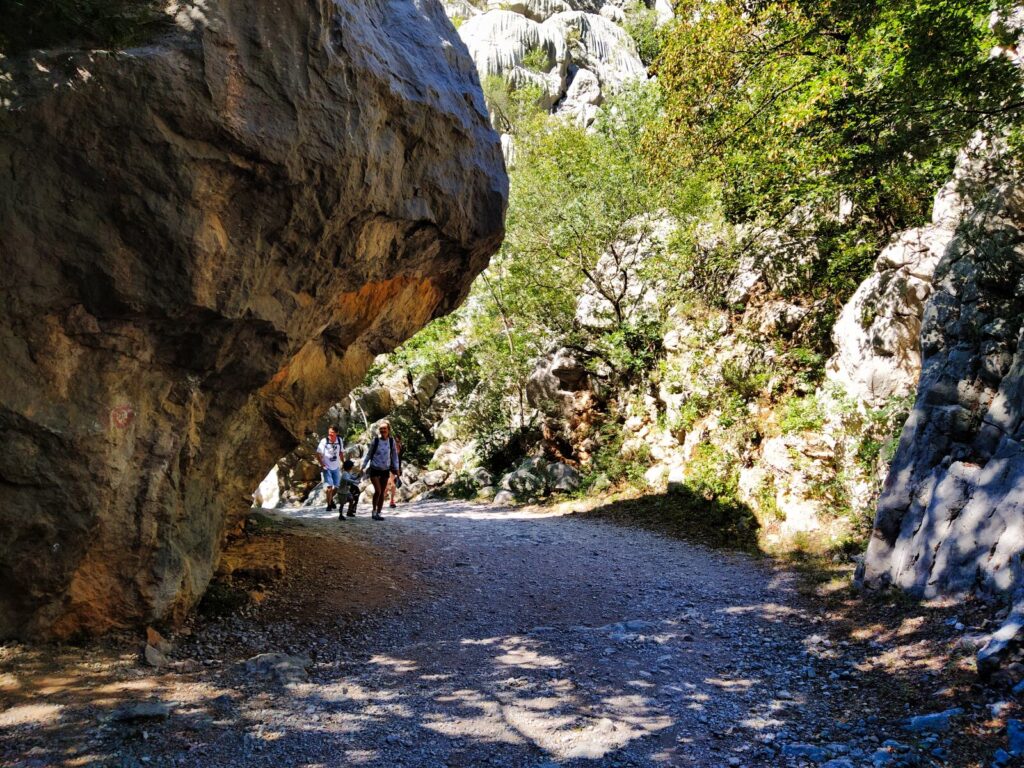
We entered through Velika Paklenica entrance #1, choosing the trail leading through Manita Peć cave. Our entire day involved hiking and cave exploration. We encountered numerous beetles and an impressively long snake (unfortunately unidentified), creating considerable excitement among our youngest expedition members.
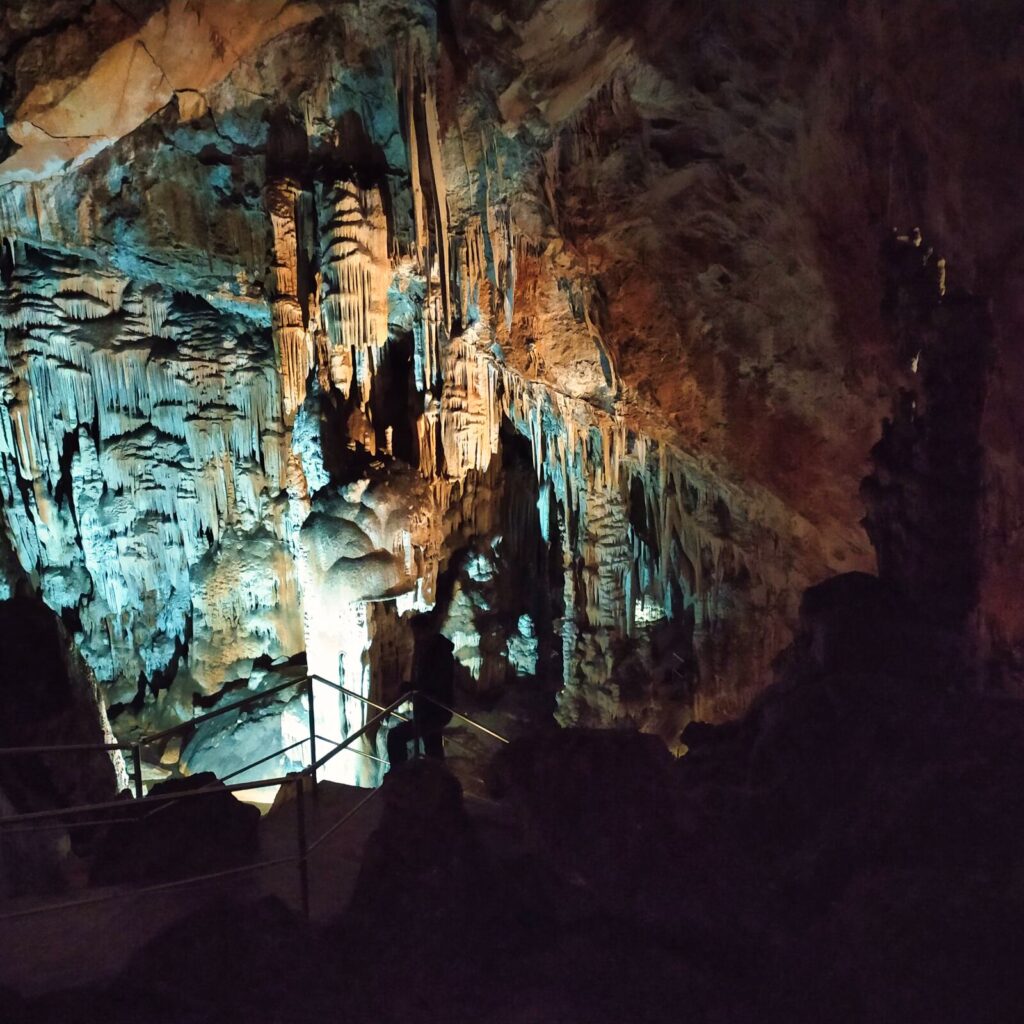
Planning cave visits requires advance scheduling, as it opens only a few hours daily with mandatory guided tours. The cavern features diverse rock formations and deposits — stalagmites, stalactites, and columns bearing interesting names (helmet, organs, witch) that spark children’s imaginations.
Split — Gateway to Dalmatian Adventures
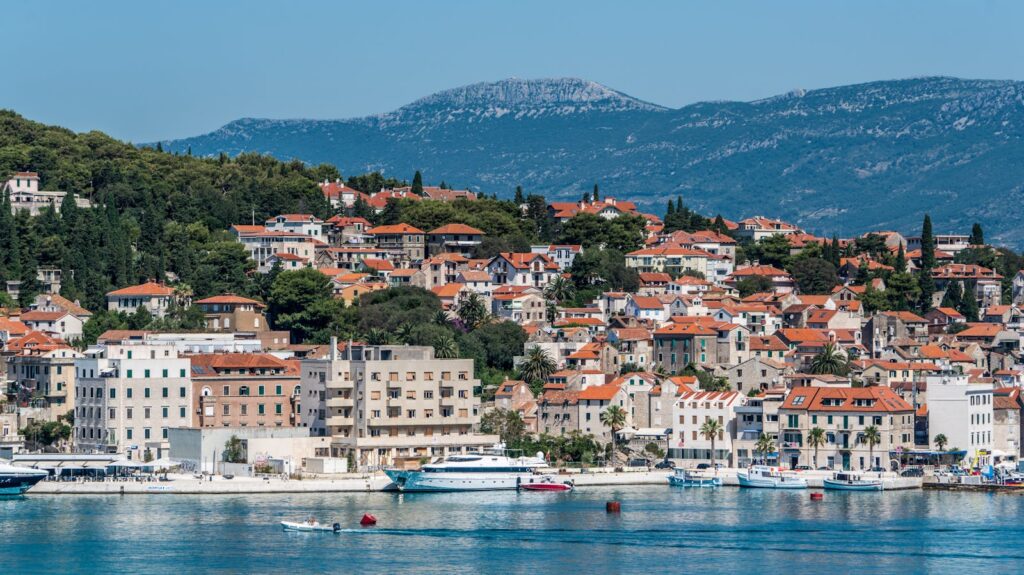
Split was our longest stop — and it earned it. Croatia’s second-largest city works brilliantly as a Dalmatian base, and the mix of ancient history and proper beach infrastructure makes it one of the stronger choices for Croatia family holidays in the south. Croatia family holidays in this region guarantee not only sunny weather but countless attractions delighting entire families.
Diocletian’s Palace and Old Town
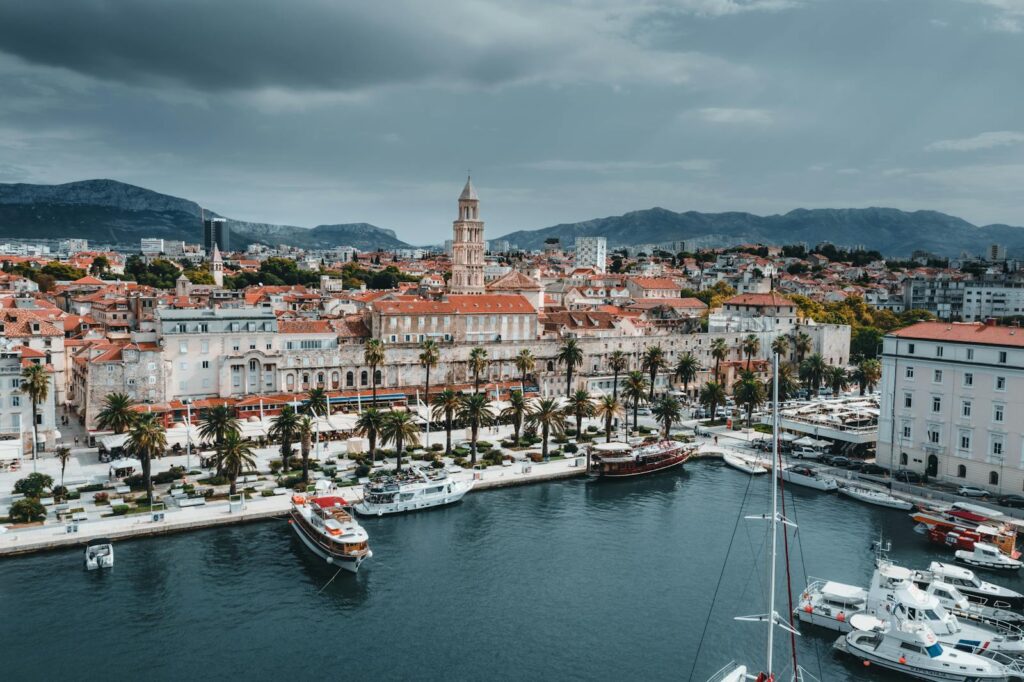
Split’s heart — Diocletian’s Palace — isn’t another boring monument but a genuine adventure playground for young explorers! These ancient walls provide perfect settings for family treasure hunts. Narrow street labyrinths, mysterious underground areas, and hidden corners make children feel like movie adventurers. Share stories about the Roman emperor who built his summer residence here.
Particularly fascinating for children:
- Palace underground chambers where “Game of Thrones” scenes were filmed
- Peristyle Square featuring an Egyptian sphinx
- St. Domnius Cathedral with climbable bell tower offering city panoramas
Importantly, exploration can be adapted to children’s ages — younger ones enjoy short walks seeking “dragons” (lions) in sculptures, while older children appreciate historical curiosities.
Žnjan Beach and Water Activities
Croatia with kids primarily means sea bathing, and Split offers one of the best beaches in Croatia for families. Žnjan Beach is significantly less crowded than popular Bačvice while being excellently adapted to family needs, featuring:
- Gentle water entry — ideal for toddlers
- Designated swimming areas with lifeguard stations
- Inflatable water playground in the sea
- Numerous bars and restrooms
- Large parking area (appreciated by families traveling by car)
The Adriatic’s azure waters here are exceptionally clear, with rich underwater life fascinating every young snorkeler. Equip children with snorkeling masks — colorful fish observation can occupy them for hours!
Marjan Park — Split’s Green Lungs
When little ones tire of beach activities, visit Marjan Park. This expansive, forested peninsula rising above the city offers:
- Shaded walking paths among pine trees
- Viewpoints with breathtaking panoramas
- Picnic areas and drinking water fountains
- Hidden medieval chapels
Marjan walks represent excellent family activities in Croatia, especially during hot days when tree shade provides relief. The summit features an extensive viewing terrace with spectacular views of Split and surrounding islands. Children certainly appreciate nature contact and free running along park pathways.
Trogir — Medieval Magic
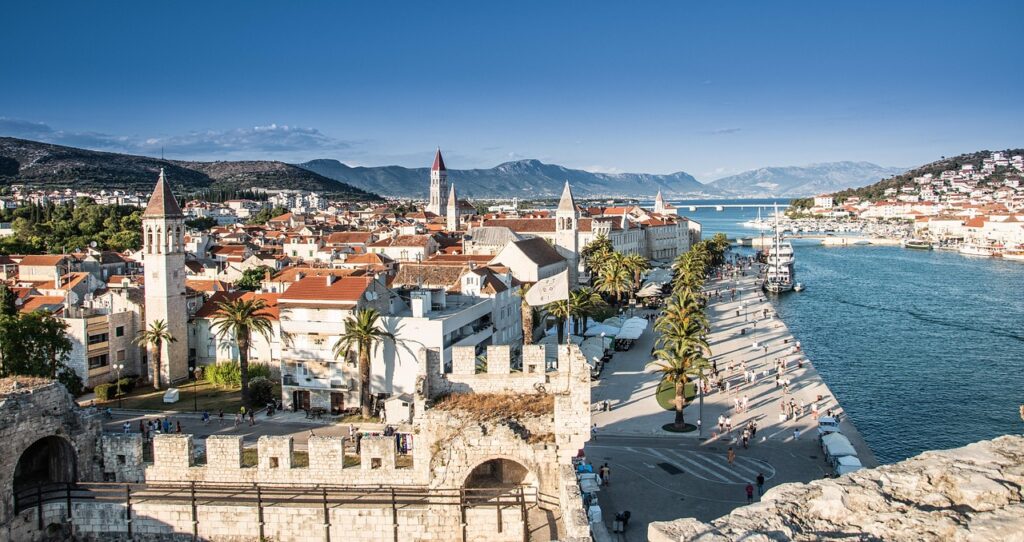
Trogir, often called “Little Venice” or “Little Rome,” ranks among Croatia’s most beautiful medieval cities. Its compact size makes it ideal for day trips with children during family vacation in Croatia. The entire old town occupies a tiny island — a real treat for young travelers!
Wall Walks and Cathedral Tower
Trogir is a compact, charming town explorable in a few hours — perfect for holding children’s attention! Begin by walking through the North Gate, where you’ll find the patron saint’s statue, St. John of Trogir. Young explorers will be thrilled by the opportunity to “conquer” a medieval fortress.
The greatest children’s attraction involves climbing St. Lawrence Cathedral’s bell tower, offering beautiful views of the entire city and surrounding islands. Parents traveling with children should know:
- Tower entry requires paid admission
- Climbing might challenge toddlers, but older children manage fine
- Cathedral interior viewing is free during religious services
- The 47-meter tower provides magnificent panoramas justifying climbing efforts
This presents excellent opportunities for children to feel like explorers surveying their kingdom.
Kamerlengo Fortress — Knights and Princesses Play
Kamerlengo Fortress is a 15th-century fortification enchanting every child dreaming of castles, knights, and princesses. Children can run along defensive walls, climb towers, and imagine fortress life in bygone eras. Entry requires paid admission, but ticket prices are reasonable while the fun proves priceless.
The fortress’s spacious courtyard occasionally hosts outdoor concerts and performances. Catching such events creates unforgettable family experiences. The fortress also features a mini promenade with ice cream shops and cafés for post-exploration refreshment.
Čiovo Island Beaches — Family Paradise
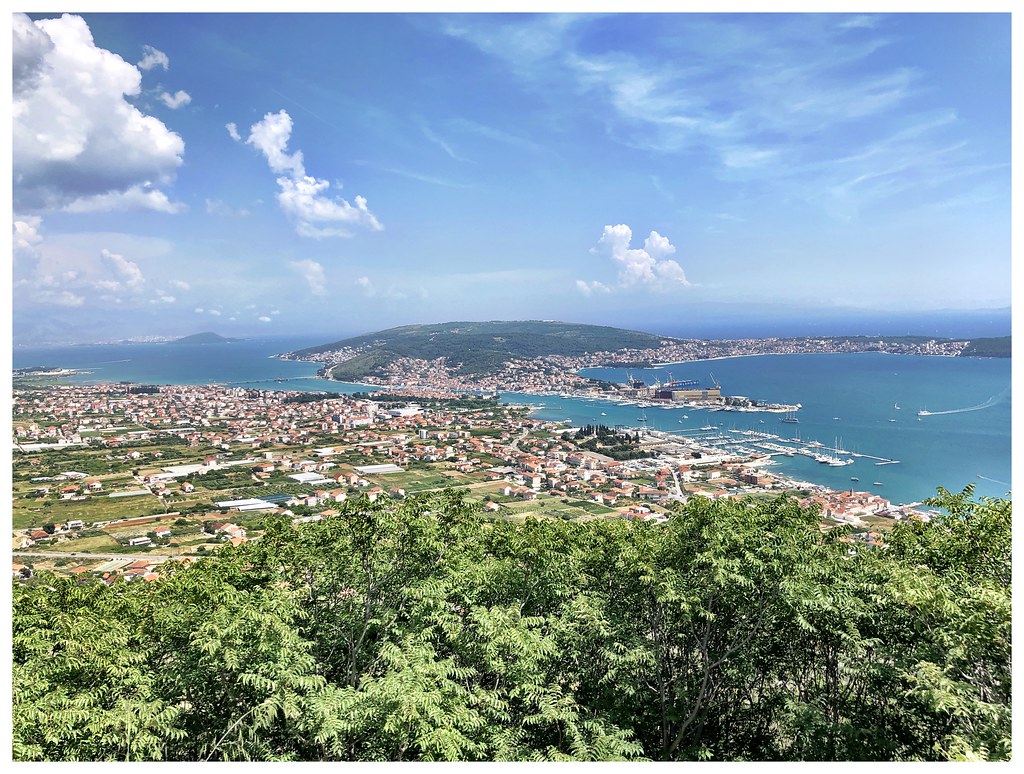
Čiovo Island connects to Trogir via bridge and hosts the area’s best beaches. The most popular family beach is Okrug Gornji Beach (also called Copacabana Beach), just 2 kilometers from Trogir center. It’s a family paradise:
- 2-kilometer length with gentle water entry
- Crystal-clear water with excellent visibility
- Numerous child-friendly bars and restaurants
- Inflatable water playgrounds available
- Sunbed and umbrella rental options
Other charming beaches include Krčića, Kava Slatine, and Labadusa. Families traveling by car through Croatia will appreciate convenient access and easy parking near beaches.
Three Islands Tour — Maritime Adventure
An interesting family attraction is the “Three Island Tour” — full-day boat excursions visiting nearby islands, including:
- Fishing village Maslinica on Šolta Island
- Swimming in Blue Lagoon near Drvenik Veli Island
- Lunch and beach time in Labadus Bay on Čiovo Island
This provides excellent opportunities for children to feel like genuine maritime travelers. Additional excitement comes from jumping directly from boats into water (naturally under parental supervision for swimming-capable children). Several Trogir port companies offer tours with similar programs. Compare prices and package contents before purchasing.
Dubrovnik — Pearl of the Adriatic
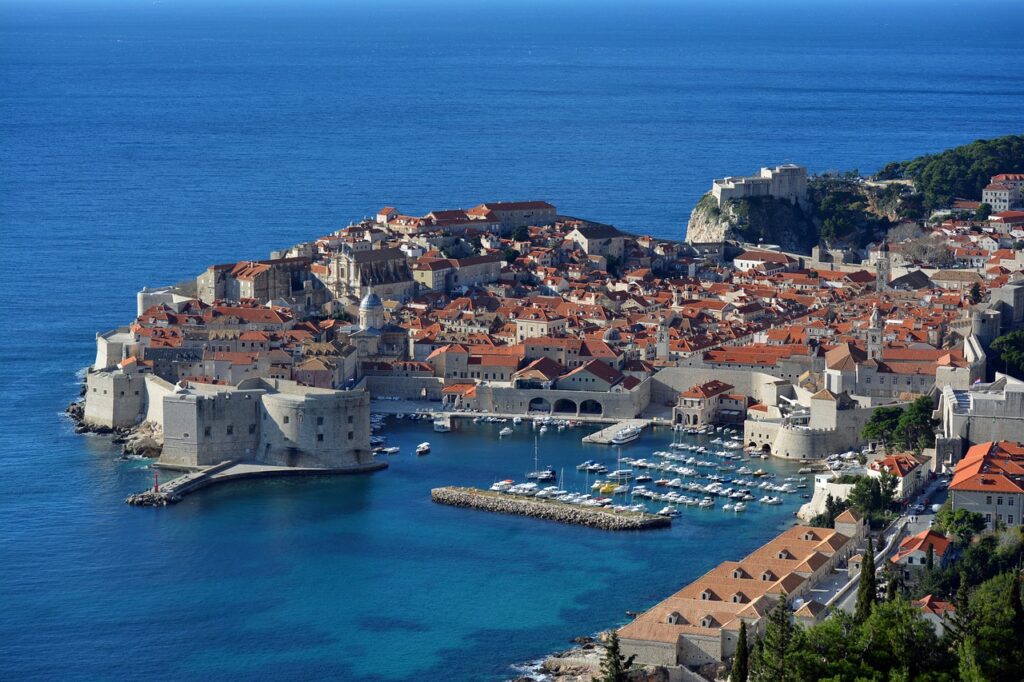
Dubrovnik gets a bad reputation for crowds — and fair enough, it’s earned it in peak season. But Croatia with kids in Dubrovnik still works, provided you plan around the tourist traffic rather than into it. Dubrovnik with kids can be magical with proper planning and realistic expectations.
Old Town and City Wall Walk
Dubrovnik’s city walls rank among Croatia’s most recognizable attractions. Though walking them might challenge youngest visitors (especially during hot days), the views justify the effort. Here are tips for making this expedition more child-friendly:
- Go early morning before tourist crowds and intense heat
- Bring plenty of water, snacks, and head coverings
- Apply high-SPF sunscreen generously
- Consider baby carriers for toddlers, as strollers prove cumbersome on stairs and narrow passages
Children love climbing stairs and hiding in wall nooks. Encourage treasure-hunting games — they can seek architectural details like lion sculptures or coat-of-arms. Tell older children about “Game of Thrones” scenes filmed here.
One thing nobody tells you: the walls get brutally hot by 10 AM in July. We went at 8:15, had the whole eastern stretch nearly to ourselves, and were done before most cruise passengers had even disembarked. Worth setting the alarm.
Srđ Hill Cable Car — Captivating Views
Dubrovnik’s cable car takes you on a 4-minute journey to Srđ Hill summit. This represents an incredible experience for children, who’ll be enchanted by both the upward journey and panoramic city and Adriatic views. The summit features a restaurant with viewing terrace and souvenir shop.
While families traveling through Croatia by car can drive to Srđ summit (free parking available), the cable car ride provides much more excitement for youngest family members. However, avoid days when large cruise ships dock — the cable car becomes crowded with lengthy waiting times.
Lokrum Island — Day Trip Near the City
Ten minutes by boat from Dubrovnik’s Old Port and you’re in a completely different world — Lokrum is small, leafy, and genuinely good fun for children. It’s an excellent day trip idea and respite from urban hustle. The island offers many children’s attractions:
- Mini zoo with peacocks and rabbits roaming freely across the island
- Small saltwater pond called “Dead Sea” — safe swimming area for children
- Botanical garden filled with exotic plants
- Monastery and ruins for exploration
- “Game of Thrones” exhibition featuring the Iron Throne (older children love photographing opportunities)
Remember that the island lacks sandy beaches — primarily rocks and stones — so appropriate water shoes prove helpful. Lokrum also has no hotels, requiring return to Dubrovnik before the last boat departure.
Lapad Beach and Activities for Youngest Visitors
Lapad Bay presents ideal family holiday in Croatia locations away from Old Town crowds, offering:
- Beautiful pebble beach with gentle water entry
- Car-free King Zvonimir Promenade filled with cafés and restaurants
- Children’s playground along the promenade
- Babin Kuk green spaces perfect for ball games or cycling
- Nearby Copacabana beach with additional water attractions
Consider accommodation in this Dubrovnik section, which is significantly more family-friendly than crowded, expensive Old Town areas. Numerous apartments and hotels around Lapad offer special children’s discounts, while center access remains easy via regularly running buses.
Aquarium and Mini Zoo — Fun Plus Education
Dubrovnik and surroundings feature attractions combining entertainment with learning:
- Aquarium in St. John’s Fort — where children see giant sea turtles and other Adriatic creatures
- Natural History Museum — perfect for learning about local fauna and flora
- Medena Valley on Bosanka Hill — children can pony ride and meet domestic animals
- Durovic Cave near the airport — unusual attraction for departure days
Planning family holidays in Croatia should include these locations on days when weather doesn’t favor beach activities or as alternatives to water-based fun.
Frequently Asked Questions About Croatia Family Travel
Children in Croatia can enjoy diverse attractions including Pula city with its Roman amphitheater and Aquarium, Brijuni National Park, Baredine Cave, plus beautiful beaches and water parks. Additionally, Zavratnica Bay and Zrmanje Waterfall offer scenic landscapes and active recreation opportunities.
Preparation should include packing essential children’s items like snacks, toys, high-SPF sunscreens, and beach equipment. Important planning considerations include route planning and accommodation selection prioritizing children’s needs and comfort.
Croatia is generally considered very safe for families with children. It offers clean beaches, friendly environments, and excellent tourist infrastructure for families. However, always maintain basic safety precautions, especially in public places and on beaches.
For families traveling through Croatia, cars provide maximum flexibility and comfort. Train and bus travel are also viable options with well-developed networks connecting most major cities.
Croatia features many family-friendly beaches. Most recommended include beaches in cities like Zadar, Split, and Dubrovnik, plus smaller towns like Nin, where shallow, safe waters are perfect for children.
Yes, many Croatian tourist attractions offer family discounts, with some providing free admission for youngest visitors. Check online offers or tourist information points for current deals.
Croatia offers numerous outdoor activities including bicycle tours, hiking in national parks, and water sports like kayaking or snorkeling. Additionally, nature parks and reserves provide excellent nature exploration opportunities with children.
Families traveling to Croatia with children benefit from hotels offering child-friendly amenities like pools, playgrounds, and entertainment programs. Many families choose apartments or vacation homes providing more space and self-catering capabilities.
Croatia with kids is one of those trips that doesn’t need much selling once you’re there. The country does the work. We’ve been back — and we’re already talking about the next time.
Whether you’re seeking the best place in Croatia for beach relaxation, cultural exploration, or outdoor adventures, this Mediterranean jewel delivers unforgettable experiences that will have your family planning return visits for years to come.