
High Hopes but Hidden Struggles for Canary Islands Seniors
Residents of the Canary Islands aged between 55 and 75 have high hopes for the future and feel valued by those around them. Not only that, they still see themselves as young, vital, and independent individuals. This is revealed by the ‘Senior and Health in Spain’ report from the Mapfre Foundation, in which this group scored both aspects a seven out of ten. They also find satisfaction in caring for their grandchildren and other loved ones, scoring this 7.8. These figures, according to the study, underscore the importance of personal relationships, life projects, and social recognition as key elements of wellbeing for this demographic.
The Stark Gap Between Physical and Mental Health
However, although older islanders are embracing life and rate their physical health a respectable 7.4, when it comes to their mental health, they don’t even consider it a passing grade. They scored it just 4.3, slightly below the national average of 4.4. Behind this imbalance between physical and mental health lies one of the major challenges facing this group: combating unwanted loneliness.
“The Real Pandemic is Unwanted Loneliness”
In the words of Chicho Pérez, president of the Antón Guanche Senior Citizens Association in Candelaria, Tenerife, many elderly people are abandoned or feel invisible. “I always say we were deceived with Covid; the real pandemic of the 21st century is unwanted loneliness. It kills many people,” he emphasised. In his view, associations are a crucial link in the emotional health of the elderly because public administrations are not doing enough. “I can be categorical on that aspect. The Candelaria council treats us very well, but we know that’s not the norm elsewhere. The Island Council and the Regional Government are also not up to the task,” he denounced.
In contrast, entities and day centres for the elderly are already including workshops with psychologists to work on memory and cognitive decline. To reverse the poor mental health score, he argued, what is needed are more specialists in the public sector, as well as better access to them.
Retirement: A Complete Life Change
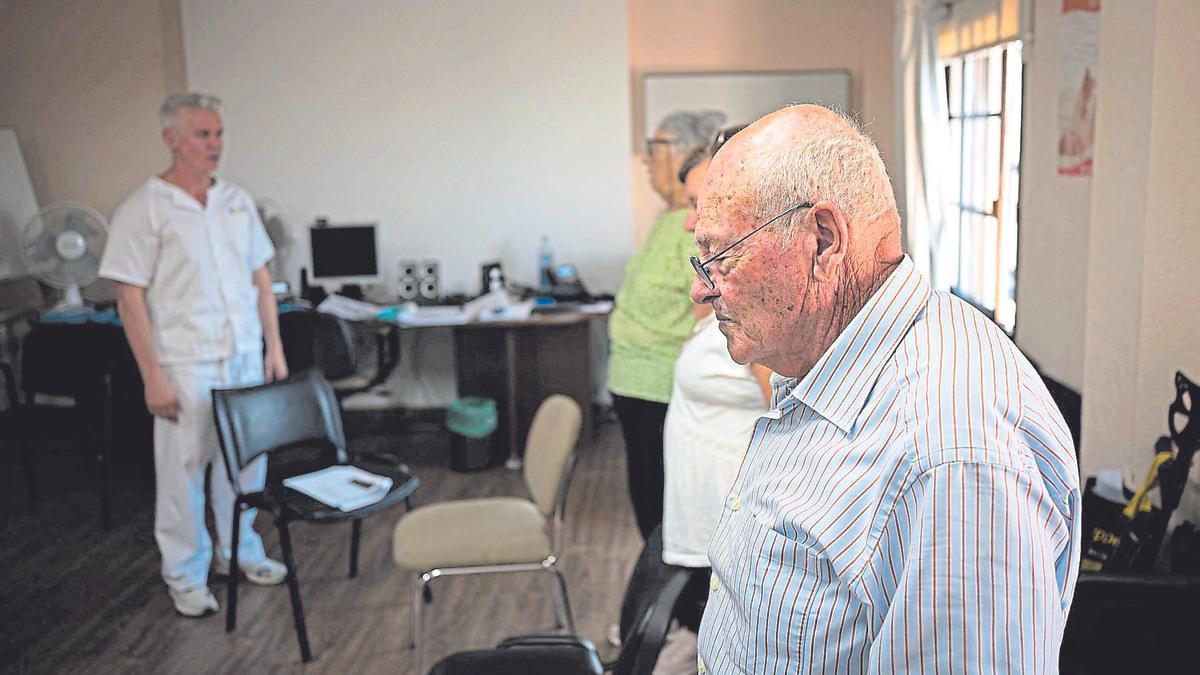
For Vicente de San Andrés, president of the Beneharo Senior Association in Geneto, La Laguna, the great turning point is retirement. “Our lives change completely from the moment we retire. The most active part ends and, with the loss of that social interaction, the path towards dreaded unwanted loneliness begins,” he explained. Their day-to-day life becomes different, and the preoccupation they once had with work disappears completely. To all this, he warned, particular personal problems can be added.
At 92 years old, he still leads this association and is clear that many seniors shut themselves away at home because the authorities do not engage them in an attractive way, with activities that excite them. “Without that excitement, there is nothing. Life boils down to that,” he stated. He also does not understand why, after having contributed so much to society, they do not receive the attention they deserve. “The care for the elderly leaves much to be desired. In many activities, there is a notable absence of this group,” he criticised.
Calls for Action from Youth to Old Age
Health Budget Constraints and a Call for Prevention
Despite the demands of these groups, the regional minister Esther Monzón, during the report’s presentation, indicated that health spending cannot continue to increase, as the Canary Islands allocates nearly 40% of its budget – €4.833 billion – to this area. “Therefore, it is fundamental to promote healthy ageing; we cannot keep putting a plaster on the wound, we have to prevent the wound from appearing in the first place,” she acknowledged.
National Comparison and a Path Forward
Islanders aged 55 to 75, alongside their Asturian counterparts, have the worst perception of their health in the entire country, rating it 6.8 out of ten, compared to the Spanish average of 7.2. This assessment, the study details, reflects a moderately positive perception but also shows there is still room for improvement in how health is lived and perceived in the Archipelago.
During a roundtable discussion held yesterday in Las Palmas de Gran Canaria, the head of the Regional Ministry of Health maintained that, although older people largely perceive themselves as independent, accompanied, and with good physical health habits, there is room for improvement in caring for emotional wellbeing and motivation for future projects. “The report underscores that only around 40 percent of seniors declare they actively care for their emotional wellbeing, and as a clinical psychologist, that is an area that truly worries me,” she confessed.
No post found!