Tenerife draws over 6 million visitors a year — and honestly, after living here with our family, we understand why. The sunshine, the volcanic scenery, the beaches… it’s genuinely special. But what most travel blogs won’t tell you is that this island has a handful of real pitfalls that catch first-timers off guard, sometimes badly.
What to avoid in Tenerife isn’t always obvious — some of the biggest traps look completely harmless on the surface. Drinking tap water, parking at a viewpoint, dipping into a gorgeous natural pool on a calm-looking afternoon — these all sound fine until they aren’t. We’ve watched tourists make these mistakes. We’ve made a few ourselves. Is Tenerife safe? For the most part, yes — it’s one of the more relaxed destinations in Europe. But areas to avoid in Tenerife and common tourist missteps can quietly turn a great holiday into an expensive headache. Here are the 10 mistakes worth knowing before you land. These Tenerife tips come from real experience, not a checklist.
If you prefer a video format, we present all these warnings in a social media reel – see for yourself what to watch out for in Tenerife.
Leaving Valuables in Cars – A Magnet for Trouble
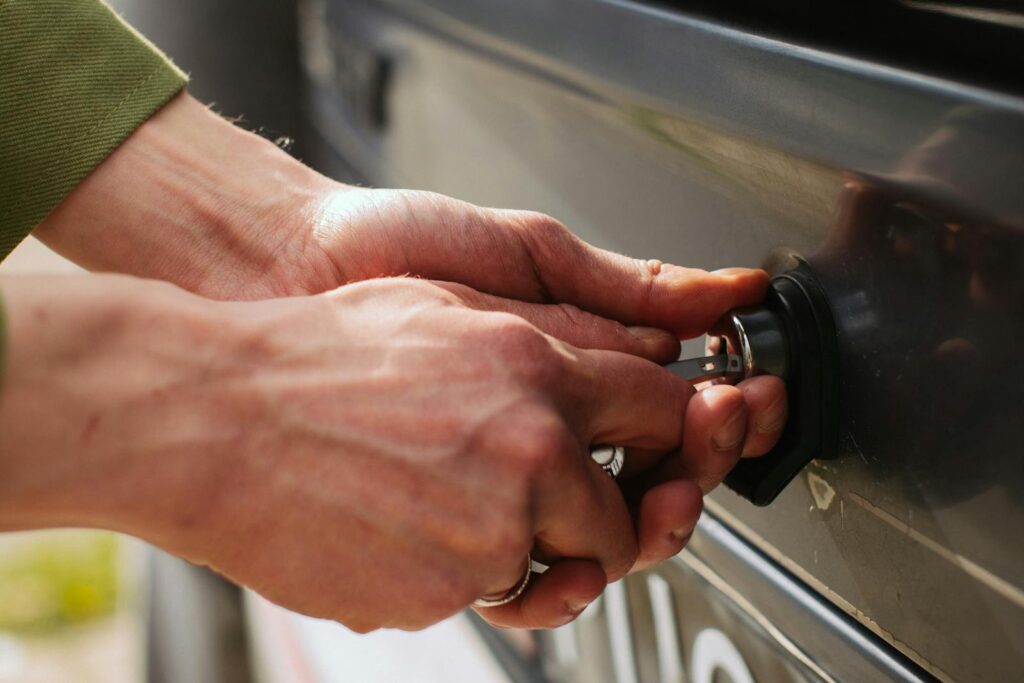
Car break-ins are unfortunately very common in Tenerife, especially targeting rental cars that are easily identifiable. Professional thieves need just 3 minutes to smash a window and escape with their loot.
The most vulnerable parking areas are in Teide National Park, particularly at trailheads and popular attractions. Equally dangerous are parking lots near tourist hotspots like Masca village or the island’s most beautiful beaches.
Thieves operate according to a proven pattern: they observe tourists while pretending to be other visitors, waiting for the owner to move away from the vehicle. Leaving a visible backpack, handbag, or even a phone charger is enough reason for a break-in.
Tenerife tips for car security: Never leave anything visible in your car, avoid leaving personal items even in the trunk if thieves saw you put them there, and choose guarded parking areas for longer excursions. Also check your car insurance terms – does it cover theft from break-ins?
These areas to avoid in Tenerife for unattended vehicles include any popular tourist spots during peak hours. The good news is that following basic precautions makes you a much less attractive target.
Drinking Tap Water – The First Tourist Mistake
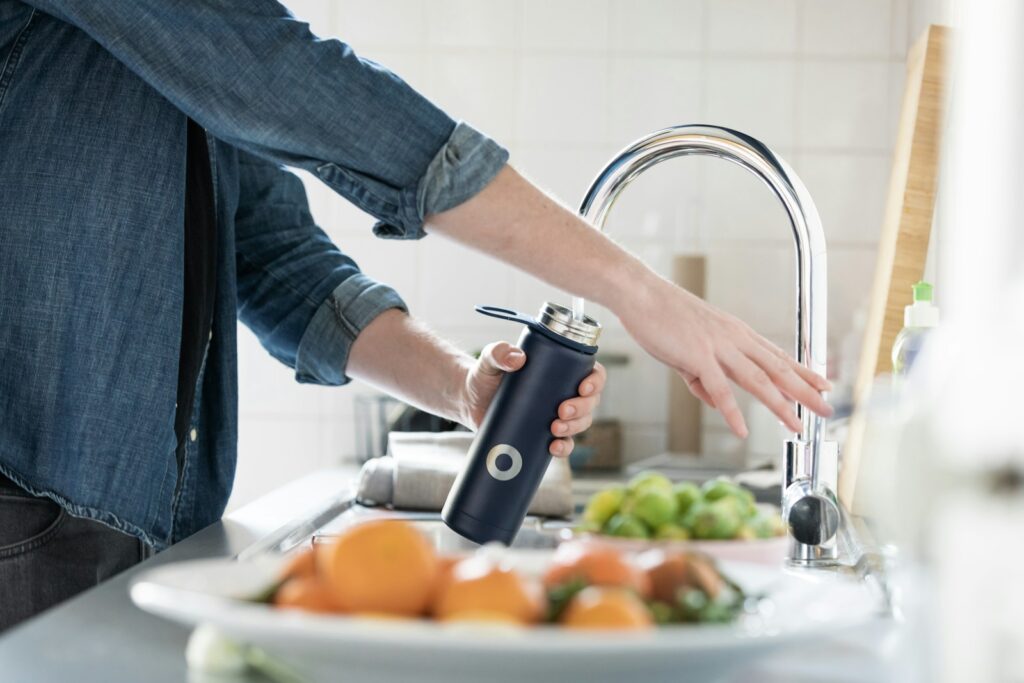
The tap water question comes up constantly among visitors — and it’s one worth answering properly before you arrive. The answer is: it’s better not to. Tenerife tap water is desalinated ocean water that has undergone chemical purification processes, making it technically safe but far from ideal.
The desalination process leaves significant amounts of chlorine and salt in the water, giving it an unpleasant, metallic taste. While the water is theoretically “safe,” regular consumption can cause stomach problems, especially for people with sensitive digestive systems. Many tourists complain of abdominal discomfort from their very first day.
Can you drink the water in Tenerife from the tap? Technically yes, but Tenerife drinking water from bottles is highly recommended. Is Tenerife water safe to drink from taps? It won’t make you seriously ill, but it’s not pleasant and can cause digestive upset.
The solution is buying bottled water, which is exceptionally cheap in Tenerife – a 1.5-liter bottle costs around €0.50-€1.50. Larger 5 or 8-liter containers are also available, perfect for families. If you’re planning a longer stay, check whether your rental accommodation has a water filter – more and more property owners are investing in filtration systems.
Some places on the island also have natural drinking water springs, but make sure they’re properly marked and tested for quality.
Underestimating Natural Pool Dangers
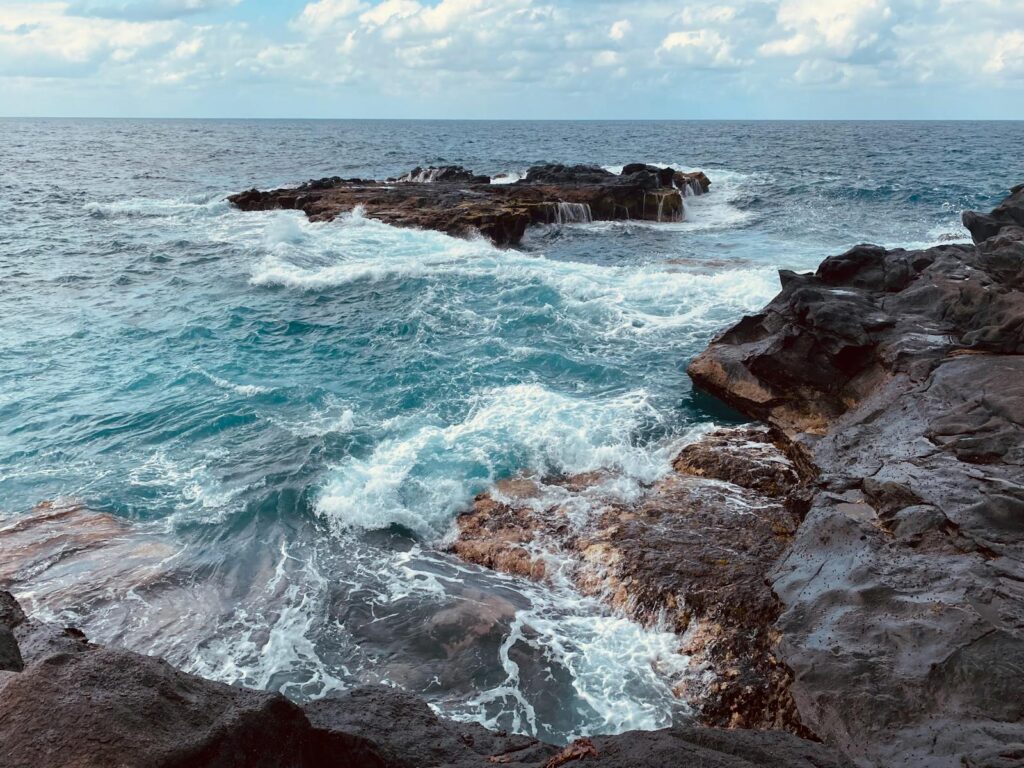
Those natural rock pools scattered around the Tenerife coastline are genuinely beautiful — and that beauty is part of what makes them dangerous. However, underestimating their danger is one of the biggest mistakes you can make.
In November 2022, a giant wave swept 11 people from the Isla Cangrejo pool in Los Gigantes – seven were injured, including one seriously. In April 2020, a 60-year-old man drowned in a natural pool in Garachico. A year earlier, a 26-year-old woman died attempting to reach the Charco del Tancón pool, known as the “blue cave.”
What causes these tragedies? Natural pools are directly exposed to ocean whims. Waves can instantly flood pools, sweep people away, or slam them against sharp rocks. Marine currents can pull swimmers into the deep ocean or prevent them from returning to shore. Additionally, many pools lack any safety features – no steps, railings, or handholds make entering and exiting the water dangerous.
How to safely use natural pools? Always check marine conditions before swimming – avoid them during storms or strong winds. Never swim alone and choose pools appropriate for your skill level. Observe local residents’ behavior – if they avoid swimming, you should too.


Inadequate Travel Insurance
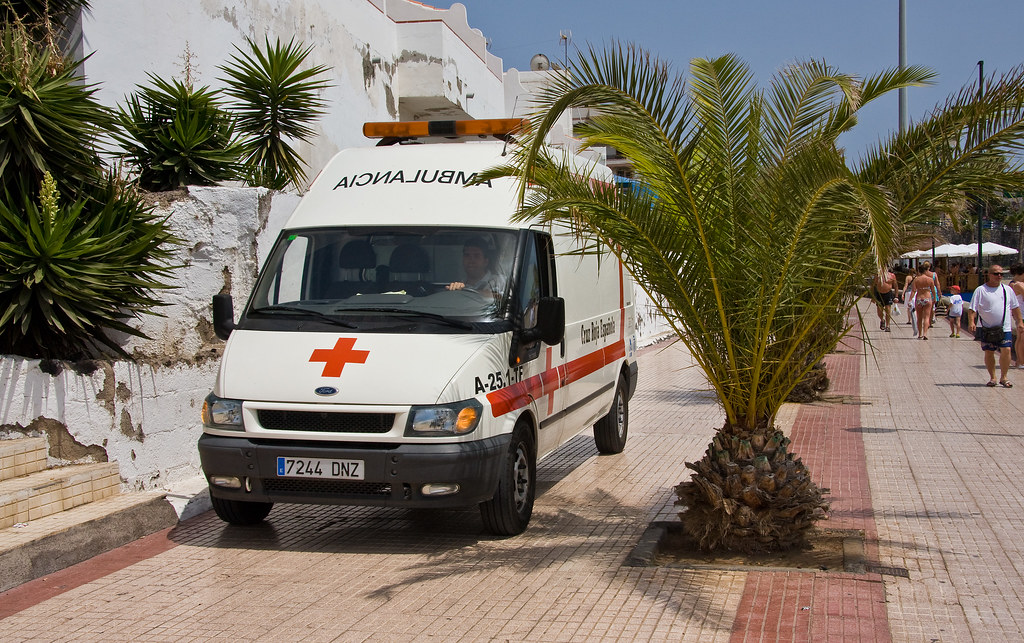
One of the costliest mistakes you can make during a Tenerife holiday involves inadequate insurance. Many tourists think that the European Health Insurance Card (EHIC) fully protects them. This is a serious error.
EHIC only covers essential medical care in public healthcare facilities under the same conditions as Spanish residents. It doesn’t cover private treatment, medical transport to your home country, or full medication costs – for which you must pay 40-60% of the price. Worse still, tourist areas in Tenerife often primarily operate private medical facilities.
One day in intensive care in the Canary Islands can cost several thousand euros. Helicopter transport after a mountain accident? That’s thousands more. Without proper travel insurance, you might face choosing between your health and bankruptcy.
Good travel insurance should cover: treatment in private facilities, medical transport home, assistance organizing a close person’s visit, language and legal assistance. The cost of such insurance is usually €50-100 for a week’s holiday – pennies compared to potential medical expenses.
Is Tenerife safe from a medical perspective? Yes, but only with proper insurance coverage. This is one of the most important Tenerife tips we can share.
Supporting Animal Captivity Attractions
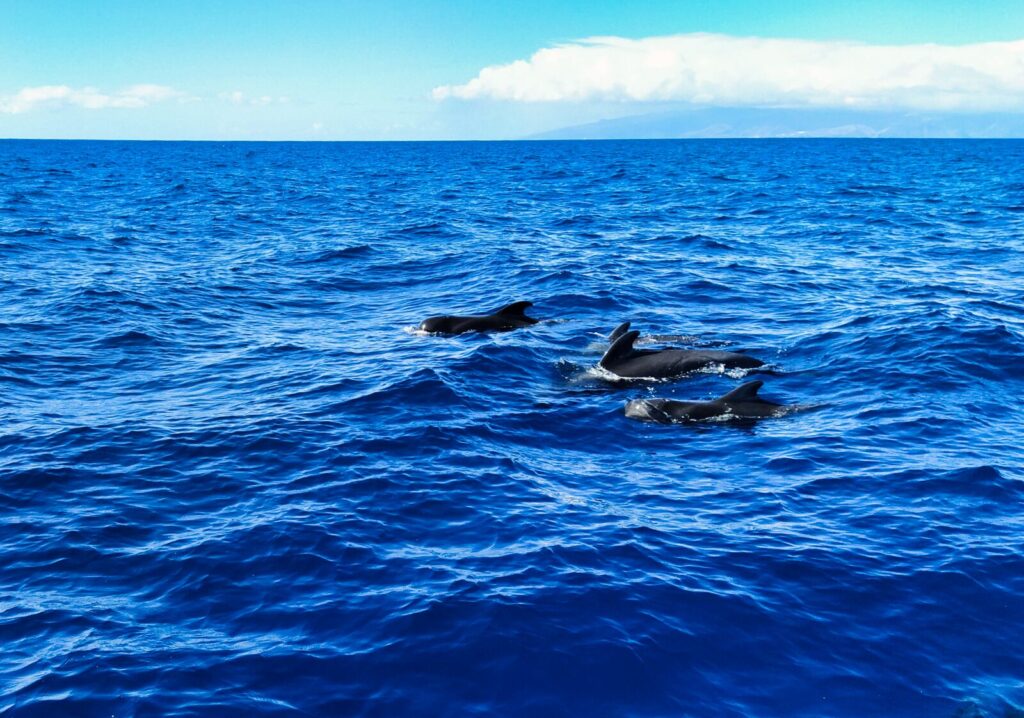
Loro Parque is one of Tenerife’s most popular tourist attractions, advertised as a “must-see” by most travel agencies. However, what should you consider regarding ethics when visiting Tenerife? Supporting places that prioritize profit over animal welfare.
Orcas and dolphins in the park live in conditions causing chronic stress, attacking each other and their handlers. Marine mammals in captivity live significantly shorter lives than in the wild.
Tenerife offers much better alternatives. Whale and dolphin watching cruises allow you to see these magnificent creatures in their natural environment. The price of such a cruise is similar to a ticket to the animal park. Additionally, waters around Tenerife are home to over 20 species of whales and dolphins – seeing a blue whale or pilot whales in the wild is an unforgettable experience.
Staying Confined to All-Inclusive Hotels
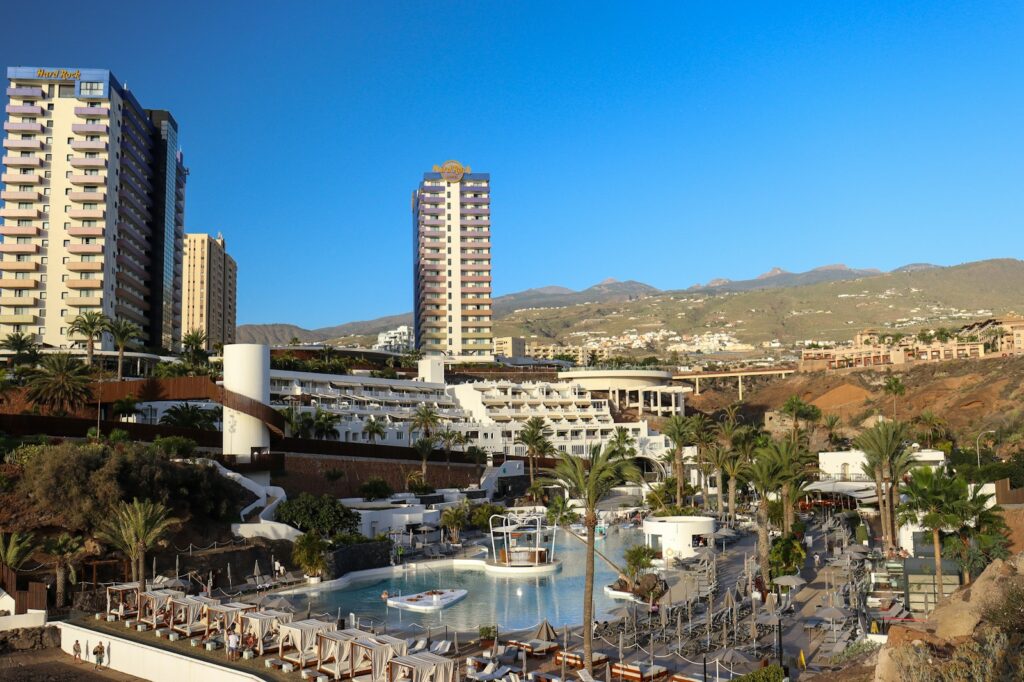
All-inclusive packages in Tenerife might seem like a convenient option – everything in one place without needing to plan. However, this is one of the biggest tourist traps that deprives you of authentic experiences.
When you limit yourself to hotel buffets, you miss the richness of local Canarian cuisine. Instead of experiencing traditional flavors, you eat the same international dishes available at any resort worldwide. Hotel entertainment replaces contact with local culture and residents.
Real Tenerife awaits beyond hotel gates. The island offers incredible landscape diversity – from volcanic deserts to misty laurel forests. Did you know you can see desert landscapes of Las Cañadas caldera and humid, green Anaga forests in one day?
Leaving the hotel also means opportunities to meet local residents, learn their history and traditions. These spontaneous conversations over coffee in a small La Laguna café or sharing a meal with a family in a mountain village create the most precious travel memories.
Limiting Yourself to the Tourist South
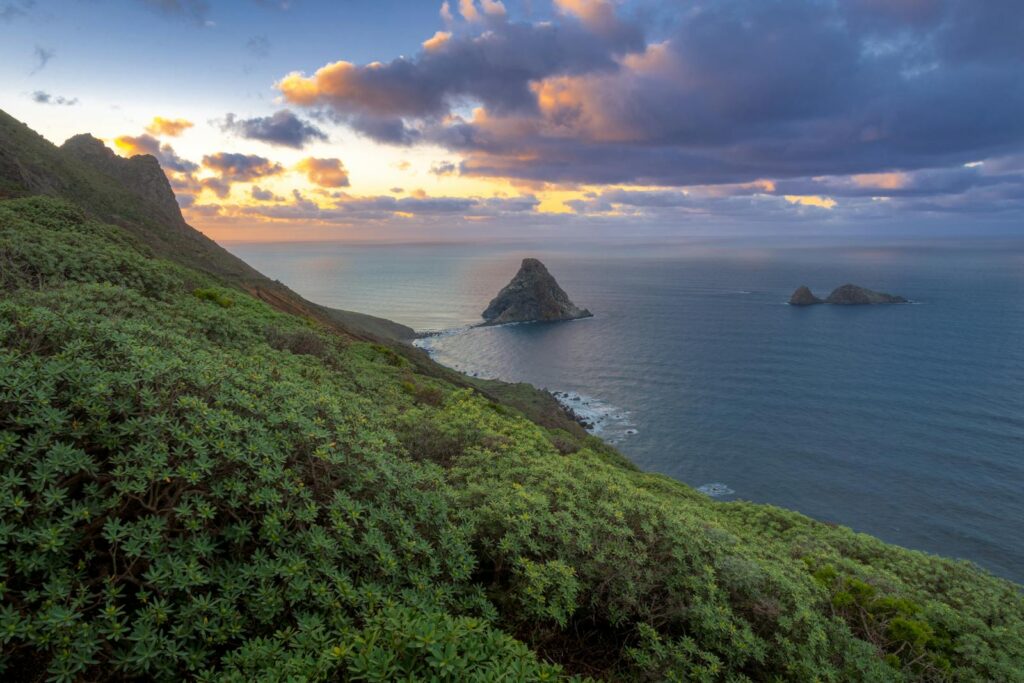
Most tourists concentrate on southern Tenerife – Costa Adeje, Playa de Las Américas, Los Cristianos. Is Costa Adeje safe? Absolutely, and it offers guaranteed sunshine and well-developed tourist infrastructure. However, focusing only on the south means missing the island’s most beautiful corners.
Northern Tenerife is a completely different world. Instead of artificial beaches and concrete hotels, you’ll find authentic Canarian towns with colorful houses and wooden balconies. La Laguna, UNESCO World Heritage listed, captivates with colonial architecture and academic character. Puerto de la Cruz offers natural Lago Martiánez pools and the irreplaceable atmosphere of a traditional resort.
The north’s real treasures are its natural landscapes. Misty Anaga laurel forests transport you to a fairytale world where giant ferns create green cathedrals. The northern coast hides secret spots – hidden coves, dramatic cliffs, and abandoned villages where time moves slower.
The climate difference between north and south means you can start your day with a sunny swim at a southern beach and spend the afternoon in the cool, misty northern forest. This contrast is one of Tenerife’s greatest attractions – provided you venture beyond tourist trails.
Avoiding Authentic Guachinches
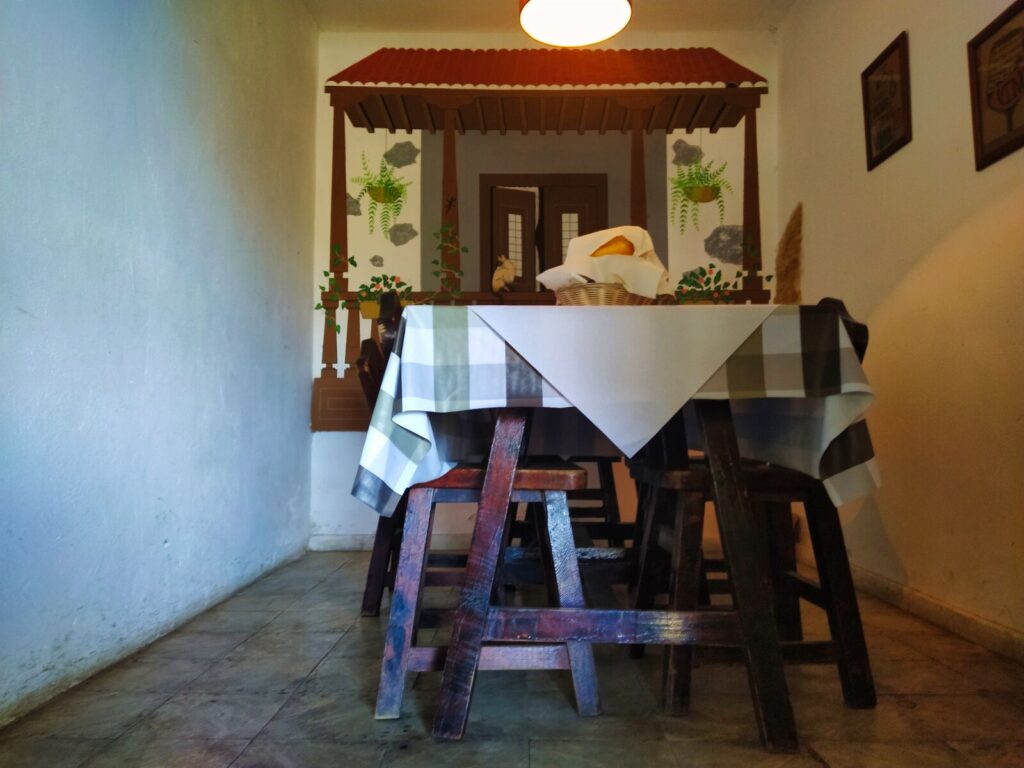
Restaurants in Tenerife’s tourist zones often offer generic European menus with inflated prices and average quality. Meanwhile, the island’s real culinary treasures await in places you won’t discover through tourist guides.
Guachinches are family wineries, mainly in the north, where local farmers serve homemade food with their own wine. These aren’t typical restaurants – they’re places where Canarian traditions have been cultivated for generations.
You recognize authentic guachinches by official signs reading “VINO DE COSECHA PROPRIA” (wine from own harvests) and the letter “V.” They serve a maximum of three main dishes – often carne de cabra (goat), conejo en salmorejo (rabbit in sauce), or costillas con papas y piña (ribs with potatoes and corn). The only drinks besides water are homemade wines poured straight from barrels.
The atmosphere in guachinches is special – often operated from garages or patios, served by the owner personally, with chickens wandering between tables. On weekends, you’ll hear traditional Canarian music with guitars and timple. A full meal with wine rarely exceeds €15-20 per person, while quality and authenticity are incomparable to tourist restaurants.
Tenerife tips for finding the best local dining experiences: venture beyond hotel restaurants and tourist zones. The island offers incredible culinary diversity, from traditional guachinches to modern establishments combining international techniques with local ingredients. For those seeking comprehensive guidance on where to avoid in Tenerife overpriced tourist traps and instead discover authentic flavors, we’ve compiled detailed recommendations in our Best Restaurants Tenerife – TOP 10 Places Where You’ll Eat Like a Local guide, featuring everything from family-run guachinches to hidden seafood gems that locals cherish.
One practical note: guachinches don’t always have websites or Google listings — the best ones are found by driving rural northern roads and watching for hand-painted signs. We stumbled onto one near La Victoria de Acentejo on a Sunday afternoon, ate the best carne de cabra we’ve had on the island, and paid €13 each including wine. That’s the version of Tenerife most tourists fly home without ever seeing.
Ignoring Red Flags on Beaches
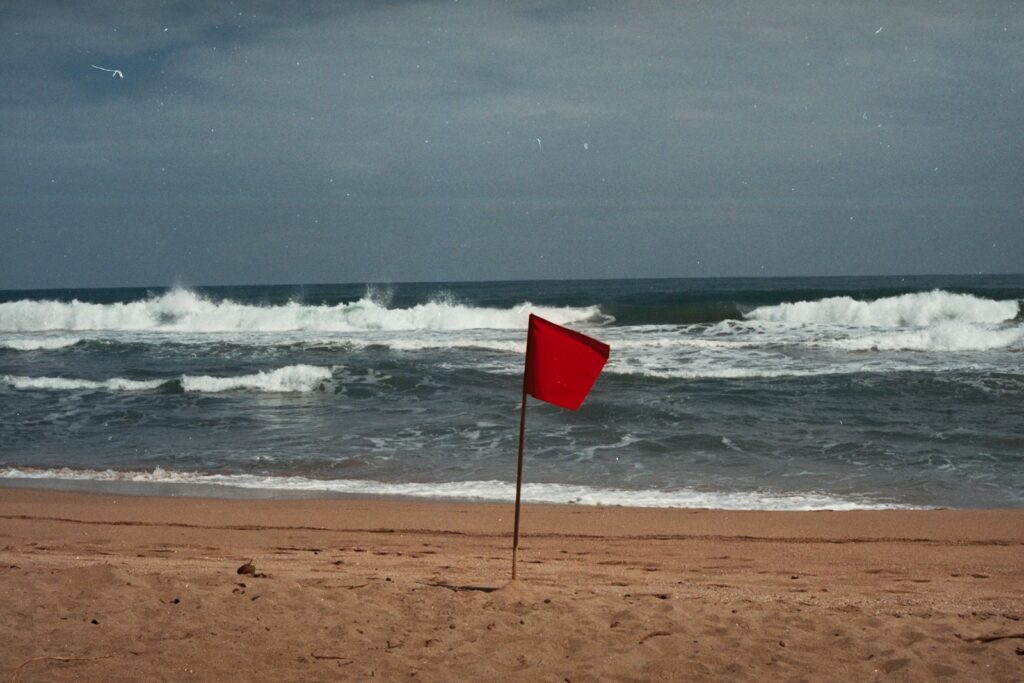
Red flags on Tenerife beaches aren’t just about waves — and this is something a lot of tourists genuinely don’t know until it’s too late. They often warn of much more serious threats: sewage pumped into the ocean by overloaded treatment plants, jellyfish invasions, or the presence of Portuguese man o’ war – an organism whose “touch” can be deadly.
The sewage problem is one of Tenerife’s issues not widely discussed. Local treatment plants can’t keep up with processing sewage from millions of tourists, so it periodically flows directly into the ocean. This results in dangerous bacteria and green algae patches, sometimes visible even from aircraft.
The Portuguese man o’ war (Physalia physalis) is a seemingly beautiful, transparent organism resembling a jellyfish. Its tentacles can fatally burn humans. Recent years have seen increased numbers of these organisms in Atlantic waters, likely related to climate change.
How to safely use beaches? Always check the flag color before entering water. If you see greenish deposits on stones or sand, or smell unpleasant odors – skip swimming. Choose beaches marked with Blue Flag status, which guarantee high water cleanliness standards.
We had a close call at a northern pool two summers ago — conditions looked calm, and a local family was sitting nearby so we assumed it was fine. Within twenty minutes, a set of larger waves rolled in and cleared the rocks entirely. Our boys were on the rocks above, not in the water, but it shook us. Now we check the marine forecast every single time, even for spots we’ve visited before.
Renting Manual Transmission Cars
What’s happening in the Canaries – straight to your phone
News, weather alerts and practical updates – direct from the islands, in English. We live here and know what’s going on – before the international media catch up. Everything lands on our WhatsApp channel – no middlemen, no algorithm. Curated for families, expats and travelers.
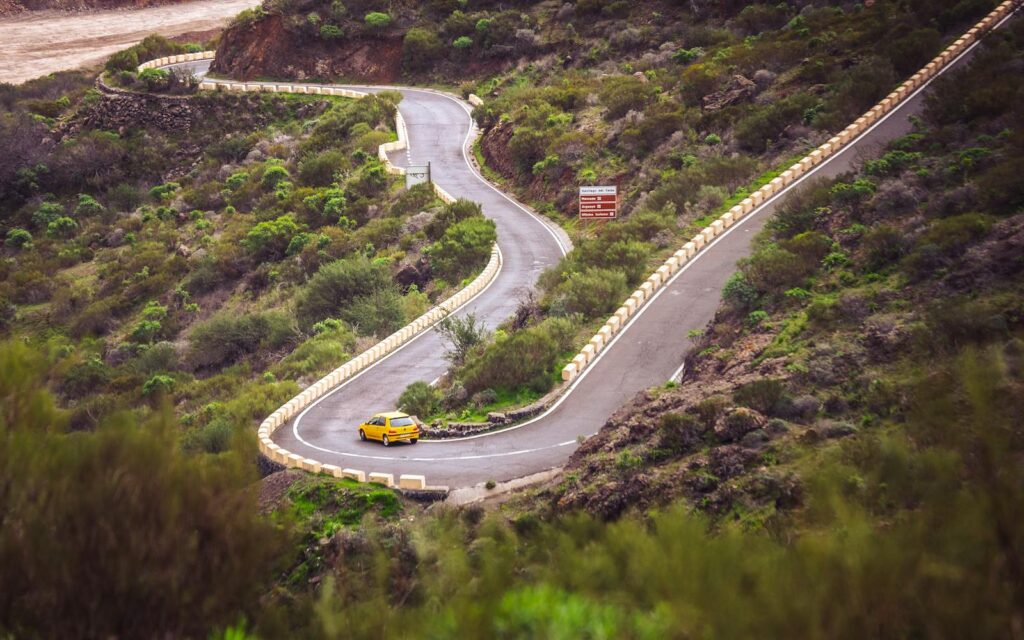
The final but very practical mistake concerns car choice. Tenerife isn’t a flat plain – it’s a mountainous island with serpentine roads, slopes up to 30%, and constant uphill climbs. Poor transport planning can ruin your holiday from day one.
Tenerife tips for transportation: Roads leading to the most beautiful places like Masca, Anaga Park, or Teide are real challenges. Constant uphill starts, stopping on narrow serpentines, and parking on steep streets with manual transmission creates stress and risks burning the clutch.
Additionally, traffic jams on the only highway (TF-1) mean constant stop-and-go traffic. Twenty-five kilometers can take an hour, constantly engaging the clutch and changing gears. For few people is this enjoyable – for most, it’s torture.
Automatic transmission is an investment in holiday peace. The rental price difference is usually €5-10 daily – little compared to driving comfort. Additionally, automatics are often newer and better equipped, meaning greater safety on mountain roads.
Practical Tips for Families and All Travelers
Transportation around the island: Tenerife is small, so all attractions are relatively close. Public buses are inexpensive but can be crowded during peak season. Renting a car might be more convenient, but remember about left-hand traffic and steep terrain.
Best time to visit: We recommend April-June and September-October. Temperatures are pleasant (20-28°C) and tourist crowds smaller. Summer can be very hot but ideal for water activities.
Safety: Is Tenerife safe? Yes, it’s one of the world’s safest destinations. Remember sun protection and regular water consumption. Following basic Tenerife tips ensures a worry-free vacation.
Food: Canarian cuisine offers fresh fish, traditional stews, and excellent local wines. Most restaurants can provide smaller portions, and dietary requirements are usually accommodated.
Frequently Asked Questions
Tenerife tap water is desalinated ocean water that, while technically safe, contains high chlorine and salt levels. It may cause stomach discomfort, so bottled water is recommended.
Main threats include car break-ins (especially in Teide Park), dangerous waves in natural pools, strong UV radiation, dangerous ocean currents, and periodic ocean water contamination.
EHIC only covers basic care in public facilities. It doesn’t include private treatment, transport home, or full medication costs. Additional travel insurance is recommended.
Most car break-ins happen in Teide National Park, at hiking trails, in Masca, and at popular beach parking areas. Thieves need just 3 minutes for a break-in.
Never ignore red flags on beaches. They may warn of dangerous waves, currents, jellyfish presence, Portuguese man o’ war, or sewage water contamination.
Absolutely. The north offers authentic Canarian towns, laurel forests, dramatic cliffs, and genuine local culture unavailable in southern tourist resorts.
Absolutely. The north offers authentic Canarian towns, laurel forests, dramatic cliffs, and genuine local culture unavailable in southern tourist resorts.
The best alternative is whale and dolphin watching cruises, allowing you to see these animals in their natural environment for similar prices. You can also visit natural attractions like Teide Park or Anaga forests.
Summary: Conscious Travel in Tenerife
Tenerife tips for safe and enjoyable travel primarily involve respecting local conditions and preparing properly. Each described mistake can cause problems ranging from minor inconveniences to serious health or life threats.
What to avoid in Tenerife mostly comes down to paying attention — to the flags, to the forecasts, to the signs that say the pool is closed for a reason. Drink bottled water, don’t leave valuables in cars, respect ocean power, choose appropriate insurance, and venture beyond tourist trails. What to avoid in Tenerife isn’t about dangerous areas – it’s about making informed choices.
Remember that the best travel memories come when you dare to discover the authentic side of places you visit. Tenerife is an island of contrasts – volcanic landscapes and green forests, traditional villages and modern resorts, peaceful coves and dramatic cliffs. Experience them all, but do so safely and with respect for local culture.