
Gran Canaria Launches New Tender for ‘Firefighter’ Livestock
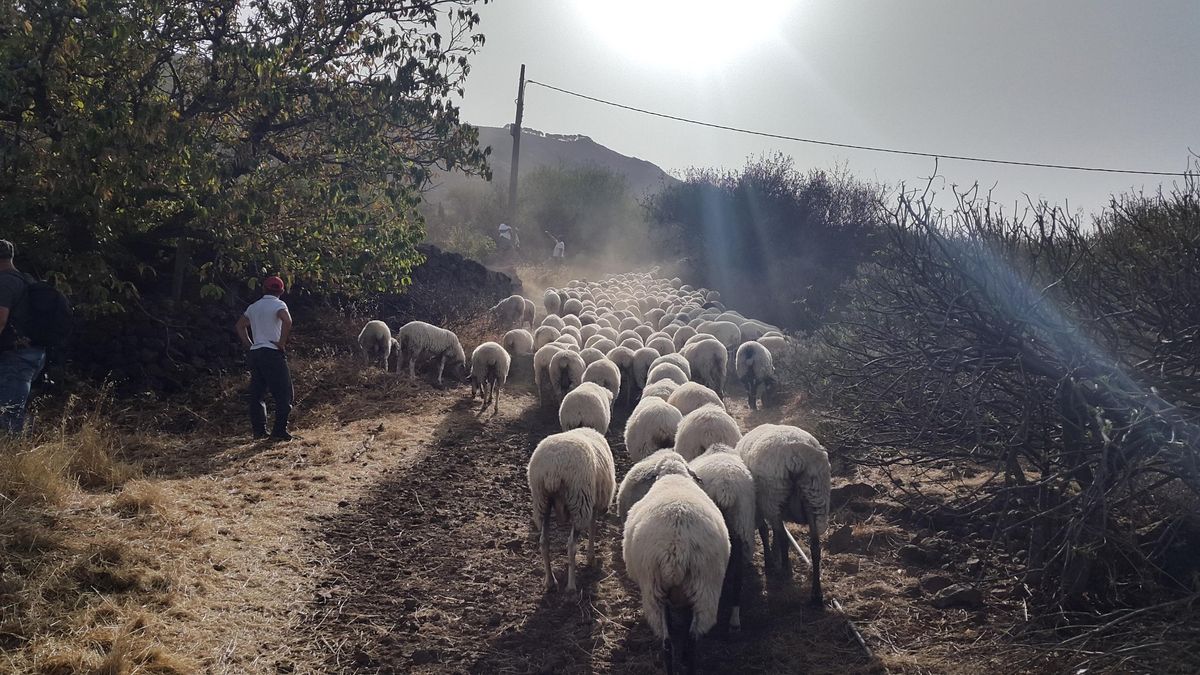
The Council of Gran Canaria has published a new tender for the island’s livestock farming families to participate in land management through grazing in strategic areas of public mountains and ravines. This environmental service, integrated into the Gran Canaria Mosaico strategy, remunerates the work of herds as they consume vegetation, thereby helping to reduce the biomass available for major forest fires. These are the so-called ‘firefighter goats and sheep’.
Strategic Grazing Areas and Three-Year Contract
Raúl García Brink, Councillor for the Environment, Climate, Energy and Knowledge at the Gran Canaria Council, stated: “We want to provide greater stability to the livestock families participating in Gran Canaria Mosaico and recognise the role they play in land management. Their work with the herds helps reduce vegetation in strategic areas and prepares the island against major forest fires.” This call for applications also coincides with a symbolic moment for the project, as 2026 will be the fifth consecutive year the Council pays for grazing as an environmental service—a pioneering initiative in the Canary Islands that began in 2022.
Payment System and Application Process
Participating farming families will receive financial compensation based on various factors, such as the area grazed, the type of vegetation, or the strategic nature of the zone. The payment system distinguishes between different grazing situations: from pasture areas to ravine beds with cane grass, where the intervention of goats and sheep is particularly useful for managing vegetation. Grazing permits are awarded through public tender, with those achieving the highest scores able to carry out this activity in the areas pre-defined by island technicians.
Incentives for Early Grazing and Past Success
During March, interested farming families can visit the Council’s La Granja Agrícola, where Gran Canaria Mosaico technicians will provide support to submit the necessary documentation on the Public Sector Procurement Platform. Once the areas are awarded, the schedule includes two periods for grazing: 30th June and 1st October. Farms that complete grazing before 30th June will receive a bonus, as their intervention takes place before the period of highest risk for major forest fires. In the previous tender for 2025, 34 farming families were successful, managing 2,269 hectares in public mountains and ravines through this payment-for-environmental-services system.
Part of a Global Recognition for Sustainable Pastoralism
The tender is also framed within the celebration of the International Year of Rangelands and Pastoralists 2026, promoted to recognise the role of pastoral communities in sustainable land management and biodiversity conservation. In Gran Canaria, extensive grazing not only keeps a traditional economic activity alive but also helps to build mosaic landscapes. Here, the combination of agricultural, livestock, and forestry uses creates discontinuities in vegetation that hinder the spread of major wildfires. Gran Canaria Mosaico is the strategy promoted by the Council to advance towards territories more resilient to fire, based on the recovery of diverse, inhabited, and productive landscapes where rural activities are an active part of land management.
No post found!