
Beyond the Brown Haze: The Hidden Composition of Calima
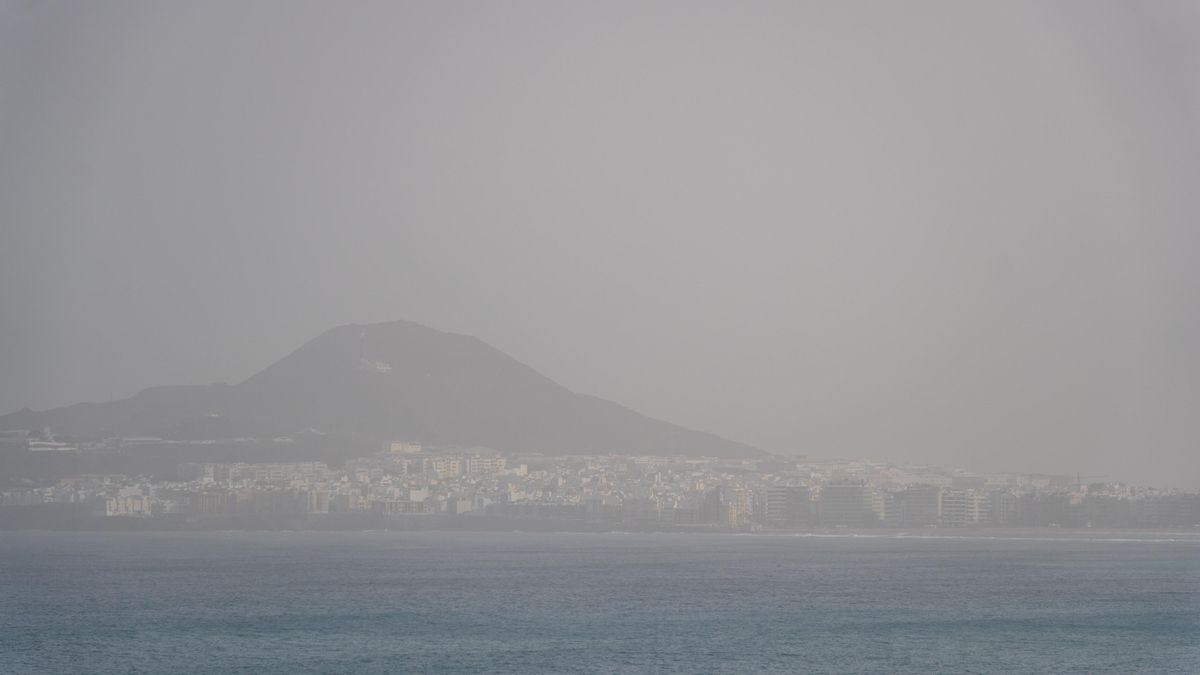
You have surely wondered what is really in the air when the Canary Islands’ sky turns brown from the calima. According to scientific communicator Gemma del Caño in an article published on Meteored, it is not just dust. So far this year, the archipelago has already experienced one intense episode of calima. This situation led to a pre-alert declared by the regional government, yellow warnings from the State Meteorological Agency (Aemet), and public health recommendations to avoid respiratory problems from inhaling the particles contained within this meteorological phenomenon. But what are we breathing, and what effects does it truly have on our health?
A Potent Cocktail in the Air We Breathe
In her article, the scientific communicator provides a specialised analysis of calima, warning that this suspended dust alters what we breathe and can indeed seriously affect health. She details that calima is not merely dust; it is formed of suspended particles, many of them PM10 and PM2.5—terms referring to particle size in microns. “The smaller they are, the deeper they penetrate the respiratory system, reaching the bronchi, bronchioles, and even the lung alveoli,” she highlights.
Furthermore, she points out that this dust can transport metals like iron, aluminium, or manganese; fungal spores and bacteria—some even viable after travelling thousands of kilometres—and chemical pollutants adsorbed during its journey, especially if it mixes with urban pollution. “Calima does not create these pollutants; it concentrates and redistributes them, worsening air quality,” she underscores.
Tangible Impacts on Respiratory and Cardiovascular Health
But what is the real impact on our health? “This is where it helps to separate data from perceptions,” states the scientific expert, as medical consultations for asthma, bronchitis, COPD (Chronic Obstructive Pulmonary Disease), and other respiratory problems increase during calima episodes. According to the article, these fine particles cause irritation of the airways, bronchoconstriction—especially in asthmatics—and greater susceptibility to respiratory infections. “In people with COPD, calima can trigger serious exacerbations. It’s not just that the dust feels unpleasant; it increases lung inflammation and reduces respiratory capacity in already compromised systems,” she explains.
However, the issue does not end there. The expert says the smallest particles can pass into the bloodstream, generating systemic inflammation, which can lead to consequences such as an increased cardiovascular risk. Gemma del Caño states that during intense calima episodes, a higher incidence of heart attacks, decompensation of heart failure, and increased hospital admissions for cardiovascular causes have been observed. “This does not mean calima directly causes heart attacks, but rather that it acts as a triggering factor in vulnerable individuals,” she clarifies.
Not an Allergy, But an Aggravating Factor
“These discomforts are not allergies, although they may resemble them,” emphasises the scientific communicator. The explanation is that suspended dust is not pollen, but it can worsen existing respiratory allergies, “adding irritation to an already sensitised system.” For the skin, the effect is usually mild, “but in people with dermatitis or sensitive skin, a worsening of symptoms may appear,” she warns.
Dispelling Myths About Microorganisms
A recurring myth during an episode of suspended dust concerns calima and microorganisms. Gemma del Caño acknowledges that, yes, dust can transport fungi and bacteria, “but we are not facing a rain of dangerous pathogens.” This is because the majority are environmental microorganisms, and “the risk to the general population is low,” according to the expert.
Practical Advice for Future Episodes
So, when the calima approaches, the communicator advises consulting air quality indices, limiting exposure, and understanding that “calima is not harmless, but neither is it a catastrophic event.”
No post found!