
World-Rarity Fossil Discovered in Tenerife
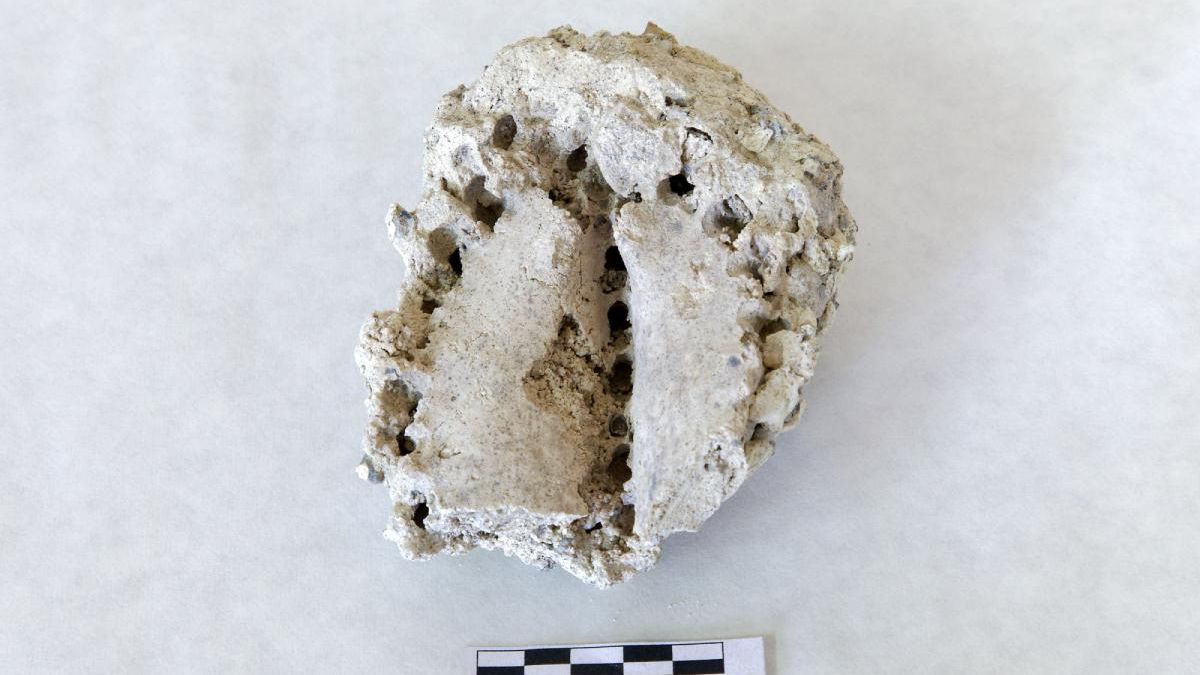
Researchers from the University of La Laguna (ULL) have discovered a fossilised cardón plant in Tenerife, buried 312,000 years ago by the eruption of the volcano that once dominated the island’s centre. This find is a global rarity but is now threatened by the future construction of a wind farm. The research was conducted in collaboration with scientists from the University of Madeira and the Teruel-Dinópolis Joint Palaeontological Foundation, and the discovery of these in-situ cardón fossils (Euphorbia canariensis L.) has been published in the journal Review of Paleobotany and Palynology.
Preserved by an Ancient Volcanic Eruption
The remains, found in the municipality of Güímar and belonging to succulent plant stems, were buried 312,000 years ago by material ejected from the ancient Cañadas Edifice. This volcano occupied the centre of Tenerife and experienced explosive eruptions throughout its existence. The ULL reported this Friday that the remains constitute a worldwide rarity because, lacking woody tissues, their potential to fossilise is very low. The only similar case reported is a cactus found in Texas, USA, preserved in Cretaceous-era sediments.
Exceptional Preservation Reveals Spring Eruption
The preservation of the fossilised cardón stems is excellent due to the interaction of the ash that buried them with water, which has preserved epidermal structures and cyathia (inflorescences). The latter is also unusual in the fossil record, given its ephemeral nature and limited production to certain times of the year. Because the flowers were preserved, the study’s authors were able to determine that the eruption of the Cañadas Edifice occurred in spring.
A Window into Ecosystem Change
According to the ULL, this is not the only information provided by the study of the remains. From the moment of the eruption to the present day, the vegetation in the area where they were found has changed from a cardón scrubland with elements of thermophilic forest to a sweet tabaiba scrub. The first plant community is now found at about 500 metres above sea level (except where basaltic substrates cause it to descend), whereas in the past it was found at about 300 metres. This change is due to habitat modification after the eruption: from a basaltic substrate that hosted a cardón scrub, to a siliceous one that favours the establishment of sweet tabaiba scrub, the university adds.
Scientific Value and Imminent Threat
The results of this work not only open a window to past ecosystems and infer the changes that have occurred, but also help us understand species’ responses to disturbances, something of paramount importance in the current context of climate crisis and biodiversity loss. However, the outcrop where the fossilised stems are located is in an area lacking any protective designation and is threatened by the construction of a future wind farm, meaning its disappearance could be imminent, despite its natural, cultural and scientific value.
Calls for Protection
The study also makes proposals for its protection and enhancement, including the creation of a paleopark, like the one on Santa Maria Island in the Azores, designation as a Natural Monument, or the implementation of land stewardship schemes. This palaeontological site has been the subject of study for the doctoral thesis of María del Cristo Velasco Flores, a predoctoral researcher at the University of La Laguna and one of the authors of the article. Other signatories affiliated with the Canarian university are Cristina González Montelongo, Ana Santos, Penélope Cruzado, María Candelaria Martín Luis and Carolina Castillo.

Canaries Fight to Save €242m in EU Green Energy Funds

Loro Parque’s New Jaguar Cub Takes First Steps Outside

50 Earthquakes Detected West of Teide National Park

Canary Islands to Draft New Coastal Management Law

How to Watch the August Solar Eclipse from Tenerife

Plan Your 2026 Solar Eclipse Viewing in the Canary Islands

Legal Loophole Lets Fuerteventura Quarry Operate in Protected Zone

La Palma’s New Volcanic Landscape to Become Protected Parkland

Earthquakes Continue to Rumble Across the Canary Islands
